Friday, January 26, 2018

Butter, yogurt increases risk of colon cancer

Beware! Eating a high-cholesterol diet like butter, ghee, sausages, full fat cream and yogurt may increase risk of colon cancer, warns a recent study.

In a study of mice, scientists  discovered that boosting the animals' cholesterol levels spurred intestinal stem cells to divide more quickly, enabling tumours to form 100 times faster. The study has identified a molecular pathway that could serve as a new drug target for colon cancer treatment.

Study author said, "We were excited to find that cholesterol influences the growth of stem cells in the intestines, which in turn accelerates the rate of tumor formation by more than 100-fold".

"While the connection between dietary cholesterol and colon cancer is well established, no one has previously explained the mechanism behind it", he added. The team increased cholesterol in the intestinal stem cells in some of the mice by introducing more of the substance into their diets.

While in others, they altered a gene that regulates phospholipids, the primary type of fat in cell membranes, which spurred the cells into producing more cholesterol on their own. The stem cells' ability to multiply increased in both groups.

The results indicated that as the animals' cholesterol levels rose, their cells divided more rapidly, causing the tissue lining their guts to expand and their intestines to lengthen. These changes significantly sped up the rate of tumor formation in their colons.

THIS IS ONLY FOR INFORMATION, ALWAYS CONSULT YOU PHYSICIAN BEFORE HAVING ANY PARTICULAR FOOD/ MEDICATION/EXERCISE/OTHER REMEDIES.    
PS- THOSE INTERESTED IN RECIPES ARE FREE TO VIEW MY BLOG-                      
HTTP:GSEASYRECIPES.BLOGSPOT.COM/
FOR INFO ABOUT KNEE REPLACEMENT, YOU CAN VIEW MY BLOG-                                                        
HTTP://KNEE REPLACEMENT-STICK CLUB.BLOGSPOT.COM/
FOR CROCHET DESIGNS

HTTP://MY CROCHET CREATIONS.BLOGSPOT.COM


Labels: , , , , , , , , , , , ,

Thursday, August 02, 2012

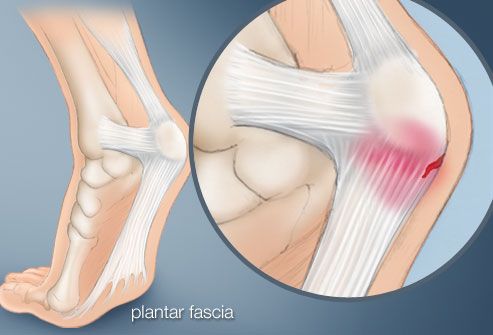
Heel Pain

illustration of heel pain

The most common cause of heel pain is plantar fasciitis, inflammation where this long ligament attaches to the heel bone. The pain may be sharpest when you first wake up and put pressure on the foot. Arthritis, excessive exercise, and poorly fitting shoes also can cause heel pain, as can tendonitis. Less common causes include a bone spur on the bottom of the heel, a bone infection,  tumor, or  fracture.

Labels: , , , , , , , , , ,

Wednesday, April 25, 2012

‘Breast cancer is actually 10 different diseases’


 Breast cancer is "not one disease, but 10 different diseases", according to a 'landmark study' that could revolutionize its treatment.

An international team of researchers that analysed breast cancers from 2,000 women said the classifications could help improve treatment by tailoring drugs for patients' exact type of breast cancer and also predict survival more accurately. It will take at least three more years for the findings to be used in hospitals, the researchers said.

In the study, published in the journal Nature, the team analysed genetics of frozen breast cancer samples from 2,000 women at hospitals in the UK and Canada. They looked in huge detail at the genetics of the tumour cells - which genes had been mutated, which genes were working in overdrive, which were being shut down.

They found that all the different ways the cells changed when cancerous could be grouped into 10 different categories, named IntClust one to 10. Each tumour within a particular group shares similar genes and different women with the same type have similar odds of survival.

"Breast cancer is not one disease, but 10 different diseases," lead researcher professor Carlos Caldas, was quoted as saying by the BBC News.

He added, "Our results will pave the way for doctors in the future to diagnose the type of breast cancer a woman has, the types of drugs that will work and those that won't, in a much more precise manner than is currently possible."

At the moment, breast cancers are classified by what they look like under the microscope and tests for "markers" on the tumours. Those with "oestrogen receptors" should respond to hormone therapies, while those with a "Her2 receptor" can be treated with Herceptin.

The vast majority of breast cancers, over 70%, should respond to hormone therapies. However, their reaction to treatment varies wildly. "Some do well, some do horribly. Clearly we need better classification," said Caldas.

Dr Harpal Singh, of Cancer Research UK that funded the study, said, "This study will change the way we look at breast cancer, it will have an enormous impact in diagnosing and treating breast cancer."

He added the charity would begin using the new criteria in clinical trials it funded. Outside of trials for new cancer drugs, the new breast cancer rulebook could take some time to directly benefit patients.

Labels: , , , , ,

Wednesday, August 10, 2011

Multiple Myeloma

Multiple myeloma is cancer of the plasma cells in bone marrow.

Symptoms

  • Bleeding problems
  • Bone or back pain
  • Increased susceptibility to infection
  • Symptoms of anemia (such as tiredness, shortness of breath, and fatigue)
  • Unexplained fractures

Causes & Risk Factors

Plasma cells help the body's immune system fight disease by producing substances called antibodies. In multiple myeloma, plasma cells grow out of control and form tumors in the bone marrow.
The excess growth of plasma cells interferes with the body's ability to make red blood cells, white blood cells, and platelets. This causes anemia, which makes a person more likely to get infections and have abnormal bleeding.
As the cancer cells grow in the bone marrow, they can cause pain and destruction of the bones. If the bones in the spine are affected, it can put pressure on the nerves, resulting in numbness or paralysis.
Multiple myeloma mainly affects older adults. A history of radiation therapy raises your risk for this type of cancer.

Tests & Diagnostics

Blood tests can help diagnose this disease. They may include:
Bone x-rays show fractures or hollowed out areas of bone. If your doctor suspects this type of cancer, a bone marrow biopsy will be performed.

Treatments

The goal of treatment is to relieve symptoms.
People who have mild disease or a questionable diagnosis are usually carefully monitored without treatment. Some people have a slow-developing form of multiple myeloma that takes years to cause symptoms.
Treatment begins when the disease becomes worse or causes symptoms.
Chemotherapy and radiation therapy may be performed to relieve bone pain or treat a bone tumor.
Bone marrow transplantation in younger patients has been shown to increase disease-free and overall survival, but it has significant risks.
Medications for multiple myeloma include decadron, melophalan, thalidomide,lenalidomide (Revlimid), and bortezomib (Velcade). Bisphosphonates are used to prevent fractures.
People with multiple myeloma should drink plenty of fluids to preventdehydration and help maintain proper kidney function. They should also be cautious when having x-ray tests that use contrast dye.
Chemotherapy and transplants rarely lead to a permanent cure.


Labels: , , , , , , , , , ,

Wednesday, February 16, 2011

Don't ignore cuts, even minor ones can trigger a tumor


Mo natter how small it may be, don’t ignore a cut, for even a minor fissure could trigger a tumour, a new study has revealed.
An international team, led by Sunny Wong at University of California, has carried out the study and found a minor cut may be all which is needed to rouse dormant cancer cells into forming a tumour, the New Scientist reported.
To investigate how cancerous genetic mutations become tumours, researchers engineered mice to express a human cancer gene in hair follicle stem cells.
They then sliced a small patch of skin on some of the mice, while leaving the others unharmed. Only the wounded mice developed tumours, which were clustered around their injury, the findings revealed.
When skin is cut, hair-follicle stem cells migrate to the injury. The researchers say that pre-cancerous cells can lie dormant in the body until a trigger, such as radiation or a build up of mutations, pushes them into forming a tumour. “In this case, wounding got cancerous cells out of their resting phase,” Wong said.
Michael Kasper, who studies injury and cancer in the lungs at Dresden University of Technology in Germany, was impressed with the study. “This is a very nice, well-designed paper bringing more light into the striking relationship between processes of wound healing and cancer development,” he said. The findings have been published in the Proceedings of the National Academies of Science journal.
Several cancers are associated with injuries, such as Marjolin’s ulcer, a type of tumor that can develop after war injuries, but this is the first study to suggest injuries could be involved in the development of some skin cancers.
Jeremy Reiter, a biochemist at the University of California, San Francisco, said, over the past 10 years, more and more scientists have begun to think that cancers are wounds gone awry.”


Labels: , , , , ,