Wednesday, March 18, 2020

Night Leg Cramps Causes, Treatment and Prevention

About 60% of adults and nearly 7% of children suffer from occasional or frequent leg cramps at night, and few things are as unpleasant as waking up in the middle of the night with a sudden, sharp pain stretching through your leg, foot or calf. It doesn’t just wake you up at night either, as the pain can linger for hours and the affected muscle can feel tender and sensitive all day.
Luckily, it usually stops after a day, but even so, it’s often a recurring problem. These nightly cramps, however, are not completely random, and they’re usually a sign that something’s wrong with your health or lifestyle. Here are the common causes of leg cramps, as well as a few tips on how to treat and prevent them.
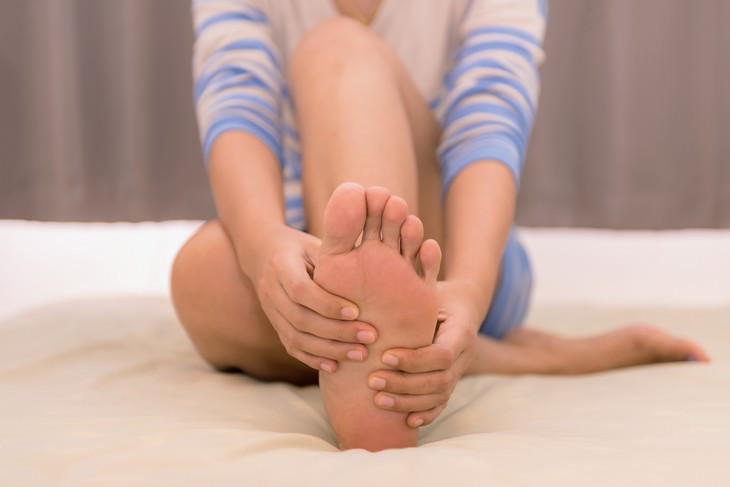
night leg cramps woman massaging foot
The Causes of Night Leg Cramps
The reason why you’re experiencing a leg cramp is clear: one of the muscles in your leg, typically the calf muscles, thigh muscles or the hamstrings contract involuntarily, but the underlying cause of this reaction is more nuanced, with many health conditions, medications and lifestyle choices playing a role in the process. The following are the most common causes of night leg cramps:

1. A Sedentary Lifestyle and Wrong Body Positions

night leg cramps sitting one leg on top of the other
Office workers commonly experience leg cramps at night, which is brought about by the underactive lifestyle many of them have. Sitting in the car on the way to work, sitting all day at the office, which is then followed by even more sitting on the couch 5 days a week year-round can shorten one’s leg muscles, which, in turn, makes them more vulnerable to injury and cramping.
Similarly, if you have the habit of sitting with your legs crossed, one leg on top of the other or with your toes pointed for long periods of time, this, too, can decrease blood flow and shorten the muscles, causing night leg cramps.

2. Flat Foot
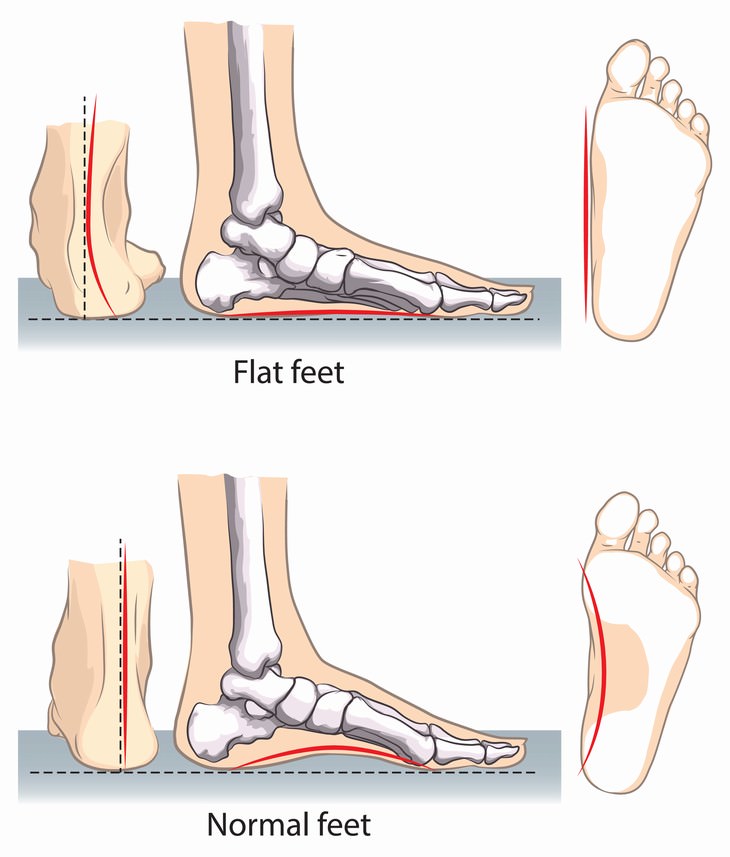
night leg cramps flat foot
Flat foot is a condition where the arches of the feet are too small or barely existent, which can make your legs hurt, swell and feel tired more quickly when walking. Some patients suffering from flat foot can experience frequent foot cramps or leg cramps at night, which are caused by the abnormal alignment of bones and the overstretching of certain leg muscles.

3. Metabolic Issues and Chronic Disease, Such as Diabetes or Kidney Failure

Many chronic and acute conditions can cause night leg cramps. These conditions include:
  • Kidney disease and kidney failure
  • Adrenal problems
  • Thyroid conditions
  • Liver problems and particularly cirrhosis 
  • Diabetes
  • Cardiovascular diseases.
Most people suffering from one of these conditions would typically undergo some sort of treatment already, and improving your overall health will likely decrease your likelihood of getting leg cramps.

4. Structural Changes
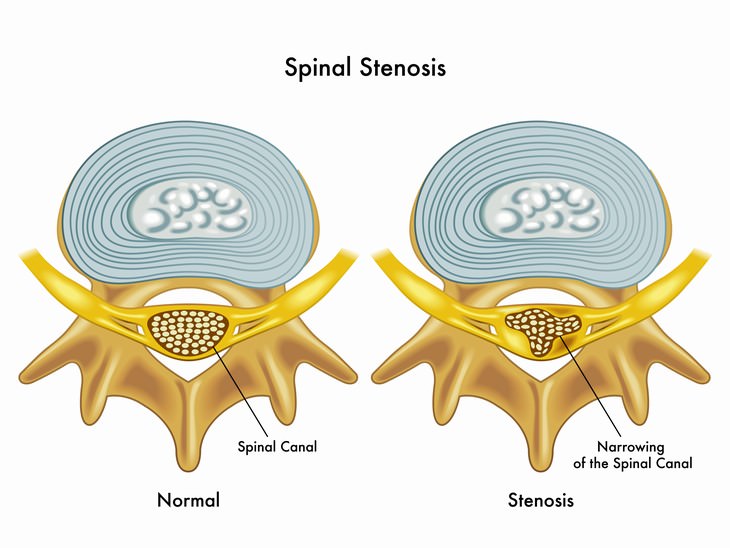
night leg cramps spinal stenosis
Decreased blood flow or nerve connectivity in the legs can make you more prone to night cramps, too.
The most common cause of circulatory deficiency in the legs is Peripheral artery disease (PAD), a condition in which the arteries that supply your legs with blood become narrower, typically due to atherosclerosis, which restricts the quantity of blood that can reach your legs and feet, causing leg pain, especially when walking long distances, but can also cause numbness, coldness of the feet, erectile dysfunction in men and night cramps.
Lumbar spinal stenosis, a condition where the spine becomes narrower in the lower back and causes nerve damage or pressure on the nerves, too, can manifest itself in more frequent cramps, as well as pain, weakness, and numbness in the legs.

5. Overexertion

One of the most common causes of leg cramps is actually too much muscle strain, with many athletes suffering from frequent night cramps in their legs or feet, especially after they start training more heavily than they used to.
Standing for long periods of time, too, can fatigue your leg muscles and cause leg cramps.

6. Certain Medications

Leg cramping, including nightly cramping, is a commonly-listed side effect of many medications. The most common types of drugs associated with muscle cramping are:
  • Blood pressure medications
  • Statin drugs
  • Oral contraceptives
  • Dialysis
  • Diuretics.

7. Neurodegenerative Diseases or Nerve Damage
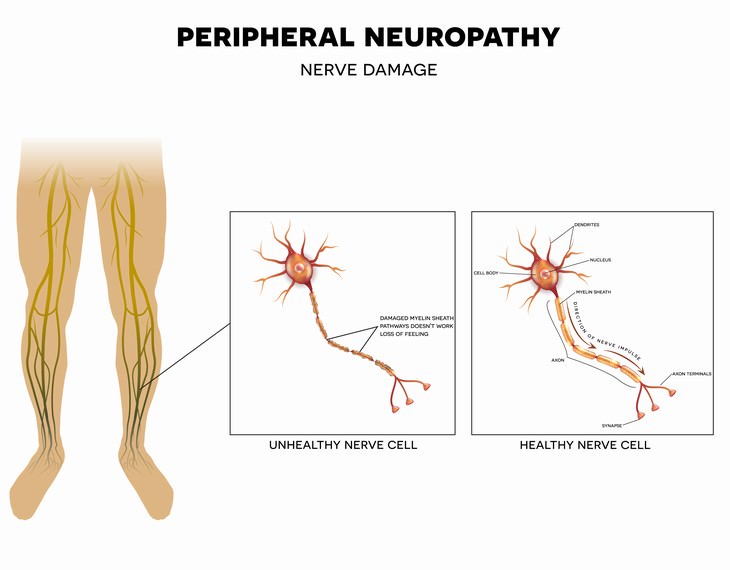
night leg cramps peripheral neuropathy
Any type of nerve damage in the lumbar region, the spinal cord or the legs may make you more prone to cramps. Chemotherapy, for example, can sometimes cause nerve damage, as do neurodegenerative diseases, such as Parkinson's and neurological disorders, such as peripheral neuropathy.
Unfortunately, recovery from nerve damage is very slow and time-consuming, and even if you’re undergoing some sort of treatment, chances are, you’ll be stuck with cramps and other symptoms for a while or permanently.

8. Normal Body Changes

Whether temporary or permanent, changes in your body can cause leg cramping as well. Statistical data shows that women are more prone than men to suffer from night leg cramps in general, but pregnant women are even more likely to do so than the rest. This is likely due to muscle fatigue brought about an increase in weight, higher nutritional requirements, and hormonal changes.
Similarly, aging increases one’s risk of suffering from leg cramps as well, with a reported 33% of individual past the age of 50 experiencing chronic night leg cramps. Chronic diseases may account for this part of these cases, but there is also a theory that the tendons, the supportive tissue joining our muscles and bones, which have a tendency to shorten over time, may account for more frequent cramp cases as well. 
Prevention of Night Leg Cramps
As you can see, many conditions and other factors may predispose you to frequent night cramps. Fortunately, there are also preventative measures you can take that will compensate for the damage done and will ensure you have a painless good night’s sleep.
One of the best, and also the easiest things you can do to prevent night leg cramps is light exercise, especially if you know that you don’t get enough exercise during the day. Just half an hour of walking, biking or mild leg stretches can significantly decrease your risk of getting a leg cramp at night.
Secondly, you should always keep an eye on your daily fluid intake, as hydration is essential for muscle health, especially if you strain your muscles a lot.
Finally, it’s also worth taking a closer look at your sleeping position and footwear. Choose footwear that will support the arches of your feet without being too tight. Also, avoid sleeping with your feet pointing down, try sleeping on your side with a pillow or blanket tucked between your legs instead. For the same reason, don’t tuck yourself in too tight at night and opt for loose blankets and sheets to encourage a natural curve of your feet while you sleep.
Treating a Leg Cramp
In terms of treatment, there is no difference between a leg cramp that occurred at night and any other leg cramp. Here's what you can do to manage the symptoms:
  • Gently massage and stretch out the muscle that hurts to loosen the tightness.
  • Some people report that their symptoms fade faster if they apply a heating pad on the affected area or take a hot bath or shower.
  • A little weird but sometimes effective method a lot of people swear by is drinking a small quantity of pickle juice.
  • Finally, if your calf muscle was affected, you can try walking on your heels for a few minutes, which will relax your calves by activating the opposite muscles.
Note: if muscle cramps are frequent, extremely painful, accompanied by muscle weakness and don’t go away after a day, you should consult a doctor as soon as possible.
This is only for your information, kindly take the advice of your doctor for medicines, exercises and so on.     

https://gscrochetdesigns.blogspot.com. one can see my crochet creations  
https://gseasyrecipes.blogspot.com. feel free to view for easy, simple and healthy recipes    
https://kneereplacement-stickclub.blogspot.com. for info on knee replacement


Labels: , , , , , , , , , , , , ,

Saturday, November 30, 2019

The reason why your asthma gets worse at night

There is nothing more annoying than having your sleep disrupted at night. But if you are suffering from asthma then waking at night coughing and wheezing might be an everyday affair. 

Dealing with asthma is not an easy task, but for some people, it even gets worse at night. Nighttime coughing, wheezing, and breathlessness that disturb your sleep is referred to as Nocturnal asthma. This can make you feel tired and irritated during the day. Most of the people ignore it but nocturnal or nighttime asthma is very serious and needs effective treatment.

Why this happens
There is more than one reason that can make your asthma worse at night. 


1. Internal Triggers
Some people have breathing attacks at night and they wake up gasping for air. Studies suggest that it can be due to some internal triggers.

2. Sleeping position
When we sleep our airways tend to narrow down, the volume of blood in the lungs increases and drainage from your sinuses increases, all these things can trigger asthma at night.

3. Air Conditioner
Cold air leads to loss of moisture in airways that can trigger asthma. You might have to wake up more than once at night if you are sleeping in an air-conditioned room. This problem intensifies during the winter season.

4. Dust particle
If your mattress, pillows, and blankets are covered with dust mites then you might have a problem at night. Pet hair is another common asthma trigger.

5. Mould
Check your room for damp patches as mould can cause irritation in your air passage and can disturb your sweet slumber.

The bottom line
If you are suffering from asthma then you have to be a little careful. Keep your surroundings clean and do not sleep in cold rooms. Apart from this, always keep your inhaler beside your bed before you go to sleep.

If your problem is intense then see your doctor. He might make some tweaks in your medicines. Ignoring the symptoms of nocturnal asthma might be dangerous for your health.


this is only for your information, kindly take the advice of your doctor for medicines, exercises and so on.     
https://gscrochetdesigns.blogspot.com. one can see my crochet creations  
https://gseasyrecipes.blogspot.com. feel free to view for easy, simple and healthy recipes    
https://kneereplacement-stickclub.blogspot.com. for info on knee replacement


Labels: , , , , , , , , , ,

Thursday, November 29, 2018

What your sleep position might mean for your health

Everyone from scientists to mental health professionals agree that getting a good night’s sleep is one of the most important things you can do for your well-being. 

You’ve probably heard the arguments for getting eight to 10 hours of shut-eye every night, and you’ve committed yourself to at least attempting to snooze more. But what you may not know is that your slumbering position can be just as important as how much you sleep, and it can tell you some pretty significant things about your health and habits.

Whether you snooze on your side or are a hard-core on-the-back relaxer, here’s what your sleep position is trying to tell you about your body.

If you sleep on your back

There’s a reason why every yoga class ends with savasana. According to some experts, being on your back is one of the better ways to relax. “The reason it’s an excellent position is that there’s no compromise of any circulation,” says sleep expert. “Everything is free to flow.” 
 
But if sleeping on your back is has you feeling more “ouch!” than “om,” your body could be trying to tell you something. A sleep disorder coordinator , says an issue called “positional sleep apnea” can be triggered when you’re on your back. “When someone is lying on her back, gravity alone is going to weigh her down,” she explains. “So if they have, let’s say, extra soft tissues in their throat due to fatty cellular buildup or a disproportionally large tongue, that can actually close up their airways and cause them to choke and/or snore.” Gastrointestinal and back issues can also make this position uncomfortable, so listen to your body if it’s begging you snooze on the flip side. 

According to  a dentist who specializes in sleep apnea, over 50 percent of the population suffers from these sleep-related issues and should thus be wary of spending an entire night on their backs. “I would never recommend the back,” she says. If you’ve gotta do it, she suggests sleeping with a 30- or 45-degree wedge to prop yourself up.

If you sleep on your side

If you’re an in-between-y sleeper, it may have more to do with what you’re resting on than what you’re body is trying to say. “In Ayurveda, the side that you lay on will activate a specific hemisphere of the brain,” says a researcher. There’s some debate over which side is better (the right side can cause acid reflux, while the left has been linked to nightmares, says  a dentist specializing in sleep apnea), but the Dr. notes that regardless of whether you’re a left-y or a right-y sleeper, it’s critical that you invest in the right pillow. 
“Sleeping position is married to your mattress quality and pillow formation or size,” she says. “Depending on how you sleep most of the time should impact your pillow, that it’s not too thick or too thin.” If you’re a side sleeper who’s waking up with a sore neck, it may be time to treat yourself to a new pillow or to consider a reposition.

If you sleep in the fetal position

If you’re sleeping like a baby when you’re… sleeping like a baby, you’re in good company. More than 40 percent of the population favors the fetal position. If you’re in that group, the Dr. recommends a gentle, not-too-tight fetal position so your organs can function properly throughout the night.
However, not everyone agrees. “The problem with the fetal position is that so much circulation is compromised, and that’s not great for your blood flow,” says another expert. If you are planning to snuggle up on your side, make sure you’re not crunching up your body, and be sure to protect your neck and back by keeping your head slightly propped up and bending your legs together.

If you sleep on your stomach

Tummy time may be an adorable activity for infants, but it can be a problem for adults. Your stomach is probably the worst way to sleep because it’s hard on your back,” says the Dr. Stomach sleeping can reduce snoring, but so can a humidifier without messing up your spine. If you’re a stomach sleeper looking to change your ways, Dr.  suggests strapping tennis balls under the front of your T-shirt (yes, really) to keep you from rolling into the position in the middle of the night. 

THIS IS ONLY FOR INFORMATION, ALWAYS CONSULT YOU PHYSICIAN BEFORE HAVING ANY PARTICULAR FOOD/ MEDICATION/EXERCISE/OTHER REMEDIES.                                                                                                                                                                                                                                                                                        PS- THOSE INTERESTED IN RECIPES ARE FREE TO  VIEW MY BLOG-                                                                                           https://gseasyrecipes.blogspot.com/                                                                                                                                                                             FOR INFO ABOUT KNEE REPLACEMENT, YOU CAN VIEW MY BLOG-                                                                                                                             https:// kneereplacement-stickclub.blogspot.com/                                                                                       FOR CROCHET DESIGNS                                                                                                                                                                                                                                 https://gscrochetdesigns.blogspot.com


Labels: , , , , , , , , ,

Friday, July 10, 2015

Good SLEEPING POSITIONS

This Week in Health Tips!
THIS IS ONLY FOR INFORMATION, ALWAYS CONSULT YOU PHYSICIAN BEFORE HAVING ANY PARTICULAR FOOD/ MEDICATION/EXERCISE/OTHER REMEDIES.


PS- THOSE INTERESTED IN RECIPES ARE FREE TO VIEW MY BLOG-
HTTP:GSEASYRECIPES.BLOGSPOT.COM


FOR INFO ABOUT KNEE REPLACEMENT, YOU CAN VIEW MY BLOG
HTTP://KNEE REPLACEMENT-STICK CLUB.BLOGSPOT.COM/

FOR CROCHET DESIGNS- http://My Crochet Creations.blogspot.com/

Labels: , , ,