Wednesday, October 20, 2021

How to Choose the Best Cooking Oils for Every Task

The mutual ingredient in any recipe, be it a salad, dessert, sauce, soup or a main dish are cooking oils. They’re just essential in any kitchen, there’s no way around it, and knowing which oil works best for which task can become the card up your sleeve that will elevate your cooking skills from average to profound. Not pairing cooking oils to a specific dish, on the other hand, can ruin its taste and texture, as anyone suffering a fiasco after trying to crisp up French toast using butter will know.
In order to know which oil to use in which case, you’ll have to know a little science, as the smoke point of a specific oil variety is what makes it suitable for a specific task. The general rule is the higher the smoke point of an oil, the crispier the result. 
 
That’s why oils with a high smoke point, such as avocado oil, ghee, refined olive, and peanut oil, are typically used when high temperatures are involved and are best for frying, grilling, and roasting. Oils with lower smoke points, e.g. butter, shortening or linseed, on the other hand, will never yield a crispy crust at high temperatures. 
 
Another thing to consider is the taste of the oil, with sweeter or neutral oils like butter and sunflower oil being more suitable for baking desserts, whereas more fragrant oils, e.g. pumpkin seed oil, sesame oil, and extra virgin olive oil shine the most as an ingredient in salad dressings, sauces, and dips.
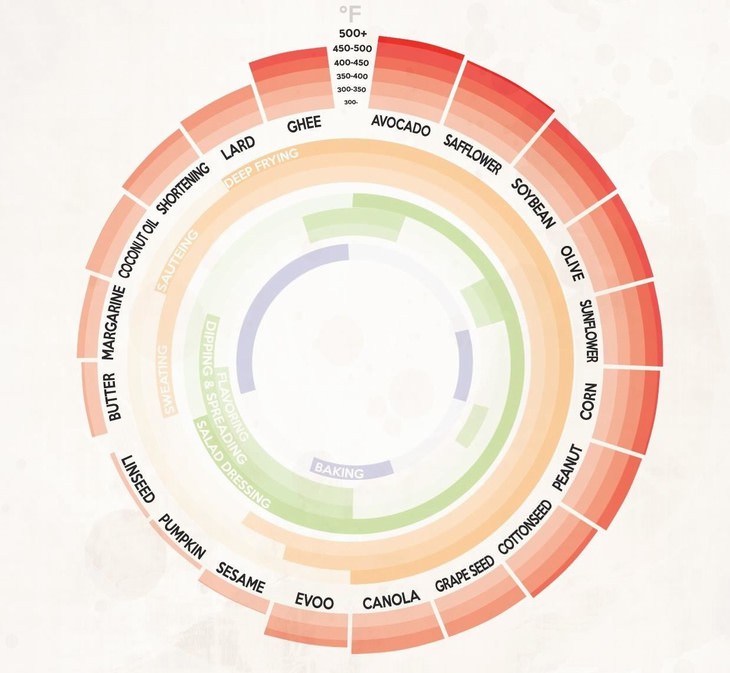
Cooking Oils For Every Task chart
The last thing to consider is the degree of refinement: refined oils typically have a higher smoke point than their virgin counterparts. So, extra virgin olive oil, for instance, will be best suited for salads and dressings, whereas refined olive oil will be perfect for baking, roasting and sauteing. 
 
Also, don’t forget that you can always mix several oils together to get a blend that will yield your desired results and taste. Returning to the example of French toast, I typically mix butter and grape seed oil to get perfectly crispy, and yet rich and buttery French toast. 
 
The chart above explains the best application for several popular oil varieties. Below we list the best cooking oils for each culinary task, be it flavoring, baking, roasting or frying.

The Best Oils For Cool Dishes
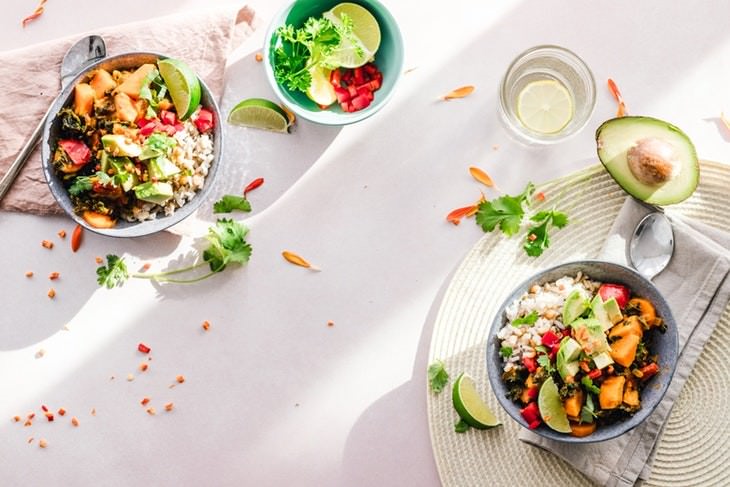
Cooking Oils For Every Task salad
Salads, dips, marinades, and dressings are the most receptive of interesting, fragrant oils that have a relatively low smoke point. These oils include unrefined peanut oil, extra virgin olive oil, sesame oil, linseed or pumpkin oil. 
 
When choosing a specific type of oil, consider its flavor, texture, and color. Unrefined coconut oil, for instance, will have a strong coconut taste and will impart that taste onto the dish, which may not benefit all salads or marinades.

The Ultimate Cooking Oils for Cooking at High Temperatures (Roasting, Searing and Frying)
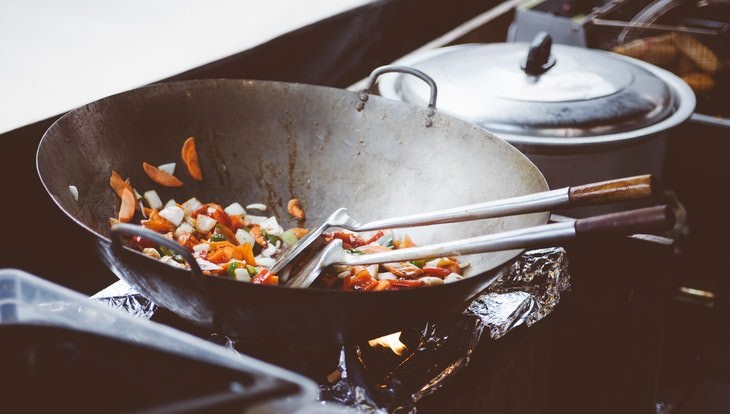
Cooking Oils For Every Task stir fry
As we mentioned previously, you’ll need an oil that has a high smoke point to yield that crispy, caramelized crust. These oils include refined avocado oil, which has the highest smoke point, but also other refined oils, like peanut, olive, sunflower, vegetable and coconut oil. 
 
Since these oils are all refined, they typically have a very neutral flavor profile and can be used interchangeably.  
 
These Oils Are the Best Cooking Oils for Stewing and Sauteing
Sauteing, preparing a sauce or stewing requires longer cooking times over medium to low temperatures and so oils with medium to high smoke points are perfect to achieve this task. These oils include olive oil, canola or vegetable oil, sesame oil, avocado oil, grape seed oil, sunflower, corn oil, and others. 
 
Choose the one you like the most, one that fits your taste and budget, and maybe consider how healthy a certain cooking oil is as well since some oils have associated health benefits, whereas others, such as vegetable oils, grease or margarine, have a bad rep. 
 
The Best Cooking Oils for Baking
Baking doesn’t typically require a high smoke point, but a neutral or slightly sweet flavor profile will be essential for baking, especially for desserts. That’s exactly why adding olive oil instead of shortening, even just to grease the pans when making desserts is a big mistake. Instead, choose a neutral oil such as canola, shortening, butter, margarine, virgin coconut or avocado oil for baking.


This is only for your information, kindly take the advice of your doctor for medicines, exercises and so on.   

https://gscrochetdesigns.blogspot.com. one can see my crochet creations  
https://gseasyrecipes.blogspot.com. feel free to view for easy, simple and healthy recipes    
https://kneereplacement-stickclub.blogspot.com. for info on knee replacement

Labels: , , , , , , , , , , , , , ,

Sunday, August 18, 2013

Top healthy cooking tips & eating habits

If you want to slim down by year end or simply want to get healthy, you don't have to adopt a stringent lifestyle or stay away from your favourite dessert.

Instead, you just have to modify your basic recipes and change your cooking methods. A Dr. shares some easy ways to cut calories and burn fat, with these simple cooking techniques.

Healthy cooking tip # 1:
Keep your fats to a minimum. Dr. says, 'you don't have to completely stay away from fats, just keep it to a minimum. Also, choose unrefined natural fats like nuts, seeds, fish soy, olives and avocados, because they contain omega-3 fatty acids, which are very beneficial for a healthy body.

Healthy cooking tip # 2:
Use skimmed milk or cow's milk instead of full fat milk. If you want to indulge in some curd or yoghurt, choose those made from skimmed milk.

Healthy cooking tip # 3:
Include more stir-fry recipes in your diet: Stir-fried vegetables cook quickly and retain their crunch (and associated nutrients). Saute or stir-fry without oil in a good non-stick skillet or wok. Simply heat your skillet before adding the food. You may need to add a tablespoon or more of water or broth to prevent sticking and stir often. Covering the pan will also help the vegetables cook faster.

Healthy cooking tip # 4:
Modify your cooking style to baking, braising, broiling and grilling, poaching, roasting, sauteing, steaming and stir-frying. All these methods are very healthy and safe.


Healthy cooking tip # 5:
Modify or eliminate recipes that include butter or those that need you to deep fry or saute the ingredients in animal fat, because this can cause great harm to your health.

Healthy cooking tip # 6:
Use non-stick cooking pans, as you don't have to use a lot of oil and butter to cook a meal.

Healthy cooking tip # 7:
Want to cut down on the amount of fat you use while cooking, then using cooking spray (a spray form of an oil as a lubricant, lecithin as an emulsifier) or apply a small amount of oil with a pastry brush.

Healthy cooking tip # 8:
Instead of randomly adding salt to your food, first taste your food. Add a splash of olive oil, vinegar or lemon juice close to the end of cooking time or to cooked vegetables - it can enhance flavours in the same way as salt does.


Healthy cooking tip # 9:
Instead of using oil, trying cooking in liquids like stock, wine, lemon juice, vinegar or just water. All these variants are very healthy and you will reduce your oil consumption.

Healthy cooking tip # 10:
Eat more fish, which is high in protein, low in fats and loaded with essential omega-3 fatty acids.

Healthy cooking tip # 11:
Use low-fat yoghurt, low-fat milk, evaporated skim milk or cornstarch instead of using cream in sauces or soups.

Healthy cooking tip # 12:
To minimise your intake of salt, choose fresh or frozen vegetables, since canned and pickled vegetables tend to be packed in salt, which can led to high blood pressure.

Healthy cooking tip # 13: 

Remove chicken skin and trim the fat from meat, to cut calories and be healthy.

Healthy cooking tip # 14:
If you want to brown, your veggies then put them in a hot pan and spray them with oil. This reduces the amount of oil that vegetables absorb during cooking. Another option is to first cook in the microwave, then grill them for a minute or two.

Healthy cooking tip # 15: 

Reduce your use of soy sauce, tomato sauce and processed sauces and condiments, for dressing, because they contain high levels of salt.


Healthy cooking tip # 16:
Replace oil or margarine while baking: Mashed or pureed tofu can replace oil when baking. Flax meal can also be used to replace all or some of the oil in a recipe. The substitution ratio is three parts flax seed meal for every part oil or fat you are replacing. For example, for 15 mL (1 Tbsp) of fat to be replaced, use 45 mL (3 Tbsp) of flax seed meal. Baked goods with flax as a fat replacer tend to brown more quickly than regular recipes. Apple sauce may be used in cakes, cookies, and other sweet baked goods to replace oil or margarine.

Healthy cooking tip # 17:
To minimise your salt intake, avoid salt-laden processed foods like flavoured instant pasta or noodles, canned or dehydrated soup mixes, chips and salted nuts.

Healthy cooking tip # 18:
To minimise the loss of water-soluble vitamins, scrub vegetables rather than peel them, as many nutrients are found close to the skin. Microwave or steam vegetables instead of boiling them. If you like to boil vegetables, use a small amount of water and do not over boil them.


Healthy cooking tip # 19:
Use of herbs and spices: Culinary herbs are leafy plants that add flavour and colour to all types of meals. They are also rich in health-protective phyto-oestrogens. In many cases, herbs and spices can replace the flavour of salt and oil.

Healthy cooking tip # 20:
Herbs are sparingly flavoured, in order to retain the taste, add them to your cooking in the last few minutes.


Tip # 21
Avoid using food colours, ajinomoto while cooking, as these are carcinogens  that means can cause cancer.

Tip # 22
Always wash thoroughly, then cut vegetables just before you start cooking, as they won't lose their nutrients.

Tip # 23
When you use curry leaves, which are rich source of Vitamin E, good for skin & hair, make sure that you chop them fine, fry in minimum oil, as they're fat soluble Vitamins, so vitamins get absorbed & people won't discard them, than when used whole for seasoning.

Tip # 24
Adding baking soda while frying, makes you lose Vitamin B from the food, better to use some corn flour or rice flour or semolina to make foods crispier.


ps- this is only for information, always consult you physician before having any particular food/ medication/exercise/other remedies.

ps- those interested in recipes are free to view my blog-

http://gseasyrecipes.blogspot.com/

for info about knee replacement, you can view my blog-

http://Knee replacement-stick club.blogspot.com/

for crochet designs

http://My Crochet Creations.blogspot.com/

Labels: , , , , , , , , , , , , , , , , , , ,