Thursday, November 30, 2023

This Side Effect Is Often Confused for Dementia in Seniors

As we age, the list of medications we have to take on the daily to maintain a healthy and active life begins to lengthen. At the same time, the ability of the body to compensate for the side effects of these medications decreases with age, and some medications may start making us more confused, drowsy and apathetic - a side effect known by the name ‘medication fog’. 
 
The problem is that many patients, caregivers, and even doctors can overlook the probability of medication fog, and tend to link the above-mentioned symptoms with a neurodegenerative disease that exhibits identical symptoms - dementia. To learn more about medication fog and how to distinguish it from dementia, continue reading. 
 
What Is Medication Fog?

Many common medications have an anticholinergic effect on the brain, meaning that they reduce or interfere with the way our nerves function. When we’re young, our nerve cells are capable of compensating for those effects, and so we don’t feel like our brain is essentially “slowing down”, but with age, we notice the effect of medication on our cognitive health more and more.

Several of these medications, even those we could previously take, can manifest themselves in the following symptoms: 
 
Difficulty concentrating 
 
Dizziness 
 
Confusion 
 
Drowsiness. 
 
These side effects together create the medication fog. 
 
Unfortunately, with age, one’s risk of dementia also increases, and many cases of medication side effects end up being misdiagnosed as dementia. Note that some of these medications can also worsen dementia symptoms in those who do suffer from the condition.

As you may imagine, pinpointing “medication fog” can be difficult, especially if you’re on several medications already. And most seniors are. The average American senior between the age of 65 and 69 takes 14 different prescription medications, and this number rises to 18 in the age range of 80-84. These statistics are very similar in other countries, and it makes sense because many older adults are in dire need of daily medication. However, with such a high number of pills and other treatments one needs to take daily, it becomes increasingly difficult to track the side effects of each medication.

Still, there are ways you and your doctor will be able to distinguish medication fog from dementia. To do so, ask yourself the following questions:

1. Did you start feeling worse once you started a new prescription medication or increased the dose of a medication you're used to taking?

2. Are your symptoms more pronounced shortly after you've taken an over-the-counter medicine, such as a painkiller or allergy medication?

3. Does a specific combination of medications you take on a specific day make you feel worse than usual?

If you answered 'Yes' to any of these questions, medications may be the cause of your cognitive symptoms. Consider discussing a specific medication or a combination of medications (even if they're over-the-counter) with your doctor. They will be able to help you replace the medication in question or adjust the dosage to make you feel better.

Which Medications Are Capable of Causing Medication Fog?
Anticholinergic drugs (those that treat an overactive bladder, lung issues, excessive sweating, etc.) are the main culprit behind medication fog, according to the recently updated list of such medications by the American Geriatrics Society, but many other meds, even those available over-the-counter and nutritional supplements can cause this side effect. These medications include: 
 
 Painkillers 
 
 Sleep medications 
 
Antidepressants 
 
Antihistamines and allergy medications 
 
Muscle relaxants Stomach acid treatments, and others.

To access a certain drug's capacity to affect your cognitive health, you can look at the listed side effects of the medication on the leaflet that comes with the medicine or search for the information on medical apps and websites. You can also discuss the question with your doctor: simply compile a list of the meds you're currently taking (including OTC medications and supplements) and tell your doctor about the symptoms you're experiencing. Chances are that adjusting the dosage or replacing some medication could improve your cognitive health and decrease the symptoms of medication fog.


This is only for your information, kindly take the advice of your doctor for medicines, exercises and so on.   

https://gscrochetdesigns.blogspot.com. one can see my crochet creations  
https://gseasyrecipes.blogspot.com. feel free to view for easy, simple and healthy recipes    
https://kneereplacement-stickclub.blogspot.com. for info on knee replacement
https://cancersupportindia.blogspot.com  for infor on cancer and health related topics
https://GSiyers home remedies.blogspot.com   is the latest addition to my blogs. I'm going to add posts there, do give me your valuable feed back on my blogs. Thanks a lot, take care, be healthy and be happy.

Labels: , , , , , , , , , , ,

Wednesday, April 28, 2021

These Habits Are Damaging Our Kidneys!

It's hard to notice when we do our kidneys harm. Even if 80% damaged, kidneys can still do their job, and so we rarely realize they're struggling. Often, even common daily habits can cause your kidneys continual damage, and when you finally discover something's wrong, it's too late.

Our kidneys are incredible organs that work very hard. By themselves, they absorb minerals and nutrients, produce hormones, act as a filter for toxins in our blood, produce our urine and maintain a normal acid to alkaline ratio. We cannot live without our kidneys functioning properly. The Chinese, for example, have looked at the kidneys as a site of essential life force for centuries.
If you're serious about looking after yourself, then taking care of your kidneys should be one of your primary concerns. If you want to make sure your kidneys thrive and continue to serve you in the coming years ahead, here's a helpful list of habits you should definitely avoid:

1. Drinking Soda  
A study conducted on employees working at Osaka University in Japan found that drinking 2 or more soda drinks a day (either diet or regular) may well be connected to a higher risk of kidney disease. The study included 12,000 people, and those who drank larger quantities of soda were found to have protein in their urine, which is one of the first signs of kidney damage. However, early detection can reverse the disease with proper treatment. 
 
2. A Deficiency in Vitamin B6 
The healthy function of our kidneys also depends on a healthy diet, especially one that contains certain nutrients. According to a study carried out at the University of Maryland, a vitamin B6 deficiency increases the risk of the formation of kidney stones. For healthy kidney function, a person should have at least 1.3 milligrams of vitamin B6 in their food every day. The best sources for this vitamin are fish, beef liver, potatoes, starchy vegetables, chickpeas and non-citrus fruits. 
 
3. Lack of Exercise 
Another good way of protecting your kidneys is to get some exercise. A comprehensive study published in 2013 in the Journal of the American Society of Nephrology found that postmenopausal women who exercised had a striking 31% less risk of developing kidney stones. 
 
4. Smoking  
Perhaps not surprisingly, smoking has been linked to atherosclerosis - the narrowing and hardening of blood vessels - which influences the blood supply going to all the major organs, including the kidneys. According to a study published in Clinical Pharmacology and Therapeutics, just smoking 2 cigarettes a day is enough to double the number of endothelial cells (the cells that line our blood vessel walls) present in your bloodstream. This is a sign of arterial damage. 
 
5. Magnesium Deficiency 
Magnesium helps our body to slow down the absorption of calcium. If we don't get enough magnesium, we get overloaded in calcium and, once again, develop kidney stones. To prevent this from happening, add some leafy vegetables, seeds, nuts or beans to your diet. Another good source of magnesium is fresh avocados. 
 
6. Not Drinking Enough Water  
One of the most important things for our kidneys is for them to get hydrated enough to perform their functions. If we don't get enough water in our system, toxins start accumulating in our blood because there isn't enough fluid to take them through the kidneys. The National Kidney Foundation recommends drinking at least 8 glasses of water every day. An easy way to check if you're drinking enough is to make sure your urine is a light color or clear. If it's dark, you're not drinking enough. You can check the color of your urine with this helpful guide. 
 
7. Not Emptying Your Bladder Fast Enough 
When you hear the call to pee, you should listen to it. Obviously, we're not always in the right situation to pee right when the need arises, but if you 'hold it in' on a regular basis, it will increase the pressure of urine on your kidneys, which can lead to renal failure or incontinence. 
 
8. Disrupted Sleep
I just love a good night's sleep and, as it turns out, so do my kidneys. According to Science Daily, a chronic disruption in our sleep can cause kidney disease. Dr. Michael Sole, Cardiologist and Professor of Medicine and Physiology at the University of Toronto, says kidney tissues get renewed during the night while we're sleeping, so when we can't sleep without constant interruptions, our kidneys suffer direct damage. 
 
9. Having Too Much Sodium in Our Diet  
Salt is an important nutrient, but it can cause a disaster when taken in excessive amounts. Over-consumption of sodium will raise your blood pressure and put a lot of strain on your kidneys. We recommend limiting yourselves to no more than 5.8 grams (0.2 ounces) of salt per day. So put down that salt shaker! 
 
10. Consuming Too Much Caffeine 
We usually drink more caffeine than we think we do. It's in coffee, tea, soft drinks and sodas - before you know it, your body is full of caffeine, which causes your blood pressure to shoot through the roof, and your kidneys to suffer damage. 
 
11. Consuming Too Much Protein  
According to a study conducted at Harvard University, an overdose of protein in our diet can cause our kidneys damage. When we digest protein, our body produces a byproduct - ammonia. Ammonia is a toxin that your already hardworking kidneys need to neutralize. This means that the more protein we consume, the harder we make our kidneys work, which can eventually lead to kidney failure. 
 
12. Abusing Pain-Killers 
Many of us have a daily routine of taking medications. When we suffer from pain, our first reaction is usually to swallow a pill. They do help the pain, but you should think twice before taking too many. All pharmaceutical drugs have side effects, and many of them cause kidney or liver damage. Check out some natural painkillers you can find or make at home. That said, some drugs SHOULD be taken, which brings us to my next point..
 
13. Not Taking Certain Drugs You Need  
If you suffer from high blood pressure and/or type 2 diabetes, two very common conditions these days, you will probably also suffer kidney damage. Don't leave these conditions untreated - take your daily meds to reduce your blood pressure and control your insulin levels. Without them, you're almost guaranteed to suffer kidney damage. 
 
14. Not Treating Common Infections 
Sometimes, we all get lazy and ignore a simple cold or a flu, which can push our body to the brink of exhaustion. Studies have shown, however, that people who do not rest or treat their infections often end up with kidney disease. 
 
15. Consuming Too Much Alcohol  
Now this is a no-brainer. The toxins in alcohol not only damage the liver, like many believe, but they are also something your kidneys simply hate to deal with. According to Kidney Health Australia and the American Kidney Fund, one good way of avoiding kidney failure is drinking alcohol in moderation.


This is only for your information, kindly take the advice of your doctor for medicines, exercises and so on.     

https://gscrochetdesigns.blogspot.com. one can see my crochet creations  
https://gseasyrecipes.blogspot.com. feel free to view for easy, simple and healthy recipes    
https://kneereplacement-stickclub.blogspot.com. for info on knee replacement


Labels: , , , , , , , , , , ,

Sunday, May 12, 2019

Why diabetics shouldn't neglect kidneys

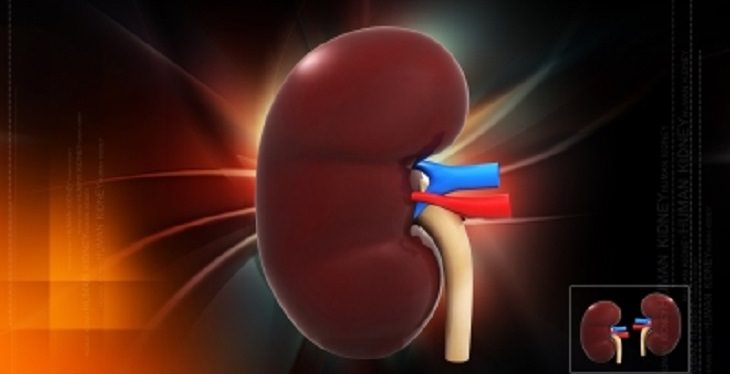
The kidneys are bean-shaped organs that are located near the middle of the back, just below the rib cage with one on each side of the spine. Kidneys are responsible for many essential regulatory roles, including filtering the blood to keep it clean and chemically balanced; production of a hormone called erythropoietin. One of the most important is the removal of waste products from the blood, which comes from food and the normal breakdown of active tissues, such as muscles.

The kidneys also produce hormones that support the function of other organs in the body, including hormones erythropoietin that supports the production of healthy red blood cells.

Does kidney play an important role in diabetes management?

In all textbooks, it is mentioned that the liver is the exclusive site of glucose production in humans. Unfortunately, over the years the kidney has been overlooked as an important player in glucose metabolism. Kidney has a key role in maintaining glucose homeostasis and is adversely affected by hyperglycemia and insulin resistance in the setting of diabetes mellitus. Although the liver is commonly viewed as being largely responsible for the increased release of glucose in diabetic patients. Kidneys also increase the release of glucose into the circulation in the fasting state. Normally each day, approximately 180 g of glucose is filtered by the kidneys.

Diabetes and hypertension have become the most common causes of ESRD (End-stage renal disease). Diabetes is a metabolic disease that causes renal failure, and renal failure increases the need for insulin in diabetic patients. High blood sugar levels damages the blood vessels in your kidneys. When the blood vessels are damaged, they don't work as well. Many people with diabetes also develop high blood pressure, which can also damage kidneys. The greatest risk of low blood sugar occurs in someone who has both chronic kidney disease (CKD) and diabetes. When kidney function declines insulin and other diabetes medications remain in the system longer because of decreased kidney clearance. sometimes patients may experience a loss of appetite that can lead to skipping meals or not eating enough. This often causes a drop in blood sugar levels.

Your doctor will customise the dose and timing of medications to go with diabetes and CKD patient’s daily routine and meal plan. Also, if a patient is on dialysis, they need to check their blood sugar more often. It is important for patients to learn the symptoms of low blood sugar. Some of the symptoms of low blood sugar include: headache, tiredness, weakness, sweating, feeling shaky, hungry, confusion. Some people with low blood sugar may not always experience these symptoms. If the sugar level falls too low, a person can sometimes faint, have a seizure or go into a coma. 

Unfortunately, the problem with kidney disease is that it remains symptom-free for long and when symptoms occur, it is usually too late to intervene. Only early screening and detection of kidney disease helps.

One can suspect the onset of kidney disease if there is swelling especially around ankles and around eyes and frothy urine indicating loss of protein in the urine. As the disease progresses, a person becomes weak, anemic, finds difficult to concentrate, gets exhausted easily, develops loss of appetite, nausea, and vomiting. As kidney diseases advance, bones become brittle and can easily break. Kidney diseases can be picked up easily by simple blood and urine tests. A urine test will reveal protein loss and blood will show a rise in urea and creatinine. A Diabetologist tells why diabetics need to be cautious wile taking painkillers and how to protect kidneys.

Why do diabetic patients need to be cautious while taking any painkillers?

Another problem which we encounter in our country is self-medication especially the pain killers. People usually pop up painkillers, which are easily available over the counter to relive from pain. Long term ingestion of these pain killers leads to kidney disease. Diabetic patients are always recommended whenever they are visiting their doctors they should be informed about creatinine levels, to their doctor.

The measures diabetic patients need to take to protect kidney include

  • Strictly avoid painkillers
  • Take care to avoid dehydration (vomiting and diarrhoea)
  • Control your diabetes and blood pressure
  • Taking kidney protective medicines
  • Avoid alcohol, smoking and tobacco.
  • Alter your Insulin dose with your doctor’s advice if have loss of appetite.
  • Take safe painkillers if required (plain paracetamol)
  • Avoid using emulsion gels and spray that contain NSAIDS.
To keep our kidneys healthy, we need to take certain precautions, as prevention is better than cure. The easy ways to reduce the risk of developing these kidney diseases.

Keeping fit and active: Keeping fit helps to reduce your blood pressure and therefore reduces the risk of Chronic Kidney Disease.

Keep regular control of your blood sugar level: About half of people who have diabetes develop kidney damage, so it is important for people with diabetes to have regular tests to check their kidney functions. Kidney damage from diabetes can be reduced or prevented if detected early. It is important to keep control of blood sugar levels with the help of doctors or pharmacists, who are always happy to help.

Monitor your blood pressure: Although many people may be aware that high blood pressure can lead to a stroke or heart attack, few know that it is also the most common cause of kidney damage. At 140/90mmhg and above, you should discuss the risks with your doctor and monitor your blood pressure level regularly. High blood pressure is especially likely to cause kidney damage when associated with other factors like diabetes, high cholesterol, and Cardio-Vascular Diseases.
Eat healthy and keep your weight in check: This can help prevent diabetes, heart disease and other conditions associated with Chronic Kidney Disease. Reduce your salt intake. The recommended sodium intake is 5-6 grams of salt per day (around a teaspoon). In order to reduce your salt intake, try and limit the amount of processed and restaurant food and do not add salt to food. It will be easier to control your intake if you prepare the food yourself with fresh ingredients.

Do not smoke: Smoking slows the flow of blood to the kidneys. When less blood reaches the kidneys, it impairs their ability to function properly. Smoking also increases the risk of kidney cancer by about 50 percent.

Do not take over-the-counter pills on a regular basis: Common drugs such non- steroidal anti-inflammatory drugs like ibuprofen are known to cause kidney damage and disease if taken regularly. Such medications probably do not pose significant danger if your kidneys are relatively healthy and you use them for emergencies only, but if you are dealing with chronic pain, such as arthritis or back pain, work with your doctor to find a way to control your pain without putting your kidneys at risk.

Check your kidney function if you have one or more of the 'high risk' factors:

  • You have diabetes
  • You have hypertension
  • You are obese
  • You or one of your family members suffers from kidney disease
THIS IS ONLY FOR INFORMATION, ALWAYS CONSULT YOU PHYSICIAN BEFORE HAVING ANY PARTICULAR FOOD/ MEDICATION/EXERCISE/OTHER REMEDIES.                                    PS- THOSE INTERESTED IN RECIPES ARE FREE TO  VIEW MY BLOG-                                                                                           https://gseasyrecipes.blogspot.com/    
                                                                                                                                                     FOR INFO ABOUT KNEE REPLACEMENT, YOU CAN VIEW MY BLOG-                                                  https:// kneereplacement-stickclub.blogspot.com/  
         
                   FOR CROCHET DESIGNS                                                                                                                                                                                                  https://gscrochetdesigns.blogspot.com

Labels: , , , , , , , , , , ,

Sunday, February 05, 2017

Taking pain killers during flu may up heart attack risk

Taking pain relievers during a  cold or flu like illness may increase the risk of heart attack, a new study of 10,000 patients has warned.
Researchers at National Taiwan University Hospital in Taiwan suggest physicians and patients should use caution when prescribing or taking the medications, known as nonsteroidal anti-inflammatory drugs (NSAIDs), to ease symptoms of acute respiratory infections.

In an observational study, researchers analysed claims from Taiwan's National Health Insurance Programme over a seven-year period (2005-2011), including data from nearly 10,000 patients who were hospitalised for a heart attack.

The goal was to study whether two potential cardiac risk factors - an acute respiratory infection, such as a cold or influenza, and NSAID use - have a combined, joint effect on heart attack risk.

Researchers compared each patients' own risk for heart attack over time, across episodes of respiratory illness and NSAID use. They found a stronger association with a heart attack when both risk factors were present.

Using the pain relievers during an acute respiratory infection was associated with a 3.4-fold increased risk for a heart attack, with 7.2 times greater risk when patients received the pain-relieving medication intravenously in the hospital, compared to times when patients had neither of the risk factors.

The heart attack risk when patients with an acute respiratory illness were not taking an NSAID was 2.7 times greater, while the risk was 1.5 times greater when individuals took the drugs and did not have an infection.

Previous research has implicated respiratory infections and some NSAIDs as potential triggers for heart problems, but earlier studies have examined these risk factors only separately.

"Physicians should be aware that the use of NSAIDs during an acute respiratory infection might further increase the risk of a heart attack," said study author Cheng-Chung Fang, from National Taiwan University Hospital.

Patients seeking relief from cold and flu symptoms should consult with their doctor or a pharmacist before using NSAIDs, said Fang. 


 Another commonly used pain reliever, acetaminophen, which eases pain in a different way than NSAIDs do, may be a safer alternative, in terms of cardiac risk, for relief from cold and flu symptoms, although the drug was not evaluated in the study.


While the study's findings suggest an association between NSAID use, acute respiratory infections, and increased cardiac risk, they do not prove a cause-and-effect relationship.

Additional research is needed to clarify the apparent combined effect on risk and how the effect might be managed.

The study was published in the Journal of Infectious Diseases.


 this is only for your information, kindly take the advice of your doctor for medicines, exercises and so on.
https://gscrochetdesigns.blogspot.com. one can see my crochet creations
https://gseasyrecipes.blogspot.com. feel free to view for easy, simple and healthy recipes 
https://kneereplacement-stickclub.blogspot.com. for info on knee replacement
 

Labels: , , , , , , ,

Friday, January 27, 2017

SOME CAUSES OF BACK PAIN

Back pain could be due to various reasons-
1) Muscle spasms- If you've hurt the tissues or muscles around the spine, it will go into spasm to protect the area. It will flax and stay that way, until the muscles relaxes. Spasms can also be caused due to slipped discs or injuries to the spinal tissues.
Treatment- depending on age, rest and at times over the counter pain relievers may help. At times, rubbing the area with some pain relieving ointment may help. When all these don't help, the physician may prescribe some muscle relaxing medication. If nothing helps and the problem is more severe, you may need more tests and may be surgery, if it is a disk problem.

 2) Kidney stones- these are tiny hard stones which at times can get lodged in ureter , then it can cause severe pain in your lower back, lower abdomen and sides.
Treatment- at times, smaller kidney stones may come out when you drink plenty of water. One can also drink juice of banana stem, by crushing a cup of stem finely chopped with water, strain and drink it at least once a day. By doing so, normally smaller stones may pass out on its own without causing much pain. If the stones are bigger and at times get lodged in some odd place, then one may need "Lithotripsy", to break the stones or may need surgery if that doesn't work.

3) Herniated disk- the disk are soft cushions between each vertebrae.They’re kind of like little jelly-filled doughnuts that sit between each bone. Sometimes they crack and the “jelly” oozes out. If it pushes on your spinal cord or nerves, it can cause back pain that can spread to your legs or arms.
Treatment- if the pain is mild, then rest is advised for some days. If the pain is more, then may be some pain-killer tablets and physical therapy to strengthen and stretch your lower back is tried. If this also doesn't help and the pain persists for some months, then surgery is advised.

4) Arthritis- it is inflammation, stiffness and pain in your joints. A type of spinal arthritis called, spondyloarthropathies, that affect your lower back. It carries more of your body's weight.
Treatment- The Dr. will mostly prescribe rest and anti-inflammatory tablets and some pain killer tablets.If that doesn't help, the Dr. may prescribe steroids, to ease pain and inflammation. But always remember to tell the doctor of the various medications you're already taking.

5) Spinal stenosis- When the spaces in your spinal column narrows, it can put pressure on your spinal cord and the nerves that run from your spine to your arms and legs. That can cause numbness and make it hard for you to move around. Arthritis, tumors, and certain inherited diseases can cause it, and it’s more common after age 50.
 Treatment- Most people will need rest, physical therapy and some strength medication along with pain reliever. But if all these don't help, then surgery may be suggested to relieve the pressure on the spine.

6) Spinal infection- This is a more serious and rare condition that happens when bacteria, a virus, or fungus infects the fluid around your spine or the bones or soft tissues that make up your spinal column. It usually happens after spinal surgery or an accident or injury to your spine.
TREATMENT-you may be given intravenously medicine to fight the infection and may need to be hospitalised for a few days with bed rest. If this also doesn't help, then surgery may be advised.

7)Spondylolisthesis- this happens when one of the vertebrae slips out of place and onto the one below it.  This may put more pressure on that nerve, making it hurt. This normally happens in lower back.

Treatment-Rest, exercise, and medication -- mostly over-the-counter drugs that help with pain and inflammation -- are the most common treatments for this. Your doctor also may suggest physical therapy, or possibly surgery in more severe cases.

 this is only for your information, kindly take the advice of your doctor for medicines, exercises and so on.
https://gscrochetdesigns.blogspot.com. one can see my crochet creations
https://gseasyrecipes.blogspot.com. feel free to view for easy, simple and healthy recipes 
https://kneereplacement-stickclub.blogspot.com. for info on knee replacement


Labels: , , , , , , , , , , , ,

Thursday, December 08, 2016

WHAT ALL CAN DAMAGE YOUR LIVER

Sugar is equally bad for the teeth and liver ! The liver uses one type of sugar, called fructose, to make fat. Too much refined sugar and high-fructose corn syrup causes a fatty buildup that can lead to liver diseases. 

Even herbal supplements can be bad for health, including liver, due to the side-effects they've. Some people take an herb called kava kava for menopause symptoms or to help them relax. But studies show that it can keep the liver from working right. That can lead to hepatitis and liver failure. 

NAFLD- The extra fat can build up in your liver cells and lead to non-alcoholic fatty liver disease (NAFLD). Due to which, your liver may swell. Over time, it can harden and scar liver tissue, called  cirrhosis. You are more likely to get NAFLD if you are overweight or obese, middle-aged, or have diabetes. Diet and exercise can stop the disease.

It is always better to get our dose of Vitamins and minerals from plant sources. If one takes Vitamin A supplement in high doses, it can create problems for the liver. Best, to consult your doctor, even before taking any supplement. 

If one drinks too many soft drinks, it can affect the liver, as soft drinks contain more sugar, which is bad for the liver. Best to avoid or restrict greatly one's intake of soft drinks.

Too much of acetaminophen -- for instance, a pill for your headache and something else for your cold, and both have acetaminophen in it -- it can harm your liver. Check the dose and how much is OK to take in one day. Stick to those limits, and you should be fine.

Trans-fats are bad for health, especially liver, as too much of trans-fats in foods - cookies, pastries, desserts, will lead to weight gain, which is bad for liver again.

Hepatitis C is transmitted through infected blood, either transfusion or even a small prick from as infected needle to a nurse or a doctor.
Keep your alcohol intake to the minimum if you want a good liver.


this is only for your information, kindly take the advice of your doctor for medicines, exercises and so on.


https://gscrochetdesigns.blogspot.com. one can see my crochet creations
https://gseasyrecipes.blogspot.com. feel free to view for easy, simple and healthy recipes 
https://kneereplacement-stickclub.blogspot.com. for info on knee replacement

Labels: , , , , , , ,