Tuesday, May 26, 2026

Never Buy These 10 Items From a Health Food Store!

 Health food stores can be found everywhere. They’re a convenient place to shop for organic and healthy products. However, just because you’re shopping at a health food store doesn’t mean that everything you pick up is totally safe and good for you. There could be many products in such stores labeled as “natural” and “organic,” but in reality, they can be hazardous to your health. Below are the top 10 harmful things that you’re buying from health food stores: 

1. Apple Cider vinegar that isn't raw or unfiltered 

Never Buy These 10 Items From a Health Food Store!
One healthy staple that everyone should have is apple cider vinegar. It contains a number of vitamins and minerals, including magnesium, calcium, phosphorous, copper, iron, and potassium. 

However, buying just any type of apple cider vinegar isn’t a wise move. You should always opt for raw and unfiltered apple cider vinegar. This type of vinegar comes in its natural form and has a cloudy appearance, referred to as the “mother of vinegar.” It’s said that this mother of vinegar is where all the vitamins, minerals, and enzymes associated with apple cider vinegar are found. 

Non-organic apple-cider vinegar usually goes through a pasteurization process that removes the best components of vinegar.

2. Flavored Yogurt 

 Yogurt is healthy, but you should steer clear of buying flavored yogurt as they are high in added sugar and calories, making them a lot less healthy than you’d think. To add to this, they usually contain artificial colors and flavors. 

When buying yogurts, opt for low-fat and plain yogurt that contains live cultures. Furthermore, always read the ingredients on the side of a yogurt container and buy one that is high in calcium, protein, and vitamin D. 

3. Fruit Juices 

Health food stores often sell a wide range of fruit juices, and people keep buying these juices thinking that they’re making a healthy choice. However, most packaged fruit juices are not healthy. Even if you’re buying 100% quality fruit juice, it likely has unhealthy additives. 

Packed fruit juices typically contain chemicals, preservatives, and artificial sweeteners. So, what you’re getting to drink is just fruit fruit-flavored water. Consuming too much sugar is associated with all sorts of diseases, from obesity to Type 2 diabetes to cardiovascular disease. 

Moreover, the good stuff in fruit juices, such as fiber, is often taken out. From a nutritional point of view, there’s little benefit to drinking packaged fruit juices. 

Therefore, it’s much better to avoid buying fruit juices and eat real fruits, or make fresh fruit juice yourself.

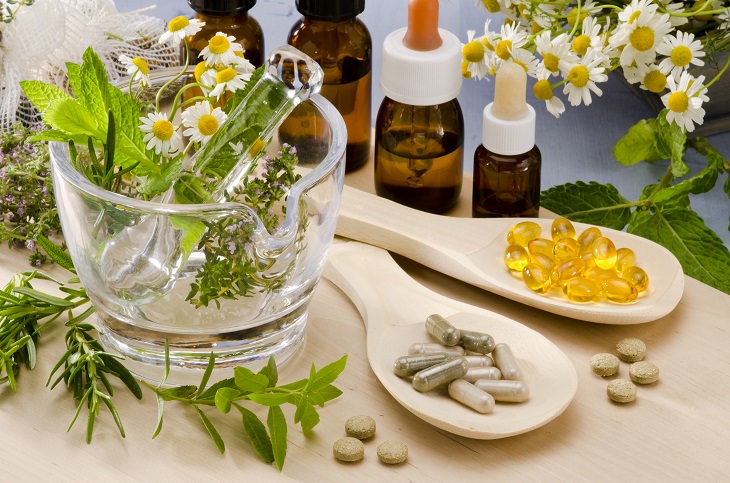
4. Herbal Supplements
 Never Buy These 10 Items From a Health Food Store!

Just because the health store sells herbal supplements and you have read about a certain supplement somewhere, doesn’t mean that you should buy the supplement. 

Herbal supplements can damage your health if misused. Botanicals used in supplements can have drug-like effects. Furthermore, they can interact with other supplements or prescription drugs, which can cause dangerous or life-threatening situations. 

There are loads of benefits to using herbal supplements, but it’s important to consult your doctor or licensed herbalist before taking any supplements. 

5. Agave Nectar 

If you’re health conscious, you already know the dangers of sugar intake. To help avoid sugar you’re probably buying some sort of sugar alternative that is sold at your local health food store. 

One such popular sugar substitute is agave nectar, which is often marketed as a diabetic-friendly sweetener due to its low glycemic index. However, it contains more fructose; too much fructose from processed foods in your diet can affect healthy metabolism and cause all sorts of problems, especially if you’re diabetic. 

So, in reality, agave nectar is worse than plain sugar. Raw honey is a healthier sweetener than agave nectar and also contains less fructose. 

6. Sports or Energy Drinks 

These drinks are manufactured and marketed with athletes in mind. These drinks often contain electrolytes and sugar, which can be beneficial to athletes as they sweat a lot. But, for those of us who are not involved in rigorous activity, sports or energy drinks are of no use. 

Additional salt and liquid sugar will do more harm than good. Such drinks also contain other additives like caffeine, which can also be harmful to the body. 

Therefore, if you’re not an athlete, stick to plain water, flavored water or coconut water to replenish lost fluids and keep your body well-hydrated. 

7.Gluten-Free Products  

These products are good for people suffering from celiac disease or gluten intolerance. However, there are some disadvantages to these products as well. 

Most gluten-free products have a lower nutritional composition. Plus, most processed foods that are gluten free often contain toxins such as lead, arsenic, and mercury. 

These products often contain rice flour, potato starch, sugar, and tapioca to make up for the lack of gluten. This increases the risk of a spike in blood sugar levels.

8. Salad dressings

 Never Buy These 10 Items From a Health Food Store!

 Salads make a healthy alternative to any diet plan. Raw fruit and vegetables are full of fiber, antioxidants, and other nutrients. However, if you’re using salad dressing brought from a health food store to give a final touch to your salad plate, then you’re making a mistake. 

Salad dressings contain ingredients like high-fat mayonnaise, soybean oil and high fructose corn syrup, all of which are bad for your health. Moreover, they often contain preservatives too. 

You should make your own dressings using organic fruit and vegetables, and prepare your own salad dressings with ingredients such as lemon juice, pepper, herbs, and olive oil. 

9. Raw Milk 

The rich, creamy texture of raw milk is liked by all, but drinking raw milk can be bad for your health. Raw milk doesn’t go through the pasteurization process. Pasteurization uses heat to kill bacteria found in milk, notably E. coli, which is responsible for causing a number of food-borne illnesses. 

 If you do buy raw milk, always boil it for some time, allow it to cool and then drink. 

10. Ear Candles 

If you haven’t heard of ear candles, they’re used as alternative remedies for certain ear problems. In this technique, a tapered candle is placed in the ear and lit from the top end. It’s claimed that as the candle burns, it creates suction that removes wax and other gunk trapped inside the ear. 

However, there’s no scientific evidence that ear candling pulls debris out the ear canal, even when used according to directions. Moreover, ear candles can cause burns, perforated eardrums, ear canal blockages that require surgery and even increase the risk of hearing loss. 

If you have ear problems, visit your doctor.


This is only for your information, kindly take the advice of your doctor for food, medicines, exercises and so on.   


Labels: , , , , , , , , ,

Sunday, February 23, 2025

Never Take Ibuprofen If You Have These 3 Symptoms! NHS Issues Urgent Warning

The NHS has issued a warning about ibuprofen, advising certain individuals to avoid it due to potential allergic reactions and health risks. Symptoms like runny nose, skin rashes, and breathing difficulties could indicate serious side effects. People with stomach ulcers, heart disease, or kidney issues should consult a doctor before use.

Ibuprofen is one of the most commonly used painkillers worldwide. It is effective in reducing pain, inflammation, and fever, making it a go-to option for headaches, muscle aches, arthritis, and menstrual cramps. However, despite its benefits, ibuprofen is not safe for everyone. The NHS has issued a warning about potential side effects and health risks, particularly for people with allergies or pre-existing medical conditions. Some people may experience mild to severe reactions after taking ibuprofen, and in certain cases, it can lead to serious complications. The NHS advises that anyone who notices unusual symptoms after using ibuprofen should stop taking it immediately and consider alternative pain relief options.

Signs of an Adverse Reaction

The NHS advises people to stop using ibuprofen immediately if they develop:
Runny nose – This may seem minor, but it could be an early sign of an allergic reaction.
  • Skin reactions – Rashes, redness, or itching can indicate the body is negatively responding to the drug.
  • Wheezing or breathing difficulties – These symptoms could suggest a severe allergic reaction, especially for people with asthma.
  • If you experience any of these symptoms, it is best to stop taking ibuprofen and consult a doctor for alternative pain relief options.

    Who Should Avoid Ibuprofen?

    Ibuprofen is not safe for everyone. The NHS warns that people with certain health conditions should be especially careful or avoid it entirely.
    Stomach issues – Those with a history of stomach ulcers, gastrointestinal bleeding, or other digestive problems should avoid ibuprofen as it can irritate the stomach lining.
  • Heart and kidney conditions – People with severe heart failure, liver disease, or kidney problems are at a higher risk of complications.
  • High blood pressure – If blood pressure is not well controlled, ibuprofen can cause fluid retention and increase strain on the heart.
  • Crohn’s disease or ulcerative colitis – These conditions can worsen with ibuprofen use.
  • Pregnancy – Pregnant women should only take ibuprofen if prescribed by a doctor.
  • Elderly individuals – People over 65 face a higher risk of stomach ulcers from long-term ibuprofen use. Doctors may prescribe additional medication to protect the stomach if ibuprofen is necessary.
  • Dangerous Drug Interactions

    Ibuprofen can interact with other medications, making them less effective or increasing the risk of side effects.
    Blood thinners (e.g., warfarin) – This combination can raise the risk of excessive bleeding.
  • Other NSAIDs (e.g., aspirin, naproxen) – Taking multiple NSAIDs can amplify side effects.
  • Certain antibiotics, antidepressants, and diabetes medications – These may not work as expected or could lead to complications when combined with ibuprofen.
  • Herbal supplements (e.g., ginkgo biloba) – These may further increase the risk of bleeding when taken with ibuprofen.
  • However, ibuprofen is generally safe to take with paracetamol or codeine.

    Use Ibuprofen Responsibly

    The NHS urges people to be cautious when using ibuprofen and to seek medical advice if they have any concerns. While it is a common and effective painkiller, it is essential to recognize potential risks, especially for those with existing health conditions.
    If you experience any warning signs, consider switching to an alternative pain relief option like paracetamol, which may be a safer choice.
     

    This is only for your information, kindly take the advice of your doctor for medicines, exercises and so on.   


    Labels: , , , , , , , , , ,

    Friday, June 18, 2021

    Harmful Products Available at a Health Food Store

    Health food stores can be found everywhere. They’re a convenient place to shop for organic and healthy products. However, just because you’re shopping at a health food store doesn’t mean that everything you pick up is totally safe and good for you. There could be many products in such stores labeled as “natural” and “organic,” but in reality, they can be hazardous to your health.
     
    Below are the top 10 harmful things that you’re buying from health food stores: 
     
    1. Apple Cider vinegar that isn't raw or unfiltered.
    One healthy staple that everyone should have is apple cider vinegar. It contains a number of vitamins and minerals, including magnesium, calcium, phosphorous, copper, iron, and potassium. 
     
    However, buying just any type of apple cider vinegar isn’t a wise move. You should always opt for raw and unfiltered apple cider vinegar. This type of vinegar comes in its natural form and has a cloudy appearance, referred to as the “mother of vinegar.” It’s said that this mother of vinegar is where all the vitamins, minerals, and enzymes associated with apple cider vinegar are found. 
     
    Non-organic apple-cider vinegar usually goes through a pasteurization process that removes the best components of vinegar.

    2. Flavored Yogurt  
    Yogurt is healthy, but you should steer clear of buying flavored yogurt as they are high in added sugar and calories, making them a lot less healthy than you’d think. To add to this, they usually contain artificial colors and flavors. 
     
    When buying yogurts, opt for low-fat and plain yogurt that contains live cultures. Furthermore, always read the ingredients on the side of a yogurt container and buy one that is high in calcium, protein, and vitamin D. 
     
    3. Fruit Juices 
    Health food stores often sell a wide range of fruit juices, and people keep buying these juices thinking that they’re making a healthy choice. However, most packaged fruit juices are not healthy. Even if you’re buying 100% quality fruit juice, it likely has unhealthy additives. 
     
     Packed fruit juices typically contain chemicals, preservatives, and artificial sweeteners. So, what you’re getting to drink is just fruit fruit-flavored water. Consuming too much sugar is associated with all sorts of diseases, from obesity to Type 2 diabetes to cardiovascular disease. 
     
    Moreover, the good stuff in fruit juices, such as fiber, is often taken out. From a nutritional point of view, there’s little benefit to drinking packaged fruit juices. 
     
    Therefore, it’s much better to avoid buying fruit juices and eat real fruits, or make fresh fruit juice yourself. 
     
    4. Herbal Supplements  
    Just because the health store sells herbal supplements and you have read about a certain supplement somewhere, doesn’t mean that you should buy the supplement. 
     
    Herbal supplements can damage your health if misused. Botanicals used in supplements can have drug-like effects. Furthermore, they can interact with other supplements or prescription drugs, which can cause dangerous or life-threatening situations. 
     
    There are loads of benefits to using herbal supplements, but it’s important to consult your doctor or licensed herbalist before taking any supplements. 
     
    5. Agave Nectar  
    If you’re health conscious, you already know the dangers of sugar intake. To help avoid sugar you’re probably buying some sort of sugar alternative that is sold at your local health food store. 
     
    One such popular sugar substitute is agave nectar, which is often marketed as a diabetic-friendly sweetener due to its low glycemic index. However, it contains more fructose; too much fructose from processed foods in your diet can affect healthy metabolism and cause all sorts of problems, especially if you’re diabetic. 
     
    So, in reality, agave nectar is worse than plain sugar. Raw honey is a healthier sweetener than agave nectar and also contains less fructose. 
     
     6. Sports or Energy Drinks  
    These drinks are manufactured and marketed with athletes in mind. These drinks often contain electrolytes and sugar, which can be beneficial to athletes as they sweat a lot. But, for those of us who are not involved in rigorous activity, sports or energy drinks are of no use. 
     
    Additional salt and liquid sugar will do more harm than good. Such drinks also contain other additives like caffeine, which can also be harmful to the body. 
     
    Therefore, if you’re not an athlete, stick to plain water, flavored water or coconut water to replenish lost fluids and keep your body well-hydrated.  
     
    7. Gluten-Free Products 
     These products are good for people suffering from celiac disease or gluten intolerance. However, there are some disadvantages to these products as well. 
     
    Most gluten-free products have a lower nutritional composition. Plus, most processed foods that are gluten free often contain toxins such as lead, arsenic, and mercury. 
     
    These products often contain rice flour, potato starch, sugar, and tapioca to make up for the lack of gluten. This increases the risk of a spike in blood sugar levels. 
     
    8. Salad Dressings 

    Salads make a healthy alternative to any diet plan. Raw fruit and vegetables are full of fiber, antioxidants, and other nutrients. However, if you’re using salad dressing brought from a health food store to give a final touch to your salad plate, then you’re making a mistake. 
     
    Salad dressings contain ingredients like high-fat mayonnaise, soybean oil and high fructose corn syrup, all of which are bad for your health. Moreover, they often contain preservatives too. 
     
    You should make your own dressings using organic fruit and vegetables, and prepare your own salad dressings with ingredients such as lemon juice, pepper, herbs, and olive oil. 
     
    9. Raw Milk  
    The rich, creamy texture of raw milk is liked by all, but drinking raw milk can be bad for your health. Raw milk doesn’t go through the pasteurization process. Pasteurization uses heat to kill bacteria found in milk, notably E. coli, which is responsible for causing a number of food-borne illnesses. 
     
    If you do buy raw milk, always boil it for some time, allow it to cool and then drink. 
     
    10. Ear Candles 
    If you haven’t heard of ear candles, they’re used as alternative remedies for certain ear problems. In this technique, a tapered candle is placed in the ear and lit from the top end. It’s claimed that as the candle burns, it creates suction that removes wax and other gunk trapped inside the ear. 
     
    However, there’s no scientific evidence that ear candling pulls debris out the ear canal, even when used according to directions. Moreover, ear candles can cause burns, perforated eardrums, ear canal blockages that require surgery and even increase the risk of hearing loss. 

    If you have ear problems, visit your doctor.


    This is only for your information, kindly take the advice of your doctor for medicines, exercises and so on.   

    https://gscrochetdesigns.blogspot.com. one can see my crochet creations  
    https://gseasyrecipes.blogspot.com. feel free to view for easy, simple and healthy recipes    
    https://kneereplacement-stickclub.blogspot.com. for info on knee replacement


    Labels: , , , , , , , , , , ,