Thursday, March 10, 2022

8 Medical Conditions Often Misdiagnosed in Women

No one has ever called medicine an easy job, and there’s a reason why doctors spend a decade of their life merely preparing for their career. It’s one of the highest-pressure jobs, where people’s lives are quite literally in your hands. Often enough, it comes down to guesswork, as doctors don’t always have the tools to give a foolproof diagnosis, but missing the mark could potentially cause irreversible harm to the patient. This is why we should strive to make their jobs easier, by familiarizing ourselves with important symptoms and describing what we’re experiencing in the most accurate manner. 
 
This is particularly true of conditions that are specific to women or that affect women at higher rates, as well as symptoms that are unique to women, as doctors are especially prone to misdiagnosis in these cases, and ruling a stroke or a heart attack out as a mild fever could very well mean death. If you feel like your doctor is giving you the wrong diagnosis, voice your concerns. If he or she do not budge, seek a second opinion. 
 
Here are several conditions and their symptoms that you should definitely be aware of:  
 
Stroke 
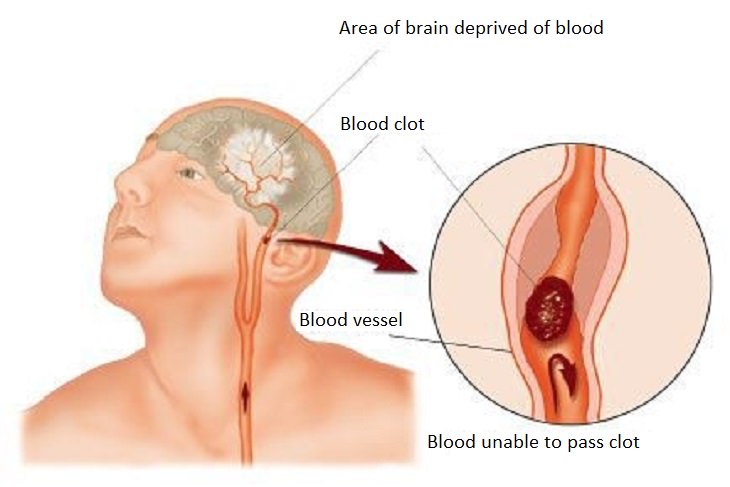
Women's health: stroke
Strokes are among the leading causes of death and disability, and while you may be familiar with some of the general symptoms which may indicate an impending stroke, such as blurred eyesight in either or both eyes, numbness in one side of the body, garbled speech, problems comprehending speech and loss of balance and coordination, you may not be aware that there are other symptoms that are unique to women and are often misdiagnosed. Those include nausea, seizures, shortness of breath, painful and sudden hiccups, fainting and a general weakness. 
 
Fibromyalgia
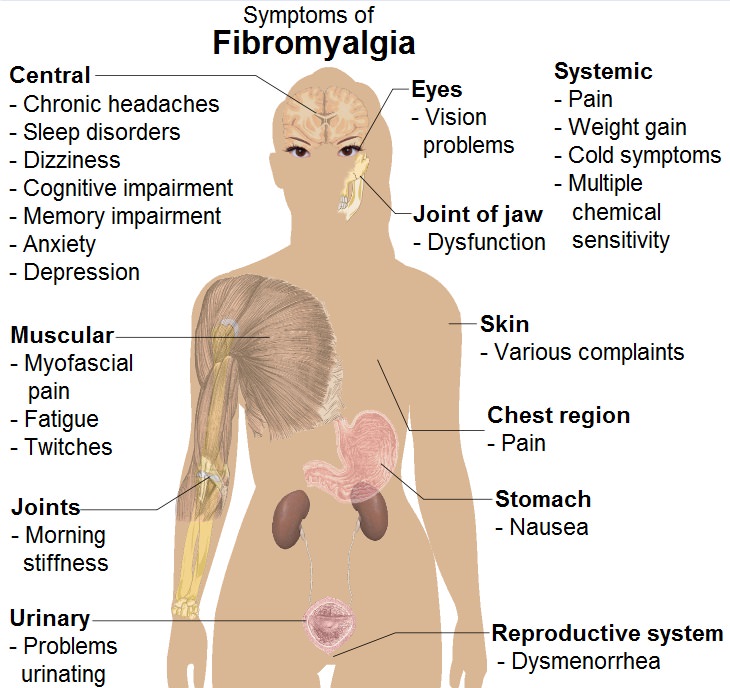
Women's health: fibromyalgia

Fibromyalgia is a medical condition that affects 2-8% of the population, with women being affected at twice the rate as men. Typical symptoms include chronic pain, tiredness, sleep deprivation and forgetfulness. As many of the symptoms are rather non-specific and characteristic of other conditions, it is often misdiagnosed. One telltale sign of fibromyalgia are specific points that are more sensitive to pain than others. A combination of these tender points might reflect fibromyalgia affliction: elbows, knees, buttocks, shoulders, chest, neck and the base of the skull. 
 
Lyme Disease
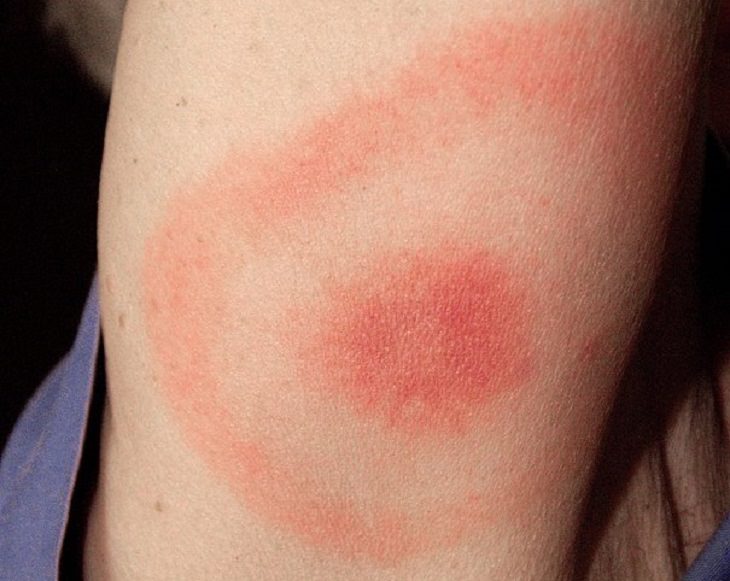
Women's health: Lyme disease
Lyme disease is a particularly harsh infection that’s transmitted by ticks and can cause facial paralysis, severe brain damage and impairment of motor capabilities if left untreated. The most common and recognizable sign of Lyme is a dark rash where the tick bit into the skin, surrounded by a secondary “halo” rash, giving the appearance of a bull’s eye. But the rash doesn’t always look that way, and as many as 30% of people who contact Lyme disease don’t have any rash at all. Other symptoms have been likened to flu: headaches, stiffness, fever and discomfort.

Irritable Bowel Syndrome
Irritable bowel syndrome (or IBS) is a cause for much discomfort that can easily be confused with other conditions such as bowel inflammation, H. pylori infection, coeliac and parasites. IBS is characterized by bloating, lack of appetite, gas, and irregular stools (either diarrhea or constipation). Women are three times more likely to be affected by IBS, and many report that the symptoms are worsened by menstruation.  
 
Depression
Even as our world is progressing towards equality, there is still a lot more progress to be made, as misogyny is still very real and haunts women wherever they go, even in the field of medicine. Many women who complain to a doctor about experiencing symptoms of depression are treated as if it’s a “mood swing” that will fade in time. Depression is a very serious mental condition that can have various catalysts and can manifest in different ways, such as listlessness, fatigue, inability to savor things that would regularly bring you joy, social withdrawal, self-doubt and rumination over your shortcomings and more. 
 
Endometriosis
Endometriosis is a well-known condition that afflicts millions of women worldwide, yet for reasons unknown, doctors seem very hesitant to diagnose it. Endometriosis occurs when cells of the same type as the ovarian lining grow outside of the ovaries, it causes intense pelvic pain in many of the afflicted women. Around half of the afflicted women become infertile, with endometriosis being one of the leading causes of infertility. If all of this wasn’t bad enough, another common symptom is pain during intercourse. Although there is no cure for endometriosis, early diagnosis could help mitigate the symptoms, slow its progress and prevent infertility.  
 
Lupus
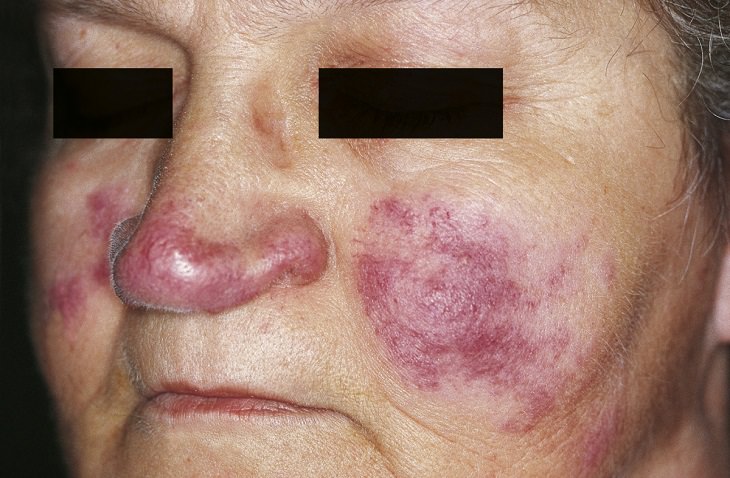
Women's health: lupus
Lupus is an incurable, genetically-transmitted disease that shares many of its symptoms with other auto-immune diseases and conditions that afflict women at higher rates than men. Women are nine times more likely to contract lupus than men (though the prognosis tends to be worse for men afflicted). Lupus used to be considered a terminal disease, but these days, 90% of people living with lupus are able to live a full life. Because of the effective treatment, it is incredibly important to diagnose it in time. The most telltale sign of lupus is a rash over the nose and cheeks in a shape similar to a butterfly. 
 
Heart Attack
Heart attack is one of the most vicious killers around, and though the most common and obvious sign of a heart attack is chest pain, there are many other signs that have nothing to do with the chest, and women who go through cardiac arrest report experiencing those at a higher rate than men. These symptoms include: dizziness, unusual fatigue, sweat, nausea, shortness of breath and pain or discomfort in the jaw, neck, back, and either of the shoulders or arms.

 
This is only for your information, kindly take the advice of your doctor for medicines, exercises and so on.   

https://gscrochetdesigns.blogspot.com. one can see my crochet creations  
https://gseasyrecipes.blogspot.com. feel free to view for easy, simple and healthy recipes    
https://kneereplacement-stickclub.blogspot.com. for info on knee replacement


Labels: , , , , , , , , , , , , ,

Friday, August 08, 2014

What Happens During A Heart-Attack

What Is a Heart Attack?illustration of heart attack

A heart attack happens when the blood flow to your heart is suddenly reduced or cut off. Your blood carries oxygen to the heart. During a heart attack, your heart muscle doesn't get the oxygen it needs. Without oxygen, the heart muscle can be damaged or destroyed.

Getting your blood flow restored quickly is the key to recovery. Get medical help right away if you think you're having symptoms of a heart attack.


illustratino of plaque buildup in artery
Causes of a Heart Attack

A buildup of cholesterol and a fatty material called plaque in your artery walls usually causes a heart attack. The buildup of plaque takes years.

Most heart attacks happen when plaque breaks off your artery wall. A blood clot then forms around the broken-off plaque, blocking the artery.

Heart Attack Symptoms

Men and women have different symptoms, but both may have pain, pressure, or discomfort in the chest. Other symptoms include shortness of breath, sweating, fainting, and nausea. You may also have pain in the neck, jaw, or shoulders.

Men are more likely to break out in a cold sweat and feel pain move down the left arm during a heart attack.

Symptoms in Women

About 435,000 women have heart attacks in the U.S. each year. The symptoms can be so mild they are often dismissed as something minor.

Women are more likely than men to have back or neck pain, heartburn, shortness of breath, nausea, vomiting, and indigestion. They may also feel extremely tired, light-headed, or dizzy. Flu-like symptoms and sleep problems may also occur 2 weeks before a heart attack.


What to Do

If you or someone you're with has symptoms that might be a heart attack, call 911 right away. You're more likely to survive if you get treated within 90 minutes.

While you're calling 911, the person with heart attack symptoms should chew and swallow an aspirin to lower the risk of a blood clot (unless they're allergic). If the person is unconscious, hands-only CPR can double his chances of survival.

Diagnosis of a Heart Attack

An EKG, which checks your heart's electrical activity, can help doctors see if you're having a heart attack. It can also show which artery is clogged.

Doctors can also diagnose a heart attack with blood tests that measure the proteins that are released when heart muscle cells die.

illustration of stent with balloon angioplastyHeart Attack Treatment

Doctors will move quickly to restore the flow of blood to your heart. You may get drugs that dissolve blood clots in your arteries.

You'll likely get a procedure called a coronary angiogram. Doctors put a thin tube with a balloon on the end through your artery. It opens up the blockage by flattening the plaque in your arteries. Most times doctors place a small, mesh tube called a stent in your artery to make sure it stays open.


Risks for Heart Attack

Your odds of having a heart attack go up with age, and men have a greater risk than women. A family history of heart disease also increases your risk.

Smoking can raise your risk of a heart attack. So can having high blood pressure, high cholesterol levels, diabetes, and being obese. Other things that can raise your risk of a heart attack are a lack of exercise, depression, and stress.

How to Prevent a Heart Attack

If you smoke, stop. It will immediately cut your chances of a heart attack by a third.

Get exercise and eat right. The American Heart Association recommends 150 minutes of moderate-intensity exercise per week. Eat plenty of fruits, veggies, and whole grains to keep your arteries healthy.

Taking a daily aspirin helps some people prevent a heart attack. Talk to your doctor to see if it's right for you.

Find positive ways to manage stress.

Life After a Heart Attack

If you're in the hospital for a heart attack, you may come home in just a few days. You can resume your normal activities after a few weeks.

Cardiac rehab can help you recover. You'll get a fitness program that's made just for you, and learn how to keep up a heart-healthy lifestyle. Counselors give you support if you're depressed or worried about getting a second heart attack.


THIS IS ONLY FOR INFORMATION, ALWAYS CONSULT YOU PHYSICIAN BEFORE HAVING ANY PARTICULAR FOOD/ MEDICATION/EXERCISE/OTHER REMEDIES.


PS- THOSE INTERESTED IN RECIPES ARE FREE TO VIEW MY BLOG-
HTTP:GSEASYRECIPES.BLOGSPOT.COM/
FOR INFO ABOUT KNEE REPLACEMENT, YOU CAN VIEW MY BLOG-
HTTP://KNEE REPLACEMENT-STICK CLUB.BLOGSPOT.COM/

FOR CROCHET DESIGNS


HTTP://MY CROCHET CREATIONS.BLOGSPOT.COM

Labels: , , , , , , , , , , ,

Wednesday, February 06, 2013

6 Symptoms of Women's Heart Attacks


When a heart attack strikes, it doesn’t always feel the same in 
women as it does in men.
Women don't always get the same classic heart attack 
symptoms as men, such as crushing chest pain that radiates 
down one arm. Those heart attack symptoms can certainly 
happen to women, but  many experience vague or even “silent” 
symptoms that they may miss.

These six heart attack symptoms are common in women

1)Chest pain or discomfort. 

Chest pain is the most common heart attack symptom, but 
some women may experience it differently than men. It may feel 
like a squeezing or fullness, and the pain can be anywhere in 
the chest, not just on the left side. It's usually "truly 
uncomfortable" during a heart attack, says cardiologist. It feels
 like a vise being tightened.

2) Pain in your arm(s), back, neck, or jaw.
 This type of pain is more common in women than in men. It 
may confuse women who expect their pain to be focused on 
their chest and left arm, not their back or jaw. The pain can be 
gradual or sudden, and it may wax and wane before becoming 
intense. If you're asleep, it may wake you up. You should report 
any "not typical or unexplained" symptoms in any part of your 
body above your waist to your doctor or other health care 
provider, says cardiologist.

3) Stomach pain.
 Sometimes people mistake stomach pain that signals a heart 
attack with heartburn, the flu, or a stomach ulcer. Other times, 
women experience severe abdominal pressure that feels like 
an elephant sitting on your stomach, says cardiologist..

4) Shortness of breath, nausea, or light-headedness. 
If you're having trouble breathing for no apparent reason, you 
could be having a heart attack, especially if you're also having 
one or more other symptoms. It can feel like you have run a 
marathon, but you didn't make a move.

5) Sweating.
 Breaking out in a nervous, cold sweat is common among 
women who are having a heart attack. It will feel more like 
stress-related sweating than perspiration from exercising or 
spending time outside in the heat. "Get it checked out" if you 
don't typically sweat like that and there is no other reason for it, 
such as heat or hot flashes.

6) Fatigue. 
Some women who have heart attacks feel extremely tired, even 
if they've been sitting still for a while or haven't moved much. 
Patients often complain of a tiredness in the chest. They say 
that they can't do simple activities, like walk to the bathroom.
Not everyone gets all of those symptoms. If you have chest 
discomfort, especially if you also have one or more of the other
 signs, call the hospital or your Dr. immediately.


What NOT to Do
If you feel heart attack symptoms:

1) Don’t delay getting help. 
Women generally wait longer than men before going to the 
emergency room, says  a cardiologist. Even if you think your 
symptoms aren’t that bad or will pass, the stakes are too high.

2) Don't drive yourself to the hospital.
 You need an ambulance. If you drive, you could have a wreck 
on the way and possibly hurt yourself or someone else.

3) Don’t have a friend or relative drive you, either. 

You may not get there fast enough.

Don’t dismiss what you feel. "Don't worry about feeling silly if 
you're wrong. You have to get it checked out right away.  
People don't want to spend hours in an emergency room if it
 isn't a heart attack,says a Dr.. But women are actually good at 
deciding what is typical for themselves and when to seek health
care.


Labels: , , , , , , , , , , , , , , , ,