Thursday, March 10, 2022

8 Medical Conditions Often Misdiagnosed in Women

No one has ever called medicine an easy job, and there’s a reason why doctors spend a decade of their life merely preparing for their career. It’s one of the highest-pressure jobs, where people’s lives are quite literally in your hands. Often enough, it comes down to guesswork, as doctors don’t always have the tools to give a foolproof diagnosis, but missing the mark could potentially cause irreversible harm to the patient. This is why we should strive to make their jobs easier, by familiarizing ourselves with important symptoms and describing what we’re experiencing in the most accurate manner. 
 
This is particularly true of conditions that are specific to women or that affect women at higher rates, as well as symptoms that are unique to women, as doctors are especially prone to misdiagnosis in these cases, and ruling a stroke or a heart attack out as a mild fever could very well mean death. If you feel like your doctor is giving you the wrong diagnosis, voice your concerns. If he or she do not budge, seek a second opinion. 
 
Here are several conditions and their symptoms that you should definitely be aware of:  
 
Stroke 
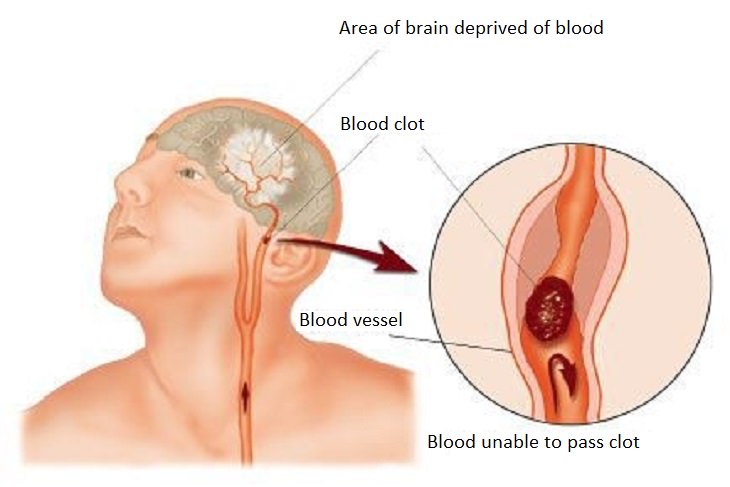
Women's health: stroke
Strokes are among the leading causes of death and disability, and while you may be familiar with some of the general symptoms which may indicate an impending stroke, such as blurred eyesight in either or both eyes, numbness in one side of the body, garbled speech, problems comprehending speech and loss of balance and coordination, you may not be aware that there are other symptoms that are unique to women and are often misdiagnosed. Those include nausea, seizures, shortness of breath, painful and sudden hiccups, fainting and a general weakness. 
 
Fibromyalgia
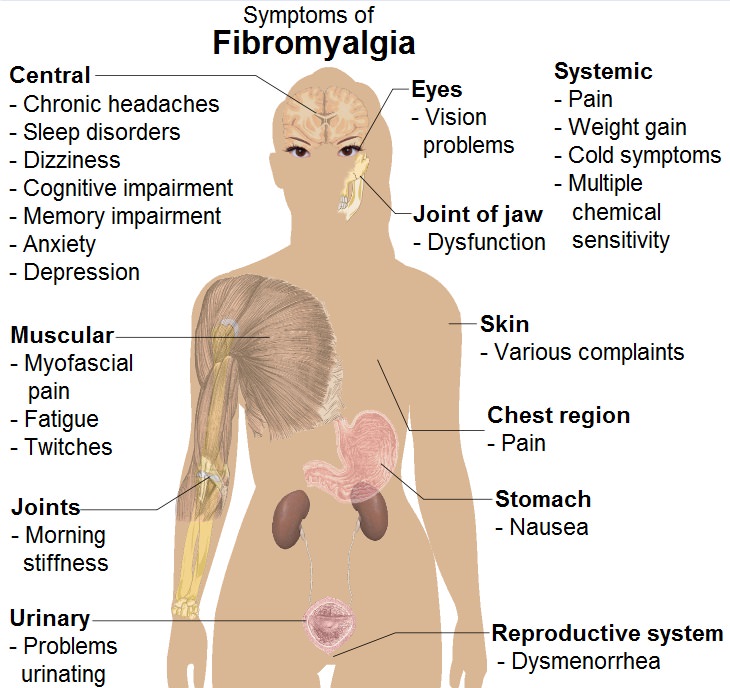
Women's health: fibromyalgia

Fibromyalgia is a medical condition that affects 2-8% of the population, with women being affected at twice the rate as men. Typical symptoms include chronic pain, tiredness, sleep deprivation and forgetfulness. As many of the symptoms are rather non-specific and characteristic of other conditions, it is often misdiagnosed. One telltale sign of fibromyalgia are specific points that are more sensitive to pain than others. A combination of these tender points might reflect fibromyalgia affliction: elbows, knees, buttocks, shoulders, chest, neck and the base of the skull. 
 
Lyme Disease

Women's health: Lyme disease
Lyme disease is a particularly harsh infection that’s transmitted by ticks and can cause facial paralysis, severe brain damage and impairment of motor capabilities if left untreated. The most common and recognizable sign of Lyme is a dark rash where the tick bit into the skin, surrounded by a secondary “halo” rash, giving the appearance of a bull’s eye. But the rash doesn’t always look that way, and as many as 30% of people who contact Lyme disease don’t have any rash at all. Other symptoms have been likened to flu: headaches, stiffness, fever and discomfort.

Irritable Bowel Syndrome
Irritable bowel syndrome (or IBS) is a cause for much discomfort that can easily be confused with other conditions such as bowel inflammation, H. pylori infection, coeliac and parasites. IBS is characterized by bloating, lack of appetite, gas, and irregular stools (either diarrhea or constipation). Women are three times more likely to be affected by IBS, and many report that the symptoms are worsened by menstruation.  
 
Depression
Even as our world is progressing towards equality, there is still a lot more progress to be made, as misogyny is still very real and haunts women wherever they go, even in the field of medicine. Many women who complain to a doctor about experiencing symptoms of depression are treated as if it’s a “mood swing” that will fade in time. Depression is a very serious mental condition that can have various catalysts and can manifest in different ways, such as listlessness, fatigue, inability to savor things that would regularly bring you joy, social withdrawal, self-doubt and rumination over your shortcomings and more. 
 
Endometriosis
Endometriosis is a well-known condition that afflicts millions of women worldwide, yet for reasons unknown, doctors seem very hesitant to diagnose it. Endometriosis occurs when cells of the same type as the ovarian lining grow outside of the ovaries, it causes intense pelvic pain in many of the afflicted women. Around half of the afflicted women become infertile, with endometriosis being one of the leading causes of infertility. If all of this wasn’t bad enough, another common symptom is pain during intercourse. Although there is no cure for endometriosis, early diagnosis could help mitigate the symptoms, slow its progress and prevent infertility.  
 
Lupus
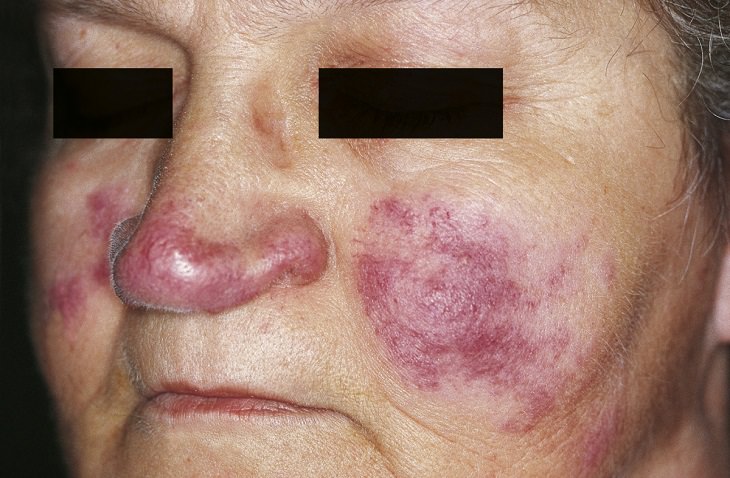
Women's health: lupus
Lupus is an incurable, genetically-transmitted disease that shares many of its symptoms with other auto-immune diseases and conditions that afflict women at higher rates than men. Women are nine times more likely to contract lupus than men (though the prognosis tends to be worse for men afflicted). Lupus used to be considered a terminal disease, but these days, 90% of people living with lupus are able to live a full life. Because of the effective treatment, it is incredibly important to diagnose it in time. The most telltale sign of lupus is a rash over the nose and cheeks in a shape similar to a butterfly. 
 
Heart Attack
Heart attack is one of the most vicious killers around, and though the most common and obvious sign of a heart attack is chest pain, there are many other signs that have nothing to do with the chest, and women who go through cardiac arrest report experiencing those at a higher rate than men. These symptoms include: dizziness, unusual fatigue, sweat, nausea, shortness of breath and pain or discomfort in the jaw, neck, back, and either of the shoulders or arms.

 
This is only for your information, kindly take the advice of your doctor for medicines, exercises and so on.   

https://gscrochetdesigns.blogspot.com. one can see my crochet creations  
https://gseasyrecipes.blogspot.com. feel free to view for easy, simple and healthy recipes    
https://kneereplacement-stickclub.blogspot.com. for info on knee replacement


Labels: , , , , , , , , , , , , ,

Tuesday, October 09, 2018

Understanding the Symptoms of a Brain Tumor

  • The brain is the body organ composed of nerve cells and supportive tissues like glial cells and meninges – there are three major parts – they control your activity like breathing (brain stem), activity like moving muscles to walk (cerebellum) and your senses like sight and our memory, emotions, thinking and personality (cerebrum).
  • Primary brain tumours can be either malignant (contain cancer cells) or benign (do not contain cancer cells). A primary brain tumor is a tumor which begins in the brain tissue. If a cancerous tumor starts elsewhere in the body, it can spread cancer cells, which grow in the brain. These type of tumors are called secondary or metastatic brain tumors.
  • Brain tumors can occur at any age.
  • Researchers and doctors do not know exact cause of brain tumors.
  • Risk factors include exposure to ionizing radiation and family history of brain tumors.
  • The signs symptoms of brain tumors depend on their size, type, and location. The most common signs symptoms include headaches; numbness or tingling in the arms or legs; seizures; memory problems; mood and personality changes; balance and walking problems; nausea and vomiting; or changes in speech, vision, or hearing.
  • Doctors group brain tumors are classified by grade (grade I, grade II, grade III, or grade IV -the most severe). The grade is determined by the way the cells look under a microscope. The higher the grade number, the more abnormal the cells appear, and the more aggressively the tumor usually behaves.
  • The most common types of primary brain tumors among adults are astrocytoma, meningiom (a tumor that arises from the membranes surrounding the brain and spinal cord) and oligodendroglioma.
  • The most common type of primary brain tumors in children are medulloblastoma, grade I or II astrocytoma, (or glioma) ependymoma, and brain stem glioma.
  • Studies have found risk factors for brain tumors to include ionizing radiation from high dose X-rays (for example, radiation therapy where the machine is aimed at the head), and family history.
  • Diagnosis of a brain tumor is done by a neurologic exam (by a neurologist or neurosurgeon), CT (computer tomography scan) and/or magnetic resonance imaging ( MRI), and other tests like an angiogram, spinal tap and biopsy. Your diagnosis helps predict the treatment.
  • Neurologists base the treatment of brain tumors on the type, location, and size of the tumor, your health, and age. Treatment options may include surgery, radiation therapy, or chemotherapy (or a combination of treatments).
  • Supportive care is important before, during and after treatment to minimize symptoms and to improve your quality of life.
 Brain Tumor Symptoms
Symptoms (signs) of benign brain tumors often are not specific. The following is a list of symptoms that, alone or combined, can be caused by benign brain tumors; unfortunately, these symptoms can occur in many other diseases:
  • vision problems
  • hearing problems-Sudden hearing problems can also be a sign of a brain tumor. According to a Dr., "if you’re experiencing hearing loss from one side or a constant ringing sensation, known as tinnitus, you’ll want to make an appointment with your doctor, who can determine whether your symptoms are severe enough to see a neurologist.”
  • balance problems- Since our brain controls our balance, when that part of the brain has tumour, then one loses balance. If it is often, then it is best to consult your doctor at once to rule out the root cause.
  • changes in mental ability (for example, concentration, memory, speech)-If you're finding it difficult to remember what you ate for breakfast or what your best friend's phone number is, then this may be a sign of a brain tumor. If this is the case, you may also discover that you're finding it more difficult to multitask or that you're becoming far more easily confused.
  • seizures, muscle jerking-If you've never had a seizure before, experiencing one may be one of the first signs of a brain tumor. This occurs because a tumor may apply pressure to the brain's nerve cells, which can end up triggering a seizure. Around 50% of people with a brain tumor experience at least one brain seizure, according to the doctors.
  • change in sense of smell
  • nausea/vomiting-Nausea and vomiting You might have nausea and vomiting in the early stages because a tumor is causing a hormone imbalance.
    During treatment for a cancerous brain tumor, nausea and vomiting could be side effects from chemotherapy or other treatments.
    Of course, you can experience nausea and vomiting for a variety of other reasons, including food poisoning, influenza, or pregnancy.
  • facial paralysis
  • headaches-One of the most commons signs of a brain tumor is the development of persistent headaches. In fact, according to the American Brain Tumor Association, about half of all people with a brain tumor experience such headaches. These headaches typically don't respond to pain medication and are usually the worst in the mornings and when sudden movements are made.
  • Weakness and numbness A feeling of weakness can happen just because your body is fighting the tumor. Some brain tumors cause numbness or tingling of the hands and feet.
    This tends to happen on only one side of the body and could indicate a tumor in certain parts of the brain.
    Weakness or numbness can be side effects of cancer treatment, too. Other conditions, such as multiple sclerosis, diabetic neuropathy and Guillain-Barre syndrome can also cause these symptoms.
 Fatigue- Fatigue is more than feeling a little tired once in a while. These are some signs that you’re experiencing true fatigue:
  • You’re completely exhausted most or all of the time.
  • You feel weak overall and your limbs feel heavy.
  • You often find yourself falling asleep in the middle of the day.
  • You’ve lost your ability to focus.
  • You’re irritable and out of sorts
Fatigue can be due to a cancerous brain tumor. But fatigue can also be a side effect of cancer treatments. Other conditions that cause fatigue include autoimmune diseases, neurological conditions, and anemia, to name just a few.

Depression

Depression is a common symptom among people who have received a diagnosis of a brain tumor. Even caregivers and loved ones can develop  depression during the treatment period. This can present as:
  • feelings of sadness lasting longer than what seems normal for the situation
  • loss of interest in things you used to enjoy
  • lack of energy, trouble sleeping, insomnia
  • thoughts of self-harm or suicide
  • feelings of guilt or worthlessness
Being diagnosed with cancer will always be a terrifying and devastating thing, but cancer of the brain is said to be the scariest and most serious of them all. That's why it is vital that everyone is aware of the symptoms of this terrible disease so that it can be picked up and treated before it's too late.


Benign brain tumors usually have an obvious border or edge. Cells from benign tumors rarely invade tissues around them. They don't spread to other parts of the body. However, benign tumors can press on sensitive areas of the brain and cause serious health problems.
  • Unlike benign tumors in most other parts of the body, benign brain tumors are sometimes life threatening.
  • Benign brain tumors may become malignant.
Malignant brain tumors (also called brain cancer) contain cancer cells:
  • Malignant brain tumors are generally more serious and often are a threat to life.
  • They are likely to grow rapidly and crowd or invade the nearby healthy brain tissue.
  • Cancer cells may break away from malignant brain tumors and spread to other parts of the brain or to the spinal cord. They rarely spread to other parts of the body.

Some symptoms can provide insights into where the tumor might be located within the brain.
Vision problems can be due to a tumor located in or around the:
  • pituitary gland
  • optic nerve
  • occipital lobe
  • temporal lobe
Speech, reading, and writing difficulties:
  • certain parts of the cerebrum
  • certain parts of the cerebellum
  • temporal lobe
  • parietal lobe
Hearing problems:
  • near cranial nerves
  • temporal lobe
Swallowing problems:
  • cerebellum
  • in or near cranial nerves
Trouble with movement in the hands, arms, feet, and legs, or difficulty walking:
  • cerebellum
  • frontal lobe
Balance issues may indicate a tumor near the base of the brain.
Facial numbness, weakness, or pain may also occur with a tumor in this area.

If you have some of the signs and symptoms listed above, it certainly doesn’t mean you have a brain tumor.
Because these symptoms overlap with those of so many other conditions, it’s important to get the correct diagnosis. And for many diseases, earlier diagnosis and treatment provide a better outlook.
Make an appointment to see your doctor. Determining the cause for your symptoms is the first step toward getting the treatment you need.

THIS IS ONLY FOR INFORMATION, ALWAYS CONSULT YOU PHYSICIAN BEFORE HAVING ANY PARTICULAR FOOD/ MEDICATION/EXERCISE/OTHER REMEDIES.                                                                                                                                                                                                                                            PS- THOSE INTERESTED IN RECIPES ARE FREE TO  VIEW MY BLOG-                                                                                           https://gseasyrecipes.blogspot.com/   

  FOR INFO ABOUT KNEE REPLACEMENT, YOU CAN VIEW MY BLOG-                                                                                                                                https:// kneereplacement-stickclub.blogspot.com/                              

FOR CROCHET DESIGNS                                                                                                                                                                                                                                 https://gscrochetdesigns.blogspot.com

Labels: , , , , , , , , ,