Thursday, August 14, 2025

Meditation Techniques and Neurological Effects

Perhaps your life has become too tough to handle. You may be feeling run-down, stressed and anxious and cannot wait to find some time to wind down and relax. Your mind could be preoccupied, thinking about financial worries, deadlines, work, kids and health issues. Consequently, you have found it impossible to switch off.

One of the solutions you may have come across is meditation, the benefits of which include reduced stress levels and better sleep. However, the benefits do not just end there. Tuning inwards can actually make lasting physical changes, and not just in the way you feel. Meditation can literally change your brain. Let's take a look:
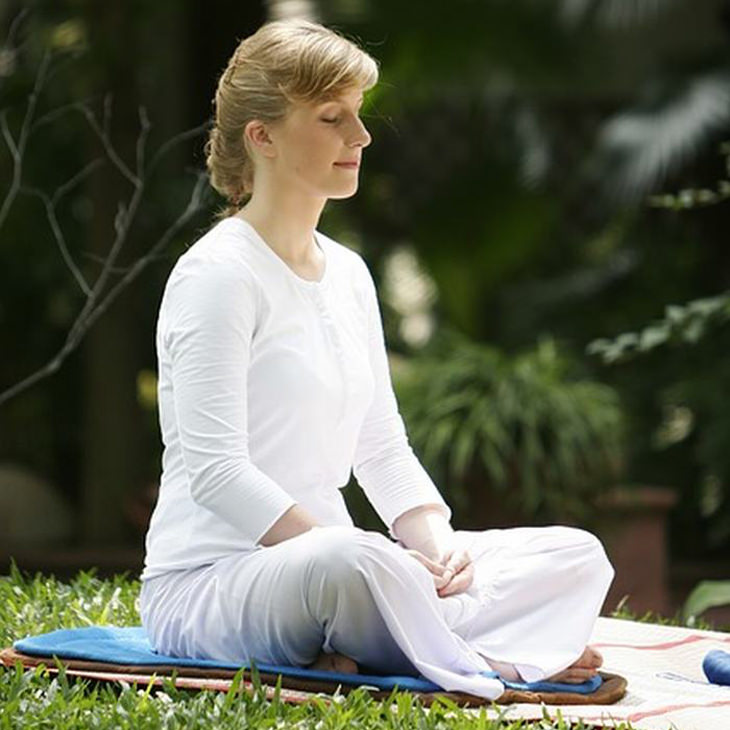
meditation
An overview: 
The brain on meditation The brain is divided into various segments, each having its own role. The frontal lobe (located at the front end of the brain), helps us plan, reason, emote and be aware of ourselves. MRI scans have shown that during meditation, the frontal lobe slows down and tunes off. 
 
Meditation can also have an impact on the thalamus. This area of the brain coordinates our senses and channels them from different parts of the body to the brain. During meditation, this processing slows down. 
 
The reticular formation is also affected during meditation. It is responsible for keeping the brain alert, based on the stimuli it receives.

7 ways meditation affects the brain  
 
1. Meditation promotes new connections in the brain 
 Meditation stimulates the growth of new brain cells, promoting more gray matter (the part of the brain whereby neurons connect to one another and which is activated in the process of learning new skills). As we age, we naturally begin to lose some of the mass of the grey matter. However, meditation can help slow this process down. 
 
2. Meditation improves your memory 
Due to the effects that meditation has on gray matter, it has also been found to affect the hippocampus, the area of the brain that focuses on memory, helping us learn and internalize new skills and information. Furthermore, research conducted by Osher Research Center and Martinos Center for Biomedical Imaging, illustrated that people practicing mindful meditation have the ability to adjust their brain waves, tuning out distractions. Consequently, this increases productivity and boosts memory. 
 
3. Meditation helps control emotions  
Meditation affects the pre-frontal cortex, the part of the brain responsible for regulating emotions, by increasing the amount of gray matter in this area. As a result, meditation enables us to deal better with our emotions and feelings. 
 
4. Meditation diminishes stress 
Meditation affects the amygdala center - most commonly associated with fear and stress. When we feel stressed, this part of the brain becomes activated, triggering the fight or flight response. Meditation can reduce the activity of the amygdala, enabling us to control our anxiety and stress levels that come about for no apparent reason. Furthermore, a study conducted to discover the benefits of meditation in 2012, analyzed three groups to test which of the three can handle stress better. The first group practiced mindful meditation; the second focused on body relaxation training and the third were given no training whatsoever. A multi-tasking, stress-inducing test portrayed that those who meditated showed less stress than the group that didn't. 
 
5. Meditation promotes a relaxed state of mind 
 In its aroused state, your brain releases alpha waves, keeping you alert and hyped up. However, MRI scans have shown that during meditation, your brain predominantly releases theta waves - associated with a relaxed state of mind. 
 
6. Meditation reduces anxiety 
In an upsetting situation, the prefrontal cortex causes you to feel anxious. This response can be controlled with regular meditation. Meditating enables a lesser reaction in the prefrontal cortex, reducing pangs of anxiety, enabling you to evaluate the situation in a rational way. 
 
7. Meditation increases resilience 
Researchers at Wisconsin Madison University analyzed MRI images of Tibetan monks and discovered that meditation and resilience have a deep-rooted connection.

Picking the right meditation for you 
Meditation can be practiced in a variety of ways. Methods vary in the same way that people vary in their attitudes, character, and nature. Therefore, picking the right method of meditation for you comes down to fitting the right method of meditation to your nature, as opposed to trying to fit your character to a certain technique. Doing so will only cause you to feel frustrated after some time. However, when you find the right meditation for you, you will feel a certain ease and comfort in your practice, and you will flourish.


4 ways beginners can meditate 
 
1. Breathing: Following the breath is a great way to start your meditation practice, before moving on to more in-depth meditations. Focusing on the breath brings about a restful and calm nature. Here are three breathing techniques you could try. 
 
2. Gazing: This method of meditation uses our sense of sight to silence the mind. You can practice it anywhere, focusing your mind on something specific. In the yoga tradition, trataka is often practiced. This form of meditation focuses on gazing at a still candle flame in the dark. Practicing this method of meditation enables your mind to become focused. 
 
3. Visualization: In this meditation, your eyes are closed. It requires the use of your inner eyes or your mind's eye. While there are many forms of visualization meditation, it often focuses on connecting with and visualizing an object, such as your heart - serving as an object of meditation. Alternatively, you may also visualize a calm space, such as a beach, creating your surroundings in your mind's eye. 
 
4. Chanting mantras: Mantras are believed to be a powerful sound or vibration that can be used to enter a deep state of meditation. Repeating mantras can help the mind become calm and more focused.


This is only for your information, kindly take the advice of your doctor for medicines, exercises and so on.   


Labels: , , , , , ,

Wednesday, May 22, 2019

7 Medical Reasons Why You Can't Get Any Sleep

We've all experienced trouble falling asleep. And while stress may be a main cause, it might not always be the reason behind your lack of rest, and once you determine it, you will be able to sleep longer and better. Discover seven possible reasons why you may not be getting any shut-eye:
 
Urinary incontinence
According to a urological surgeon, “While urinary incontinence does affect women more often than men, millions of both men and women deal with some type of bladder control issue at some point in their lives and many suffer from symptoms that significantly impact their quality of sleep.”
However, while it may be a nuisance, Dr.  adds “And the truth is, if you suffer from urinary incontinence, it doesn’t have to be a condition that puts you in adult diapers for the rest of your life or prevent you from ever having a good night’s sleep again.” Furthermore, he believes that diet and lifestyle changes can help with bladder control, including reducing your intake of caffeine. “Caffeine stimulates bladder function and is also considered a diuretic,” Dr. says, adding that, “Though it can be much easier said than done, limiting or eliminating caffeine altogether has been known to be successful in diminishing and resolving issues of urinary incontinence.”
Migraines
A neurologist explains- “As many sufferers know, it’s tough to stop that runaway migraine train once it gets moving, let alone try to get a good night’s sleep.” However, not being able to sleep is making it worse. In fact, Dr. Williams adds: “Not getting enough sleep, and sometimes getting too much, can trigger a migraine.” So stay hydrated, eat a balanced and nutritious diet and stay active to help reduce the onset of migraines.  
Magnesium deficiency
A general practitioner states that “Numerous studies have shown magnesium’s effectiveness in boosting mood, lowering anxiety, and reducing stress levels as well as helping with deeper more restful sleep.” The reason why most Americans may not be getting enough sleep could be due to their low levels of magnesium. “Magnesium deficiency causes muscle tension, nerve irritability, adrenal surges, decreased production of serotonin, and muscle cramps. All of these symptoms and conditions interfere with sleep,” Dr. says, and further states that magnesium a safe and important treatment for insomnia. Still, despite the benefits, not all forms of magnesium are easily absorbed by the body.  “Magnesium citrate powder is a highly absorbable form that can be mixed with hot or cold water and sipped at work or at home throughout the day,” she says.
Circadian rhythm delay
Be it alertness, or our body temperature, it all fluctuates depending on our 24-hour biological clock called circadian rhythm, says a Dr. “Our circadian rhythms are primarily determined by when we are exposed to light, and our modern culture’s affinity to light in the evening (computer, tablet, television, and phone screens) activates a cell layer in our retina sending a signal that delays our circadian rhythm. That means that it could be 10 p.m., but the brain will think the sun is still out, so it won’t be ready to fall asleep—no matter how tired you actually are.”
A circadian rhythm delay could be another problem which occurs when the alarm clock goes off but you're not ready to wake up yet. “If you have trouble falling asleep at night but can sleep in easily in the morning, you probably have a delay in your circadian rhythm. This problem is solved with bright light (sunlight or a 10,000 lux light box used first thing in the morning) along with low dose (0.5mg) of melatonin about three to four hours before bedtime.”
Stimulant medications
According to Dr., a number of medications can cause difficulty falling asleep. The most common being: steroids such as prednisone; antidepressants such as bupropion and venlafaxine; stimulants such as methylphenidate and modafinil, adrenal, thyroid replacement medications, beta agonists and theophylline used for asthma. Furthermore, according to the doctors, “Some over-the-counter medications, such as some pain medications, allergy, and cold medications, and weight-loss products, contain caffeine and other stimulants that can disrupt sleep.” Dr. suggests you talk to your doctor about the medication if you have trouble falling asleep, and consider if the benefits you are receiving from the medication outweigh the consequences of poor sleep.
COPD
COPD or chronic obstructive pulmonary disease is an umbrella term used to describe progressive lung diseases. This includes emphysema, chronic bronchitis, refractory asthma, and some forms of bronchiectasis, making it harder to get a good night’s sleep. An associate professor of Thoracic Medicine and Surgery also adds that "many COPD patients also suffer from insomnia, obstructive sleep apnea, and depression," and this includes bronchodilators and steroids, which can cause sleep difficulties, too. So, the Dr.  suggests that if you are unable to sleep and have COPD, have a solid bedtime routine and minimize distractions in the bedroom. He also advises that you “Discuss with your pulmonologist if your COPD treatment is optimized and if any of the medications prescribed are impacting your sleep problems.” 
Nasal issues
Many doctors see patients with chronic sinus conditions that contribute to poor sleeping, a facial plastic surgeon says “Ideally, one should be breathing through their nose during sleep. For anyone who has nasal congestion, they cannot breathe through the nose and may snore, too. Patients with a deviated septum have worse symptoms during sleep due to gravity.” He adds, “Deviated nasal symptoms can occur naturally from genetics, or occur after injury. Patients may try allergy medication, but often need nasal surgery such as septoplasty or rhinoplasty for adequate nasal relief and better sleep.”
THIS IS ONLY FOR INFORMATION, ALWAYS CONSULT YOU PHYSICIAN BEFORE HAVING ANY PARTICULAR FOOD/ MEDICATION/EXERCISE/OTHER REMEDIES.                                    PS- THOSE INTERESTED IN RECIPES ARE FREE TO  VIEW MY BLOG-                                                                                           https://gseasyrecipes.blogspot.com/    
                                                                                                                                                     FOR INFO ABOUT KNEE REPLACEMENT, YOU CAN VIEW MY BLOG-                                                  https:// kneereplacement-stickclub.blogspot.com/  

                            FOR CROCHET DESIGNS                                                                                                                                                                                                  https://gscrochetdesigns.blogspot.com

Labels: , , , , , , , , , , , , , , , ,

Monday, August 29, 2016

iPads May Be Effective Sedatives For Kids Before Surgery

Allowing children to use iPads to distract them before surgery requiring general anaesthesia is as effective at lowering their anxiety as conventional sedatives, a new study has claimed.

Researchers found that parental satisfaction and quality of anaesthesia induction was higher in children using iPads. Mobile interactive tools have been found to be effective to reduce child anxiety at parental separation in the operating theatre, researchers said.

The study by Dr Dominique Chassard, from Hopital Mere Enfant, Hospices Civils de Lyon in France and colleagues compared the effects of midazolam (a sedative used regularly before anaesthesia) in premedication with age-appropriate game apps (on an iPad tablet) on children aged 4-10 years during and after ambulatory (day) surgery.

Anxiety was assessed both in children and in parents.

As many as 54 children were randomly allocated to MDZ (midazolam) group and 58 children to TAB (iPad) group.

Patients in group MDZ received midazolam 0.3mg/kg orally or rectally, and group TAB were given an electronic tablet (iPAD) 20 min before anaesthesia.

 Child anxiety was measured by two independent psychologists at four time points: at arrival at hospital, at separation from the parents, during induction and in the post anaesthesia care unit (PACU).
ADVERTISEMENT
x

Parental anxiety was measured at the same time points except during induction as they were not present at that point.

Anaesthetic nurses ranked from 0 (not satisfied) to 10 (highly satisfied) the quality of induction of anaesthesia.

The researchers found both parental and child anxiety levels to be similar in both groups, with a similar pattern of evolution. Both parents and nurses found anaesthesia more satisfying in the iPad group.

"Our study showed that child and parental anxiety before anaesthesia are equally blunted by midazolam or use of the iPad," said Dr Chassard.

"However, the quality of induction of anaesthesia, as well as parental satisfaction, were judged better in the iPad group.

"Use of iPads or other tablet devices is a non-pharmacologic tool which can reduce perioperative stress without any sedative effect in paediatric ambulatory surgery," said Dr Chassard.


this is only for your information, kindly take the advice of your doctor for medicines, exercises and so on.
https://gscrochetdesigns.blogspot.com. one can see my crochet creations
https://gseasyrecipes.blogspot.com. feel free to view for easy, simple and healthy recipes

https://kneereplacement-stickclub.blogspot.com. for info on knee replacement

Labels: , , , , ,