Sunday, August 20, 2023

New rapid blood test to detect 18 infectious, inflammatory diseases in kids

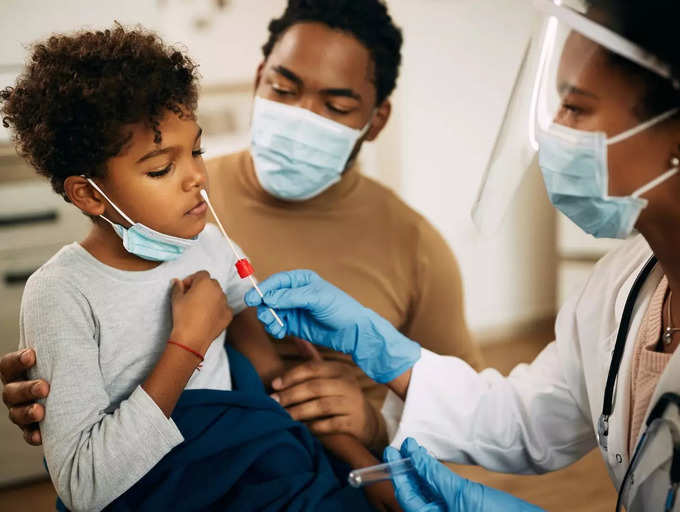
An international team, led by British researchers, has developed a simple blood test which may be able to rapidly diagnose, detect and distinguish between 18 infectious or inflammatory diseases -- including group B Streptococcus (GBS), respiratory syncytial virus (RSV), and tuberculosis.

Using a single sample of blood, the test could enable clinicians to diagnose the cause of fever based on the distinctive pattern of genes being "switched on or off" by the body in response to specific illnesses.

While current tests for some of the conditions can take several hours, days or even weeks, a test-based on this approach would be capable of providing a result in under 60 minutes.

Researchers from Imperial College London explained that a diagnostic test based on patients' gene expression could drastically improve the diagnosis of childhood diseases, reduce delayed and missed diagnoses, and have a significant impact on health care, especially in developing regions.

"Despite huge strides forward in medical technology, when a child is brought into hospital with a fever, our initial approach is to treat based on the doctors' 'impression' of the likely causes of the child's illness," said Professor Michael Levin, from the Imperial’s Department of Infectious Disease.

"As clinicians, we need to make rapid decisions on treatment, often just based on the child's symptoms, information from the parents, and our medical training and experience," he added, "but we may not know whether a fever is bacterial, viral, or something else until hours or days after a child has been admitted, when their test results come back."

"Such delays can stop patients getting the right treatment early on, so there is a clear and urgent need to improve diagnostics. Using this new approach, once it's translated to near point of care devices, could be transformative for health care."

In the study, researchers explored an approach focused on detecting the pattern of a patient's gene expression in blood that occurs in response to specific infections and inflammatory conditions.

Using data from thousands of patients (including more than 1,000 children with 18 infectious or inflammatory diseases) the team was first able to identify which key genes were switched "on" or "off" in response to a range of illnesses -- providing a molecular signature of disease.

Machine learning was then applied to identify which patterns of gene expression corresponded to the specific disease areas and pathogens -- focusing in on a panel of 161 genes for 18 conditions.

This panel was further validated in a cohort of 411 paediatric patients admitted to hospital with sepsis or severe infections (representing 13 of the 18 diseases), where gene expression was captured from blood analysis, and where diagnoses were made using current gold standard clinical methods.


This is only for your information, kindly take the advice of your doctor for medicines, exercises and so on.   

https://gscrochetdesigns.blogspot.com. one can see my crochet creations  
https://gseasyrecipes.blogspot.com. feel free to view for easy, simple and healthy recipes    
https://kneereplacement-stickclub.blogspot.com. for info on knee replacement
https://cancersupportindia.blogspot.com  for infor on cancer and health related topics
https://GSiyers home remedies.blogspot.com   is the latest addition to my blogs. I'm going to add posts there, do give me your valuable feed back on my blogs. Thanks a lot, take care, be healthy and be happy.

Labels: , , , , , , , , , ,

Thursday, October 21, 2021

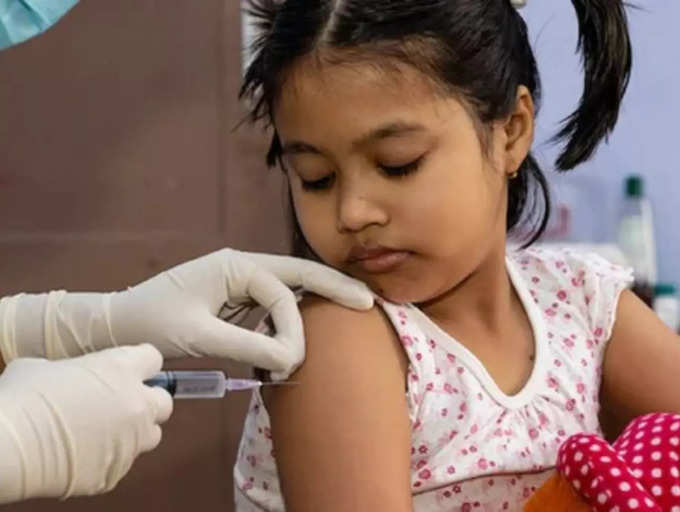
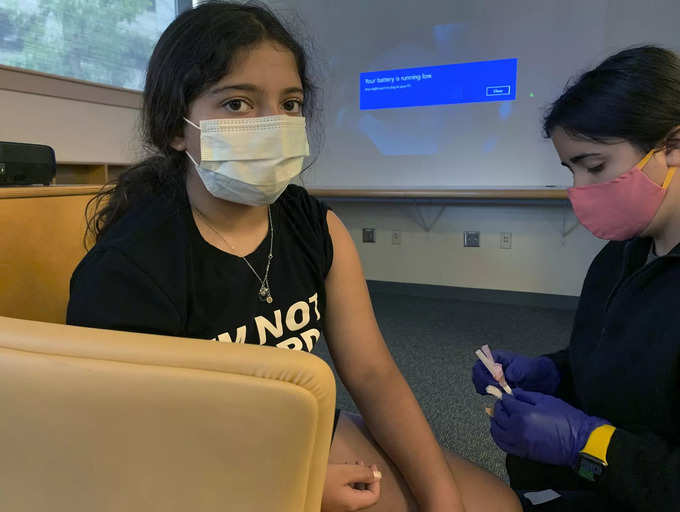
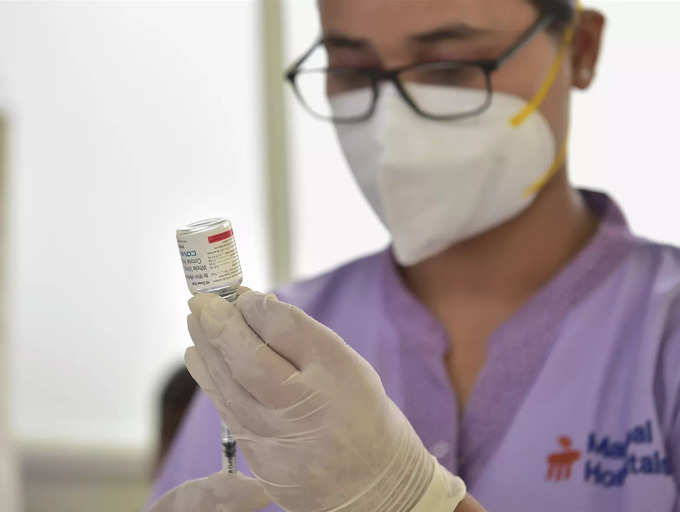
Covaxin for kids to be rolled out in a phased manner: What are the side-effects we can expect?

How will the Covaxin roll out for kids be different?

As we await the surge of a third wave to come up in India, Covaxin has become one of the first vaccines to have been granted emergency use nod. As per recommendations by the SEC (Subject Expert Committee), the vaccine has been selectively approved for use in kids aged between 2-18 years of age, and currently awaits DCGI approvals.

While experts are currently also awaiting a clearance from the WHO (World Health Organisation), it is being reported that the vaccine, which is an indigenous, inactivated vaccine developed by Hyderabad-based Bharat Biotech will be rolled out for kids in a phased manner, with the shots being first available for kids who may have comorbidities. It has also been argued that the vaccine would work in a rather similar manner, as it does for the adults. But what could the side-effects be like?


We delve into what a Covaxin rollout for children could look like:

readmore

Would kids require a lesser dosage of the vaccine?

Covaxin works as a two-dose regimen to prompt a considerable immune response against the virus, delivered 28 days apart. While there have been some studies which have demonstrated that kids may require the use of a single dose, or a shorter-dose vaccine in comparison to adults, it's quite unlikely that kids in India will be given an altered dosage right now.


Nonetheless, while plans have been drawn up to make Covaxin doses available for kids' use in a phased manner, it is expected that kids, much like adults, would also need two doses of the vaccine to dole up an efficient immune response against the SARS-COV-2 and its variants.

readmore

What do we know about the side-effects of the vaccine?

While Covaxin has been seen to cause fewer side-effects than other vaccines, the most common side-effects recorded with the vaccine's clinical testing on kids include flu-like symptoms, which are expected, and considered reactogenic.

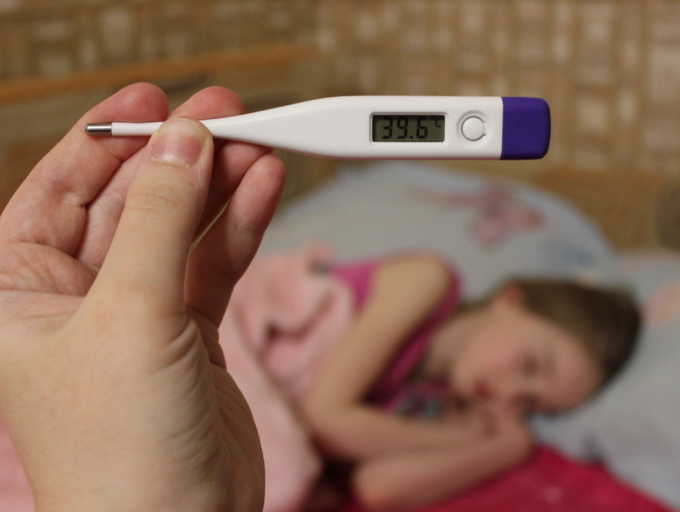
Since the side-effects are taken to be a way the body builds up immunity, some of the side-effects which can be expected include fever, pain at the injection site, drowsiness, redness, body pain and fatigue, which tend to go away in 2-3 days time.

So far, adverse side-effects and reactions haven't been recorded with Covaxin but a monitoring committee will be set up. Kids who have sensitivity, or prior bad reaction to the vaccines may require more care.

Is it safe for immunocompromised kids to get the shot?

Being immunocompromised could make some individuals vulnerable to having an inefficient response to the vaccine and not get the right kind of response. Certain comorbidities and sensitivities could also make some parents hesitant about getting the shots. However, it should be remembered that kids who are at risk should be inoculated at the earliest, since not getting the vaccine could put them at a greater risk of severe COVID and encountering complications like MIS-C.

Is Covaxin for kids a nasal vaccine?

Covaxin is an intramuscular vaccine injected through the skin. Bharat Biotech is also working on developing nasal vaccines, wherein the injection doses are directed through the nasal cavity. Since nasal vaccines are easier to administer, and said to create a first-line defense (and hence be more efficient in rooting out the virus), nasal vaccines are considered to be a better choice for kids. However, it's unlikely that nasal vaccines would be made available for public use before the end of next year, since they are yet to enter clinical trials.


Zydus Cadila, however, is working on rolling out nasal vaccines for kids, which may be available for kids early next year.

readmore

Should you wait for the WHO nod for Covaxin? Would it make a difference?

Should you wait for the WHO nod for Covaxin? Would it make a difference?

While Covaxin has been granted emergency nods, it's yet to be fully approved for use by the WHO. Currently, only the vaccines approved by WHO are accepted globally.

Although Covaxin has been found to be relatively safe and meet requisite standards of efficacy, getting approvals from the WHO will not just provide a lot of reassurance, but also pave the way for wider acceptance.


This is only for your information, kindly take the advice of your doctor for medicines, exercises and so on.   

https://gscrochetdesigns.blogspot.com. one can see my crochet creations  
https://gseasyrecipes.blogspot.com. feel free to view for easy, simple and healthy recipes    
https://kneereplacement-stickclub.blogspot.com. for info on knee replacement

Labels: , , , , , , , , , ,

Thursday, September 23, 2021

Tips to get kids off their screens

Do you ever find yourself fighting for your kids' attention? Of course, the thing that keeps them from paying attention to you is... their smartphone. We know how negative the effects can be. You're missing out on precious quality family time. Smartphones are interrupting one-on-one interactions. Not to mention how compromising it is for the kids' health to be exposed to screens for prolonged periods

You and I both know that neither politely asking nor assertively demanding to put that phone away is going to help. What will, though? Here are 5 tips to help you build a plan to combat the screens. 
 
1. Set Screen-Time Limits
Kids using smartphones on the lawn
Once you set the limits, declare them and stick to them. With your older children, you can negotiate and agree on a timeframe that is accepted by both parties to avoid conflict. For the younger ones, try to split the time throughout the day, as they find it more difficult to resist urges, and a strict hand will only lead to conflict and more resistance from their side. 
 
Meet them in the middle: if they tend to reach for their phone to rest after lunch, allow them to use a portion of their designated screen-time after lunch. Keep them posted every 10 minutes on how much time is left for the day. 
 
2. Out of Sight, Out of Mind

When the phone is near, but you KNOW you're not allowed to touch it, your willpower is on the line. Don't put your children to this test, as it requires many mental resources. It will be much easier for everyone to put them away and forget they exist. 
 
Phones won't nag the kids so much once they are away from the disturbing notification sounds that trigger anxiety. And you won't have to constantly play cop too! This means you could also throw a sheet over the TV if you'd like. You could also make a small morning ritual in which all of you put the phones away together in a basket and have breakfast together without screens. 
 
3. Involve Them in Your Daily Activities
grandparents and grandchildren riding bikes
Don't leave the kids to entertain themselves. Children, especially the younger ones, love to imitate grown-ups, so see how you can involve them in your activities if you haven't got anything planned just for them. For example, they can help with meal preparation, gardening, or even hanging the laundry to dry. And you can help with building a fortress in the living room! Challenge yourself not to be concerned if they accidentally spill juice or make a little mess - this is a learning curve for both of you.

4. Spend Time Outside
grandparents and grandkids sitting in nature
The great outdoors is as stimulating as their phone and is much much healthier. One of the reasons why kids are so attached to their small-screen devices is that they are very stimulating. There are endless varying sounds and constant movements on the screen, keeping them trapped in a loop, waiting for the next stimulus. Spending time outside rather than inside (if possible) is all the more stimulating, with added health benefits. 
 
Here's a list of light activities outside: 
 
Easy hiking trails Tennis 
 
Going to the beach 
 
Having a picnic in the park (extra points for cooking outside) 
 
Camp out and bonfire with s'mores 
 
Taking a pedalboat on the lake 
 
Shopping together at the farmer's market 
 
Going to the library and picking a bedtime story together. 
 
 5. Create a Challenge
kid and grandma playing chess
If you feel your children can handle it and it won't create too many conflicts, create a healthy challenge or competition for the time you'll spend together. This is a good way to keep them occupied and help them develop skills while strengthening your family bonds. 
 
Here are examples for inspiration: 
 
Learn how to skate on roller-blades 
 
See who can score the most jumps on the jump rope 
 
Fold an origami project the fastest\ most accurately 
 
Can we build a tree-house together in 48 hours? 
 
Who can draw the largest side-walk drawing with chalk? 
 
Learn how to bake macaroons or any other challenging pastry.

This is only for your information, kindly take the advice of your doctor for medicines, exercises and so on.   

https://gscrochetdesigns.blogspot.com. one can see my crochet creations  
https://gseasyrecipes.blogspot.com. feel free to view for easy, simple and healthy recipes    
https://kneereplacement-stickclub.blogspot.com. for info on knee replacement

Labels: , , , , , , ,