Thursday, October 21, 2021

Covaxin for kids to be rolled out in a phased manner: What are the side-effects we can expect?

How will the Covaxin roll out for kids be different?
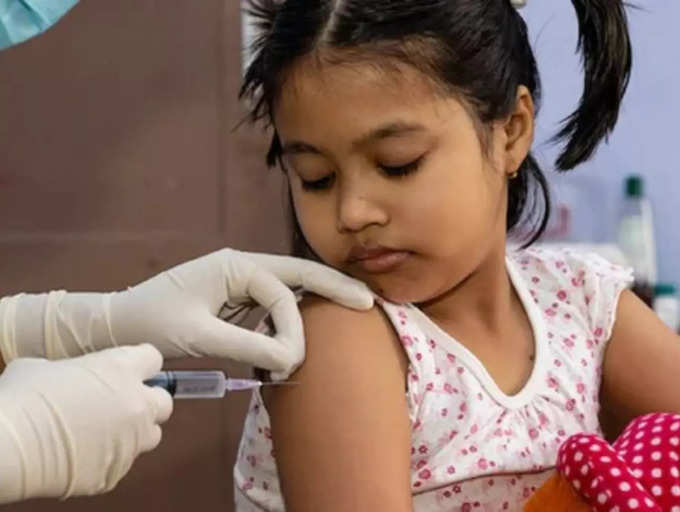
As we await the surge of a third wave to come up in India, Covaxin has become one of the first vaccines to have been granted emergency use nod. As per recommendations by the SEC (Subject Expert Committee), the vaccine has been selectively approved for use in kids aged between 2-18 years of age, and currently awaits DCGI approvals.

While experts are currently also awaiting a clearance from the WHO (World Health Organisation), it is being reported that the vaccine, which is an indigenous, inactivated vaccine developed by Hyderabad-based Bharat Biotech will be rolled out for kids in a phased manner, with the shots being first available for kids who may have comorbidities. It has also been argued that the vaccine would work in a rather similar manner, as it does for the adults. But what could the side-effects be like?


We delve into what a Covaxin rollout for children could look like:

readmore

Would kids require a lesser dosage of the vaccine?
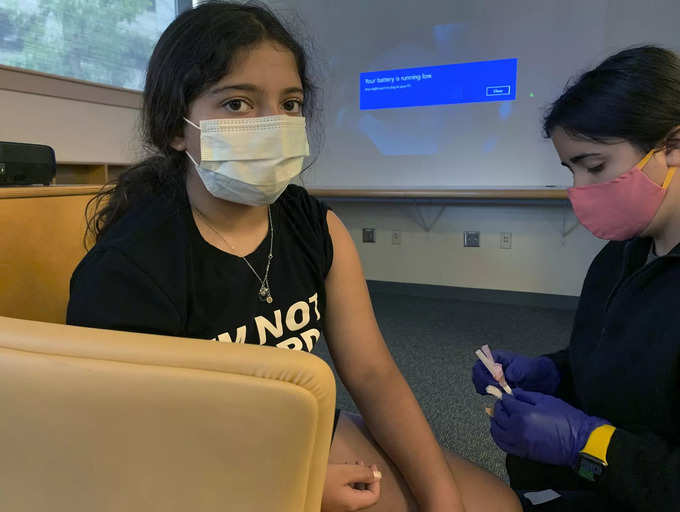
Covaxin works as a two-dose regimen to prompt a considerable immune response against the virus, delivered 28 days apart. While there have been some studies which have demonstrated that kids may require the use of a single dose, or a shorter-dose vaccine in comparison to adults, it's quite unlikely that kids in India will be given an altered dosage right now.


Nonetheless, while plans have been drawn up to make Covaxin doses available for kids' use in a phased manner, it is expected that kids, much like adults, would also need two doses of the vaccine to dole up an efficient immune response against the SARS-COV-2 and its variants.

readmore

What do we know about the side-effects of the vaccine?
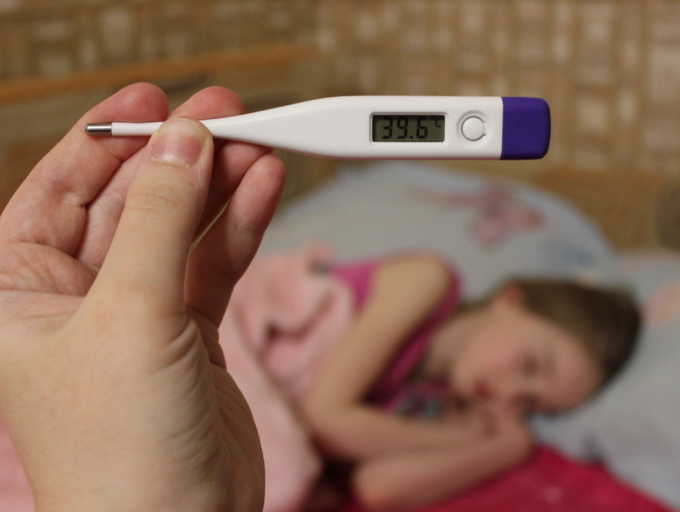
While Covaxin has been seen to cause fewer side-effects than other vaccines, the most common side-effects recorded with the vaccine's clinical testing on kids include flu-like symptoms, which are expected, and considered reactogenic.

Since the side-effects are taken to be a way the body builds up immunity, some of the side-effects which can be expected include fever, pain at the injection site, drowsiness, redness, body pain and fatigue, which tend to go away in 2-3 days time.

So far, adverse side-effects and reactions haven't been recorded with Covaxin but a monitoring committee will be set up. Kids who have sensitivity, or prior bad reaction to the vaccines may require more care.

Is it safe for immunocompromised kids to get the shot?
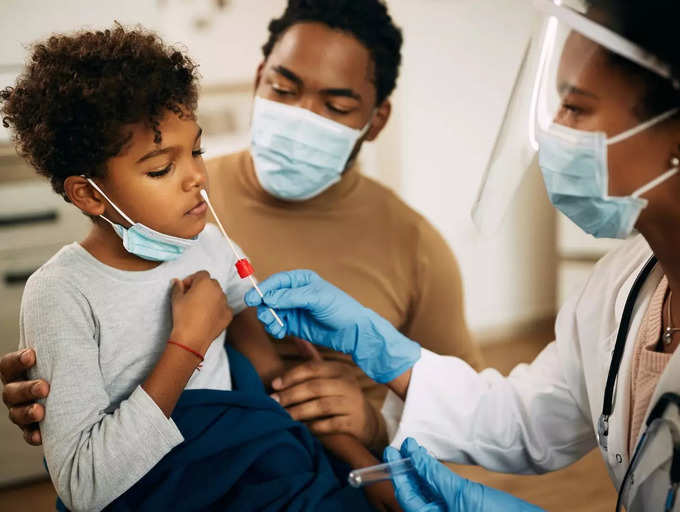
Being immunocompromised could make some individuals vulnerable to having an inefficient response to the vaccine and not get the right kind of response. Certain comorbidities and sensitivities could also make some parents hesitant about getting the shots. However, it should be remembered that kids who are at risk should be inoculated at the earliest, since not getting the vaccine could put them at a greater risk of severe COVID and encountering complications like MIS-C.

Is Covaxin for kids a nasal vaccine?
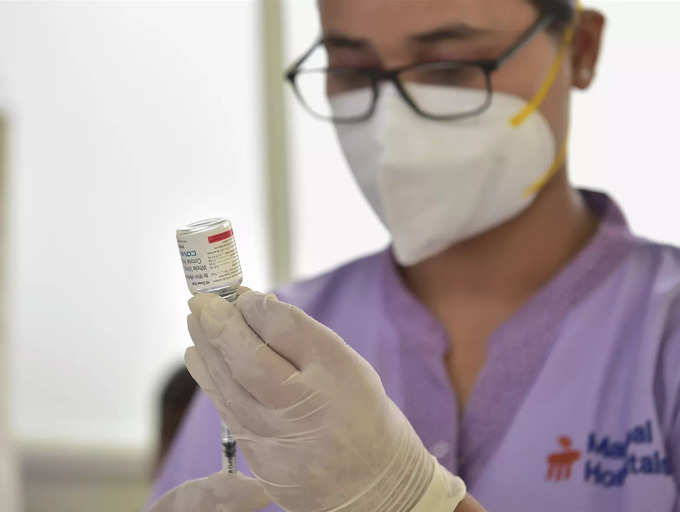
Covaxin is an intramuscular vaccine injected through the skin. Bharat Biotech is also working on developing nasal vaccines, wherein the injection doses are directed through the nasal cavity. Since nasal vaccines are easier to administer, and said to create a first-line defense (and hence be more efficient in rooting out the virus), nasal vaccines are considered to be a better choice for kids. However, it's unlikely that nasal vaccines would be made available for public use before the end of next year, since they are yet to enter clinical trials.


Zydus Cadila, however, is working on rolling out nasal vaccines for kids, which may be available for kids early next year.

readmore

Should you wait for the WHO nod for Covaxin? Would it make a difference?
Should you wait for the WHO nod for Covaxin? Would it make a difference?

While Covaxin has been granted emergency nods, it's yet to be fully approved for use by the WHO. Currently, only the vaccines approved by WHO are accepted globally.

Although Covaxin has been found to be relatively safe and meet requisite standards of efficacy, getting approvals from the WHO will not just provide a lot of reassurance, but also pave the way for wider acceptance.


This is only for your information, kindly take the advice of your doctor for medicines, exercises and so on.   

https://gscrochetdesigns.blogspot.com. one can see my crochet creations  
https://gseasyrecipes.blogspot.com. feel free to view for easy, simple and healthy recipes    
https://kneereplacement-stickclub.blogspot.com. for info on knee replacement

Labels: , , , , , , , , , ,

Tuesday, June 08, 2021

Weight Loss, Lung Lesions Among Severe Symptoms as New Covid Variant Found; Covaxin May Help

Warning of severe symptoms, Pune’s National Institute of Virology has found a new Covid-19 variant — B.1.1.28.2 — through genome sequencing of samples from international travelers from the United Kingdom and Brazil.

According to a report in Times of India, the findings of the pathogenicity evaluation show increased disease severity and point towards the need for screening of vaccine efficacy. The findings of the pre-print study have been published online on bioRxiv.

The new variant can lead to body weight loss, viral replication in the respiratory tract, lung lesions and was found to cause severe lung pathology in infected Syrian hamster model, the study said. However, two-dose Covaxin regimen has shown to significantly boost antibody and neutralising efficacy against the variant. This was found in an uncorrected manuscript of a separate study by NIV.

The study on the new variant pointed towards the necessity of genomic surveillance and characterisation of SARS-CoV-2 variants that will help to understand their pathogenicity and immune escape potential for preparedness of counter-measures.

According to the report, genome sequencing labs are looking at mutants, which have significant potential of severely affecting disease transmission. Currently, 10 national labs under Indian SARS-CoV-2 Genome Sequencing Consortia have sequenced around 30,000 samples. The government plans to ramp up genome sequencing and recently added 18 more labs to the consortium.

The detection of the new variant comes a week after the WHO said that only one strain of the Covid-19 Delta variant first detected in India was now considered “of concern”, while two other strains had been downgraded.

The B.1.617 variant of the virus, which has in part been blamed for India’s explosive outbreak, has been dubbed a triple mutant variant since it is split into three lineages.

The UN health agency last month declared the entire strain a “variant of concern”, or VOC, but on June 2, it said only one of the sub-lineages deserved that label. “It has become evident that greater public health risks are currently associated with B.1.617.2, while lower rates of transmission of other lineages have been observed,” the World Health Organization said in its weekly epidemiological update on the pandemic.

This is only for your information, kindly take the advice of your doctor for medicines, exercises and so on.   

https://gscrochetdesigns.blogspot.com. one can see my crochet creations  
https://gseasyrecipes.blogspot.com. feel free to view for easy, simple and healthy recipes    
https://kneereplacement-stickclub.blogspot.com. for info on knee replacement


Labels: , , , , , , , , ,

Thursday, April 29, 2021

Covishield, Covaxin, Sputnik V: Know the differences, similarities in parameters of three COVID-19 vaccines

India has two home-grown vaccines approved and deployed in current vaccination drive and a third one from Russia approved and awaiting delivery.  The registration process for those in 18-45 age group began on the government’s CoWIN platform on April 28 for vaccination is set to begin on May 1. Currently, the government-sponsored drive covers only those above 45 years at designated vaccination sites.

India is trying to accelerate its massive vaccination programme in the middle of a devastating second Covid-19 wave, the government has an also allowed sales of vaccines to private players. In a 'philanthropic gesture', the Serum Institute of India on Wednesday announced that it would sell its's COVID-19 vaccine 'Covishield' for Rs 300 to state governments, instead of the Rs 400 they had earlier decided.

Meanwhile, Covaxin, India's home-grown COVID-19 vaccine, has been found to neutralise the 617 variant of the deadly virus, White House chief medical adviser and America's top pandemic expert Dr Anthony Fauci said in Washington. The New York Times on Tuesday said Covaxin works by teaching the immune system to make antibodies against the SARS-CoV-2 coronavirus. The antibodies attach to viral proteins, such as the so-called spike proteins that stud its surface.

Both. Covaxin and Covishield are available to Indian citizens for free at government centres and at Rs 250 in private hospitals. Imported, fully ready-to-use foreign vaccines like Sputnik V will also become available in the open market post Saturday, May 1, . The Indian consumers will have to buy their vaccines once private sales begin or states buy stocks to vaccinate these people.

Here is a comparison between Covishield, Covaxin, and Sputnik V:

Vaccine Type of Vaccine Dosage and time gap between doses Storage and expiry Price in INR (Rs)
AstraZeneca (Covishield from SII - Pune) Viral Vector 2 injections, 12-week gap 2 to 8 Deg C, 6 months For govt: Rs 300 per dose to states and Rs 600 per dose to private hospitals
For citizens: Rs 250 in private hospitals and free at government centres
CoVaxin (Bharat Biotech, Hyderabad) Inactivated Virus 2 injections, 4-8 week gap 2 to 8 Deg C For govt: Rs 600 per dose for state governments and Rs 1,200 per dose for private hospitals
For citizens: Rs 250 in private hospitals and free at government centres
Sputnik V (Gamaleya - Russia  & Dr Reddy's) Viral Vector 2 injections;
21 days to 3 months
-18.55 Deg C (liquid form) and 2 to 8 Deg C (dry form) Not yet officially declared for India. Globally priced at $10 (approx Rs 750) per dose.
         

Sputnik uses two different vectors (carriers) for its vaccine, therefore its two doses are different. Both must be taken as prescribed. As for AstraZeneca's Covishield and Bharat Biotech's Covaxin, epidemic experts and virologist say that no two different vaccines must be mixed and matched for the two doses. 

For vaccines requiring multiple doses, the dose usually induces an immune response about three weeks later, but it can take up to eight weeks or longer for the antibodies to mature and become fully functional.

So even after taking the two doses as prescribed, people must continue with their COVID-19 safety protocol of washing hands with soap and water, social distancing, and masking up - apart from the other SOPs that help us stay safe.

This is only for your information, kindly take the advice of your doctor for medicines, exercises and so on.     

https://gscrochetdesigns.blogspot.com. one can see my crochet creations  
https://gseasyrecipes.blogspot.com. feel free to view for easy, simple and healthy recipes    
https://kneereplacement-stickclub.blogspot.com. for info on knee replacement


Labels: , , , , ,