Friday, June 11, 2021

7 Reasons for Night Sweat

Sweating is usually a natural necessary way for the body to cool itself when overheated. But excessive sweating at the wrong time can be pestering or even a cause for concern. Have you ever woken up in the middle of the night, or in the early morning, dripping in sweat as if you’ve just run a marathon?

If so, you’re not alone. Night sweats, or sleep hyperhidrosis, is quite common and usually doesn’t have to do with the temperature in the room. There is a variety of factors that might prompt night sweating, some more concerning than others. This is what you need to know about night sweats, the common causes, and when you need to consult a doctor. 
 
1. Gastroesophageal reflux disease (GERD)
GERD is a digestive disorder that makes patients experience recurring acid reflux - acidic stomach juices or food and fluids that travel back up from the stomach into the esophagus. If GERD is the reason you wake up sweaty, it will usually be accompanied by more classic symptoms of GERD, primarily heartburn. If you suspect that you suffer from this condition it is strongly recommended to see a doctor. Early treatment will minimize the risk of complications. 
 
Your physician may prescribe antacids or histamine H2 blockers. The latter also referred to simply as H2 blockers, work by decreasing your stomach acid production. Other recommended steps are to eat smaller meals, have dinner at least 2 hours before bedtime, and avoid trigger foods like those that are fatty, fried, or tomato-based.

2. Hormonal Disorders
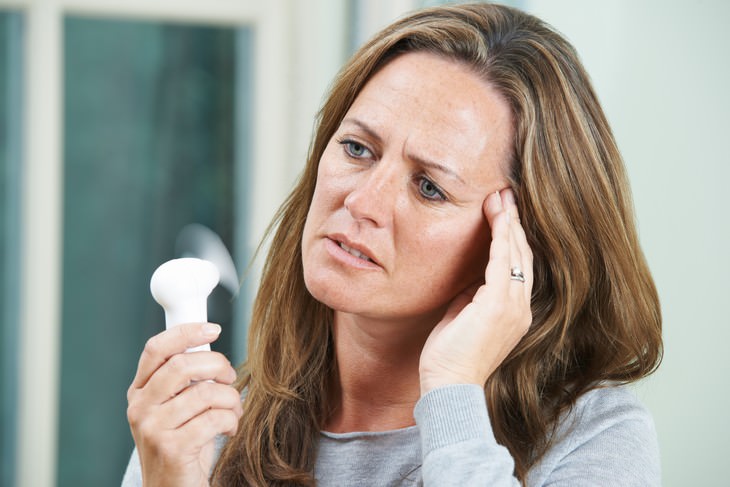
7 Causes of Night Sweat and When to be Concerned woman having hot flashes
The body’s temperature is controlled by an area of the brain called the hypothalamus which is also responsible for the production of certain hormones. When your hormones are out of balance, it may prevent the hypothalamus from regulating your body temperature properly. Two conditions that are caused by hormonal imbalances and are often the reason for night sweats are hyperthyroidism and menopause. 
 
Hyperthyroidism - the thyroid gland controls the metabolism, so when it produces too much thyroid hormones, your body goes into overdrive, and its temperature rises. You may feel hungrier or thirstier than usual, experience racing pulse or shaking hands, feel tired, and suffer night sweats. 
 
Menopause - This might be the most common hormonal fluctuation to cause night sweats. Perimenopause, also called menopause transition, occurs 7 to 14 years before menopause itself. It’s the time when the ovaries gradually start to produce less estrogen, and it usually lasts up until menopause itself, the point when the ovaries stop releasing eggs. 
 
More than 80% of women in perimenopause and menopause experience hot flashes — sudden, intense feelings of warmth. The sharp drop in the estrogen affects the body’s temperature regulation and often leads to night sweats. Menopausal night sweats are very common and not a cause for concern, although they can be uncomfortable. You may talk to your doctor about treating this symptom with medications that help replace estrogen.

3. Anxiety and Stress
Anxiety, worry, depression, or feeling overwhelmed do not magically disappear when you go to sleep. When you are not conscious you can’t actively think about the things that bother you during the day, but when you experience stress your brain produces an excess of the hormone cortisol. High levels of this hormone can cause disruptions in your sleep, including night sweats. Managing mental health is crucial for your physical wellbeing. Seek help from a counselor, therapist, or doctor if you feel that stress is causing ongoing disturbances in your daily life. Related Article: 10 Ways to Drastically Reduce Excessive Sweating 4. Certain Medications 7 Causes of Night Sweat and When to be Concerned medicaation Like Night sweats can be a side effect of certain medications. For example, it's very common among people who regularly take antidepressants. A study conducted in 2018 found that up to 14% of people on Selective Serotonin Reuptake Inhibitors (SSRIs) — the most common form of antidepressants — experience excessive sweating and night sweats. According to the study’s authors, the reason for that is that this kind of medication affects the areas of the brain which produce hormones and help control temperature and sweating. 
 
Other medications that might cause night sweats include triptan migraine medication, diabetes medication like Metformin or insulin, hormone-blocking medication, and even aspirin. If simple solutions like sleeping in lighter clothes or keeping the room cooler are insufficient, talk to your doctor about your concern.

4. Certain Medications
Night sweats can be a side effect of certain medications. For example, it's very common among people who regularly take antidepressants. A study conducted in 2018 found that up to 14% of people on Selective Serotonin Reuptake Inhibitors (SSRIs) — the most common form of antidepressants — experience excessive sweating and night sweats. According to the study’s authors, the reason for that is that this kind of medication affects the areas of the brain which produce hormones and help control temperature and sweating. 
 
Other medications that might cause night sweats include triptan migraine medication, diabetes medication like Metformin or insulin, hormone-blocking medication, and even aspirin. If simple solutions like sleeping in lighter clothes or keeping the room cooler are insufficient, talk to your doctor about your concern.

5. Infection
When you get sick with a viral or bacterial infection, the level of inflammation in your body will increase in order to fight off the intruder, and one of the ways it does that is by raising the body temperature. This can cause fever and night sweats. If you experience a combination of both of these symptoms, you may want to check with your doctor about the type of infection you have. 
 
Tuberculosis is one of the most common infections to cause night sweat, but there are also more serious conditions that are common culprits - like HIV and bacterial endocarditis (an infection of the inner lining of your heart and heart valves). “These conditions can produce chemicals called cytokines which combat infection. Cytokines can induce fever and night sweats,” explains Soma Mandal, MD, board-certified internist at Summit Medical Group, in Berkeley Heights, New Jersey. Your doctor will check for them based on your risk factors, additional symptoms, exposure, and travel history.
 
6. Sleep Apnea
Sleep Apnea is a condition that causes you to briefly stop breathing during sleep, usually several times at night. Obstructive sleep apnea can generally occur when something, like a throat tissue, is blocking your airway, while central sleep apnea can develop as a result of other health conditions affecting the function in your central nervous system. 
 
Because your body isn’t getting enough oxygen it may slip into ‘fight or flight’ mode, which triggers sweating. Moreover, each time your muscles need to kick-start breathing again, it requires a burst of work from them. This effort causes sweating. A 2013 study found that excessive sweating at night happens three times as often in people with untreated sleep apnea. If you suspect you’re suffering from this condition it is extremely important to seek medical help! 
 
7. Cancer
 The types of cancer most associated with night sweat are lymphoma and leukemia. These can start in different areas of the immune system like the spleen, bone marrow, lymph nodes, and the thymus. About a quarter of people with Hodgkin's lymphoma report getting night sweats. Other symptoms may include feeling tired, itchy, and experiencing pain where the tumor is after drinking alcohol. People with aggressive or advanced non-Hodgkin's lymphoma can get drenching night sweats, too. 
 
According to Healthline, most types of cancer will have other noticeable symptoms too, so there is probably no need to panic at the first sight of night sweat. It’s recommended to seek medical help if you experience night sweats, fatigue, and generally feel unwell for more than 2 weeks. Other signs to look out for are a persistent fever and unexplained weight loss. 
 
When Do Night Sweats Become a Cause for Concern? 
Generally speaking, experts claim that night sweats by themselves are not always a cause for worry. That's especially true if they're happening for a common reason — like if you're going through menopause or taking SSRIs. Take note of any additional symptoms you experience, alongside night sweats, like fever, weight loss, general malaise, or change in appetite. This is usually an indication of a bigger underlying problem.

This is only for your information, kindly take the advice of your doctor for medicines, exercises and so on.   

https://gscrochetdesigns.blogspot.com. one can see my crochet creations  
https://gseasyrecipes.blogspot.com. feel free to view for easy, simple and healthy recipes    
https://kneereplacement-stickclub.blogspot.com. for info on knee replacement

Labels: , , , , , , , , , ,

Monday, June 01, 2020

7 Reasons for Night Sweat

Sweating is usually a natural necessary way for the body to cool itself when overheated. But excessive sweating at the wrong time can be pestering or even a cause for concern. Have you ever woken up in the middle of the night, or in the early morning, dripping in sweat as if you’ve just run a marathon?
If so, you’re not alone. Night sweats, or sleep hyperhidrosis, is quite common and usually doesn’t have to do with the temperature in the room. There is a variety of factors that might prompt night sweating, some more concerning than others. This is what you need to know about night sweats, the common causes, and when you need to consult a doctor. 
1. Gastroesophageal reflux disease (GERD)
GERD is a digestive disorder that makes patients experience recurring acid reflux-  acidic stomach juices or food and fluids that travel back up from the stomach into the esophagus. If GERD is the reason you wake up sweaty, it will usually be accompanied by more classic symptoms of GERD, primarily heartburn. If you suspect that you suffer from this condition it is strongly recommended to see a doctor. Early treatment will minimize the risk of complications.
Your physician may prescribe antacids or histamine H2 blockers. The latter also referred to simply as H2 blockers, work by decreasing your stomach acid production. Other recommended steps are to eat smaller meals, have dinner at least 2 hours before bedtime, and avoid trigger foods like those that are fatty, fried, or tomato-based.

2. Hormonal Disorders

The body’s temperature is controlled by an area of the brain called the hypothalamus which is also responsible for the production of certain hormones. When your hormones are out of balance, it may prevent the hypothalamus from regulating your body temperature properly. Two conditions that are caused by hormonal imbalances and are often the reason for night sweats are hyperthyroidism and menopause. 
  • Hyperthyroidism - the thyroid gland controls the metabolism, so when it produces too much thyroid hormones, your body goes into overdrive, and its temperature rises. You may feel hungrier or thirstier than usual, experience racing pulse or shaking hands, feel tired, and suffer night sweats.
     
  • Menopause -  This might be the most common hormonal fluctuation to cause night sweats. Perimenopause, also called menopause transition, occurs 7 to 14 years before menopause itself. It’s the time when the ovaries gradually start to produce less estrogen, and it usually lasts up until menopause itself, the point when the ovaries stop releasing eggs.

    More than 80% of women in perimenopause and menopause experience hot flashes — sudden, intense feelings of warmth. The sharp drop in the estrogen affects the body’s temperature regulation and often leads to night sweats. Menopausal night sweats are very common and not a cause for concern, although they can be uncomfortable. You may talk to your doctor about treating this symptom with medications that help replace estrogen.

3. Anxiety and Stress

Anxiety, worry, depression, or feeling overwhelmed do not magically disappear when you go to sleep. When you are not conscious you can’t actively think about the things that bother you during the day, but when you experience stress your brain produces an excess of the hormone cortisol. High levels of this hormone can cause disruptions in your sleep, including night sweats.  
Managing mental health is crucial for your physical wellbeing. Seek help from a counselor, therapist, or doctor if you feel that stress is causing ongoing disturbances in your daily life.

4. Certain Medications

Night sweats can be a side effect of certain medications. For example, it's very common among people who regularly take antidepressants. A study conducted in 2018 found that up to 14% of people on Selective Serotonin Reuptake Inhibitors (SSRIs) — the most common form of antidepressants — experience excessive sweating and night sweats. According to the study’s authors, the reason for that is that this kind of medication affects the areas of the brain which produce hormones and help control temperature and sweating. 
Other medications that might cause night sweats include triptan migraine medication, diabetes medication like Metformin or insulin, hormone-blocking medication, and even aspirin. If simple solutions like sleeping in lighter clothes or keeping the room cooler are insufficient, talk to your doctor about your concern.

5. Infection

When you get sick with a viral or bacterial infection, the level of inflammation in your body will increase in order to fight off the intruder, and one of the ways it does that is by raising the body temperature. This can cause fever and night sweats. If you experience a combination of both of these symptoms, you may want to check with your doctor about the type of infection you have.
Tuberculosis is one of the most common infections to cause night sweat, but there are also more serious conditions that are common culprits - like HIV and bacterial endocarditis (an infection of the inner lining of your heart and heart valves). “These conditions can produce chemicals called cytokines which combat infection. Cytokines can induce fever and night sweats,” explains Soma Mandal, MD, board-certified internist at Summit Medical Group, in Berkeley Heights, New Jersey. Your doctor will check for them based on your risk factors, additional symptoms, exposure, and travel history.

6. Sleep Apnea

Sleep Apnea is a condition that causes you to briefly stop breathing during sleep, usually several times at night. Obstructive sleep apnea can generally occur when something, like a throat tissue, is blocking your airway, while central sleep apnea can develop as a result of other health conditions affecting the function in your central nervous system.
Because your body isn’t getting enough oxygen it may slip into ‘fight or flight’ mode, which triggers sweating. Moreover, each time your muscles need to kick-start breathing again, it requires a burst of work from them. This effort causes sweating. A 2013 study found that excessive sweating at night happens three times as often in people with untreated sleep apnea. If you suspect you’re suffering from this condition it is extremely important to seek medical help! 

7. Cancer

The types of cancer most associated with night sweat are lymphoma and leukemia. These can start in different areas of the immune system like the spleen, bone marrow, lymph nodes, and the thymus. About a quarter of people with Hodgkin's lymphoma report getting night sweats. Other symptoms may include feeling tired, itchy, and experiencing pain where the tumor is after drinking alcohol. People with aggressive or advanced non-Hodgkin's lymphoma can get drenching night sweats, too.

According to doctors, most types of cancer will have other noticeable symptoms too, so there is probably no need to panic at the first sight of night sweat. It’s recommended to seek medical help if you experience night sweats, fatigue, and generally feel unwell for more than 2 weeks. Other signs to look out for are a persistent fever and unexplained weight loss. 
 

When Do Night Sweats Become a Cause for Concern?

Generally speaking, experts claim that night sweats by themselves are not always a cause for worry. That's especially true if they're happening for a common reason — like if you're going through menopause or taking SSRIs. Take note of any additional symptoms you experience, alongside night sweats, like fever, weight loss, general malaise, or change in appetite. This is usually an indication of a bigger underlying problem.

This is only for your information, kindly take the advice of your doctor for medicines, exercises and so on.     

https://gscrochetdesigns.blogspot.com. one can see my crochet creations  
https://gseasyrecipes.blogspot.com. feel free to view for easy, simple and healthy recipes    
https://kneereplacement-stickclub.blogspot.com. for info on knee replacement


Labels: , , , , , , , , , , , ,

Wednesday, December 11, 2019

Daughters of Women With PCOS Five Times More Likely to Inherit the Disorder

The exact cause of polycystic ovary syndrome (PCOS) hasn’t been well researched to date, but a new study has now found daughters of women who have PCOS are five times more likely to inherit the condition compared to those born to women who don’t have PCOS.

Researchers also identified four alterations in genetic function present in both daughters of women who have PCOS as well as unrelated women with PCOS, helping to clarify a long-suspected hereditary genetic predisposition to the condition and raising the possibility of a screening test in the future.

PCOS is a hormonal disorder in which women of reproductive age may experience infrequent or prolonged menstrual periods or produce male hormones, known as androgens, in excess. This may cause them to develop excess body hair, acne, and even suffer from fertility problems.

Researchers of the current study,  said when pregnant, women with PCOS have higher levels of the androgen hormone that increases the likelihood for their daughters to develop PCOS later in life.

They reached the above conclusion after studying both humans and mice. Scientists from Sweden-based Karolinska Institute studied 21 Chilean women whose mothers were diagnosed with PCOS and 14 women whose mothers didn’t have the condition. Of this group, 15 women were found to show symptoms of PCOS, whereas, of those whose mothers didn’t have PCOS, only one was diagnosed with the disorder.

In addition to this study group, scientists also analyzed data from 29,000 Swedish women, of which more than 2,000 women’s mothers had PCOS. The results showed that 3.4% of women whose mothers had PCOS were also later diagnosed with the disorder themselves a rate roughly five times higher than the 0.6% diagnosis rate among women whose mothers didn’t have PCOS.

“Our work shows that the daughters of women with PCOS have an increased risk of developing the disorder,” said the lead author of the study, Elisabet Stener-Victorin, to The Guardian. “This is an under-recognized condition. Many women out there have either diagnosed themselves or are not diagnosed and are not feeling good.”

To further study how this condition is inherited, researchers led animal studies wherein pregnant mice were given injections of testosterone, an androgen, in order to mimic PCOS in mothers. They found the resulting female pups displayed PCOS-like symptoms, which were passed on for up to three generations. Each generation showed the same, unique altered gene function as well.

One in 5 women in India have PCOS ; globally, according to the World Health Organization, it is known to have affected about 2% to 26% women, and many women remain undiagnosed, per another study. Despite its prevalence, PCOS remains an under-recognized condition; for as many as one-third of women, it takes more than two years and consultations with at least three health professionals to establish a diagnosis for PCOS and start treatment.

Therefore, “if further work confirms the genes’ role in PCOS, they could potentially form the basis for a screening test in young women,” said Stener-Victorin to The Guardian. “It is very important for women with PCOS to be diagnosed and treated, if possible maybe lowering the androgen levels, because it may affect their future children and grandchildren.”

this is only for your information, kindly take the advice of your doctor for medicines, exercises and so on.     
https://gscrochetdesigns.blogspot.com. one can see my crochet creations  
https://gseasyrecipes.blogspot.com. feel free to view for easy, simple and healthy recipes    
https://kneereplacement-stickclub.blogspot.com. for info on knee replacement


Labels: , , , , , , , ,

Wednesday, January 24, 2018

Consuming dietary fibre like peas, broccoli can help prevent obesity

Obesity is one of the biggest health problems at present, that is rapidly becoming a part of everyone's life. The rising number of obese people around the world just goes to show how we are allowing a particular lifestyle to dictate us into an unhealthy state of being.

Obesity is also a trigger for many other health problems like diabetes, hypertension and hormonal disorders.

Eating healthy is the first thing that comes to mind when one decides to lose weight, besides regular exercise.

While various diets are always available, a study has suggested adding dietary fibre like peas, broccoli, raspberries, blackberries, coconut and figs in your daily diet to avoid chances of obesity.

According to  researchers, consumption of dietary fibre can prevent obesity, metabolic syndrome and adverse changes in the intestine by promoting the growth of "good" bacteria in the colon.

The findings indicated that enriching the diet of mice with the fermentable fibre insulin prevented metabolic syndrome that is induced by a high-fat diet and they identified specifically how this occurs in the body.

Metabolic syndrome is a cluster of conditions closely linked to obesity that includes increased blood pressure, high blood sugar, excess body fat around the waist and abnormal cholesterol or triglyceride levels and when these conditions occur together, they increase a person's risk of heart disease, stroke and diabetes.

Obesity and metabolic syndrome are associated with alterations in gut microbiota, the microorganism population that lives in the intestine.

This study found the fermentable fibre inulin restored gut health and protected mice against metabolic syndrome induced by a high-fat diet by restoring gut microbiota levels, increasing the production of intestinal epithelial cells and restoring expression of the protein interleukin-22 (IL-22), which prevented gut microbiota from invading epithelial cells.

Researcher said that manipulating dietary fibre content, particularly by adding fermentable fibre, guards against metabolic syndrome.

For four weeks, the team fed mice either a grain-based rodent chow, a high-fat diet (high fat and low fibre content with 5 percent cellulose as a source of fibre) or a high-fat diet supplemented with fibre (either fermentable inulin fibre or insoluble cellulose fibre).

The high-fat diet is linked to an increase in obesity and conditions associated with metabolic syndrome.

The results indicated that insoluble cellulose fibre only modestly reduced obesity and dysglycemia.

When they switched mice back to a chow diet, the colon mass was fully restored.
 
THIS IS ONLY FOR INFORMATION, ALWAYS CONSULT YOU PHYSICIAN BEFORE HAVING ANY PARTICULAR FOOD/ MEDICATION/EXERCISE/OTHER REMEDIES.    
PS- THOSE INTERESTED IN RECIPES ARE FREE TO VIEW MY BLOG-                      
HTTP:GSEASYRECIPES.BLOGSPOT.COM/
FOR INFO ABOUT KNEE REPLACEMENT, YOU CAN VIEW MY BLOG-                                                        
HTTP://KNEE REPLACEMENT-STICK CLUB.BLOGSPOT.COM/
FOR CROCHET DESIGNS

HTTP://MY CROCHET CREATIONS.BLOGSPOT.COM

Labels: , , , , , , , , , , , , , , , ,