Saturday, September 20, 2025

How to spot PCOS in teen girls: 4 key symptoms and when to see a doctor

Polycystic Ovary Syndrome (PCOS) is a very common hormonal disorder in teenage girls and young women. But identifying it early isn't always simple. Many signs of PCOS may appear as normal teenage changes, which makes it difficult to identify.

Medical experts frequently emphasise that awareness is paramount when it comes to PCOS. The sooner PCOS is diagnosed, the sooner it can be treated through lifestyle modifications and medical care. The following are four signs parents and young girls must never overlook.

4 early signs of PCOS in girls

Irregular periods

One of the earliest warning signs is irregular or absent periods. Although some variation is to be expected in the first two years after menarche, recurrent gaps of over 35–40 days, extremely heavy bleeding, or months of no period could indicate a hormonal imbalance associated with PCOS.

Excess hair growth or acne

Unwanted hair growth on the face, chest, or belly (a condition called hirsutism) and acne that's hard to clear are frequent early symptoms. Both are caused by elevated levels of androgens, or male hormones, in the body.

Weight gain

Girls with PCOS tend to gain weight easily, particularly in the belly area. This isn't a matter of overeating; insulin resistance comes into play, and it becomes harder to maintain weight.

Hair loss or scalp changes

While extra hair growth is seen by some girls, others might notice thinning of the hair or balding patches on the scalp. This is a result of the same hormonal imbalance that causes acne and hirsutism.

When to see a doctor

If irregular periods, excessive hair growth, persistent acne, or weight fluctuations persist for a few months, it's high time to visit a gynaecologist or an endocrinologist. Early medical consultation aids in ascertaining whether it is PCOS or some other hormonal disorder. Physicians can suggest blood tests and ultrasounds for the diagnosis, followed by customised treatment and lifestyle counselling.

PCOS may not always appear with stunning symptoms, yet these covert signs can be the body's initial SOS. If a girl has two or more of these on a regular basis, it's time to see a doctor for proper assessment. Being diagnosed early means being treated early, helping to control symptoms, enhance fertility health, and improve overall confidence.


This is only for your information, kindly take the advice of your doctor for medicines, exercises and so on.   

https://gscrochetdesigns.blogspot.com. one can see my crochet creations  
https://gseasyrecipes.blogspot.com. feel free to view for easy, simple and healthy recipes    
https://kneereplacement-stickclub.blogspot.com. for info on knee replacement
https://GSiyers home remedies.blogspot.com   is the latest addition to my blogs


Labels: , , , , , , ,

Wednesday, March 09, 2022

Secondary hypertension: Know what it is and who are at risk

All you need to know about secondary hypertension

Even though high blood pressure or hypertension is a prevalent health complication, about 70 per cent of the cases go undiagnosed in India. One of the reasons is the lack of awareness about the causes and risk factors, particularly among the rural population which further trickles down to low treatment rates, predisposing people to life-threatening conditions. Many do not even know that there are two types of hypertension - primary and secondary. Primary hypertension is the most common one caused due to poor lifestyle habits or family history, while secondary hypertension is usually a result of other medical conditions. Accounting for about 10 per cent of all cases of high blood pressure, it often goes undiagnosed.

​Understanding secondary hypertension

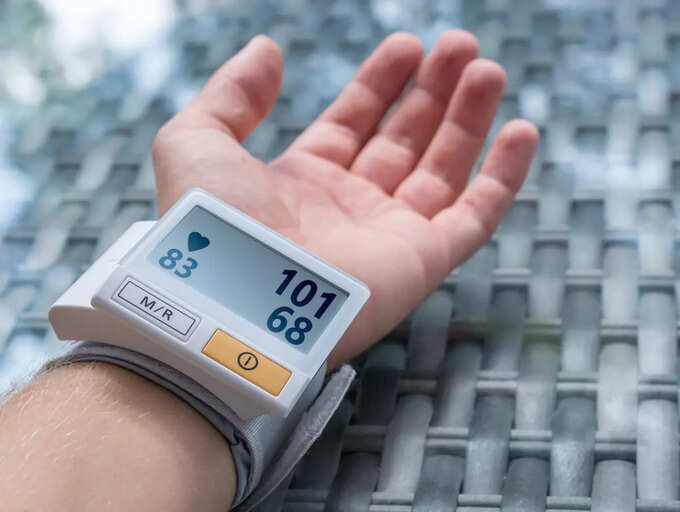
High blood pressure is characterised by having a higher amount of pressure in your blood vessels than normal. It is evaluated by a systolic and diastolic number that appears on the blood pressure monitoring machine.

Secondary hypertension is caused as the result of a known disease or condition that the patient has been suffering for a long time. This type of hypertension differs from primary hypertension in many ways. Proper treatment for secondary hypertension can also help to control the underlying health condition and reduce the risk of health-related complications. 

​Symptoms of secondary hypertension

Just like primary hypertension, secondary hypertension has subtle signs. Even if it reaches a dangerous level, it is difficult to detect if one is not careful about it. If you have been diagnosed with high blood pressure, these common signs indicate that you probably have secondary hypertension:

A condition that is unmanageable with blood pressure medication

Very high blood pressure

Sudden-onset high blood pressure at a younger age

No family history of high blood pressure

No obesity

Causes of secondary hypertension

Several chronic conditions can make your blood pressure level shoot up. Managing high blood pressure can also help to reduce the symptoms of other underlying health conditions. Some of the reasons one may develop secondary hypertension are:

Diabetes: Unmanaged diabetes can put excessive pressure on the kidneys to flush out sugar from the blood. This condition over time can spike the blood pressure level.

Polycystic kidney disease: Cysts in your kidneys can obstruct the normal functioning of the kidneys, leading to a spike in blood pressure level.

Renovascular hypertension: This type of high blood pressure is caused when the arteries leading to your kidneys narrow down.

Cushing syndrome: High cortisol levels for a long time can lead to Cushing syndrome and its medication may cause secondary hypertension.

Hormonal disorder: Thyroid disorder or Aldosteronism can also impact your kidneys leading to a rise in the blood pressure level.

Sleep apnea: Severe snoring during sleep that causes obstruction in getting a sufficient amount of oxygen can damage the lining of the blood vessel, leading to high blood pressure.

Apart from these other conditions like obesity, pregnancy and excessive intake of some over-the-counter drugs can also lead to secondary hypertension. 

Treatment

To treat hypertension first the underlying condition that increases the blood pressure level needs to be treated. Once the underlying condition is treated, the blood pressure will go back to normal. Depending on your condition, the doctor will prescribe you medication, lifestyle changes and other treatment options to control your blood pressure level.  


This is only for your information, kindly take the advice of your doctor for medicines, exercises and so on.   

https://gscrochetdesigns.blogspot.com. one can see my crochet creations  
https://gseasyrecipes.blogspot.com. feel free to view for easy, simple and healthy recipes    
https://kneereplacement-stickclub.blogspot.com. for info on knee replacement


Labels: , , , , , , , ,

Wednesday, December 01, 2021

Two signs that helped American actress to realise she had PCOS; other common and uncommon signs of PCOS

Keke Palmer realised she has PCOS due to these two conditions

From diet change to increasing water intake, multiple tests to medications, American actress Keke Palmer did everything she was told to manage her acne. Only when nothing seemed to work out, she doubted that the problem was much deeper and affecting her health more severely than what appeared at the surface. When she evaluated other issues she was facing, she realised that she was suffering from PCOS.

In a recent episode of an American talk program, The Tamron Hall Show, the 28-year-old actress spoke about her fight with PCOS, a condition that was misdiagnosed for several years in her case. She revealed that it was her adult acne and beard hair that appeared every other day after shaving, made her dig deeper and she came upon PCOS.

“I kind of discovered that that's what I was dealing with, and it answered a lot of the questions to, not only why I had acne, but why I grow hair on my face or under my chin,” she said on the talk show. “I kind of have a low-key beard going on that I have to shave every couple of days.”

What is PCOS?

PCOS is a hormonal disorder common among women of reproductive age. In this condition the body produces higher-than-normal amounts of male hormones, leading to hormonal imbalance. The ovaries may develop small collections of fluid (follicles) and fail to regularly release eggs. There is no test to definitively diagnose PCOS. The condition is generally characterised by missed or irregular periods, which also leads to delayed or misdiagnosis in most cases.

​What causes PCOS?

As per Dr Danny Laliwala, Consultant, Department of Obstetrics and Gynaecology, Jaslok Hospital and Research Centre, Mumbai, PCOS is caused by unhealthy lifestyle and dietary habits, but certain genes might also be linked to the condition. "In some cases, the condition runs in the family. If the mother has PCOS, the daughter is also likely to develop the condition," he said. At the current time, the condition has become more prevalent because of the lifestyle habits among the younger generation.

Studies suggest that women who have insulin resistance are also at risk of developing this condition.

Common symptoms of PCOS

Irregular menstrual cycle: Missed periods, irregular periods, very light or heavy periods all are signs of PCOS. Of all delays of a period is witnessed in most cases, suggests Dr Laliwala.

Bigger ovaries: As per Dr Gauri Agarwal, Gynaecologist, Infertility Expert, Seeds of Innocence, Delhi, hormonal imbalance may also lead to the formation of cysts in the ovaries, which further increases their size. "In some cases, the condition even makes it harder for women to conceive, she added.

Common symptoms of PCOS

Weight gain: Most women suffering from PCOS are either obese or overweight. PCOS and weight gain are directly linked with each other. The higher your weight, the higher the chances of irregular periods and vice versa.

Hair growth and acne: "Excessive hair growth occurs in PCOS patients due to hormonal imbalance. This includes chest, stomach, and back hair. Facial hair on the chin or above the lips is also common," said Dr Agarwal. "The hormonal condition may even cause hair thinning and, in some cases, baldness, '' she added. Besides, acne and oily skin are other prominent signs of the condition.

​Uncommon symptoms

​Uncommon symptoms

Thickening of skin: Dr Laliwala reveals that thickening of the skin is also witnessed in some cases of PCOS. "Thick and pigmented skin at the fold and back of the neck are common," he said. The skin has a rough texture and velvety appearance. It is generally linked with insulin resistance.

Mood swings and headaches: Irritability and mood swings are also associated with PCOS. Some women feel depressed or anxious or have a headache when suffering from the condition.

Sleep problems: It is witnessed that in some cases, the women suffering from the condition have difficulty in falling asleep, which makes them feel tired the other morning. 

​Who is at risk?

​Who is at risk?

Data suggest that the condition affects approximately one in every five (20%) Indian women. As per Dr Agarwal, the risk of developing the condition is greater among overweight women due to their poor lifestyle, eating habits, and lack of physical activity. Urban Indian women may be at a higher risk than those living in rural areas. Apart from that, genes also have an important role to play. 

This is only for your information, kindly take the advice of your doctor for medicines, exercises and so on.   

https://gscrochetdesigns.blogspot.com. one can see my crochet creations  
https://gseasyrecipes.blogspot.com. feel free to view for easy, simple and healthy recipes    
https://kneereplacement-stickclub.blogspot.com. for info on knee replacement


Labels: , , , , , , , , , ,