Sunday, April 03, 2022

Reasons why some people feel colder or hotter than others

Why some people feel colder or hotter than other people
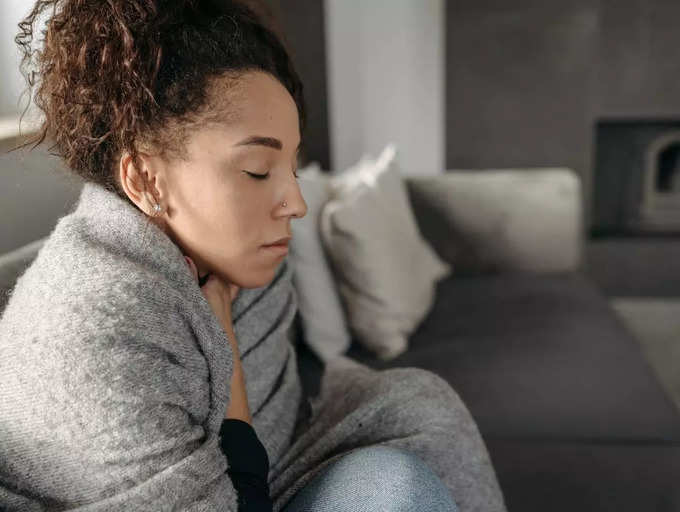
Have you ever come across people who constantly complain about feeling too hot or too cold, while you sat there feeling the complete opposite? Probably yes! At home or at the office, there's always this one person expressing dissatisfaction about the thermostat settings, about the air conditioner being too low or too high and so on.

The average normal body temperature is generally said to be 98.6°F (37°C). What is important to understand is that body temperatures may vary from person to person depending on their age, activity and the time of the day. While all humans are warm blooded and can regulate their body temperatures, there are some people who may feel colder or hotter than other individuals. This could be due to several factors. Let us take a look at them.

Age
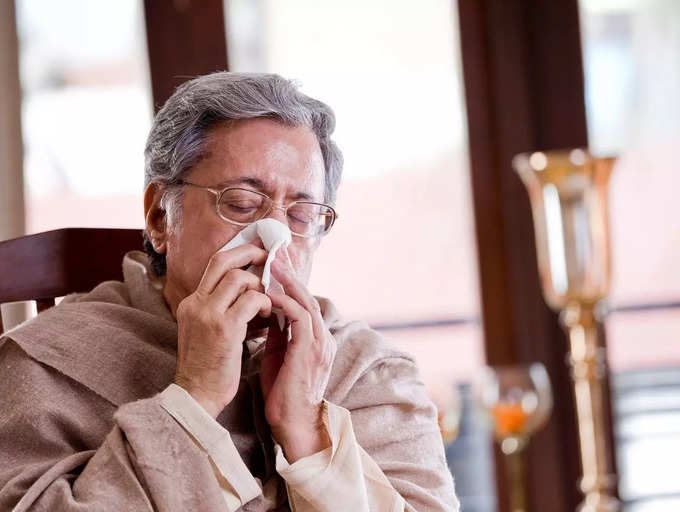
As compared to younger adults, older people are unable to regulate their body temperatures. This is because as we age, our metabolism starts to slow down. A slower metabolism can then cause the body temperature to drop, which is why older people are more prone to hypothermia and must keep themselves well covered at all times. Leading a sedentary life may also give rise to such problems. 

Sex

The female body has less muscle mass as compared to men which is why it generates a lesser amount of heat from the skin pores, making them feel colder than the men, even with the same room temperature, explains Dr. Rob Danoff, a physician from Philadelphia.

However, when it comes to menopausal, middle-aged women, they may feel warmer than their male counterparts. This is not because they develop muscle mass but because they experience certain hormonal changes, as per the expert.

Why size matters

As per experts, body size can also be one of the reasons why some people feel hotter or colder than others. The larger the body, the greater the heat sink, hence leading to a longer time to cool down, says Ollie Jay, a researcher of physiology at the University of Sydney.

Body fat
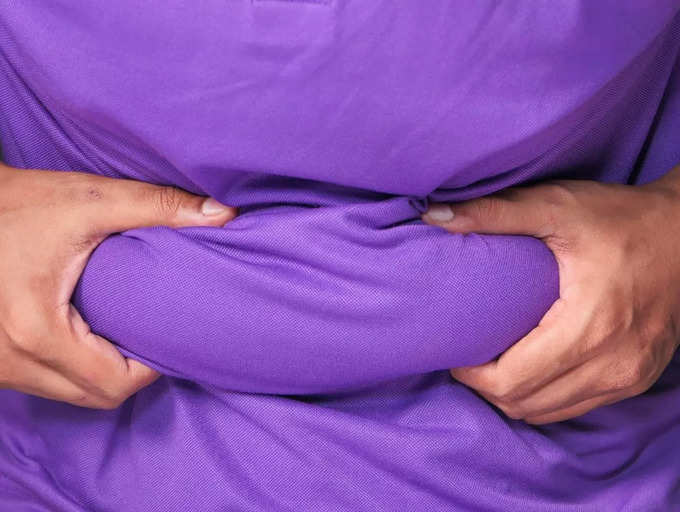
Studies have shown people who have a larger amount of fat in the body may feel warmer than those who are leaner. It is because the extra fat is said to heat up the body, since it acts like an extra layer of clothing.

However, in some circumstances, obese and overweight people may feel colder than people who have normal weight. This has to do with the function of the circulatory system. That said, when you feel hot, the blood vessels widen, which allows the blood to flow through them and reach the skin, from where the excess heat is excreted. But since subcutaneous fat traps heat, it keeps the core warm, while cooling down the skin surface. This according to Catherine O’Brien, a research physiologist with the U.S. Army Research Institute of Environmental Medicine, may result in obese people feeling colder than others. 

Medical conditions

Certain medical conditions may also affect people's body temperature.

For instance, hypothyroidism, which is also known as underactive thyroid, is when the thyroid gland does not produce enough hormones that helps regulate important bodily functions like metabolism, energy levels and so on, it could lead to making a person feel colder.

Raynaud’s disease is a condition that causes certain parts of the body such as the toes and the fingers to feel cold and numb, especially in cold temperatures or due to stress. In this, small arteries become narrower, limiting the flow of the blood to affected areas. 


This is only for your information, kindly take the advice of your doctor for medicines, exercises and so on.   

https://gscrochetdesigns.blogspot.com. one can see my crochet creations  
https://gseasyrecipes.blogspot.com. feel free to view for easy, simple and healthy recipes    
https://kneereplacement-stickclub.blogspot.com. for info on knee replacement


Labels: , , , , , , ,

Wednesday, March 09, 2022

Secondary hypertension: Know what it is and who are at risk

All you need to know about secondary hypertension

Even though high blood pressure or hypertension is a prevalent health complication, about 70 per cent of the cases go undiagnosed in India. One of the reasons is the lack of awareness about the causes and risk factors, particularly among the rural population which further trickles down to low treatment rates, predisposing people to life-threatening conditions. Many do not even know that there are two types of hypertension - primary and secondary. Primary hypertension is the most common one caused due to poor lifestyle habits or family history, while secondary hypertension is usually a result of other medical conditions. Accounting for about 10 per cent of all cases of high blood pressure, it often goes undiagnosed.

​Understanding secondary hypertension

High blood pressure is characterised by having a higher amount of pressure in your blood vessels than normal. It is evaluated by a systolic and diastolic number that appears on the blood pressure monitoring machine.

Secondary hypertension is caused as the result of a known disease or condition that the patient has been suffering for a long time. This type of hypertension differs from primary hypertension in many ways. Proper treatment for secondary hypertension can also help to control the underlying health condition and reduce the risk of health-related complications. 

​Symptoms of secondary hypertension

Just like primary hypertension, secondary hypertension has subtle signs. Even if it reaches a dangerous level, it is difficult to detect if one is not careful about it. If you have been diagnosed with high blood pressure, these common signs indicate that you probably have secondary hypertension:

A condition that is unmanageable with blood pressure medication

Very high blood pressure

Sudden-onset high blood pressure at a younger age

No family history of high blood pressure

No obesity

Causes of secondary hypertension

Several chronic conditions can make your blood pressure level shoot up. Managing high blood pressure can also help to reduce the symptoms of other underlying health conditions. Some of the reasons one may develop secondary hypertension are:

Diabetes: Unmanaged diabetes can put excessive pressure on the kidneys to flush out sugar from the blood. This condition over time can spike the blood pressure level.

Polycystic kidney disease: Cysts in your kidneys can obstruct the normal functioning of the kidneys, leading to a spike in blood pressure level.

Renovascular hypertension: This type of high blood pressure is caused when the arteries leading to your kidneys narrow down.

Cushing syndrome: High cortisol levels for a long time can lead to Cushing syndrome and its medication may cause secondary hypertension.

Hormonal disorder: Thyroid disorder or Aldosteronism can also impact your kidneys leading to a rise in the blood pressure level.

Sleep apnea: Severe snoring during sleep that causes obstruction in getting a sufficient amount of oxygen can damage the lining of the blood vessel, leading to high blood pressure.

Apart from these other conditions like obesity, pregnancy and excessive intake of some over-the-counter drugs can also lead to secondary hypertension. 

Treatment

To treat hypertension first the underlying condition that increases the blood pressure level needs to be treated. Once the underlying condition is treated, the blood pressure will go back to normal. Depending on your condition, the doctor will prescribe you medication, lifestyle changes and other treatment options to control your blood pressure level.  


This is only for your information, kindly take the advice of your doctor for medicines, exercises and so on.   

https://gscrochetdesigns.blogspot.com. one can see my crochet creations  
https://gseasyrecipes.blogspot.com. feel free to view for easy, simple and healthy recipes    
https://kneereplacement-stickclub.blogspot.com. for info on knee replacement


Labels: , , , , , , , ,