Wednesday, March 09, 2022

Secondary hypertension: Know what it is and who are at risk

All you need to know about secondary hypertension

Even though high blood pressure or hypertension is a prevalent health complication, about 70 per cent of the cases go undiagnosed in India. One of the reasons is the lack of awareness about the causes and risk factors, particularly among the rural population which further trickles down to low treatment rates, predisposing people to life-threatening conditions. Many do not even know that there are two types of hypertension - primary and secondary. Primary hypertension is the most common one caused due to poor lifestyle habits or family history, while secondary hypertension is usually a result of other medical conditions. Accounting for about 10 per cent of all cases of high blood pressure, it often goes undiagnosed.

​Understanding secondary hypertension

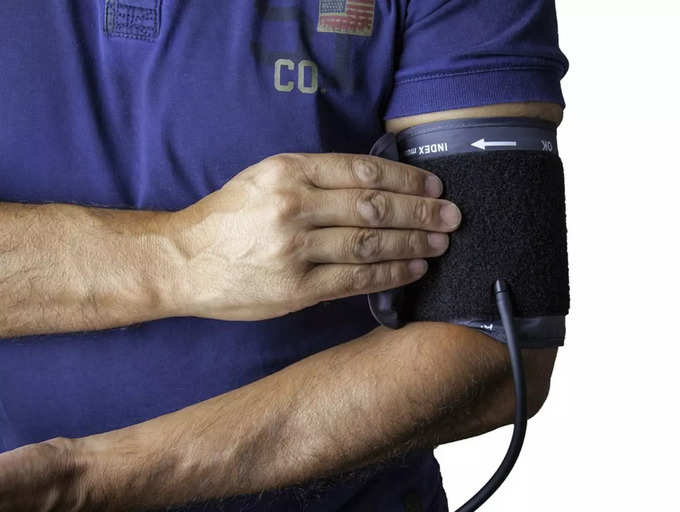
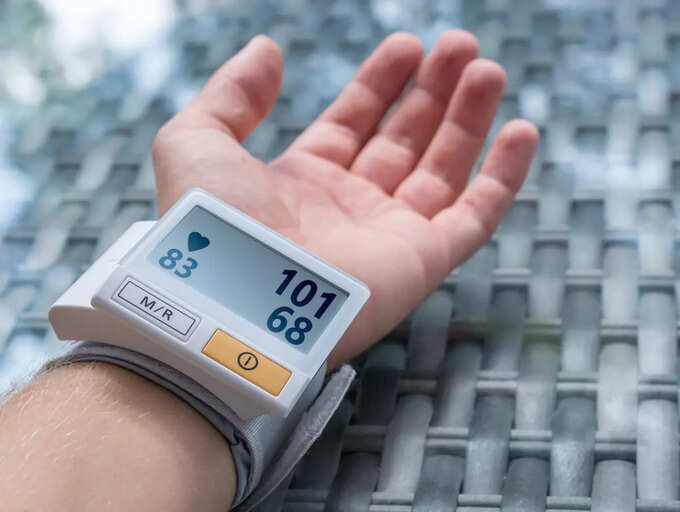
High blood pressure is characterised by having a higher amount of pressure in your blood vessels than normal. It is evaluated by a systolic and diastolic number that appears on the blood pressure monitoring machine.

Secondary hypertension is caused as the result of a known disease or condition that the patient has been suffering for a long time. This type of hypertension differs from primary hypertension in many ways. Proper treatment for secondary hypertension can also help to control the underlying health condition and reduce the risk of health-related complications. 

​Symptoms of secondary hypertension

Just like primary hypertension, secondary hypertension has subtle signs. Even if it reaches a dangerous level, it is difficult to detect if one is not careful about it. If you have been diagnosed with high blood pressure, these common signs indicate that you probably have secondary hypertension:

A condition that is unmanageable with blood pressure medication

Very high blood pressure

Sudden-onset high blood pressure at a younger age

No family history of high blood pressure

No obesity

Causes of secondary hypertension

Several chronic conditions can make your blood pressure level shoot up. Managing high blood pressure can also help to reduce the symptoms of other underlying health conditions. Some of the reasons one may develop secondary hypertension are:

Diabetes: Unmanaged diabetes can put excessive pressure on the kidneys to flush out sugar from the blood. This condition over time can spike the blood pressure level.

Polycystic kidney disease: Cysts in your kidneys can obstruct the normal functioning of the kidneys, leading to a spike in blood pressure level.

Renovascular hypertension: This type of high blood pressure is caused when the arteries leading to your kidneys narrow down.

Cushing syndrome: High cortisol levels for a long time can lead to Cushing syndrome and its medication may cause secondary hypertension.

Hormonal disorder: Thyroid disorder or Aldosteronism can also impact your kidneys leading to a rise in the blood pressure level.

Sleep apnea: Severe snoring during sleep that causes obstruction in getting a sufficient amount of oxygen can damage the lining of the blood vessel, leading to high blood pressure.

Apart from these other conditions like obesity, pregnancy and excessive intake of some over-the-counter drugs can also lead to secondary hypertension. 

Treatment

To treat hypertension first the underlying condition that increases the blood pressure level needs to be treated. Once the underlying condition is treated, the blood pressure will go back to normal. Depending on your condition, the doctor will prescribe you medication, lifestyle changes and other treatment options to control your blood pressure level.  


This is only for your information, kindly take the advice of your doctor for medicines, exercises and so on.   

https://gscrochetdesigns.blogspot.com. one can see my crochet creations  
https://gseasyrecipes.blogspot.com. feel free to view for easy, simple and healthy recipes    
https://kneereplacement-stickclub.blogspot.com. for info on knee replacement


Labels: , , , , , , , ,

Saturday, April 07, 2018

Chronic kidney disease becoming inexorable health threat: How to manage it

We are witnessing a rapid transition with increasing prevalence of non-communicable diseases (NCDs) especially in the urban areas. While cardiovascular diseases (heart attacks, heart failure,  diabetes, stroke and cancer are some of the better known among NCDs, what is now becoming an inexorable health threat is  chronic kidney disease (CKD). According to the 2015 Study, kidney disease accounted for 1.1 million (11 lakh) deaths worldwide.

Chronic kidney disease occurs when the normal functioning of the kidneys is impaired and they are unable to filter wastes and remove excess fluid from the body. Depending on the cause, it can progressively get worse and cause irreversible damage. Diabetes mellitus is one of the leading causes of CKD across the world and is often brought on by obesity. Hypertension (high blood pressure), kidney stones, chronic glomerulonephritis, autoimmune conditions like systemic lupuserythematosus (especially in women), certain hereditary disorders like polycystic kidney disease and heavy use of pain killers are some of the other causes. It is worthwhile to note that CKD may not become apparent in its early stages as most patients do not develop any symptoms.

 The disease can be controlled to slow down its progression through certain medications, diet and other lifestyle changes. If the kidney function continues to deteriorate and worsens beyond a certain point, the patient needs renal replacement therapy (RRT) in the form of dialysis or kidney transplantation.
 
Dialysis: It is a way of cleaning the blood and removing wastes and toxins that build up in the body due to kidney failure.

Hemodialysis (HD): In HD, blood is pumped out of the patient's body into a machine where it is run through a filter to clean out the impurities and remove excess fluid and the clean blood is then returned to the patient's body.

Peritoneal Dialysis (PD): PD involves placing a synthetic tube called PD catheter in the abdominal cavity. A special type of fluid called dialysate is instilled into the abdomen through this tube and allowed to stand for a few hours. It draws out various wastes and impurities from the blood. The dirty or used dialysate is then drained out and clean dialysate filled once again. Peritoneal Dialysis is a simpler form of dialysis as it can be done at home or office and therefore involves limited lifestyle interruptions.

Kidney transplantation: It’s the renal replacement therapy of choice. Compared to dialysis, it prolongs survival, decreases cardiovascular incidents and prevents complications of CKD on various parts of the body. It is more cost effective in the long run and can potentially ensure for the patient a normal quality of life.

Considering the growing number CKD cases each year, it’s time to create more awareness regarding the risk factors causing CKD, and advise periodic blood tests and urine tests for early diagnosis and take preventive measures.

Measures like dialysis and kidney transplantation play a pivotal role to let these patients successfully fight the dreaded disease.

THIS IS ONLY FOR INFORMATION, ALWAYS CONSULT YOU PHYSICIAN BEFORE HAVING ANY PARTICULAR FOOD/ MEDICATION/EXERCISE/OTHER REMEDIES.                                                                                                                                                                                                      PS- THOSE INTERESTED IN RECIPES ARE FREE TO VIEW MY BLOG-                                                                                           https://gseasyrecipes.blogspot.com/   
FOR INFO ABOUT KNEE REPLACEMENT, YOU CAN VIEW MY BLOG-                                                           https:// kneereplacement-stickclub.blogspot.com/                              

FOR CROCHET DESIGNS                                                                                                                                                                                                                                         https://my crochet creations.blogspot.com/

Labels: , , , , , , , , , ,