Wednesday, March 09, 2022

Secondary hypertension: Know what it is and who are at risk

All you need to know about secondary hypertension

Even though high blood pressure or hypertension is a prevalent health complication, about 70 per cent of the cases go undiagnosed in India. One of the reasons is the lack of awareness about the causes and risk factors, particularly among the rural population which further trickles down to low treatment rates, predisposing people to life-threatening conditions. Many do not even know that there are two types of hypertension - primary and secondary. Primary hypertension is the most common one caused due to poor lifestyle habits or family history, while secondary hypertension is usually a result of other medical conditions. Accounting for about 10 per cent of all cases of high blood pressure, it often goes undiagnosed.

​Understanding secondary hypertension

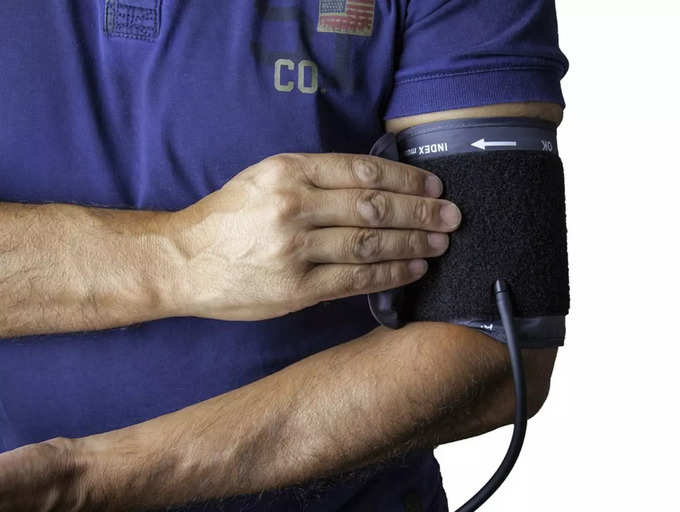
High blood pressure is characterised by having a higher amount of pressure in your blood vessels than normal. It is evaluated by a systolic and diastolic number that appears on the blood pressure monitoring machine.

Secondary hypertension is caused as the result of a known disease or condition that the patient has been suffering for a long time. This type of hypertension differs from primary hypertension in many ways. Proper treatment for secondary hypertension can also help to control the underlying health condition and reduce the risk of health-related complications. 

​Symptoms of secondary hypertension

Just like primary hypertension, secondary hypertension has subtle signs. Even if it reaches a dangerous level, it is difficult to detect if one is not careful about it. If you have been diagnosed with high blood pressure, these common signs indicate that you probably have secondary hypertension:

A condition that is unmanageable with blood pressure medication

Very high blood pressure

Sudden-onset high blood pressure at a younger age

No family history of high blood pressure

No obesity

Causes of secondary hypertension

Several chronic conditions can make your blood pressure level shoot up. Managing high blood pressure can also help to reduce the symptoms of other underlying health conditions. Some of the reasons one may develop secondary hypertension are:

Diabetes: Unmanaged diabetes can put excessive pressure on the kidneys to flush out sugar from the blood. This condition over time can spike the blood pressure level.

Polycystic kidney disease: Cysts in your kidneys can obstruct the normal functioning of the kidneys, leading to a spike in blood pressure level.

Renovascular hypertension: This type of high blood pressure is caused when the arteries leading to your kidneys narrow down.

Cushing syndrome: High cortisol levels for a long time can lead to Cushing syndrome and its medication may cause secondary hypertension.

Hormonal disorder: Thyroid disorder or Aldosteronism can also impact your kidneys leading to a rise in the blood pressure level.

Sleep apnea: Severe snoring during sleep that causes obstruction in getting a sufficient amount of oxygen can damage the lining of the blood vessel, leading to high blood pressure.

Apart from these other conditions like obesity, pregnancy and excessive intake of some over-the-counter drugs can also lead to secondary hypertension. 

Treatment

To treat hypertension first the underlying condition that increases the blood pressure level needs to be treated. Once the underlying condition is treated, the blood pressure will go back to normal. Depending on your condition, the doctor will prescribe you medication, lifestyle changes and other treatment options to control your blood pressure level.  


This is only for your information, kindly take the advice of your doctor for medicines, exercises and so on.   

https://gscrochetdesigns.blogspot.com. one can see my crochet creations  
https://gseasyrecipes.blogspot.com. feel free to view for easy, simple and healthy recipes    
https://kneereplacement-stickclub.blogspot.com. for info on knee replacement


Labels: , , , , , , , ,

Wednesday, March 10, 2021

Debunked: 5 Obesity myths to let go of

According to numerous studies & reports, more than 1.9 billion adults are overweight and 650 million are obese globally. In India, over 135 million people are affected by obesity.  Obesity presents many medical and financial challenges for the individual, society and government. The problem of obesity can be solved by creating public awareness about obesity and its health consequences.

Misconceptions or myths about obesity can result in stigma and weight bias. Countering myths with facts and evidence has been proven to be an effective educational tool to increase individuals’ knowledge about a certain condition and to reduce stigma, and obesity is no exception.

Below are some of the common myths around Obesity

Myth 1: Obesity is a result of poor lifestyle choices

Fact: Obesity is a complex chronic disease with multiple contributing factors such as genetic variables as well as medical conditions. There is still a common belief that obesity is a lifestyle choice and that people become obese because they eat too much or exercise too little. This is not entirely true! Some people are merely susceptible to gaining weight owing to their genetic disadvantages. Obesity demands a personalised treatment model involving medical therapies and lifestyle interventions, just like other chronic diseases. The interdisciplinary team should consist of health care professionals, (including dietitians and physicians) working together to deliver optimal treatment.

Myth 2: Exercising will fix Obesity

Fact: Exercise has many health benefits; however, weight loss isn’t really one of them. Exercise only helps helps in losing 3% to 5% of weight. Exercise is important for maintaining weight once you shed a few kilos. Some forms of strenuous exercise can even be dangerous for obese patients, particularly if started all of a sudden. For some obese people, exercise isn’t suitable until they lose a certain amount of weight.

Myth 3: Obesity is always hereditary

Fact: When it comes to obesity, genetic factors play an important role. However, it doesn’t mean that inheriting some traits makes one obese. Obesity rarely shows a clear inheritance pattern when it occurs in families. It seems that in most cases, obesity is multifactorial, which is the result of complex interactions among many genes and environmental factors.

Myth 4: Obesity does not affect health

Fact: Obesity has an adverse effect on almost every part of the body and can hamper a person’s quality of life. Obese people are at increased risk for many serious illnesses and health conditions when compared to people with healthy and normal weight. These conditions include type 2 diabetes mellitus, arthropathy, arterial hypertension, dyslipidemia, coronary heart disease, cerebral vasculopathy, sleep apnea syndrome, etc. 

Myth 5: Eating less will solve the problem of Obesity

Fact: One of the main reasons for obesity is consuming more calories than the body requires, over an extended period of time. The most common steps taken towards controlling obesity are lowering calorie intake, increasing physical activity or both. Though diet and exercise are important aspects, several other factors also play crucial role in obesity. These factors are inadequate sleep, psychological stress, chronic pain, endocrine (hormone) disruptors, and the use of certain medications. It is unfortunate that people often forget about these when thinking of obesity.

Obesity is a complex disease and we still have a lot to learn about it. Due to these gaps in knowledge, people lean towards ideas that simply aren’t correct. Unravelling the facts about obesity from the fiction will help understand and manage the disease better. It is advisable to seek expert opinion from your doctor to address obesity at an early stage.

This is only for your information, kindly take the advice of your doctor for medicines, exercises and so on.     

https://gscrochetdesigns.blogspot.com. one can see my crochet creations  
https://gseasyrecipes.blogspot.com. feel free to view for easy, simple and healthy recipes    
https://kneereplacement-stickclub.blogspot.com. for info on knee replacement


Labels: , , , , , , , , , , ,