Monday, August 11, 2025

10 Foods That Can Weaken Your Immune System

Your immune system works tirelessly to protect you from illness and infection, but did you know that some of the foods you eat daily might be working against it? While we often focus on what to eat to boost immunity, it's equally important to understand which foods can weaken our body's natural defenses. The relationship between diet and immune function is profound. A nutrient-dense, well-rounded diet acts as fuel for your immune system, while a diet low in nutrients and high in ultra-processed foods can significantly impair your body's ability to fight off threats. Understanding which foods fall into the latter category can help you make better choices for your long-term health.

1. The Sweet Saboteur: Added Sugar
Perhaps no food ingredient does more damage to your immune system than added sugar. When you consume foods high in added sugars, your blood sugar spikes dramatically, triggering the production of inflammatory proteins like tumor necrosis alpha, C-reactive protein, and interleukin-6. These proteins directly interfere with your immune system's ability to function properly.

The damage goes beyond inflammation. High blood sugar levels can actually inhibit neutrophils and phagocytes—two crucial types of immune cells that serve as your body's first line of defense against infection. Additionally, elevated blood sugar can compromise your gut barrier function and disrupt the delicate balance of bacteria in your digestive system, making you more susceptible to illness. 
 
Research has consistently demonstrated this connection. A 2012 study involving 562 older adults found that those with elevated blood sugar levels had both weaker immune responses and higher levels of inflammatory markers. The evidence is particularly concerning for people with diabetes, who may experience prolonged periods of high blood sugar. 
 
To protect your immune system, limit your intake of ice cream, cake, candy, and sugary beverages. Your body will thank you with stronger, more effective immune responses.

2. The salt-trap: High Sodium foods
 foods that may damage the immune system
  
 
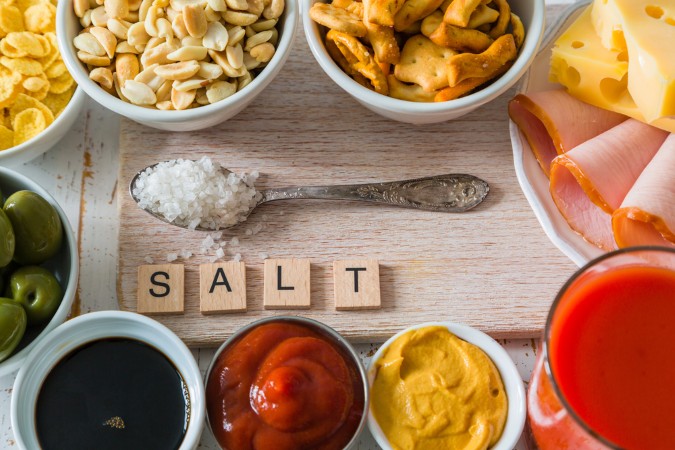
That bag of chips or frozen dinner might be convenient, but the high sodium content could be compromising your immune system. Research has shown that excessive salt intake triggers tissue inflammation and may increase the risk of autoimmune diseases. 
 
In a fascinating 2016 study, researchers tracked six healthy men as they consumed varying amounts of salt over several months. When the participants consumed 12 grams of salt daily—about double the recommended amount—they showed elevated levels of inflammatory white blood cells called monocytes, along with increased inflammatory markers. Simultaneously, their levels of anti-inflammatory proteins decreased, indicating an overactive and potentially harmful immune response. 
 
Salt doesn't just promote inflammation; it can actively suppress your body's anti-inflammatory responses, alter your gut bacteria composition, and promote the development of immune cells associated with autoimmune diseases. Some researchers believe that excessive salt consumption may be contributing to the rise in autoimmune diseases in Western countries. 
 
The impact is particularly pronounced for people already dealing with autoimmune conditions like ulcerative colitis, Crohn's disease, rheumatoid arthritis, and lupus, where high salt intake can worsen symptoms. 
 
 
3. The Omega Imbalance: Too Much Omega-6

While your body needs both omega-6 and omega-3 fatty acids to function properly, Western diets have created a problematic imbalance. We consume far too many omega-6 fats and not nearly enough omega-3s, and this imbalance may be weakening our immune systems. 
 
Diets high in omega-6 fats promote the expression of pro-inflammatory proteins that can impair immune function. In contrast, omega-3 fats help reduce the production of these harmful proteins and support healthy immune responses. Studies in people with obesity have shown that high omega-6 intake can lead to immune dysfunction and increase the risk of conditions like asthma and allergic rhinitis.

Experts recommend maintaining a healthy ratio of omega-6 to omega-3 fats, ideally between 1:1 and 4:1. This means increasing your consumption of omega-3-rich foods like salmon, mackerel, sardines, walnuts, and chia seeds while reducing your intake of omega-6-heavy oils like sunflower, canola, corn, and soybean oil. 
 
 
 4. The Fried Food Problem: AGEs and Inflammation
 
foods that may damage the immune system

Fried foods present a double threat to your immune system. First, the high-temperature cooking process creates harmful compounds called advanced glycation end products (AGEs). When sugars react with proteins or fats at high temperatures, these AGEs form and can accumulate in your body, contributing to inflammation and cellular damage. 
 
AGEs weaken your immune system through multiple pathways: they promote inflammation, deplete your body's antioxidant defenses, cause cellular dysfunction, and negatively affect your gut bacteria. Research suggests that diets high in AGEs may increase susceptibility to diseases like malaria and raise the risk of metabolic syndrome, certain cancers, and heart disease. 
 
Common culprits include french fries, potato chips, fried chicken, pan-fried steak, fried bacon, and fried fish. 
 
By reducing your consumption of these foods, you can significantly decrease your AGE intake and support better immune function. 
 
5. Processed and Charred Meats: A Toxic Combination
Processed and charred meats combine several immune-suppressing factors into one problematic food category. Like fried foods, they're extremely high in AGEs—with items like fried bacon, broiled hot dogs, roasted chicken thighs with skin, and grilled steak containing some of the highest AGE levels found in any foods. 
 
These meats are also typically high in saturated fat, which research suggests may contribute to immune system dysfunction when consumed in excess and when unsaturated fat intake is low. High saturated fat consumption can contribute to systemic inflammation and harm immune function through multiple mechanisms.

The health risks extend beyond immune suppression. High intake of processed and charred meats has been linked to various diseases, including colorectal cancer, making them a poor choice for overall health. 
 
6. Fast Food: A Perfect Storm of Immune Suppressors
 
foods that may damage the immune system
Fast food represents perhaps the most comprehensive assault on your immune system, combining multiple problematic elements into convenient packages. These highly processed foods drive inflammation, increase gut permeability, and cause bacterial imbalances in your digestive system—all of which negatively impact immune health. 
 
But the problems don't stop with the food itself. Fast food often contains concerning levels of chemicals called phthalates, including DEHP and DiNP, which can leach into food through packaging or plastic gloves worn during preparation. These chemicals disrupt your endocrine system and may increase the production of inflammatory proteins that weaken your immune response. 
 
Phthalates also reduce gut bacteria diversity, which is crucial for maintaining a healthy immune system. The more diverse your gut microbiome, the better equipped your immune system is to handle threats. 
 
7. Additive Overload: Hidden Immune Disruptors

Many processed foods contain additives designed to improve shelf life, texture, and taste, but some of these additives may be undermining your immune system. Emulsifiers, commonly added to processed foods, can alter gut bacteria, damage your intestinal lining, and promote inflammation—all of which contribute to immune dysfunction. 
 
Specific additives of concern include carboxymethylcellulose (CMC) and polysorbate-80 (P80), which have been linked to immune problems in animal studies. Carrageenan, another common additive, may induce intestinal inflammation and inhibit immune responses, though more research is needed to fully understand its effects in humans. 
 
Other potentially problematic additives include corn syrup, excess salt, artificial sweeteners, and citrate. While the research is ongoing, the evidence suggests that minimizing consumption of heavily processed foods with long ingredient lists is a wise choice for immune health.
 
8. Refined Carbohydrates: Blood Sugar Spikes and Immune Dips

foods that may damage the immune system
Highly refined carbohydrates like white bread and sugary baked goods can harm your immune system in ways similar to added sugars. These high-glycemic foods cause rapid spikes in blood sugar and insulin levels, potentially leading to increased production of free radicals and inflammatory proteins like C-reactive protein. 
 
Beyond the immediate inflammatory response, a diet rich in refined carbs can alter your gut bacteria composition in ways that negatively affect immune function. Your gut microbiome plays a crucial role in immune health, and disrupting this delicate ecosystem can have far-reaching consequences. 
 
Instead of refined carbs, choose nutritious, high-fiber carbohydrate sources like starchy vegetables, oats, fruits, and legumes. These foods provide steady energy without the immune-suppressing blood sugar spikes.


9. The Fat Factor: When good fat goes bad
 foods that may damage the immune system
 
 Not all fats are created equal when it comes to immune function. Diets high in saturated fats and low in unsaturated fats have been associated with immune dysfunction. High saturated fat intake can activate inflammatory signaling pathways that inhibit immune function and may increase your susceptibility to infection by suppressing immune system activity and white blood cell function. 
 
Animal studies have shown that high-fat diets can cause harmful changes in gut bacteria and damage the intestinal lining, potentially increasing infection and disease risk. While researchers are still investigating exactly how different fatty acids affect the immune system, the evidence suggests that balance is key. 
 
A well-balanced diet that includes plenty of fiber and healthy fat sources—like those found in nuts, seeds, avocados, and fatty fish—is likely the best approach for supporting immune health. 
 
10. Artificial Sweeteners: Not So Sweet for Immunity
While artificial sweeteners might seem like a healthy alternative to sugar, emerging research suggests they may come with their own immune-related risks. Certain artificial sweeteners have been linked to altered gut bacteria composition, increased gut inflammation, and blunted immune responses. 
 
Sweeteners like sucralose and saccharin may induce gut bacteria imbalances, and some researchers believe that overusing these artificial sweeteners could be detrimental to immune health. Limited research has even suggested that high intake of artificial sweeteners might contribute to the progression of autoimmune diseases, though more studies are needed to confirm this connection. 
 
The research isn't entirely conclusive—some studies have found that moderate daily intake of artificial sweeteners doesn't cause significant changes in gut bacteria or immune function. However, given the potential risks and the availability of natural alternatives, limiting artificial sweetener consumption may be a wise precautionary measure. 
 
Building a Stronger Defense 
Understanding which foods can weaken your immune system is just the first step. The path to better immune health involves more than just avoiding problematic foods—it requires embracing a lifestyle that supports your body's natural defenses. 
 
Focus on building a diet rich in whole, nutrient-dense foods while minimizing ultra-processed options. This means choosing fresh fruits and vegetables, lean proteins, whole grains, nuts, seeds, and healthy fats. These foods provide the vitamins, minerals, antioxidants, and other compounds your immune system needs to function optimally. 
 
Remember that immune health isn't just about diet—adequate sleep, regular exercise, stress management, and maintaining social connections all play crucial roles in keeping your immune system strong. By taking a comprehensive approach that addresses diet and lifestyle factors, you can give your immune system the support it needs to protect you effectively. 
 
The foods you choose today shape your immune system's ability to protect you tomorrow. Make those choices count. 
 

This is only for your information, kindly take the advice of your doctor for medicines, exercises and so on.   


Labels: , , , , , , , , ,

Saturday, April 12, 2025

Looking at 10 Cholesterol-Rich Foods

Cholesterol has gotten quite a bad reputation when it comes to health, and it's understandable. Since its texture is fatty and waxy, it can stick to the walls of our blood vessels and make blood flow more difficult, which can ultimately increase the risk of heart disease. However, at the same time, it also plays several important roles in our body, such as building cell membranes and producing hormones and vitamin D. So it is clear that the body needs cholesterol to some extent, which raises the question – should we completely avoid foods that are considered high in cholesterol? As always, the answer is complex, so we decided to clarify the subject, review the studies, and come back with answers that will show you which foods are more recommended and which are less.

Is cholesterol in the diet bad? 
This may surprise you, but studies have shown that dietary cholesterol intake does not necessarily affect cholesterol levels in the body. In fact, some researchers even claim that there is no link between dietary cholesterol and heart disease in general. This is true for most people, as long as they are healthy, but in general, experts recommend limiting cholesterol intake to less than 300 mg per day, and for people with a history of heart disease, it is recommended not to consume more than 200 mg of cholesterol per day. Therefore, if you want to follow this limit, you should know how much cholesterol is in the food you consume, but more importantly, understand which cholesterol-rich foods are healthy for you and do not really need to be avoided, and which ones you should avoid like the plague. 
 
1. Eggs – Recommended for consumption

Recommended foods with high cholesterol and those to avoid: Eggs are recommended
Eggs are among the most nutritious foods you can eat, especially as a healthy source of protein. Although each egg contains a little more than 200 mg of cholesterol, studies suggest that egg consumption does not raise cholesterol levels, and furthermore – their consumption helps protect the heart due to their high content of HDL, known as the good cholesterol. Researchers indeed showed that LDL levels (the bad cholesterol) may rise with excessive egg consumption, but at the same time claim that eating 1-2 eggs a day is safe for generally healthy individuals. 
 
2. Yellow cheese – Recommended for consumption
 
Recommended foods with high cholesterol and those to avoid: Yellow cheese is recommended

Each gram of yellow cheese contains about 1 mg of cholesterol, so it's very easy to calculate and know how much cholesterol you're getting by consuming it. It's also important to remember that it is an excellent source of calcium and other nutrients. A study conducted over 12 weeks with the participation of 139 people showed that eating 80 grams of yellow cheese daily (a quantity considered high) did not raise the LDL levels of the participants compared to eating the same amount of low-fat cheese or the same caloric amount of bread with jam. Therefore, if you want to eat a small sandwich to satisfy you between meals, there’s no need to worry about yellow cheese. The cholesterol level in it won’t harm you compared to other options for making such a sandwich. 
 
3. Grass-fed beef – Recommended for consumption
Grass-fed beef is raised in a natural environment, in open fields, without antibiotics, hormones, or growth stimulants, and its advantages include lower cholesterol content. Studies also show it contains more omega-3 fatty acids and has anti-inflammatory qualities. Steak is generally perceived as food that’s not recommended for those with high cholesterol, but in 115 grams of grass-fed beef steak, there are only about 60 mg of cholesterol, so this amount is not really significant as long as it’s combined correctly with other foods throughout the day. 
 
4. Organ meats – Recommended for consumption
Some organs are rich in cholesterol, such as hearts and liver, but they are also very nutritious. For example, 150 grams of hearts contain about 350 mg of cholesterol, but also a high amount of a powerful antioxidant called Coenzyme Q10, which actually protects the heart and blood vessels, along with vitamin B12, iron, and zinc. A study conducted in 2017 among 9,000 participants showed that those who consumed unprocessed meat, including organ meats, were at a lower risk of heart disease than those who consumed the least amount of such foods. 
 
5. Sardines – Recommended for consumption
Besides being very healthy due to their vitamin and calcium content, sardines are also considered an excellent source of protein, and in a 90-gram serving of sardines, there are about 130 mg of cholesterol. However, they also contain about 63% of the recommended daily amount of vitamin D, about 137% of the recommended daily amount of vitamin B12, and 35% of the recommended daily amount of calcium, so despite the high cholesterol content, the benefits are significant. 
 
6. Full-fat yogurt – Recommended for consumption
In 245 grams of full-fat yogurt – the kind that is not reduced in fat – there are about 31 mg of cholesterol. Many people fear that daily consumption of it will negatively affect the cholesterol levels in their body, but in fact, studies have shown that fermented and full-fat dairy products actually lower LDL levels and blood pressure, and actually protect the body from strokes, heart disease, and even diabetes. Therefore, there is no reason to fear full-fat natural yogurt.


7. Fried foods- Avoid
Recommended foods with high cholesterol and those to avoid: French fries are not recommended
Any type of food that has been fried may contain high amounts of cholesterol, and it is recommended to avoid this cooking method. The reason is trans fats which can increase the risk of heart disease and harm health in various other ways. In general, fried food has been linked in studies to an increased risk of heart disease.  
 
8. Fast food – Avoid
 
Recommended foods with high cholesterol and those to avoid: Hot dog is not recommended
Consuming fast food puts you at high risk for various chronic diseases, including heart disease, diabetes, and obesity. According to studies people who regularly consume fast food also tend to have higher cholesterol levels, as well as higher abdominal fat, more inflammation, and higher blood pressure. 
 
9. Processed meat – Avoid
Processed meat, like sausages, for example, is considered a food with a very high cholesterol level that is not recommended to consume at all in the diet. A study conducted on a massive scale with more than 614,000 participants found that those who consumed about 50 grams of processed meat daily had a 42% higher risk of heart disease.
 
 
10. Desserts- Avoid
 
Recommended foods with high cholesterol and those to avoid: Pastries are not recommended 
 Cookies, cakes, pastries, and the like are foods that often come with a high amount of cholesterol, as well as sugar, unhealthy fats, and of course, calories. Researchers have shown that there is a link between consuming large amounts of sugar and obesity, diabetes, heart disease, and certain types of cancer. Moreover, these foods do not contain substances that the body needs to thrive, such as vitamins, minerals, proteins, and healthy fats. 
 
How to lower blood cholesterol levels? 
If it’s important for you to keep your body as cholesterol-free as possible, there are a few things you can do that are more important than the food itself that you choose: 
 
Consume more fiber: Studies show that consuming dietary fiber helps lower LDL levels. 
 
Exercise: Studies show that keeping an active body lowers cholesterol levels. 
 
Try to lose weight: Researchers have proven that losing weight reduces cholesterol levels and heart disease risk factors by 5-10%. 
 
Consider quitting smoking: If you smoke, it’s important to know that studies have shown that smoking increases cholesterol levels. 
 
Eat more fruits and vegetables: According to studies people who eat more fruits and vegetables tend to have lower cholesterol levels.


This is only for your information, kindly take the advice of your doctor for medicines, exercises and so on.   


Labels: , , , , , , , , ,

Tuesday, October 15, 2019

Can you regulate the diabetes level by controlling food?

There is a strong unavoidable connection between the blood sugar level and the food that you eat. Food items loaded with sugar and fat releases lots of energy into the body. So, over consumption of food items like bakery snacks, fast food and aerated drinks may swiftly increase your body weight, often leading to obesity and other health problems.

This causes insulin resistance which leads to diabetes. Insulin resistance not only makes you a diabetic patient, but also shoots up the blood sugar levels even if you're already suffering from diabetes.


The level of blood sugar can be regulated to a certain extent by adopting healthier eating habits. Following a healtheir and nutritious diet can maintain the blood sugar level at a healthy rate without increasing or decreasing too much.


The 3 main meals that you eat in a day could be divided into 5/6 smaller portions, without actually lowering the total intake of food. This not only helps control the diabetes but eases the hunger pangs that lead to overeating and obesity.


Keep diabetes at bay with this protein-rich breakfast


Including protein in the breakfast brings several benefits to people suffering from diabetes. In fact, the food intake during morning has been found to have a major impact on the health status of diabetic persons.


Giving due attention to breakfast can help control blood sugar levels to a large extent. Inevitably, there is a long interval between supper and breakfast as people sleep at night. So, the breakfast should be taken as early as possible.


Protein-rich items in the breakfast increases metabolism and helps keep away the hungry feeling during the period between meals. Examples of eatables having high protein content include pulses, egg, meat, nuts, milk and milk products.


However, diabetic patients should avoid salt, fatty items as they increase the risk of a heart attack.Eat steamed foods or fermented foods as they're rich in probiotics and good for the gut bacteria.


this is only for your information, kindly take the advice of your doctor for medicines, exercises and so on.   
https://gscrochetdesigns.blogspot.com. one can see my crochet creations  

https://gseasyrecipes.blogspot.com. feel free to view for easy, simple and healthy recipes    
https://kneereplacement-stickclub.blogspot.com. for info on knee replacement


There is a strong and unavoidable connection between the blood sugar level and the food that you eat...

Read more at: https://food.manoramaonline.com/food/diet-and-nutrition/2019/10/14/diabetes-regulation-controlling-food.html
There is a strong and unavoidable connection between the blood sugar level and the food that you eat...

Read more at: https://food.manoramaonline.com/food/diet-and-nutrition/2019/10/14/diabetes-regulation-controlling-food.html
There is a strong and unavoidable connection between the blood sugar level and the food that you eat...

Read more at: https://food.manoramaonline.com/food/diet-and-nutrition/2019/10/14/diabetes-regulation-controlling-food.html

Labels: , , , , , , , , , , , , ,

Tuesday, October 10, 2017

FOODS THAT MAKE YOUR STOMACH BLOAT

One will be wondering when foods are supposed to be healthy as various foods give us different nutrients, how can they can also make us feel sick? One thing we all should remember is that we're individuals, each one is unique in our own way. Our bodies are quite different from inside, with different tolerance levels to different foods. Some of us have allergies to some food, so best to know what makes you feel well and what makes you feel sick

1) Dairy products- Many people have lactose intolerance. For such people eating even a small piece of cheese can be dangerous. The degree of intolerance can vary between different dairy products too, so if known that you're intolerant to something, avoid it.

2) Vegetables- I know some people are allergic to yam, it causes itching in their throat. Cabbage, potato, broccoli, cauliflower can cause a lot of gas for some.

3) Aerated drinks- Most of those soft drinks are only full of calories with no health benefits. And for some it can lead to bloating of their stomach due to soda in them. Better to drink pure water, coconut water or fruit juice.

4) Apples and pears- We've all heard to famous line" an apple a day, keeps the doctor away". But, not many know that this same apple with plenty of nutrition, fibre can affect those with sensitive stomachs. Eat slowly, peel the skin ( I've problem eating with the skin, so always peel and eat my apple).
5) Fast foods- We all know that fast foods aren't healthy, loaded with unwanted calories. They also contain additives, which affects those with sensitive stomach.

6) Alcoholic drinks- Alcoholic drinks are again full of calories, more so as one tends to gobble up a lot of fried snacks with it. These hard drinks can also lead to bloating for some. So, best avoid it or sip slowly just one glass, to restrict your problems.


7) Some rice preparations- Rice is known to swell up after eating, as it tends to absorb more water and makes one feel bloated. So, best to find out which type of rice makes your condition worse, so one can avoid it , or eat more of vegetables, dals and less of rice.

Best is to note down in case you're not sure of your allergies, by having a food dairy, noting daily whatever you eat. Then, when you've problem, you can check as to what was different from your normal food intake, then you know what to avoid.


THIS IS ONLY FOR INFORMATION, ALWAYS CONSULT YOU PHYSICIAN BEFORE HAVING ANY PARTICULAR FOOD/ MEDICATION/EXERCISE/OTHER REMEDIES. PS- THOSE INTERESTED IN RECIPES ARE FREE TO VIEW MY BLOG-                      

HTTP:GSEASYRECIPES.BLOGSPOT.COM/
FOR INFO ABOUT KNEE REPLACEMENT, YOU CAN VIEW MY BLOG-                                                                          
HTTP://KNEE REPLACEMENT-STICK CLUB.BLOGSPOT.COM/
FOR CROCHET DESIGNS

HTTP://MY CROCHET CREATIONS.BLOGSPOT.COM

Labels: , , , , , , , , , , , ,