Looking at 10 Cholesterol-Rich Foods
Cholesterol has gotten quite a bad
reputation when it comes to health, and it's understandable. Since its
texture is fatty and waxy, it can stick to the walls of our blood
vessels and make blood flow more difficult, which can ultimately
increase the risk of heart disease. However, at the same time, it also
plays several important roles in our body, such as building cell
membranes and producing hormones and vitamin D. So it is clear that the
body needs cholesterol to some extent, which raises the question –
should we completely avoid foods that are considered high in
cholesterol? As always, the answer is complex, so we decided to clarify
the subject, review the studies, and come back with answers that will
show you which foods are more recommended and which are less.
Is cholesterol in the diet bad?
This may surprise you, but studies have shown that dietary cholesterol
intake does not necessarily affect cholesterol levels in the body. In
fact, some researchers even claim that there is no link between dietary
cholesterol and heart disease in general. This is true for most people,
as long as they are healthy, but in general, experts recommend limiting
cholesterol intake to less than 300 mg per day, and for people with a
history of heart disease, it is recommended not to consume more than 200
mg of cholesterol per day. Therefore, if you want to follow this limit,
you should know how much cholesterol is in the food you consume, but
more importantly, understand which cholesterol-rich foods are healthy
for you and do not really need to be avoided, and which ones you should
avoid like the plague.
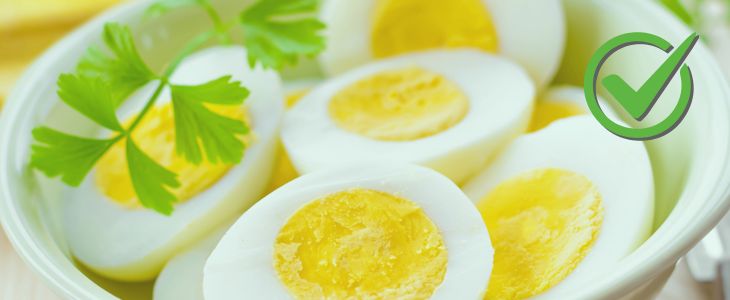
1. Eggs – Recommended for consumption
Eggs are among the most nutritious foods
you can eat, especially as a healthy source of protein. Although each
egg contains a little more than 200 mg of cholesterol, studies suggest
that egg consumption does not raise cholesterol levels, and furthermore –
their consumption helps protect the heart due to their high content of
HDL, known as the good cholesterol. Researchers indeed showed that LDL
levels (the bad cholesterol) may rise with excessive egg consumption,
but at the same time claim that eating 1-2 eggs a day is safe for
generally healthy individuals.
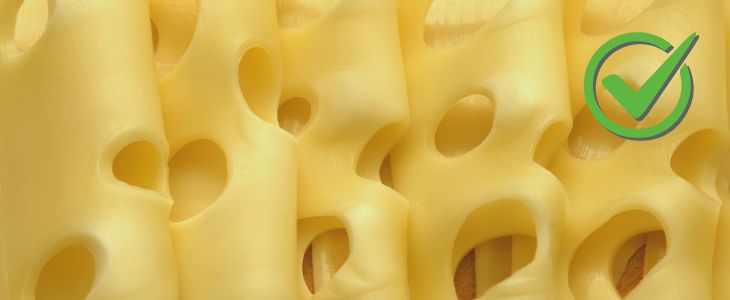
2. Yellow cheese – Recommended for consumption
Each gram of yellow cheese contains about 1
mg of cholesterol, so it's very easy to calculate and know how much
cholesterol you're getting by consuming it. It's also important to
remember that it is an excellent source of calcium and other nutrients. A
study conducted over 12 weeks with the participation of 139 people
showed that eating 80 grams of yellow cheese daily (a quantity
considered high) did not raise the LDL levels of the participants
compared to eating the same amount of low-fat cheese or the same caloric
amount of bread with jam. Therefore, if you want to eat a small
sandwich to satisfy you between meals, there’s no need to worry about
yellow cheese. The cholesterol level in it won’t harm you compared to
other options for making such a sandwich.
3. Grass-fed beef – Recommended for consumption
Grass-fed beef is raised in a natural
environment, in open fields, without antibiotics, hormones, or growth
stimulants, and its advantages include lower cholesterol content.
Studies also show it contains more omega-3 fatty acids and has
anti-inflammatory qualities. Steak is generally perceived as food that’s
not recommended for those with high cholesterol, but in 115 grams of
grass-fed beef steak, there are only about 60 mg of cholesterol, so this
amount is not really significant as long as it’s combined correctly
with other foods throughout the day.
4. Organ meats – Recommended for consumption
Some organs are rich in cholesterol, such
as hearts and liver, but they are also very nutritious. For example, 150
grams of hearts contain about 350 mg of cholesterol, but also a high
amount of a powerful antioxidant called Coenzyme Q10, which actually
protects the heart and blood vessels, along with vitamin B12, iron, and
zinc. A study conducted in 2017 among 9,000 participants showed that
those who consumed unprocessed meat, including organ meats, were at a
lower risk of heart disease than those who consumed the least amount of
such foods.
5. Sardines – Recommended for consumption
Besides being very healthy due to their
vitamin and calcium content, sardines are also considered an excellent
source of protein, and in a 90-gram serving of sardines, there are about
130 mg of cholesterol. However, they also contain about 63% of the
recommended daily amount of vitamin D, about 137% of the recommended
daily amount of vitamin B12, and 35% of the recommended daily amount of
calcium, so despite the high cholesterol content, the benefits are
significant.
6. Full-fat yogurt – Recommended for consumption

In 245 grams of full-fat yogurt – the kind
that is not reduced in fat – there are about 31 mg of cholesterol. Many
people fear that daily consumption of it will negatively affect the
cholesterol levels in their body, but in fact, studies have shown that
fermented and full-fat dairy products actually lower LDL levels and
blood pressure, and actually protect the body from strokes, heart
disease, and even diabetes. Therefore, there is no reason to fear
full-fat natural yogurt.
7. Fried foods- Avoid
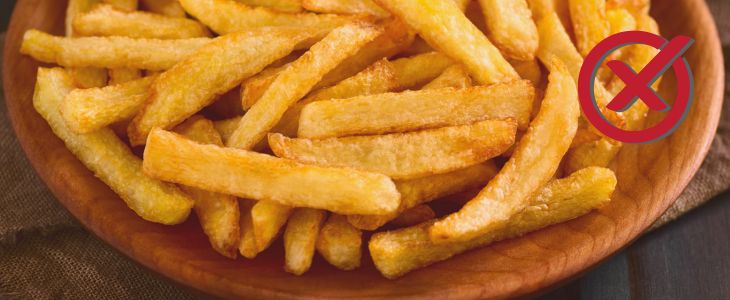
Any type of food that has been fried may
contain high amounts of cholesterol, and it is recommended to avoid this
cooking method. The reason is trans fats which can increase the risk of
heart disease and harm health in various other ways. In general, fried
food has been linked in studies to an increased risk of heart disease.
8. Fast food – Avoid
Consuming fast food puts you at high risk
for various chronic diseases, including heart disease, diabetes, and
obesity. According to studies people who regularly consume fast food
also tend to have higher cholesterol levels, as well as higher abdominal
fat, more inflammation, and higher blood pressure.
9. Processed meat – Avoid

Processed meat, like sausages, for example,
is considered a food with a very high cholesterol level that is not
recommended to consume at all in the diet. A study conducted on a
massive scale with more than 614,000 participants found that those who
consumed about 50 grams of processed meat daily had a 42% higher risk of
heart disease.
10. Desserts- Avoid
Cookies, cakes, pastries, and the like are
foods that often come with a high amount of cholesterol, as well as
sugar, unhealthy fats, and of course, calories. Researchers have shown
that there is a link between consuming large amounts of sugar and
obesity, diabetes, heart disease, and certain types of cancer. Moreover,
these foods do not contain substances that the body needs to thrive,
such as vitamins, minerals, proteins, and healthy fats.
How to lower blood cholesterol levels?
If it’s important for you to keep your body as cholesterol-free as
possible, there are a few things you can do that are more important than
the food itself that you choose:
Consume more fiber: Studies show that consuming dietary fiber helps
lower LDL levels.
Exercise: Studies show that keeping an active body lowers
cholesterol levels.
Try to lose weight: Researchers have proven that losing weight
reduces cholesterol levels and heart disease risk factors by 5-10%.
Consider quitting smoking: If you smoke, it’s important to know that
studies have shown that smoking increases cholesterol levels.
Eat more fruits and vegetables: According to studies people who eat
more fruits and vegetables tend to have lower cholesterol levels.
T