Monday, August 11, 2025

10 Foods That Can Weaken Your Immune System

Your immune system works tirelessly to protect you from illness and infection, but did you know that some of the foods you eat daily might be working against it? While we often focus on what to eat to boost immunity, it's equally important to understand which foods can weaken our body's natural defenses. The relationship between diet and immune function is profound. A nutrient-dense, well-rounded diet acts as fuel for your immune system, while a diet low in nutrients and high in ultra-processed foods can significantly impair your body's ability to fight off threats. Understanding which foods fall into the latter category can help you make better choices for your long-term health.

1. The Sweet Saboteur: Added Sugar
Perhaps no food ingredient does more damage to your immune system than added sugar. When you consume foods high in added sugars, your blood sugar spikes dramatically, triggering the production of inflammatory proteins like tumor necrosis alpha, C-reactive protein, and interleukin-6. These proteins directly interfere with your immune system's ability to function properly.

The damage goes beyond inflammation. High blood sugar levels can actually inhibit neutrophils and phagocytes—two crucial types of immune cells that serve as your body's first line of defense against infection. Additionally, elevated blood sugar can compromise your gut barrier function and disrupt the delicate balance of bacteria in your digestive system, making you more susceptible to illness. 
 
Research has consistently demonstrated this connection. A 2012 study involving 562 older adults found that those with elevated blood sugar levels had both weaker immune responses and higher levels of inflammatory markers. The evidence is particularly concerning for people with diabetes, who may experience prolonged periods of high blood sugar. 
 
To protect your immune system, limit your intake of ice cream, cake, candy, and sugary beverages. Your body will thank you with stronger, more effective immune responses.

2. The salt-trap: High Sodium foods
 foods that may damage the immune system
  
 
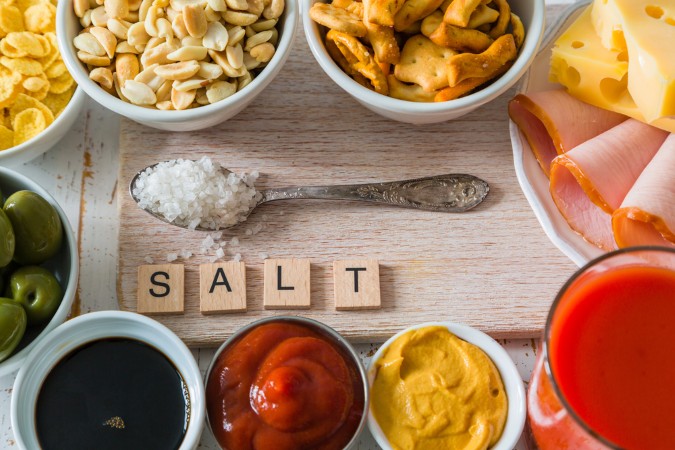
That bag of chips or frozen dinner might be convenient, but the high sodium content could be compromising your immune system. Research has shown that excessive salt intake triggers tissue inflammation and may increase the risk of autoimmune diseases. 
 
In a fascinating 2016 study, researchers tracked six healthy men as they consumed varying amounts of salt over several months. When the participants consumed 12 grams of salt daily—about double the recommended amount—they showed elevated levels of inflammatory white blood cells called monocytes, along with increased inflammatory markers. Simultaneously, their levels of anti-inflammatory proteins decreased, indicating an overactive and potentially harmful immune response. 
 
Salt doesn't just promote inflammation; it can actively suppress your body's anti-inflammatory responses, alter your gut bacteria composition, and promote the development of immune cells associated with autoimmune diseases. Some researchers believe that excessive salt consumption may be contributing to the rise in autoimmune diseases in Western countries. 
 
The impact is particularly pronounced for people already dealing with autoimmune conditions like ulcerative colitis, Crohn's disease, rheumatoid arthritis, and lupus, where high salt intake can worsen symptoms. 
 
 
3. The Omega Imbalance: Too Much Omega-6

While your body needs both omega-6 and omega-3 fatty acids to function properly, Western diets have created a problematic imbalance. We consume far too many omega-6 fats and not nearly enough omega-3s, and this imbalance may be weakening our immune systems. 
 
Diets high in omega-6 fats promote the expression of pro-inflammatory proteins that can impair immune function. In contrast, omega-3 fats help reduce the production of these harmful proteins and support healthy immune responses. Studies in people with obesity have shown that high omega-6 intake can lead to immune dysfunction and increase the risk of conditions like asthma and allergic rhinitis.

Experts recommend maintaining a healthy ratio of omega-6 to omega-3 fats, ideally between 1:1 and 4:1. This means increasing your consumption of omega-3-rich foods like salmon, mackerel, sardines, walnuts, and chia seeds while reducing your intake of omega-6-heavy oils like sunflower, canola, corn, and soybean oil. 
 
 
 4. The Fried Food Problem: AGEs and Inflammation
 
foods that may damage the immune system

Fried foods present a double threat to your immune system. First, the high-temperature cooking process creates harmful compounds called advanced glycation end products (AGEs). When sugars react with proteins or fats at high temperatures, these AGEs form and can accumulate in your body, contributing to inflammation and cellular damage. 
 
AGEs weaken your immune system through multiple pathways: they promote inflammation, deplete your body's antioxidant defenses, cause cellular dysfunction, and negatively affect your gut bacteria. Research suggests that diets high in AGEs may increase susceptibility to diseases like malaria and raise the risk of metabolic syndrome, certain cancers, and heart disease. 
 
Common culprits include french fries, potato chips, fried chicken, pan-fried steak, fried bacon, and fried fish. 
 
By reducing your consumption of these foods, you can significantly decrease your AGE intake and support better immune function. 
 
5. Processed and Charred Meats: A Toxic Combination
Processed and charred meats combine several immune-suppressing factors into one problematic food category. Like fried foods, they're extremely high in AGEs—with items like fried bacon, broiled hot dogs, roasted chicken thighs with skin, and grilled steak containing some of the highest AGE levels found in any foods. 
 
These meats are also typically high in saturated fat, which research suggests may contribute to immune system dysfunction when consumed in excess and when unsaturated fat intake is low. High saturated fat consumption can contribute to systemic inflammation and harm immune function through multiple mechanisms.

The health risks extend beyond immune suppression. High intake of processed and charred meats has been linked to various diseases, including colorectal cancer, making them a poor choice for overall health. 
 
6. Fast Food: A Perfect Storm of Immune Suppressors
 
foods that may damage the immune system
Fast food represents perhaps the most comprehensive assault on your immune system, combining multiple problematic elements into convenient packages. These highly processed foods drive inflammation, increase gut permeability, and cause bacterial imbalances in your digestive system—all of which negatively impact immune health. 
 
But the problems don't stop with the food itself. Fast food often contains concerning levels of chemicals called phthalates, including DEHP and DiNP, which can leach into food through packaging or plastic gloves worn during preparation. These chemicals disrupt your endocrine system and may increase the production of inflammatory proteins that weaken your immune response. 
 
Phthalates also reduce gut bacteria diversity, which is crucial for maintaining a healthy immune system. The more diverse your gut microbiome, the better equipped your immune system is to handle threats. 
 
7. Additive Overload: Hidden Immune Disruptors

Many processed foods contain additives designed to improve shelf life, texture, and taste, but some of these additives may be undermining your immune system. Emulsifiers, commonly added to processed foods, can alter gut bacteria, damage your intestinal lining, and promote inflammation—all of which contribute to immune dysfunction. 
 
Specific additives of concern include carboxymethylcellulose (CMC) and polysorbate-80 (P80), which have been linked to immune problems in animal studies. Carrageenan, another common additive, may induce intestinal inflammation and inhibit immune responses, though more research is needed to fully understand its effects in humans. 
 
Other potentially problematic additives include corn syrup, excess salt, artificial sweeteners, and citrate. While the research is ongoing, the evidence suggests that minimizing consumption of heavily processed foods with long ingredient lists is a wise choice for immune health.
 
8. Refined Carbohydrates: Blood Sugar Spikes and Immune Dips

foods that may damage the immune system
Highly refined carbohydrates like white bread and sugary baked goods can harm your immune system in ways similar to added sugars. These high-glycemic foods cause rapid spikes in blood sugar and insulin levels, potentially leading to increased production of free radicals and inflammatory proteins like C-reactive protein. 
 
Beyond the immediate inflammatory response, a diet rich in refined carbs can alter your gut bacteria composition in ways that negatively affect immune function. Your gut microbiome plays a crucial role in immune health, and disrupting this delicate ecosystem can have far-reaching consequences. 
 
Instead of refined carbs, choose nutritious, high-fiber carbohydrate sources like starchy vegetables, oats, fruits, and legumes. These foods provide steady energy without the immune-suppressing blood sugar spikes.


9. The Fat Factor: When good fat goes bad
 foods that may damage the immune system
 
 Not all fats are created equal when it comes to immune function. Diets high in saturated fats and low in unsaturated fats have been associated with immune dysfunction. High saturated fat intake can activate inflammatory signaling pathways that inhibit immune function and may increase your susceptibility to infection by suppressing immune system activity and white blood cell function. 
 
Animal studies have shown that high-fat diets can cause harmful changes in gut bacteria and damage the intestinal lining, potentially increasing infection and disease risk. While researchers are still investigating exactly how different fatty acids affect the immune system, the evidence suggests that balance is key. 
 
A well-balanced diet that includes plenty of fiber and healthy fat sources—like those found in nuts, seeds, avocados, and fatty fish—is likely the best approach for supporting immune health. 
 
10. Artificial Sweeteners: Not So Sweet for Immunity
While artificial sweeteners might seem like a healthy alternative to sugar, emerging research suggests they may come with their own immune-related risks. Certain artificial sweeteners have been linked to altered gut bacteria composition, increased gut inflammation, and blunted immune responses. 
 
Sweeteners like sucralose and saccharin may induce gut bacteria imbalances, and some researchers believe that overusing these artificial sweeteners could be detrimental to immune health. Limited research has even suggested that high intake of artificial sweeteners might contribute to the progression of autoimmune diseases, though more studies are needed to confirm this connection. 
 
The research isn't entirely conclusive—some studies have found that moderate daily intake of artificial sweeteners doesn't cause significant changes in gut bacteria or immune function. However, given the potential risks and the availability of natural alternatives, limiting artificial sweetener consumption may be a wise precautionary measure. 
 
Building a Stronger Defense 
Understanding which foods can weaken your immune system is just the first step. The path to better immune health involves more than just avoiding problematic foods—it requires embracing a lifestyle that supports your body's natural defenses. 
 
Focus on building a diet rich in whole, nutrient-dense foods while minimizing ultra-processed options. This means choosing fresh fruits and vegetables, lean proteins, whole grains, nuts, seeds, and healthy fats. These foods provide the vitamins, minerals, antioxidants, and other compounds your immune system needs to function optimally. 
 
Remember that immune health isn't just about diet—adequate sleep, regular exercise, stress management, and maintaining social connections all play crucial roles in keeping your immune system strong. By taking a comprehensive approach that addresses diet and lifestyle factors, you can give your immune system the support it needs to protect you effectively. 
 
The foods you choose today shape your immune system's ability to protect you tomorrow. Make those choices count. 
 

This is only for your information, kindly take the advice of your doctor for medicines, exercises and so on.   


Labels: , , , , , , , , ,

Tuesday, June 29, 2021

5 foods to avoid if you’re suffering from arthritis

5 foods to avoid if you're suffering from arthritis

Arthritis is a medical condition where a person suffers from joint pain because of inflammation in his/her joints. Arthritis can affect a person in different ways, with osteoarthritis and rheumatoid arthritis being the most common ones.

Osteoarthritis is a non-inflammatory type of arthritis that occurs when the cartilage at the end of our bones wears off. On the other hand, Rheumatoid arthritis is an inflammatory type of arthritis that not only damages the joints but also affects other systems of our body. It occurs when the immune system mistakenly attacks the cells and tissues in our joints.

While arthritis affects the bones and the joints, it may also cause pain in other areas of the body based on the type. Pain in the joints, stiffness, swelling, redness on the skin and restriction in movement are some of the symptoms of arthritis. While management of the condition, medication and therapy can help relieve some of the symptoms, there are also some foods doctors advise patients to minimize or limit in the diet to avoid aggravating symptoms and pain:

If you have been diagnosed with arthritis, here’s what you should avoid consuming:

Added sugar

Added sugars are generally found in chocolates, sodas, candies, juices, soft drinks, cereals and even some sauces. You should avoid foods that contain added sugar because it accelerates the pain of arthritis. Joint pain tends to increase quickly after consuming sugar-sweetened items and desserts. Sugar also increases one’s risk to develop arthritis. Even in general, one should try to consume as little sugar as possible as it also results in other health issues. People suffering from arthritis should especially avoid it.

Gluten

Gluten is a type of protein that is generally found in grains like wheat, barley and rye. Anything made from these grains also contains gluten like items such as bread, buns, cakes, pasta and more. Gluten is said to increase inflammation in your joints which could result in worsening the pain. Avoiding gluten in your food can help reduce inflammation and relieve pain. Several studies have also been conducted showing that following a gluten-free, vegan diet reduces inflammation. Also, being allergic to gluten or gluten intolerance can increase one’s risk of developing rheumatoid arthritis.

Added salt

Foods that contain high amounts of salt like processed meats, soups, some varieties of cheese and pizza should be avoided if you have arthritis. A study of PubMed Central on mice found that arthritis in mice who were being fed salt rich foods was more severe than those who were on a low salt diet. The inflammation was lower in the latter and wearing off of the cartilage was also lesser in them. High sodium intake in the form of salt can also increase one’s risk of developing arthritis. Shifting to foods with low salt content can help reduce the inflammation and severity of your arthritis.

Highly processed foods

Highly processed foods like ready-to-eat breakfast cereals, junk foods, juices and other such things generally contain all of the above things. They contain added sugar, refined grains and preservatives which together contribute towards worsening the pain of arthritis. Inflammation in your joints increases by consuming such foods and hence, they should be avoided. Processed foods should also not be consumed because they hamper our overall health.

Alcohol

Alcohol may also worsen inflammation and pain of arthritis. A few studies have found that consuming alcohol accelerated spinal damage in people suffering from axial spondylarthritis. It is a type of arthritis that mainly affects one’s spinal cord and joints of that area. Alcohol is also said to increase the pain of gout which is caused due to high uric acid content in one’s blood. One also faces a greater risk of developing osteoarthritis from alcohol consumption.

The bottom line

Arthritis is a disease that occurs generally over time as the cartilage at the end of our bones wears out. Although elderly people generally develop this disease, even young adults, teens and children can. You may not be able to control developing this disease, but if you already suffer from it, you may be able to reduce the pain, inflammation and severity of it by making a few dietary changes. Avoiding foods that accelerate your pain can help you to deal with the disease better.

This is only for your information, kindly take the advice of your doctor for medicines, exercises and so on.   

https://gscrochetdesigns.blogspot.com. one can see my crochet creations  
https://gseasyrecipes.blogspot.com. feel free to view for easy, simple and healthy recipes    
https://kneereplacement-stickclub.blogspot.com. for info on knee replacement

Labels: , , , , , , , ,

Monday, March 15, 2021

8 Methods Companies Use To Hide Sugar In Foods

It’s no secret that eating too much added sugar can harm your health in a variety of ways, with excess sugar consumption being linked to a variety of conditions like diabetes, heart disease, and cancer. But even if you use little to no added sugar in your cooking, you might be consuming way more of it than the recommended daily amount. How is that possible? One major reason why that might be happening is that companies add a lot of sugar to their products, but they try to conceal it in a variety of ways to be able to pass them off as healthy foods.

And while the maximum daily amount of added sugar for men should be no more than 37.5 grams (9 teaspoons) and for women it should not exceed 25 grams (6 teaspoons), 1 protein bar can contain as much as 30 grams (7.5 teaspoons) of added sugars, which is over the daily recommended allowance for women. Let’s investigate how it is possible for companies to sell you junk food under the premise of healthy food, and how you can use food labels to make smart purchasing decisions that would promote and not harm your health.

1. They Use a Different Word For Sugar  
When you want to find out how much sugar a product contains, let’s say, a box of cereal, you usually look at the back of a cereal box and scan the ingredients list for keywords like sugar, sucrose, glucose, and fructose. If you don’t find those, or find them in the middle or at the end of the ingredients list, which means that there isn’t a lot of it in the product, you make the conclusion that it’s a healthy choice, right? 
 
Well, not entirely, as many companies nowadays use many “alternative” names for sugar in an attempt to deceive a consumer that is used to scan the ingredients list before purchasing a certain product. Here is a list of such alternative names that you should watch out for when it comes to powdered added sugar.

sugar marketing They Use a Different Word For Sugar
Added sugar is also often used in syrup form rather than powdered form, in which case they commonly appear as the following ingredients on nutrition labels.
sugar marketing syrups 
2. Adding Sugar to Things That Aren’t Sweet 
You would expect to see added sugar appearing as an ingredient on a box of cookies, but not so much on a can of tomato sauce, salad dressings, and soups. The truth is that humans simply love sweet food because our brains run on sugar and it’s addictive, and for companies, it’s a cheap way of making a product tastier for consumers. 
 
Unfortunately, all of the foods we mentioned above can actually contain a lot of sugar, which adds up and can be the culprit behind excess sugar consumption. For example, 100 grams of some ketchups can contain as much as 38 grams of sugar, which is higher than the daily allowance for men. That’s why it is always important to always check the sugar content of a product, be it sweet or savory.

3. Adding Health-Related Claims on Product Packaging 
You’re better off completely ignoring claims like natural, zero, healthy, low-fat, diet, and light that often appear on the packaging of products. Instead, look directly at the label and analyze the ingredient list. These products are often lower in fat, calories, and sugar, but they’re often way too abundant in sugars.
sugar marketing
4. Using So-Called “Healthy” Sugars 
Certain products use labels like refined sugar-free or contains no refined sugar. What these labels mean, however, is that a product doesn't contain white sugar. While it may be true that these so-called “healthy” sugars have a slightly lower glycemic index (GI), they still have little to no additional nutrients compared to whole foods and, at the end of the day, they are still added sugars. A list of popular sugars marketed as healthier can be found in the picture below.
sugar marketing healthy 
The bottom line is that like white sugar, fructose or corn syrup, these sugars should not exceed the overall amount of 37.5 g for men and 25 g for women. So, it doesn’t matter if you consume 25 g of white sugar, or 10 g of coconut sugar, 10 g of agave syrup and 5 g of honey as a woman, both equal your daily recommended amount. That doesn’t mean that you cannot choose these alternatives, but remember that they are just as damaging to your health as any other sugar.
 
5. Using a Few Types of Sugar 
As we mentioned previously, ingredients appear in any ingredients list according to their amounts in a product, so the first ingredient is usually the most abundant one, whereas there will be very little of the last ingredient on the list. Companies learned to take advantage of this regulation and often use several types of sugar in smaller amounts, which makes them appear lower on the ingredients list. 
 
This can trick a consumer into believing that there is very little sugar in the product. So, if you see a few different types of sugar in the middle or at the end of the list, know that the added amount of all these sugars may be way higher than you expect. For example, if you look at the picture below, you will see that this cereal uses a variety of sweeteners, such as sugar, honey, and brown sugar syrup that appear in different places on the list.
sugar marketing cheerios
6. Not Distinguishing Between Naturally-Occurring and Added Sugars 
There is a difference between eating an orange and drinking a glass of soda, even if both of these products contain a lot of sugar. While products containing added sugars, like a glass of soda, do not contain anything apart from whatever is listed on the packaging, whole foods are packed full with fiber, vitamins, antioxidants and essential nutrients that not only mitigate the damage caused by the sugar they contain, but improve your health. 
 
Ingredient labels don’t distinguish between the added and naturally-occurring sugars, but you should keep in mind that choosing whole, unprocessed foods is always better.

7. Changing the Nutritional Facts With Time  
If you know that a specific brand makes a great low-sugar product, don’t assume it applies to comparable products by the same brand. It is often the case that a similar product, but with a different flavor or simply one that is sold in a different country will not have the same nutritional content the original did. 

It is also often the case that brands change the content of their products when they update the packaging, so always be critical of any changes or variations in the product you know is good, as it may actually turn out to be not so low in sugar. 
 
8. Check the Serving Size  
The last, but definitely crucial line in the nutrition facts portion of a product is the serving size. Food companies often manipulate the serving size of a product, making it too small to be realistic, but this makes the product look like it’s not that high in sugar. So, for example, 1 small can of soda that even a child can gulp down in a matter of seconds often contains multiple servings, which means that by drinking the whole thing you’re actually consuming double or triple the amount of sugar mentioned on the packaging. Be careful and make smart food purchases.

This is only for your information, kindly take the advice of your doctor for medicines, exercises and so on.     

https://gscrochetdesigns.blogspot.com. one can see my crochet creations  
https://gseasyrecipes.blogspot.com. feel free to view for easy, simple and healthy recipes    
https://kneereplacement-stickclub.blogspot.com. for info on knee replacement


Labels: , , , , , , , , , , , ,