Wednesday, October 06, 2021

The psychology behind drug misuse: Why do people take drugs, long term health risks and all you need to know

All about drug abuse and the psychology behind it
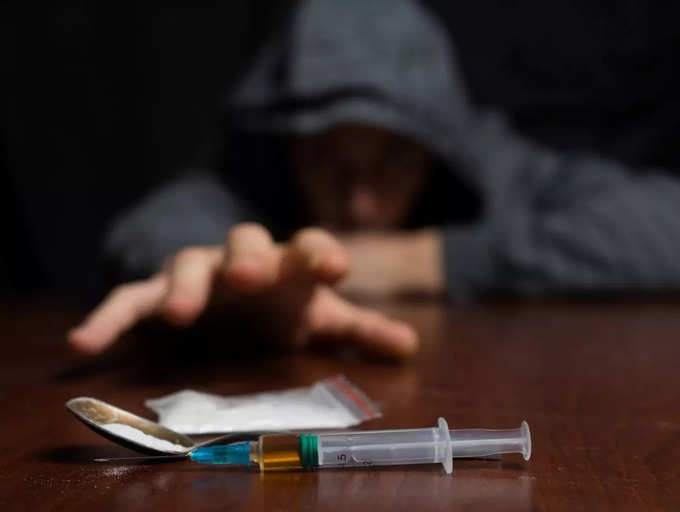
On Sunday, when Shahrukh Khan's son, Aryan Khan, was arrested by the Narcotics Control Bureau (NCB), it sent shock waves across the country. Reportedly, the actor's 23 year old son was at a party on a cruise ship, when the NCB raided the place and found 3 grams of cocaine, 21 grams of charas, 22 pills of MDMA, and 5 grams of MD.

While the case is still under trial, there have been many talks and discussions around the use/misuse of drugs and how it's becoming more common among young adults. The science behind why one resorts to drugs is not definite. However, there are certain stressors that might lead to addiction.

That said, let us first delve into the many aspects of addiction and drug abuse.

Drug use, Drug misuse and Addiction
The National Institute on Drug Abuse (NIDA), which is a United States federal-government research institute, uses drug use, drug abuse and addiction in different contexts and not interchangeably.

According to them, "Drug use refers to any scope of use of illegal drugs: heroin use, cocaine use, tobacco use."

"Drug misuse is used to distinguish improper or unhealthy use from use of a medication as prescribed or alcohol in moderation. These include the repeated use of drugs to produce pleasure, alleviate stress, and/or alter or avoid reality."

Lastly, "Addiction refers to substance use disorders at the severe end of the spectrum and is characterized by a person’s inability to control the impulse to use drugs even when there are negative consequences," as per NIDA.

The reason why people take drugs
The psychology behind why people take drugs is more complex than we assume. While some blame money and power to be the root cause of it, there are many factors that lead to addiction.

Basically, addiction is when a person indulges in an activity that is so pleasurable, that one cannot stop doing it even when it disrupts day to day functions, negatively affects physical and mental well being.

Drug use initially starts voluntarily. Either a person is inclined towards experiencing something new or it is an attempt to have fun. But over time, it can impair a person's self-controlling abilities, leading to addiction.

Such addictive behaviour may begin due to an emotional stress, triggered by a traumatic experience that is extremely difficult to challenge. This is when a person may resort to drug use, substance abuse so as to distract oneself from the stress. While some people are strong-willed and are able to stop themselves, on the contrary, there are those who develop compulsive behaviour.

As per NIDA, "People use drugs for many reasons: they want to feel good, stop feeling bad, or perform better in school or at work, or they are curious because others are doing it and they want to fit in. The last reason is very common among teens."

How do drugs work?
According to a study published in the European Journal of Neuroscience on “neural and psychological mechanisms underlying compulsive drug seeking habits,” the want for drugs begins as a goal-oriented behavior i.e. a person finds and takes drugs (the action), and gets high (the outcome of the action). This is a form of associative learning meaning the will to do something based on a new stimulus.

The National Institute on Drug Abuse believes, "Drugs excite the parts of the brain that make you feel good. But after you take a drug for a while, the feel-good parts of your brain get used to it. Then you need to take more of the drug to get the same good feeling. Soon, your brain and body must have the drug just to feel normal."

Following which, "you feel sick, awful, anxious, and irritable without the drug," adds NIDA.

Different types of drugs and their short term effects
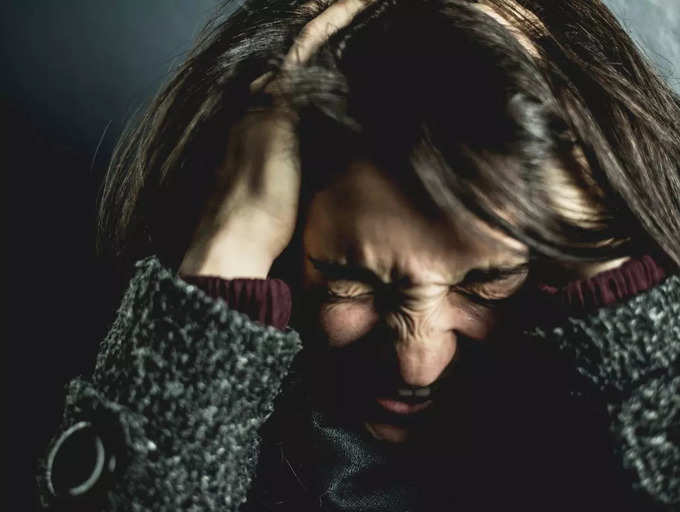
As per experts, drugs impact our central nervous system, affecting how we think, feel and act. There are different types of drugs that have different effects on one's brain.

Depressants - Depressants are drugs that reduce functional activity. When taken in small quantities, depressants may make a person feel relaxed. Large amounts of depressants may trigger nausea, unconsciousness and in some cases, even death. Alcohol, cannabis, opiates such as heroine, morphine, GHB are examples of depressants.

Hallucinogens - Hallucinogens warps one's sense of reality. You may start hallucinating, see or hear things that are not really there. Such instances may lead to paranoia, panic, emotional and mental euphoria, nausea and gastrointestinal problems. LSD, cannabis, magic mushroom and Ketamine are some specimens of hallucinogens.

Stimulants - Stimulants help you be more attentive and overworking your brain. It can lead to an increased heart rate, high blood pressure, fever, loss or change in appetite, agitation and sleeplessness. When taken in large amounts, it can lead to panic, seizures, stomach cramps, anxiety and more. Caffeine, nicotine, cocaine and ecstasy (MDMA) are examples of stimulants.

Long term health risks
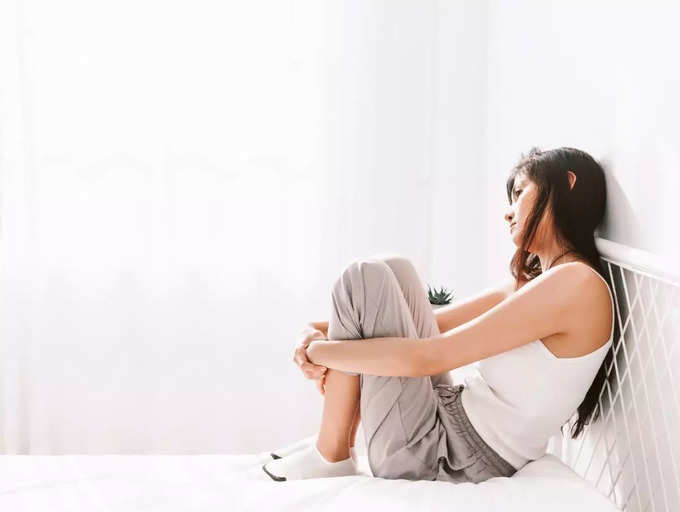
Continuous use of drugs can pose great long term risks. From having mental health problems/ disorders such as paranoia, depression, anxiety, aggression and hallucinations to developing chronic health issues associated with cardiovascular diseases, respiratory illnesses, kidney damage and more, drug misuse and addiction may sometimes lead to death.

As per NIDA, "Longer-term effects can include heart or lung disease, cancer, mental illness, HIV/AIDS, hepatitis, and others. Long-term drug use can also lead to addiction. Drug addiction is a brain disorder. Not everyone who uses drugs will become addicted, but for some, drug use can change how certain brain circuits work."

Can addiction be treated?

Drug misuse and addiction is a treatable condition that needs time and effort. It is a long term process that may involve many attempts.

The process of recovery may focus on a lot of factors from family roles to work skills to improving one's mental health.

Treatment may include the following.

- Detoxification under medical supervision.

- Cognitive Behavioral Therapy

- Family therapy

- Life skills training

- Medication combined with behavioral therapies

- 12-Step Facilitation i.e recognizing that addiction has several negative consequences - emotional, social and physical.

readmore

Labels: , , , , , , , , , , , ,

Saturday, November 23, 2019

Lack of Sleep May Cause Heart Disease in Poor

Insufficient sleep is one reason why people with a lower socioeconomic status are at a higher risk of heart disease higher risk of heart disease, according to a study published on Thursday.

Researchers from the University Center of General Medicine and Public Health (Unisante) in Switzerland noted that economically disadvantaged people sleep less for a variety of reasons. 

They may do several jobs, work in shifts, live in noisy environments, and have greater levels of emotional and financial stress. 

The study,  is the first to examine whether lack of sleep could partly explain why poor people have more heart disease. 

It found that short sleep explained 13.4 per cent of the link between occupation and coronary heart disease in men. 

"The absence of mediation by short sleep in women could be due to the weaker relationship between occupation and sleep duration compared to men," said the researcher.

The researchers noted that structural reforms are needed at every level of society to enable people to get more sleep. 

Attempts should be made to reduce noise, for example, which is an important source of sleep disturbance, with double glazed windows, limiting traffic, and not building houses next to airports or highways, they said. 

The study pooled data from eight groups totaling 1,11,205 participants from four European countries.
Socioeconomic status was classified as low, middle, or high according to father's occupation and personal occupation. 

History of coronary heart disease and stroke was obtained from clinical assessment, medical records, and self-report. 

Average sleep duration was self-reported and categorized as recommended or normal sleep -- 6 to 8.5 hours, short sleep (six hours), and long sleep -- more than 8.5 hours per night. 

this is only for your information, kindly take the advice of your doctor for medicines, exercises and so on.     
https://gscrochetdesigns.blogspot.com. one can see my crochet creations  
https://gseasyrecipes.blogspot.com. feel free to view for easy, simple and healthy recipes    
https://kneereplacement-stickclub.blogspot.com. for info on knee replacement


Labels: , , , , , , ,

Thursday, March 07, 2019

'Broken Heart' Syndrome could be brain-based

A heartbreak after a sad event could literally "break your heart" -- and the blame may be on your brain, scientists believe.

"Broken Heart Syndrome', also known as Takotsubo syndrome (TTS), is a sudden temporary weakening of the heart muscles, accompanied by symptoms including chest pain, shortness of breath and sometimes heart attack.

TTS usually appears shortly after severe emotional stress like heartbreak after a breakup or death of a loved one, in addition to other types of extreme sadness, anger, or fear.

A recent study published  sought for more clues underpinning a possible heart-brain correlation. The researchers, which comprised of neuroscientists and cardiologists, compared MRI brain scans from 15 TTS patients with those of 39 healthy patients and looked at three areas of the brain -- amygdala, hippocampus, and cingulate gyrus.

These areas are involved in emotional processing, motivation and memory, collectively controlling our response to stress and regularly interact with each other. The amygdala and cingulate gyrus also handle certain unconscious bodily functions such as the heartbeat and breathing.

According to the study, TTS patients have exhibited a breakdown in communication between these regions of their brains controlling both emotional processing and automatic bodily processes.

"(This finding) strongly supports the idea that the brain is involved in the underlying mechanism of TTS," a cardiology professor and the study's lead researcher, said in a news release.

The study suggests that our emotions can take a much greater toll on our physical health than we realize, which is why it's important to pay attention to your emotional health and holistic well-being. 

THIS IS ONLY FOR INFORMATION, ALWAYS CONSULT YOU PHYSICIAN BEFORE HAVING ANY PARTICULAR FOOD/ MEDICATION/EXERCISE/OTHER REMEDIES.                                    PS- THOSE INTERESTED IN RECIPES ARE FREE TO  VIEW MY BLOG-                                                                                           https://gseasyrecipes.blogspot.com/                                                                                                                                                         FOR INFO ABOUT KNEE REPLACEMENT, YOU CAN VIEW MY BLOG-                                                  https:// kneereplacement-stickclub.blogspot.com/           

                                                                           FOR CROCHET DESIGNS                                                                                                                                                                                                  https://gscrochetdesigns.blogspot.com


Labels: , , , , , , , , , ,

Tuesday, October 02, 2018

8 Kinds of Pain Linked to Emotional States

Any type of physical pain is associated with an injury, disease, disorder or condition. However, emotional turmoil can manifest itself in the form of real, actual physical pain. Your body and spirit are more intertwined than we tend to think. So, if you start to experience a physical ache that you cannot attribute to a tangible cause, chances are the culprit behind it is your emotional state. So, if you want to effectively treat that pain, you need to discover its root cause. Here are 8 types of physical pain that are caused by your varying emotional states.
 
1. Headache
If you suffer from severe headaches when things appear to be challenging in your life, your headaches are likely caused by stress. This kind of headache is extremely common and recurring. For this reason, popping a painkiller may not be such a good idea. Instead, you should try treating it by doing things you love or activities that relax you such as reading, meditating or taking a walk. 

2. Neck Ache
Pain in the back of your neck arises when you find it difficult to let something or someone go. This can also be linked to an unwillingness to forgive and forget, be it yourself or somebody else. In this scenario, you need to remember that neither you nor anyone else is perfect and it's best that you move on, as opposed to hold on. If moving on is not an option, change your perspective and try to forgive people instead. 
3. Shoulder Ache
If something has been bothering you a lot lately, this emotional blockage can result in pain in your shoulders. This pain will continue to persist until you stop ignoring what the issue you're dealing with is. To fix this kind of pain, you need to search within yourself and figure out what the problem really is. Once you discover the root of the problem try to come up with a solution that can end it once and for all. 
4. Upper Backache
When you don't get the emotional support you need, especially from people you rely on, you may feel a stiffening pain in your upper back. This pain is caused by feelings of loneliness or being unappreciated or unloved. The only way to overcome this is to mix with new people who will make you feel good about yourself. This will help in ridding of loneliness too. 
5. Lower Backache
If you find yourself embroiled in worries concerning your financial situation, you will experience pain in the lower back. Money issues can get bothersome and depressing too. But if you want to stop the worrying as well as the subsequent pain, you need to take matters in your hands. This means planning your finances more efficiently. 
6. Elbow Ache
An achy elbow is caused by a stagnant life. That is why, at times, it is good to break the mold and do something different. Shaking things up in your life will bring about a much-needed change that opens you to new experiences. It is also one of the better ways to cure the pain in your elbows. 
7. Hand Ache
pain to emotional states
While it may be rare, at times you may feel a tingling pain in your hands. This pain surfaces when you fail to connect to the people in your life the way that you would want to. It could also stem from associating yourself with toxic people. If this is the case, you need to go out and expand your social horizons by meeting up with new people. 
8. Hip Ache
The hips and legs are closely connected. A pain in the hip can indicate an unwillingness to take a step ahead in life. You may do this out of fear of the unknown or thinking that your life may get worse than it is. However, you need to keep in mind that some of the best things in life happen when you are ready to put your fear aside and take the plunge. Don't be afraid to take risks and step out of your comfort zone as life may pleasantly surprise you. 

THIS IS ONLY FOR INFORMATION, ALWAYS CONSULT YOU PHYSICIAN BEFORE HAVING ANY PARTICULAR FOOD/ MEDICATION/EXERCISE/OTHER REMEDIES.                                                                                                                                                                                                                                            PS- THOSE INTERESTED IN RECIPES ARE FREE TO  VIEW MY BLOG-                                                                                           https://gseasyrecipes.blogspot.com/   

 
FOR INFO ABOUT KNEE REPLACEMENT, YOU CAN VIEW MY BLOG-                                                                                                                                https:// kneereplacement-stickclub.blogspot.com/                              

FOR CROCHET DESIGNS                                                                                                                                                                                                                                 https://gscrochetdesigns.blogspot.com


Labels: , , , , , , ,