Sunday, December 27, 2020

Yoga for Diabetes: Try these 5 asanas to keep your blood sugar under control

Exercise can be an important part of managing your diabetes. It can help keep your blood sugar levels steady and even help lower your chances of getting the disease in the first place.  

Brisk walks, running, and strength training with weights are good choices. So is one that many people may not consider: yoga. According to the researchers, one of the cornerstones of controlling one’s blood sugar is regular and holistic exercise. And yoga is one such ancient measure to effectively control your blood sugar levels. But before we discuss in detail various yoga poses to keep diabetes under control, here’s what you should know about the significance of exercise for diabetics.

Exercise is the key to stay healthy

Diabetes is caused when your blood cells do not respond to the insulin produced in the body. When you follow a regular exercise regimen, your body starts responding to insulin, helping to reduce your blood glucose. Exercise also helps improve blood circulation in your body, particularly in the arms and legs, where diabetic patients most commonly encounter problems. It is an excellent way to fight stress, both at the body and mind level, which in turn helps keep one’s glucose levels down. Here are the top 8 reasons why you should start exercising today.

Lowering stress levels

Stress plays a very important role in the onset and management of diabetes. Therefore, managing stress levels may also help a person manage diabetes. 

#Improving emotional well-being

Practicing yoga can help people learn deep breathing skills as well as develop the mind-body connection.

It is a form of mindfulness that helps people stay in the present moment. It may also reduce anxiety and improve emotional well-being.

#Protecting heart health

There are many befits of practicing yoga regularly and one of the most important ones amongst these is – yoga manages your heart health.

Yoga to manage diabetes

People have practiced yoga for hundreds of years. Research shows that yoga can help improve your overall quality of life as well as help manage symptoms specific to diabetes.

Yoga is both physical activity and a mental one. The word comes from the Sanskrit word for yoking, or to join or unite. It mixes specific postures, breathing techniques, and meditation.

Regular yoga practice can help reduce the level of sugar in the blood, along with lowering blood pressure, keeping your weight in check, reducing the severity of the symptoms, and slowing the rate of progression of the disease. It also lessens the possibility of further complications.

Yoga and Stress Management

Stress is one of the major reasons for diabetes. It increases the secretion of glucagon (a hormone responsible for increasing blood glucose levels) in the body. The consistent practice of yoga asanas, pranayam, and a few minutes of meditation can help reduce stress in the mind and protect the body from its adverse effects. This, in turn, reducing the amount of glucagon and improve the action of insulin.

Yoga Asanas To Control Diabates

The practice of yoga is also proven to lose weight and slow the process of fat accumulation. Here are a few ways in which yoga helps you to manage your blood sugar:

#Balasana / Child's pose


Known quite aptly as the child s pose this is a great stress buster. It gently stretches the hips, thighs, and ankles, calms the mind, and helps relieve stress and fatigue. It is also a great remedy for that lower back pain you might have from long hours of sitting.

#Vajrasana/ Thunderbolt Pose, or Diamond Pose
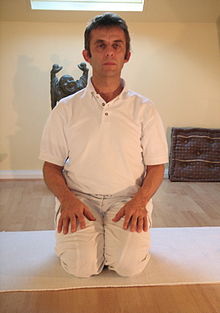
 

This is a simple pose that is great to relax the mind, improve digestion, and massages the kanda. According to Ayurvedic principles, kanda is a spot about 12 inches above the anus that is the point of convergence for over 72,000 nerves.

#Mountain yoga pose / Tadasana


Stand with the arms at the sides and the feet flat on the floor. The feet can be slightly apart. Tuck the tailbone, which will engage the abdominal, gluteal, and hamstring muscles. Breathe in, extending the arms up and out to the sides with the palms up. Exhale, slowly bringing the arms back down.

 #Halasana/ Plow pose
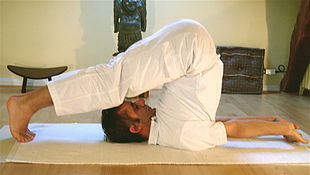

plow pose halasana

This pose is great for those who sit for long hours and tend to have bad posture. It stimulates the thyroid glands, parathyroid glands, lungs, and abdominal organs, therefore helping the blood rush to your head and face, improves digestion, and keeps the hormonal levels in check.

#Dhanurasana/ Bow poseBow Pose

Bow PoseBow Pose
Bow Pose

This pose is great to strengthen your back and spine, stimulate the reproductive organs, beat stress and fatigue, relieve menstrual pain, and constipation.

This is only for your information, kindly take the advice of your doctor for medicines, exercises and so on.     

https://gscrochetdesigns.blogspot.com. one can see my crochet creations  
https://gseasyrecipes.blogspot.com. feel free to view for easy, simple and healthy recipes    
https://kneereplacement-stickclub.blogspot.com. for info on knee replacement


Labels: , , , , , , , ,

Tuesday, June 19, 2018

How yoga can help during your peri-menopause phase

Women begin to feel the effects of peri-menopause around this time, but yoga is here to help

This year, the focus of yoga day is women and menopause, and it really is a time we could do with some help to relieve symptoms that range widely from irregular menstruation and painful periods to irritability and insomnia.
Seetkari Pranayama (cooling breath)
    Sit in a comfortable cross-legged position, with the spine straight. Soften the facial muscles and relax the shoulders.
    Gently clench the lower and upper teeth together and separate the lips as much as you can. It should feel comfortable. Keep the jaw relaxed and the teeth exposed to air.
    Inhale from between the gaps in the teeth and focus on the hissing sound of the breathe as it moves in. Close the mouth. Exhale from both the nostrils.
    Repeat, breathing the same way for 20 to 30 breaths and then relax and breathe naturally.
    Repeat for two to three rounds. Then relax.
Benefits
The most common symptom of peri-menopause is hot flushes, due to hormonal fluctuations. This cooling pranayama that naturally lowers body temperature, reduces hot flushes. It’s also good for summer. It should ideally be practised regularly, sometimes thrice a day. Whenever you feel the hot flush coming on, control it with this pranayama.
Prasarita Padottanasana (wide-leg forward fold)
    Separate the legs 4 feet apart, point the toes slightly inwards, both hands on the waist. Tuck the tail bone towards the floor.
    Inhale; raise the chest up. Exhale; extend forward and raise the hips up towards the sky.
    Place the palms on the floor or on a block.
    Place a bolster between the legs, and rest the head on it.
    Pull the knees caps up and press the outer and inner ankles towards the ground. Bend the knees if the hamstring feels tight. Staying in the pose will gradually release tension and then you can straighten the legs.
    Hold the pose breathing deeply for 60 seconds. and then release by lift the torso back up. To repeat one more time
Benefits
The anxiety, irritability and lack of sleep will be aided by this, as bending forward helps in reducing external distractions and stimuli. It can soothe the mind and reduce the effects of stress.
Vipareeta Karani (legs up the wall)
    Sit facing the wall, with the hips a few inches away from it.
    Lie down and raise the legs up on the wall. Make sure that the lower back is touching the floor and if it is not then place a bolster under the hips.
    Keep the arms a few inches away from the body and open the palms towards the ceiling.
    Relax the entire body and stay in this pose for a few minutes.
    To release the pose, bend the knees and drop them down towards the right and then sit up.
Benefits
It increases circulation in the entire body, releasing stress and tension from the body, resulting in a calm mind. If you suffer from insomnia, this asana can help, as it grounds the body's energy and releases excess anxiety. When down against wall it becomes a restorative postures, and this then induces a deep state of rest.

THIS IS ONLY FOR INFORMATION, ALWAYS CONSULT YOU PHYSICIAN BEFORE HAVING ANY PARTICULAR FOOD/ MEDICATION/EXERCISE/OTHER REMEDIES.                                                                                                                                                                                                        PS- THOSE INTERESTED IN RECIPES ARE FREE TO  VIEW MY BLOG-                                                                                           https://gseasyrecipes.blogspot.com/  

FOR INFO ABOUT KNEE REPLACEMENT, YOU CAN VIEW MY BLOG-                                                                                        https:// kneereplacement-stickclub.blogspot.com/                              
FOR CROCHET DESIGNS                                                                                                                                                                                                                                 https://gscrochetdesigns.blogspot.com

Labels: , , , , , , , , , , , , ,

Tuesday, July 30, 2013

Health benefits of Surya Namaskara

Suryanamaskar or the Indian ritual of saluting the sun comprises a rhythmic combination of yogic postures and breathing exercises.

The complete series includes 12 basic postures performed in cyclical pattern to benefit all three levels of human consciousness: Physical, mental and spiritual. However, for beginners to understand the true significance and impact of each position, the entire series should be broken down and practised one posture at a time. We list out health benefits of this whole body workout aasan.

1) Pranam Asana: This pose induces a state of concentration and calmness. This is a pose where one meditates to the Sun God.

2) Hastautthan Asana: It helps in stretching the whole body. It helps correct the spinal arch and also improves the integrity of the spine. Try and reach as high as you can to get a better stretch.

3) Padahasta Asana: This asana helps in reducing excess weight in the abdominal region. Helps in eliminating bloating, improves digestion and helps to remove constipation. Practising this asana improves blood circulation, makes spine supple and tones spiral nerves. This asana helps inculcate the bhava (attitude) of humility.

4) Ashwa-sanchalan Asana: This asana improves the overall health of the body and strengthens the back, abdomen and thigh muscles. Promotes mobility of the knee joints, strengthens the body to maintain good posture and prevent back problems. As there is a stretch on the neck , it is also beneficial to the functioning of the thyroid gland.

5) Adho Mukha Svanasana: This asana helps in boosting one's self confidence. Because of the increased blood flow to the upper body and the shoulder stand it helps in improving brain function and reduce anxiety and depression. Strengthens and tones the arms and legs. Also helps in lengthening the spine.

6) Ashtang Namaskar: This pose besides strengthening the leg and arm muscles develops the chest and gives flexibility to the region of spine between the shoulder blades.

7) Urdhva Mukha Svanasana: This pose keeps the spine supple, improving circulation in the back region and toning the spinal nerves. It tones and stimulates the abdominal muscles and organs. Stretches muscles of the chest and shoulder. Also increases lung capacity and relieves asthma.

So to sum it all up, it has a wide array of benefits for maintaining complete health and well-being.


ps- this is only for information, always consult you physician before having any particular food/ medication/exercise/other remedies.


ps- those interested in recipes are free to view my blog-

http://gseasyrecipes.blogspot.com/

for info about knee replacement, you can view my blog-

http://Knee replacement-stick club.blogspot.com/

for crochet designs

http://My Crochet Creations.blogspot.com/

I've not given details about designs, but those interested are free to mail me for the same.

Labels: , , , , , , , , , , , , , , , , , ,

Sunday, May 12, 2013

Are sit-ups bad for you?

Most weight watchers are constantly trying to get strong, flat abs. They try weight loss pills, quick fix surgeries, costly gym equipment, and long exercise routines which often include crunches and sit-ups. For years, healthcare experts have been discouraging people from taking short cuts to get flat, toned abs. The answer according to them is to get off the couch, exercise and work off those extra kilos as you mind what you eat. Is this the ideal solution to get rid of the flab around your tum? Not entirely true say experts.


Sit-ups can hurt your spine
According to a Prof.,  his studies have demonstrated that repeated bending of the spine, when we do crunches, can damage spinal discs over time. Also, expensive gym equipment are nothing but unnecessary fads. and adds, “Exercises on a wobbly ball and similar devices won’t target the right range of muscles effectively.” Recent research suggests that many devices that claim to work your core muscles fall well short of their promise. In one recent study, researchers measured the degree to which core muscles were activated using a variety of equipment. The results showed that some, including sliding ‘core boards’ (which slide from side to side or back and forth to target the midriff) offered no greater benefit than traditional crunches and sit-ups. In fact some common core exercises, even those not involving equipment, are downright risky, adds  saying, “Instructors who tell people to ‘engage their core’ before they perform exercises are asking for trouble.”
He adds, “There was this theory that by ‘engaging’ the core you would target the deeply embedded transversus abdominus muscle, a thin band that holds the guts in. We now know that the practice leads to people squeezing their abdominal muscles, leaving the back unstable. It’s completely wrong and the reason so many people get hurt when they exercise.” Old-fashioned crunches and sit-ups are also not the recommended route to a stronger middle. “If these are all you do, the results are not only likely to be superficial but can overload the spine in a dangerous way,”.

Pros and cons of using gym accessories “Gym equipment helps increase intensity and gives you variety and variation, however, you can workout on your core muscles without them.”   “Gym accessories provide assistance and improve the range of stretch and contraction. However, they can give you bad spasms in your back if done in the wrong angle and can even cause a lower lumber injury.”

Most weight watchers are constantly trying to get strong, flat abs. They try weight loss pills, quick fix surgeries, costly gym equipment, and long exercise routines which often include crunches and sit-ups. For years, healthcare experts have been discouraging people from taking short cuts to get flat, toned abs. The answer according to them is to get off the couch, exercise and work off those extra kilos as you mind what you eat. Is this the ideal solution to get rid of the flab around your tum? Not entirely true say experts.

Try this at home
Yoga expert  recommends these asanas to help you tuck that tummy in.

Parivrtta Janu Sirsasana (revolved head to knee pose): Sit with legs stretched out in front. Fold the left leg at the knee, keeping the right leg stretched out. Reach out your right hand to grasp the right big towards the right knee, lifting the left hand overhead, to pass it over the left ear and reaching for the right hand. Hold for 10-15 seconds, with normal breathing.

Release  to repeat for the opposite side. Benefits: It tones the spinal nerves, relieving stress. It’s used in therapy for  depression. Also, removes love handles, and abdominal fat. Tones inner  arms, hips and legs.

Setubandhasana (bound bridge pose)
: Lie on your back and fold legs at the knees. Keep feet flat, close to the hips. Stretch arms to hold your ankles. If that is not possible, then place hands flat on the ground as close to your ankles as possible. Inhale and exhale. Inhaling, raise your hips up ensuring your chin is firmly locked between the collarbones. Hold for a count of five to 10 initially. Exhale, dropping hips gently back to ground. Repeat thrice.

Labels: , , , , , , , , , , , , , , , , ,