Tuesday, January 21, 2025

How vitamin K impacts your health and why you should take it along with vitamin D

If, like Jennifer Lopez, you're a fan of broccoli, cauliflower, or Brussels sprouts, you might already have sufficient levels of vitamin K. Often overshadowed by Vitamin D, C, or E, this lesser-known nutrient is just as crucial. According to the National Library of Medicine, vitamin K deficiency affects 13% of adults, underscoring its importance. Essential for proper blood clotting, bone health, heart health, and the prevention of osteoporosis, vitamin K also plays a key role in helping the body absorb vitamin D—a nutrient particularly vital during winter when sunlight is scarce. But is consuming vitamin K-rich foods enough, or should it be supplemented? Let’s delve deeper.

What is vitamin K used for?

The term vitamin K refers to a set of fat-soluble vitamins, which we can distinguish into two groups:

  • Vitamin K1 or phylloquinone, found mainly in green leafy vegetables
  • Vitamin K2 or menaquinone, which is found in animal foods and fermented foods, but can also be produced by gut bacteria

Among the key functions of vitamin K are:

Blood Clotting: Vitamin K is essential for proper blood clotting, helping prevent excessive bleeding from injuries or surgeries by enabling the formation of clotting factors.

Bone Health: It plays a crucial role in strengthening bones by promoting the binding of calcium to the bone matrix. This process can help prevent conditions like osteoporosis and reduce the risk of fractures, especially after menopause when bone density typically decreases.

Cognitive Function: Recent studies suggest that vitamin K may have a protective role in brain health, with evidence pointing to its potential in preventing Alzheimer’s disease and improving cognitive function.

Enhanced Efficacy with Vitamin D: When taken in combination with vitamin D, vitamin K2 works synergistically to maximise the benefits of both vitamins. It enhances vitamin D’s ability to support bone health while ensuring calcium is properly utilised in the body.

Prevents Calcium Buildup: Vitamin K2 helps prevent the over-accumulation of calcium in the arteries and soft tissues, which can lead to heart disease and other complications. By activating specific proteins, it ensures calcium is directed toward the bones, where it’s needed most, minimising the risk of harmful calcium buildup.

Where is vitamin K found?

A rich and varied diet can provide sufficient amounts to cover daily vitamin K requirements. In addition, vitamin K can be produced by the gut flora, and when we consume too much, the excess is stored in the liver, and then released as needed. Foods that contain the most are:

  • Green leafy vegetables such as spinach, chard, turnip greens, or kale
  • Cauliflower, broccoli, and Brussels sprouts
  • Vegetable oils such as olive oil and soybean oil
  • Fermented foods such as sauerkraut, kimchi, and kefir
  • Natto, Japanese fermented beans, an outstanding source of vitamin K
  • Eggs
  • Butter
  • Chicken breast and livers
  • Gorgonzola and other blue cheeses (which contain moulds)
  • Blueberries
  • Figs

Contraindications

It may interfere with some medications such as anticoagulants.

Why should vitamin D be taken with vitamin K?

When addressing a vitamin D deficiency, it’s often recommended to pair it with vitamin K. Both nutrients are vital for bone and cardiovascular health, and their synergy enhances their individual benefits. Vitamin D helps synthesize proteins essential for calcium regulation, but these proteins require activation by vitamin K to function effectively. Without sufficient vitamin K, these proteins remain inactive, potentially leading to calcium buildup in the wrong places, such as arteries, rather than being directed to bones where it’s needed most. Simply put, vitamin K makes vitamin D more effective, making their partnership indispensable.

How much vitamin K do you need per day?

The recommended dose is 90 mcg for women and 120 mcg for men. It is recommended to take vitamin K after a meal containing fat to optimise its absorption.

Who should take a vitamin K supplement?

  • Those who suffer from conditions such as celiac disease and inflammatory bowel disease, which can impede the absorption of vitamin K
  • Those who follow prolonged treatment with antibiotics that destroy vitamin K-producing bacteria
  • Those who have inadequate levels of prothrombin, a protein involved in blood clotting


This is only for your information, kindly take the advice of your doctor for medicines, exercises and so on.   

https://gscrochetdesigns.blogspot.com. one can see my crochet creations  
https://gseasyrecipes.blogspot.com. feel free to view for easy, simple and healthy recipes    
https://kneereplacement-stickclub.blogspot.com. for info on knee replacement
https://GSiyers home remedies.blogspot.com   is the latest addition to my blogs. I'm going to add posts there, do give me your valuable feed back on my blogs. Thanks a lot, take care, be healthy and be happy.

Labels: , , , , , , , , , , , ,

Sunday, February 21, 2021

6 Cavity-Fighting Foods to Include in Your Diet

Living during a pandemic comes with surprising sacrifices. Mundane things like going to the shopping mall, getting your hair done, and visiting the dentist have become a risky endeavor, and most of us are trying to space out all of these activities as much as possible. If you were forced to skip your scheduled trip to the dentist this year or want to make sure you won’t need one any time soon, there are several things you can do to promote long-term oral health. Apart from the obvious brushing and flossing, you should also be mindful of what to eat.

Firstly, avoiding certain foods that often contribute to cavities and oral health issues is a good idea. To learn what those are, read our previous article titled Foods and Drinks That Can Damage Your Teeth. But it's not just about limiting yourself, as certain delicious foods can also help you fight tooth decay. The foods and drinks we list below will help prevent cavities, bad breath, and tooth decay, so make sure to include plenty of those in your daily diet, though chances are you’re already doing so, as many of these foods are quite common. 
 
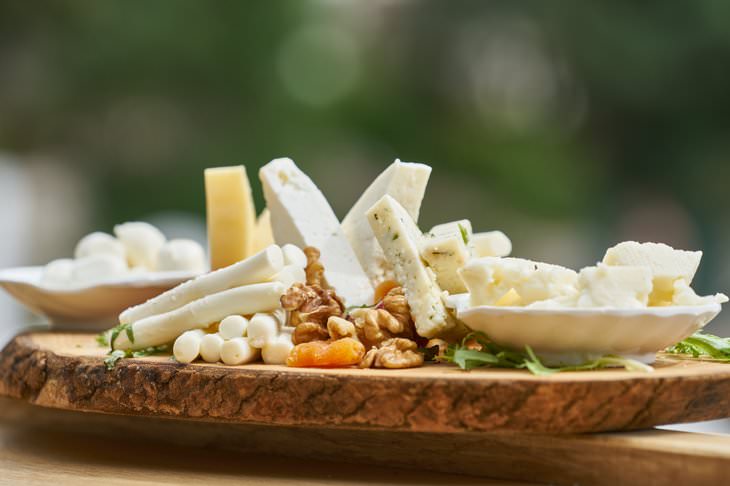
1. Dairy Foods  Foods That Help Prevent Tooth Decay and Cavities Dairy
Dairy products like milk, cheese, butter, and plain white yogurt are among the best foods to eat for long-term oral health. Rich in calcium and phosphates, dairy products help remineralize teeth. This is extremely important, as we lose these important minerals while we eat, and putting them back in your teeth essentially helps rebuild tooth enamel, which the first line of defense against cavities. 
 
Apart from that, cheese helps your body produce more saliva, which also helps repair the enamel. Lastly, dairy, especially grass-fed dairy, is rich in vitamin K2, a vitamin in which most of us are deficient that is vital for healthy teeth. Other foods rich in vitamin K2 are eggs, liver, natto, and beef. 
 
2. Tea 
Certain drinks can help prevent cavities and other oral issues, too. Though wine has been suggested to help promote oral health in some studies, there is still little evidence to support that claim. In addition, drinking alcohol daily isn't a good idea, and red wine specifically is also known to stain teeth, so we cannot recommend it. 
 
A drink that's much better for your teeth is green or black tea (but not herbal tea). The ingredients in tea that will benefit oral health are polyphenols, a type of antioxidant capable of killing plaque bacteria that produce acid that degrades the tooth enamel. Do keep in mind, however, that you should stick to unsweetened tea, as sugar can increase the risk of cavities, as you may already know. 
 
3. Citrus Fruit 
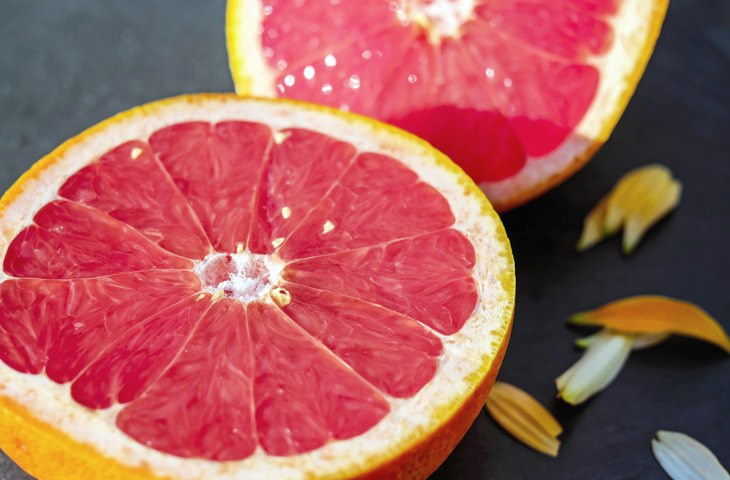
Foods That Help Prevent Tooth Decay and Cavities Grapefruit
Most acidic foods, like tomatoes, aren't good for the teeth, as acid degrades the tooth enamel, but citrus fruit like lemons, grapefruit, and oranges, can be enjoyed in moderation and offer some benefits for oral health. These fruits contain a lot of vitamin C, which can reduce gum inflammation that is capable of causing gum disease. This is because vitamin C strengthens the blood capillaries in the mouth and make your gums more resilient.
4. Fatty Fish
Fatty fish like salmon and tuna are known for their multitude of health benefits, but these fish also naturally contain the perfect cocktail for tooth health. Firstly, fatty fish is high in omega-3 fats, which are suggested to benefit brain and cardiovascular health. However, most people aren't aware that omega-3 fatty acids can also support gum health and may even help reduce gum disease, an extremely common health issue. If your gums bleed or hurt when you're flossing or brushing your teeth, increasing your intake of omega-3s may help deal with that issue. 
 
Apart from that, fatty fish is also rich in vitamin D, which also helps prevent cavities, as well as vitamin K2 and A, which can remineralize the teeth and aid in the repair of tooth enamel. 
 
5. Leafy Greens
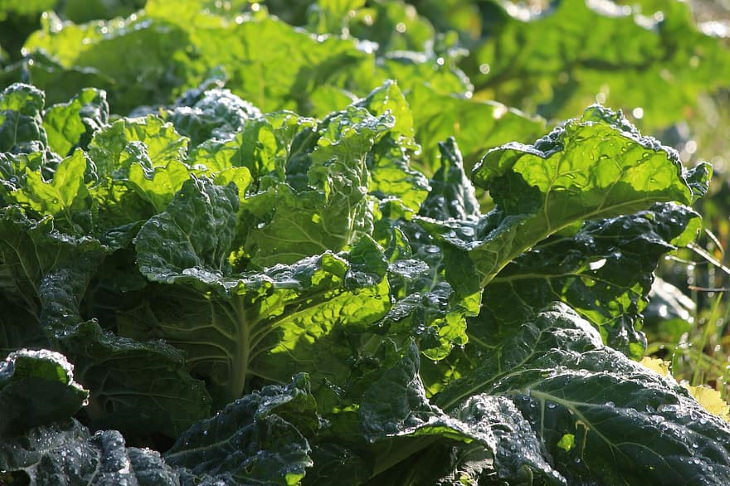
Foods That Help Prevent Tooth Decay and Cavities Leafy Greens
Here's another reason to eat more leafy greens, especially dark green ones like spinach, kale, Swiss chard, and arugula. Apart from containing many minerals that can help replenish the enamel, leafy greens are also capable of balancing out the microflora in your oral cavity. 
 
This is because leafy greens are rich in prebiotics, which are essentially food for the beneficial bacteria that live in your mouth. By increasing the number of these beneficial bacteria, the number of harmful ones that can cause tooth decay simultaneously decreases, making your teeth cleaner and plaque-free in the short term, and more resilient to tooth decay in the long run. 
 
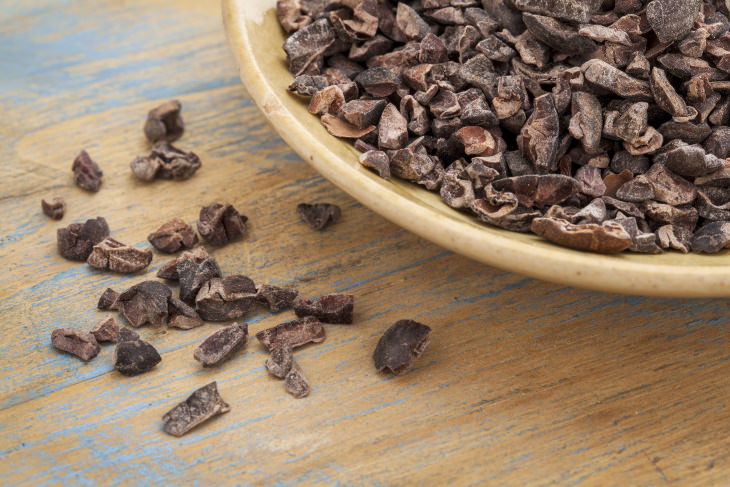
6. Cacao Nibs  Foods That Help Prevent Tooth Decay and Cavities Cacao Nibs
The last item on this list may be less common than the other ones, but it has a good amount of research backing its effectiveness at reducing the number of harmful bacteria in the mouth. Cacao nibs are essentially crushed up cacao beans. Unlike chocolate, cacao beans don't contain any sugar, but they are naturally rich in polyphenols, the same antioxidants present in tea we discussed earlier. 
 
Research from 2019 has revealed that a mouth rinse based on cocoa beans eradicated cavity-causing bacteria called S. mutans as well as a prescription mouthwash. Unlike the latter, however, the cacao-based mouthwash didn't harm the beneficial bacteria in the mouth. So, munching on some cocoa nibs as a snack or springing some on your morning oatmeal or granola is a good idea.

This is only for your information, kindly take the advice of your doctor for medicines, exercises and so on.     

https://gscrochetdesigns.blogspot.com. one can see my crochet creations  
https://gseasyrecipes.blogspot.com. feel free to view for easy, simple and healthy recipes    
https://kneereplacement-stickclub.blogspot.com. for info on knee replacement


Labels: , , , , , , , , , ,

Friday, June 26, 2020

Vital Tips for Cancer Prevention You Should Take Note Of

Cancer, like we well know, is a dreaded disease. It is estimated that every year, on average, almost 10 million people die from cancer. It is easily one of the world's largest health problems that has a major impact on society, too. Now, you must have heard conflicting reports about cancer prevention. Various cancer-prevention studies have surfaced online over the years that often recommend contradictory tips. The thing is, cancer prevention is still evolving and new measures to stop the disease keep emerging.

Our chances of developing cancer are affected by the lifestyle choices we make. A few simple changes in our way of living can go a long way in helping us remain cancer-free. These new guidelines should certainly help in that regard. 

Take a look at the new guidelines for cancer prevention

The recommendations from the American Cancer Society focus on increasing physical activity and establishing healthy eating patterns at every age. Let’s take a closer look at some of the important points from their recommendations list.
Adults should engage in 150‐300 minutes of moderate‐intensity physical activity per week. Alternatively, they can indulge in 75 to 150 minutes of vigorous-intensity physical activity per week, or a similar combination. It is also vital that one should achieve the upper limit of 300 minutes. They have also recommended that children and adolescents engage in at least 1 hour of moderate or vigorous‐intensity activity each day. Encouraging healthy habits like cycling, walking, and visiting parks is also suggested.
It is advisable to avoid alcohol. Previously, the ACS had proposed limiting daily alcohol consumption to one drink for women and two men. However, now they advise avoiding alcohol completely. The reason for this change is that it has now come to light that alcohol consumption is the third major cancer risk factor after tobacco use and obesity. If you cannot avoid drinking alcohol, then you must limit it. Ideally, one drink per day for women and two drinks per day for men is the upper limit.  

Follow a healthy eating pattern at all ages. For this, the ACS proposes consuming foods that are high in nutrients in quantities that can help you maintain healthy body weight. Taking colorful vegetables and fiber-rich legumes (such as beans and peas), whole fruits with a variety of colors, and whole grains can be extremely beneficial in this regard. The ACS also suggests removing the following foods completely:

  • Red and processed meats
  • Sugar-sweetened beverages
  • Highly processed foods
  • Industrially produced grain‐based desserts
  • Ready‐to‐eat or ready‐to‐heat foods
  • Snack foods, candy, and refined grain products.
Sedentary behavior must be limited. This includes sitting, lying down, and watching television, and other forms of screen‐based entertainment for extended hours. 
According to the ACS, the guidelines reflect the current science that dietary patterns instead of specific foods are essential to reduce the risk of cancer while also improving one’s overall health. 
“There is no one food or even food group that is adequate to achieve a significant reduction in cancer risk,” said Laura Makaroff, DO, the American Cancer Society’s senior vice president of prevention and early detection in a press release. “Current and evolving scientific evidence support a shift away from a nutrient-centric approach to a more holistic concept of dietary patterns.”

Why proper nutrition is so important in preventing cancer 

Since the new guidelines have come up, many people have become a little confused particularly about the points regarding healthy eating patterns. Many want to know what they should give up in their diet now.

Leading dieticians say that people must carefully consider what these guidelines mean. Because even the small shifts we make in our eating patterns and how we work towards them can go a long way in improving our health. Also, bear in mind that many of these suggestions have remained quite similar for some time now. They have just been presented in a different and more relevant way.
For instance, the recommendation to limit red and processed meats is not new or specific to a diet pattern for cancer prevention. Thus, you must remember that reducing red and processed meats and following a plant-based diet doesn’t mean that you have to be a vegetarian to see its benefits.
“Reducing meat is the message we often hear, but don’t forget that means you will need to replace the meat in your diet with nutrient-rich plant-based foods, which we know come with their own health benefits,” says Caroline West Passerrello, MS, RDN, LDN, a registered dietician nutritionist and spokesperson for the Academy of Nutrition and Dietetics.
Emerging evidence also points to the fact that healthy dietary patterns are associated with a reduced risk for cancer. Vital anti-cancer micronutrients include:
  • Calcium
  • Zinc
  • Vitamin A
  • Vitamin K2
  • Vitamin D
  • Vitamin C
  • B vitamins.
Also, as mentioned above, vegetables and fiber-rich legumes along with whole fruits can play an important part, too. Obesity is a major risk factor for cancer as well. Experts say that almost 20% of cancers could be avoided by reducing obesity. Thus, eating should be based on our needs and can help us reduce waste. Moreover, it encourages a healthy connection of our minds to our health needs and allows us to lead a more relaxed lifestyle.

Let’s take meaningful steps towards leading a healthy way of life

Reducing cancer rates will not be easy, of course. It will require a collective and consistent effort by the healthcare system, media, corporations, and others, to change the behavior of the society. However, following the guidelines recommended by the American Cancer Society will certainly help. Our first goal should be to reduce the obesity epidemic from everywhere around us, focus on getting more physical activity into our lives along with no smoking and eating right. If all of us pledge to incorporate these points judiciously into our life, then we can definitely make a difference in bringing down the cancer rates.
Remember that many cancers are preventable. This increases the significance of exercise, nutrition, and the need for community involvement. The suggestion made for 300 minutes of exercise per week is based on scientific studies that indicate that exercise can reduce the risk of cancer. It can either be done through weight loss and an improvement in lifestyle or by directly stimulating anticancer molecules in the body.
 
Now, more than ever, it is time to take meaningful steps towards changing our way of life for our own betterment. Let’s encourage healthy habits in our respective communities and inculcate a lifestyle that is not prone to the risks of cancer. 
 
This is only for your information, kindly take the advice of your doctor for medicines, exercises and so on.     

https://gscrochetdesigns.blogspot.com. one can see my crochet creations  
https://gseasyrecipes.blogspot.com. feel free to view for easy, simple and healthy recipes    
https://kneereplacement-stickclub.blogspot.com. for info on knee replacement


Labels: , , , , , , , , , , , ,

Tuesday, November 27, 2018

Various Health Benefits of Ghee / Clarified Butter

Modern science now verifies what Ayurvedic health science has said for thousands of years: Ghee has a host of health and cooking benefits and is good for the mind and spirit.

Ghee —a form of clarified butter—an essential power-food. Here are a few benefits I’ve found through my years of using ghee.

Great For Cooking and Taste

1. Ghee has a high smoke point (250 °C or 482 °F).
You can cook and fry with ghee and it will not break down into free radicals like many other oils.

2. Ghee does not spoil easily so it does not need refrigeration.
Some ghee mixtures last up to 100 years.

3. Ghee is not likely to affect people with a dairy or casein intolerance.
Ghee is made from butter but the milk solids and impurities have been removed, so most people who are lactose or casein intolerant have no issue with ghee.

High Nutrition

4. Ghee is rich in the oil soluble vitamins A and E.
5. Ghee is rich in K2 and CLA (Conjugated Linoleic Acid) – an antioxidant with anti-viral properties if it is sourced from grass fed cows.

Energy and Weight Management

6.  Ghee is Nutritionally Rich Like Coconut Oil
Ghee is rich in medium chain fatty acids, which are absorbed directly by the liver (like carbs) and burned as energy. Athletes can use ghee as a consistent energy source.


7. Weight Loss
The energy from these medium chain fatty acids can be used to burn other fats in the system and lose weight.

Digestion and Immune Strengthening

Ghee (unlike other oils) is rich in butyric acid, a short chain fatty acid. Beneficial intestinal bacteria convert fiber into butyric acid and then use that for energy and intestinal wall support. A healthy body therefore makes its own form of ‘ghee’ but you can aid that greatly by consuming it.
8. Healthy Digestive Tract
Research shows that people with unhealthy digestive tracts do not produce butyric acid.

9. Healthy Immune System
Research shows that adequate production of butyric acid supports the production of killer T cells in the gut and thus a strong immune system.

10. Anti-Inflammatory and Anti-Cancer
  • Researchers are using oral butyrate supplements and butyrate enemas to treat inflammatory bowel diseases such as Crohn’s and ulcerative colitis.
  • Ayurvedic physicians have been using ghee enemas for centuries to decrease inflammation.
11. Strong Appetite
Ghee stimulates the secretion of gastric acid, thus aiding in the digestive process. Better digestion equals better health and weight loss.

Mind and Spirit

12.  Molecules of Emotion
Modern research is now revealing that negative emotions have a chemical nature. This is what ancient cultures have always maintained, that the mind and body are one. These chemicals are attracted to and stored in fat. Ghee can be used to replace those fats. Plus, if used properly as a cleanser, can attract and pull out these toxins so they can be cleansed from the body.

13. Positive Food
Within Ayurveda, ghee is considered one of the most satvic foods. Satvic foods promote positivity, growth and expansion of consciousness.

14.  Holy Cow
The positive subtle effects of ghee is said to come from the fact that it comes freely from cows. Cows are considered special or holy in many Hindu cultures. The milk from cows therefore contains the essence of all those energies and ghee is the essence of the milk.

Herbal Energizer

15.  Fry Your Spices in Ghee
Many of the medicinal properties of herbs and spices can be absorbed and transported to targeted areas of the body with ghee. This is why Ayurveda uses ghee in thousands of different herbal preparations.

You can do the same thing by frying your kitchen spices in ghee before adding them to your dishes.

How To Make Ghee Last long

The two things that will degrade ghee are water and sunlight.
  • Always store your ghee in a container with a good seal in the dark.
  • Ghee will last 2-3 months if you keep it in an airtight container.
  • When kept in a refrigerator, without opening, ghee can last up to a year.
Ghee was once thought to be unhealthy because it is saturated, but research has now revealed the truth about fats and oils. Ghee is one of the seven healthy fats you need in your kitchen. 

THIS IS ONLY FOR INFORMATION, ALWAYS CONSULT YOU PHYSICIAN BEFORE HAVING ANY PARTICULAR FOOD/ MEDICATION/EXERCISE/OTHER REMEDIES.                                                                                                                                                                                                                                                                                        PS- THOSE INTERESTED IN RECIPES ARE FREE TO  VIEW MY BLOG-                                                                                           https://gseasyrecipes.blogspot.com/                                                                                                                                                                             FOR INFO ABOUT KNEE REPLACEMENT, YOU CAN VIEW MY BLOG-                                                                                                                             https:// kneereplacement-stickclub.blogspot.com/                                                                                       FOR CROCHET DESIGNS                                                                                                                                                                                                                                 https://gscrochetdesigns.blogspot.com


Labels: , , , , , , , , , , ,

Tuesday, November 07, 2017

Try These 4 High Calorie Foods May Help You Lose Weight

Most people have been trying desperately to shed those extra kilos one has been tugging on for long. To do that, we often keep away from high-calorie foods, thinking they're bad for us. Well, now you'll be surprised that some high calorie foods are actually beneficial.  Not all calories are created equal. Also, different foods go through different metabolic pathways, further resulting in various effects on the bodily functions, which may include hunger, hormones and fat burning process.

It is imperative to wisely choose the amount of type of calories you eat that may help in shedding kilos. This doesn't mean you have to track every single calorie consumed, which can make you feel deprived and even sabotage your weight loss efforts. Your body needs healthy fats to rejuvenate and replenish, refuel, recover and above all burn more calories in order to lose weight. Hence, include these high calorie foods in order to shed those extra kilos.

1. Avocadoes
Avocadoes are high in calories and this high calorie fruit is packed with potassium and mono-unsaturated fats. Along with fibre, these fats help you keep fuller for longer, decreasing cravings throughout the day. Add avocadoes to your toast and pair them up with scrambled eggs and coffee.

2. Egg yolks
Thanks to eggs, most of our breakfast woes are solved. A quick bread and omelette makes for an amazing breakfast keeping us fuller for longer. But egg yolks are the real heroes that will help you lose weight. Egg yolks are loaded with vitamin A, B-vitamins, K2 and choline. These nutrients help support your metabolic function and thyroid health, both of which are crucial for weight loss.

3. Full fat dairy
Research shows that people who consume high-fat dairy have lower rates of obesity than those who consume low fat dairy, but it may depend on various factors. Milk contains a fatty acid called conjugated linoleic acid (CLA), which is believed to induce weight loss. Moreover, extra fat from full fat dairy foods like full fat Greek yogurt makes your feel satiated for longer.
 
4. Nuts
If you are looking to lose weight, a handful of nuts will do the job, as they are loaded with protein, fibre and mono- and poly- unsaturated fats, which work to make you feel satisfied and fuller longer.
Before switching to these foods, it is recommended to refer to your dietitian in order to suit your body type.

THIS IS ONLY FOR INFORMATION, ALWAYS CONSULT YOU PHYSICIAN BEFORE HAVING ANY PARTICULAR FOOD/ MEDICATION/EXERCISE/OTHER REMEDIES. PS- THOSE INTERESTED IN RECIPES ARE FREE TO VIEW MY BLOG-                      
HTTP:GSEASYRECIPES.BLOGSPOT.COM/
FOR INFO ABOUT KNEE REPLACEMENT, YOU CAN VIEW MY BLOG-                                                                       
HTTP://KNEE REPLACEMENT-STICK CLUB.BLOGSPOT.COM/
FOR CROCHET DESIGNS

HTTP://MY CROCHET CREATIONS.BLOGSPOT.COM
 

Labels: , , , , , , , , , ,