Sunday, February 21, 2021

6 Cavity-Fighting Foods to Include in Your Diet

Living during a pandemic comes with surprising sacrifices. Mundane things like going to the shopping mall, getting your hair done, and visiting the dentist have become a risky endeavor, and most of us are trying to space out all of these activities as much as possible. If you were forced to skip your scheduled trip to the dentist this year or want to make sure you won’t need one any time soon, there are several things you can do to promote long-term oral health. Apart from the obvious brushing and flossing, you should also be mindful of what to eat.
Firstly, avoiding certain foods that often contribute to cavities and oral health issues is a good idea. To learn what those are, read our previous article titled Foods and Drinks That Can Damage Your Teeth. But it's not just about limiting yourself, as certain delicious foods can also help you fight tooth decay. The foods and drinks we list below will help prevent cavities, bad breath, and tooth decay, so make sure to include plenty of those in your daily diet, though chances are you’re already doing so, as many of these foods are quite common. 
 
1. Dairy Foods  Foods That Help Prevent Tooth Decay and Cavities Dairy

Dairy products like milk, cheese, butter, and plain white yogurt are among the best foods to eat for long-term oral health. Rich in calcium and phosphates, dairy products help remineralize teeth. This is extremely important, as we lose these important minerals while we eat, and putting them back in your teeth essentially helps rebuild tooth enamel, which the first line of defense against cavities. 
 
Apart from that, cheese helps your body produce more saliva, which also helps repair the enamel. Lastly, dairy, especially grass-fed dairy, is rich in vitamin K2, a vitamin in which most of us are deficient that is vital for healthy teeth. Other foods rich in vitamin K2 are eggs, liver, natto, and beef. 
 
2. Tea 
Certain drinks can help prevent cavities and other oral issues, too. Though wine has been suggested to help promote oral health in some studies, there is still little evidence to support that claim. In addition, drinking alcohol daily isn't a good idea, and red wine specifically is also known to stain teeth, so we cannot recommend it. 
 
A drink that's much better for your teeth is green or black tea (but not herbal tea). The ingredients in tea that will benefit oral health are polyphenols, a type of antioxidant capable of killing plaque bacteria that produce acid that degrades the tooth enamel. Do keep in mind, however, that you should stick to unsweetened tea, as sugar can increase the risk of cavities, as you may already know. 
 
3. Citrus Fruit 
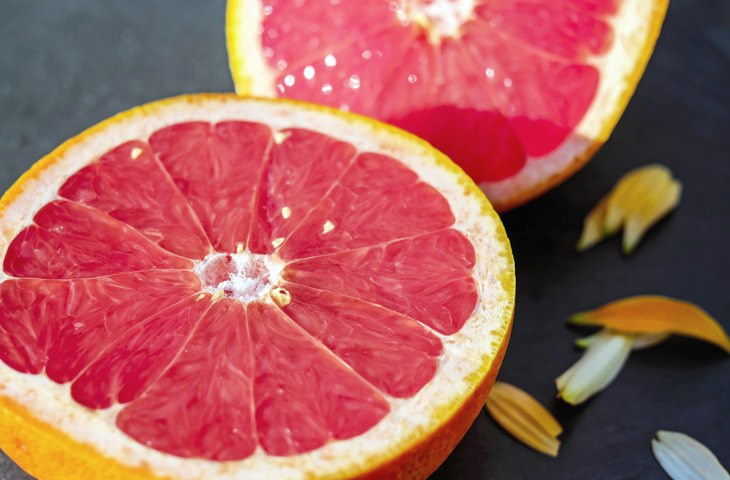
Foods That Help Prevent Tooth Decay and Cavities Grapefruit
Most acidic foods, like tomatoes, aren't good for the teeth, as acid degrades the tooth enamel, but citrus fruit like lemons, grapefruit, and oranges, can be enjoyed in moderation and offer some benefits for oral health. These fruits contain a lot of vitamin C, which can reduce gum inflammation that is capable of causing gum disease. This is because vitamin C strengthens the blood capillaries in the mouth and make your gums more resilient.
4. Fatty Fish
Fatty fish like salmon and tuna are known for their multitude of health benefits, but these fish also naturally contain the perfect cocktail for tooth health. Firstly, fatty fish is high in omega-3 fats, which are suggested to benefit brain and cardiovascular health. However, most people aren't aware that omega-3 fatty acids can also support gum health and may even help reduce gum disease, an extremely common health issue. If your gums bleed or hurt when you're flossing or brushing your teeth, increasing your intake of omega-3s may help deal with that issue. 
 
Apart from that, fatty fish is also rich in vitamin D, which also helps prevent cavities, as well as vitamin K2 and A, which can remineralize the teeth and aid in the repair of tooth enamel. 
 
5. Leafy Greens
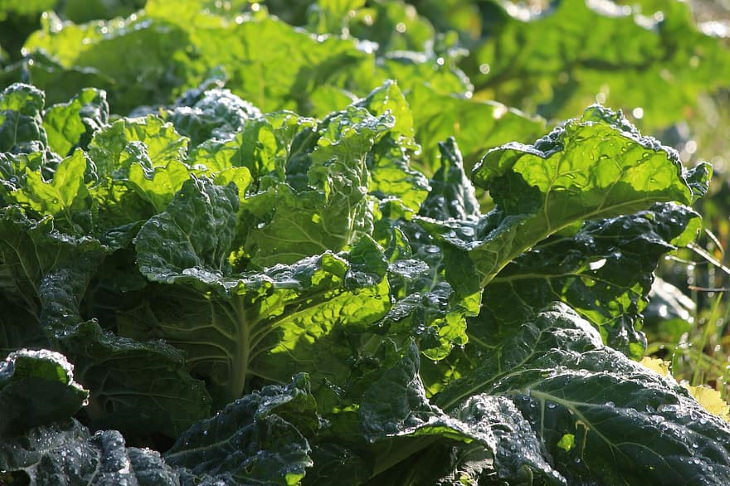
Foods That Help Prevent Tooth Decay and Cavities Leafy Greens
Here's another reason to eat more leafy greens, especially dark green ones like spinach, kale, Swiss chard, and arugula. Apart from containing many minerals that can help replenish the enamel, leafy greens are also capable of balancing out the microflora in your oral cavity. 
 
This is because leafy greens are rich in prebiotics, which are essentially food for the beneficial bacteria that live in your mouth. By increasing the number of these beneficial bacteria, the number of harmful ones that can cause tooth decay simultaneously decreases, making your teeth cleaner and plaque-free in the short term, and more resilient to tooth decay in the long run. 
 
6. Cacao Nibs  Foods That Help Prevent Tooth Decay and Cavities Cacao Nibs
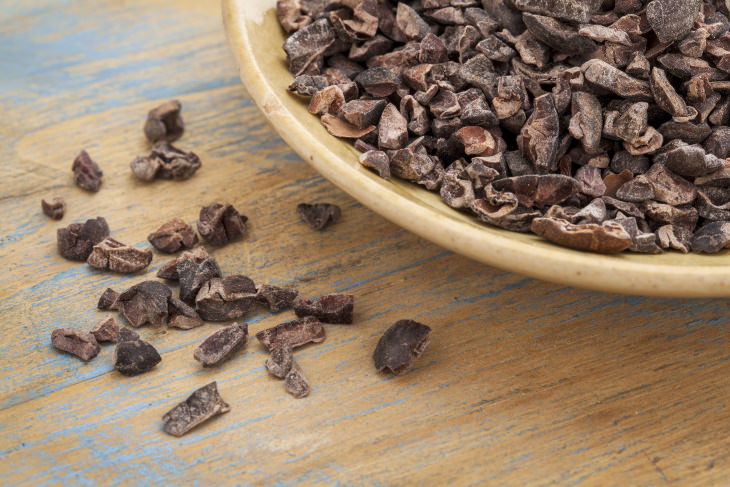
The last item on this list may be less common than the other ones, but it has a good amount of research backing its effectiveness at reducing the number of harmful bacteria in the mouth. Cacao nibs are essentially crushed up cacao beans. Unlike chocolate, cacao beans don't contain any sugar, but they are naturally rich in polyphenols, the same antioxidants present in tea we discussed earlier. 
 
Research from 2019 has revealed that a mouth rinse based on cocoa beans eradicated cavity-causing bacteria called S. mutans as well as a prescription mouthwash. Unlike the latter, however, the cacao-based mouthwash didn't harm the beneficial bacteria in the mouth. So, munching on some cocoa nibs as a snack or springing some on your morning oatmeal or granola is a good idea.

This is only for your information, kindly take the advice of your doctor for medicines, exercises and so on.     

https://gscrochetdesigns.blogspot.com. one can see my crochet creations  
https://gseasyrecipes.blogspot.com. feel free to view for easy, simple and healthy recipes    
https://kneereplacement-stickclub.blogspot.com. for info on knee replacement


Labels: , , , , , , , , , ,

Saturday, January 09, 2021

How to Keep Your Bones Strong

The base on which our whole body is built is the skeleton. It gives us our stability, as well as our ability to move and function. Our bones are also a factory for manufacturing red and white blood cells. It's extremely important to keep bones strong and healthy, especially in more advanced ages, when calcium seems to drain away.

A little about bone depletion: 
Bone depletion, or osteoporosis, is a disease that occurs as a result of dwindling bone mass and a decrease in the levels of calcium. Throughout our whole life, our bones are in a continuous process of construction and deconstruction. However, at a young age, there is more construction than destruction. 
 
Things even out as we grow older. In our fourth decade, destruction finally overtakes construction. As a result, our bone density drops and our bones become more prone to fractures. When this process happens in an extreme way, it is known as bone depletion. It's important to note that losing calcium also makes the bones more sensitive, even if it happens slowly. At an older age, when our balance is not what it used to be, the danger only gets worse. 
 
Because women start with a bone density that is already about 30% less than men's, and because they produce less estrogen as they grow older, they face a bigger risk when it comes to bone depletion. 
 
What is the recommended calcium amount? 
The process of bone depletion in the body is a natural one and cannot be prevented. But it can be minimized in volume and influenced by maintaining our bones and building bone mass through correct nutrition. 
 
The daily calcium amount recommended for the general population is 1000 mg a day. For adults it is 1,200-1,500 mg a day. Vitamin D is also important, as it helps the calcium absorb in the body. So if you want to keep your bones strong, you should also consume vitamin D rich foods. You can get it from the sun or from certain food items.

10 Tips to Keep Our Bones Strong 
1. Consume milk products - Every child knows that milk is rich in calcium and is essential for strengthening bones. This goes for all milk products, including cheese and yogurt. If you don't like cow's milk, try soy milk enriched with calcium.
dairy products on white background

2. Add nuts to your diet - Although milk has the highest ratio of calcium to volume, it is not the only source. Some nuts and seeds have handsome amounts of calcium. A 30-gram course of almonds contains 75mg of calcium, 30 grams of sesame seeds contains 37mg of calcium and sunflower seeds have 33mg of calcium. 
 
3. Eat dark green vegetables - Broccoli, Chinese cabbage, arugula, parsley, lettuce and others are excellent sources of calcium, and contain many additional health advantages. This will help you to diversify your sources of calcium, which is important to maintain your health.
brocolli
4. Take the right Vitamin A - 
Vitamin A appears in two forms. The first is retinol, which appears in animal products, such as the liver. The second is beta carotene and it is the way the vitamin comes from plants, especially orange vegetables like carrot, squash or sweet potato. Studies have found that consuming too much of retinol vitamin A raises the risk of bone fraction, while vitamin A in its plant form, Beta Carotene, does not damage the bones. 
 
5. Strengthen your bones with Vitamin K - 
This vitamin helps activate 3 essential proteins that are crucial for bone health. As in the case of calcium that comes from green vegetables, vitamin K also comes from the same sources. Two daily helpings of green vegetables a day give the body as much as it needs. 
 
6. Physical activity strengthens the bones - 
This might sound like no big news, but when we carry out a physical activity, we create pressure on our skeleton. While it is bad to overdo it, a moderate pressure is actually very health, as it sends the body signals to create more bone cells, increase the density and make it stronger. Operate the body with moderation, and don't go too far with it. 
 
7. Eat fish - 100 grams of sardines contain an amazing amount of over 400 mg of calcium! It's recommended to consume fresh fish, of course, and not the canned variety. The little bones are also edible and contain a lot of calcium. Sardines, like salmon, are also a great source of vitamin D.

8. Reduce your consumption of carbonated drinks and treats - The acid that exists in some of the popular carbonated drinks raises the amount of acid in the blood. To compensate, the body uses the body's minerals, including calcium. If calcium is not readily available in the blood, the body will take it from the bones and this will harden the density and strength of the bone. There is no problem drinking them once in a while, but if it is a daily habit, you could be doing a lot of damage to your bones over time. 
 
9. Avoidance measures - Like a lot of other health problems, we return to smoking. Studies have shown that smoking harms bone density, and so does over-consumption of alcohol and caffeine. 
 
10. Resource allocation - We must carry out our calcium consumption in a smart way. Our body absorbs calcium best when it takes no more than 500 mg at a time. So, if you are planning on consuming a large amount of calcium-rich foods or drinks, try to divide the meal or eat again later, to make sure the body is able to absorb all you are giving it.

This is only for your information, kindly take the advice of your doctor for medicines, exercises and so on.     

https://gscrochetdesigns.blogspot.com. one can see my crochet creations  
https://gseasyrecipes.blogspot.com. feel free to view for easy, simple and healthy recipes    
https://kneereplacement-stickclub.blogspot.com. for info on knee replacement

Labels: , , , , , , , ,

Monday, November 11, 2019

Got Diabetes? Here's a List of 10 Ingredients You Should Eat

When having to deal with managing blood sugar levels, obsessing over everything you can't have may seem like your best option. But while it is certainly important to limit foods like white, refined breads, pasta, and fried fatty foods, paying attention to what you should eat is just as vital.
The ingredients below have been singled out by numerous nutritionists and diabetes experts. What makes these foods exceptionally great is that they are packed with four healthy nutrients: fiber, omega-3, calcium and vitamin D, all of which are essential to a diabetic. They're also incredibly versatile. You can add them to your meals, eat them as stand-alone healthy snacks, or add them to recipes. Let's take a look:
1. Beans
Besides being high in fiber, beans contain plant compounds that help you feel full, provide steady blood sugar and are low in cholesterol. And while not packed in calcium, you'll get a good enough dose. Half a cup of white beans will get you almost 100mg of calcium, making up about 10% of your daily intake. Beans are also an excellent source of protein, and unlike red meat, are low in saturated fat.
Use: Beans can be added to salads, soups, chili and more. There's a variety of beans available, so you're not restricted to eating the same type twice.
2. Dairy
Diabetes Food
For a rich source of calcium and vitamin D, diabetics should certainly include dairy foods like milk, cottage cheese and yogurt in their diet. In fact, one study found that women who consumed more than 1,200 mg of calcium and more than 800 IU (International Units) of vitamin D a day were 33% less likely to develop diabetes than those not taking enough. Best opt for low-fat versions, as the regular kinds may contain a lot of saturated fat.
Use: Opt for yogurt or cottage cheese as a snack or dessert, and use milk to make oatmeal or to thicken soups.
3. Barley
Diabetes Food
Barley is rich in a special kind of soluble fiber called beta-glucan, which according to research, can lower total and LDL cholesterol by preventing your body's ability to absorb it. One review found that consuming just 3 grams a day (a single serving of barley) can lower cholesterol by 8%. As a result of its high fiber content, barley can also help steady your blood sugar. The grain also contains a modest amount of calcium.
Use: Opt for hulled barley as it isn't as refined as pearl barley. Soak it overnight, then add to soups, stews or rice pilaf.
4. Oats
Diabetes Food
Aside from containing an essential source of fiber content (a half cup provides 4g), oats help lower LDL cholesterol and improve insulin resistance. The soluble fiber in oats slows the rate at which your body can break down and absorb carbohydrates, enabling your blood sugar levels to stay stable.
Use: Eat oats every morning as part of your breakfast. You can also sneak it into all kinds of recipes from pancakes to meatloaf and cookies too.  
5. Berries
Diabetes Food
Berries are loaded with fiber (a cup of blackberries contains 7.6g of fiber) and antioxidants called polyphenols. A 2008 study published in the American Journal of Clinical Nutrition found that people with heart disease risk factors, who ate berries for 8 weeks had a drop in blood pressure and a boost in good HDL cholesterol.
Use: Mix berries into oatmeal, ice cream or salads.
6. Dates
Diabetes Food
Besides their sweet taste and delightful texture, dates supply a generous amount of fiber (7 dates contain 4g) making them a perfect diabetes-friendly snack. Dates are also packed with antioxidants - a serving of dates contains more antioxidants than oranges, grapes, broccoli, and peppers.
Use: Stuff with pecan or walnut halves for a satisfying snack. You can also add them to bread and cookies.
7. Greens
Diabetes Food

When it comes to upping your intake of 'greens' you're not solely limited to lettuce, in fact, your choices are pretty diverse. Greens range from turnips to mustard, beet greens, as well as chard. All are an outstanding source of fiber (1 cooked cup contains anywhere from 3 to 6g) and calcium (supplying around 100 to 250mg per cup). Aside from being beneficial to your blood sugar levels, greens are also good for your heart.
Use: Prepared well, greens can be pretty delicious. You can use them in entrees, sandwiches, and salads.
8. Flaxseed
Diabetes Food
Though they may be tiny, flaxseed packs a big health punch. They are best known for their source of fiber and alpha-linolenic acid (ALA), which your body converts to omega-3. In several large studies, researchers have found a link between increased ALA and lower odds of heart disease, heart attack, and other cardiovascular issues. These seeds are also known to lower cholesterol and blood sugar.
Use: Ground flaxseed may be added to all kinds of food, such as oatmeal, low-fat cottage cheese, and fruit smoothies.
9. Walnuts
Diabetes Food
1 ounce of these healthy nuts provides 2g of fiber plus 2.6g of ALA. If you're watching your weight though, control your portion.
Use: They can be eaten as a snack, or can be added to salads, cookies, and brownies.
10. Peanut Butter
Diabetes Food

Studies have shown a link between peanut butter and a reduced risk of diabetes. The fiber content (2 tablespoons has almost 2g) may be a contributing factor. This classic comfort food contains mostly monounsaturated fat, making it a heart-healthy option.

this is only for your information, kindly take the advice of your doctor for medicines, exercises and so on.     
https://gscrochetdesigns.blogspot.com. one can see my crochet creations  
https://gseasyrecipes.blogspot.com. feel free to view for easy, simple and healthy recipes    
https://kneereplacement-stickclub.blogspot.com. for info on knee replacement


Labels: , , , , , , , , , ,