Saturday, November 29, 2025

Not milk, experts reveal the everyday food that quietly protects bone strength at any age
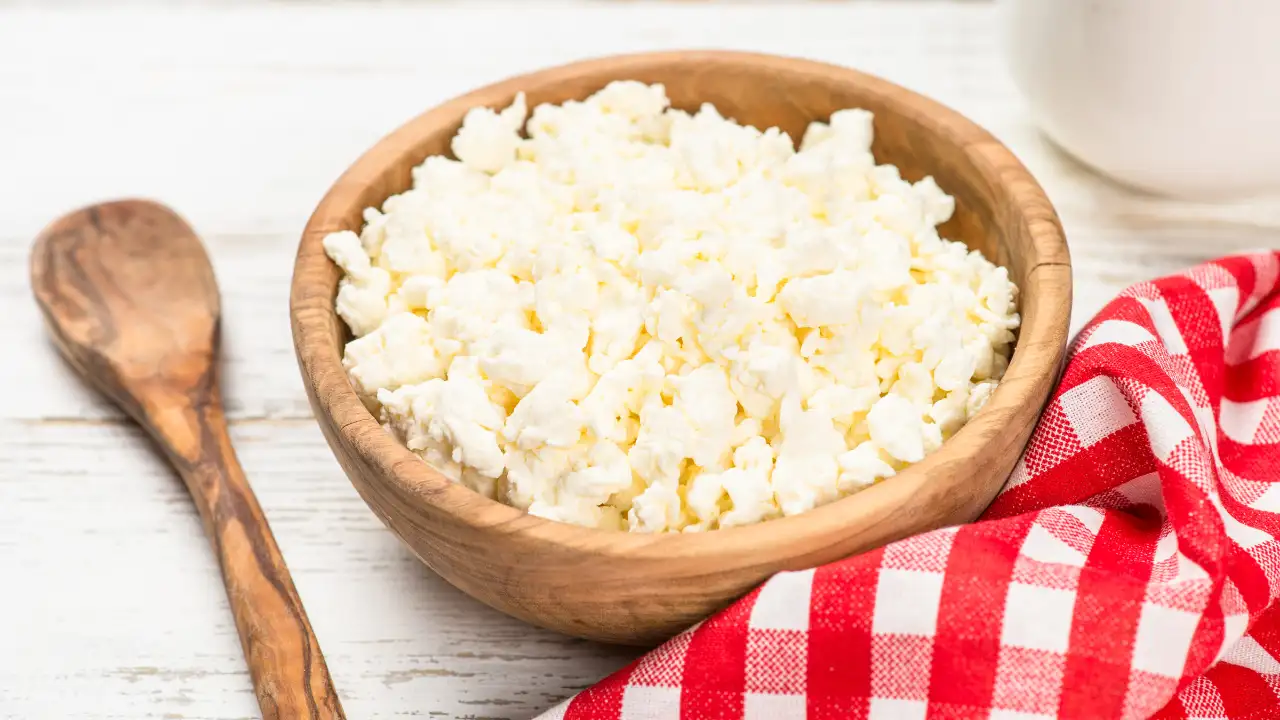
  Cottage Cheese  cottage cheese

 As concerns around bone health rise with age, nutrition experts are highlighting one humble dairy product that may be far more powerful than it looks. A recent report in Prevention explores how simple dietary choices can help protect bone strength, especially as bone loss accelerates after 50.

According to the National Council on Aging, people begin losing bone density more rapidly after age 50, increasing the risk of conditions like osteopenia and osteoporosis. The Bone Health and Osteoporosis Foundation notes that women, in particular, experience significant bone loss in the years following menopause, with density dropping by as much as 20 percent.

The Nutrients Your Bones Rely On

Registered dietitian Amy Davis told Prevention that bone-supporting diets rely on several key nutrients. These include calcium, Vitamin D, magnesium, Vitamin K, and adequate protein, all of which work together to maintain bone formation, strength, and muscle mass.

The Surprising Bone Booster on Your Plate

Among foods rich in these essential elements, one item stands out for its concentrated benefits: cottage cheese.

Cottage cheese is an excellent source of protein and calcium,” said Daniel Wiznia, an orthopaedics expert at Yale School of Medicine, in the Prevention report. Davis added that while calcium provides the raw material for bone tissue, protein helps safeguard the bone structure already in place.

More Than Just Protein and Calcium

Cottage cheese packs additional nutrients that support long-term bone health. Prevention highlights research in the journal Molecules pointing to selenium’s role in preserving bone mineral density, while studies in Frontiers in Endocrinology indicate that magnesium supports bone development and may slow osteoporosis progression.

With its nutrient-rich profile, cottage cheese is emerging as one of the most effective everyday foods for bolstering bone health. Experts say adding it to meals can offer a convenient and powerful boost to your bone-strengthening diet, especially as the body’s needs change with age.

What is cottage cheese?

According to ULCA Health, many people miss out on dairy or. in other words. fall short of the recommended intake. If you’re one of them and tend to skip cheese because you’re worried about excessive calories and fat, there’s a simple solution worth considering: cottage cheese.

Often overlooked next to popular dairy items like Greek yogurt, cottage cheese is actually one of the smart choices for weight-conscious eaters, says ULCA Health in a report. It’s low in calories, filling, and packed with essential nutrients — but its benefits don’t stop there. Made from milk curds formed when acid is added to pasteurized cow’s milk, cottage cheese has a signature soft, “pebbly” texture that comes in both small and large curds. You can find it in nonfat, low-fat, and full-fat varieties, each offering a slightly different nutritional profile.

According to the National Library of Medicine, cottage cheese earns the title of a “diet-boosting food” because it delivers rich nutrition without the added sugars and heavy saturated fats found in many other dairy products. Its biggest strength is protein: a single serving contains more protein than eggs or Greek yogurt, making it an excellent choice for building muscle, supporting metabolism, and staying full longer.

How Cottage Cheese Compares With Paneer

While cottage cheese is gaining recognition for its bone supporting nutrients, it is often confused with paneer, another fresh cheese widely used in Indian kitchens. Both are made from milk, but cottage cheese is softer and more moisture rich, while paneer is firm and pressed, making it suitable for grilling and curries. Cottage cheese is typically lower in fat and slightly higher in protein, which aligns well with diets focused on lean nutrition. Choosing between the two ultimately depends on whether one prioritises a lighter, high protein option or a denser cheese that holds its shape in cooked dishes.


This is only for your information, kindly take the advice of your doctor for medicines, exercises and so on.   


Labels: , , , , , , , , , , ,

Sunday, August 10, 2025

8 Remarkable Health Benefits of Seaweed

Move over, kale. There's a brand new superfood in the neighborhood that goes by the name of seaweed. Fresh from the ocean, and packed with plenty of health and weight-loss benefits, seaweed is being increasingly incorporated into dishes from all around the world. Here are 8 reasons why you should start eating more seaweed:
 
1. It makes your bones stronger.
 
Seaweed Benefits
According to Maria E. Rodriguez, RD, CDE of Mount Sinai Diabetes Alliance, there is approximately seven times more calcium in seaweed than in milk. This is one of the main reasons why seaweed is such good food for anyone to eat. It helps to strengthen the developing bones of children, while it also protects the bones of people who are aging. 
 
2. It is an excellent source of iron. 
If you are looking for new sources of iron to incorporate into your diet, then seaweed, and kelp, in particular, may be right for you. According to Kylene Bogden, MS, of the Cleveland Clinic’s Center for Functional Medicine, "kelp can be especially helpful for people following a diet with low or no animal proteins, as animal protein is a rich source of iron." In fact, a third of a cup of kelp contains close to 30% of your recommended daily allowance for iron.

3. It absorbs fat
 Seaweed Benefits
 
Research shows that eating seaweed may make it a lot easier for you to shrink your waistline. According to a 2010 study, seaweed was found to be able to reduce the rate of fat absorption by as much as 75%! This is because seaweed inhibits the effect of the digestive enzyme, lipase. 
 
4. It fights bloating. 
Seaweed produces a diuretic effect on the human body, meaning that it reduces the amount of water your body is holding. This means that you will be able to add gas-producing foods, such as beans, to your dishes more liberally as long as you add some seaweed too. Nori seaweed has been found to be the most effective kind of seaweed when it comes to reducing gas and bloating. 
 
5. It boosts your mood.
Seaweed Benefits

While most people who get diagnosed with clinical depression typically end up taking antidepressants for a substantial period of time, a 2015 study actually found chlorella seaweed to be a profoundly effective option, too. According to Cassandra Suarez, MS, of Boston, “in a six-week pilot study, 1.8 grams of chlorella extract was found to greatly improve physical and cognitive symptoms of depression as well as anxiety symptoms in patients who were receiving standard antidepressant therapy for major depressive disorder.” 
 
6. It strengthens your immune system. 
Chlorella seaweed is also very good at keeping your immune system on its toes. This is because it contains heaps of magnesium, which according to Suarez "protects against nearly every modern disease, and can be therapeutic for difficult-to-treat inflammatory conditions such as fibromyalgia, irritable bowel syndrome, and arthritis." 
 
7. It aids in the regulation of blood pressure.
Uncontrolled high blood pressure vastly increases your risk of experiencing a stroke or heart attack, but thankfully you can help keep your blood pressure in check by adding chlorella seaweed to your diet. According to Suarez, "one study in hypertensive patients found that 1.5 grams of pure chlorella per day resulted in decreased blood pressure over a six-month period, as well as lowered hypertension-related symptoms." 
 
8. It helps to regulate your thyroid. 
Most kinds of seaweed, but wakame seaweed, in particular, provide our bodies with a great deal of iodine, which is essential for your thyroid to function properly. According to Bogden, "our bodies do not make iodine, so it’s important that we consume it through food." Start eating seaweed regularly and you will never have to worry about your iodine intake again.
 

This is only for your information, kindly take the advice of your doctor for medicines, exercises and so on.   


Labels: , , , , , ,

Friday, February 21, 2025

Why You Should Include Oak nuts in Your Diet

Acorns – or oak nuts – are found in many parts of the world. Yet, they aren’t exactly seen as edible. Maybe for squirrels, yeah. But humans don’t really consume acorns, right? Well, you might be surprised to know that these wild nuts were once a dietary staple. Many ancient civilizations, such as the Assyrians and Greeks, and more recently the Chinese and Native Americans used to consume acorns as a delicacy. Unfortunately, over the last 500 years or so, acorns have lost their popularity, primarily due to their bitter taste and reputation of being "toxic."  
 
However, acorns are highly nutritious and offer several wonderful benefits that you might not be aware of. So, if you really wanted to and know how to prepare them, you could technically consume them. Intrigued? Find out more about the health benefits of acorns in this article.

1. They are a good source of nutrients
Benefits of Acorns, nutrients
Acorns are packed with plenty of essential nutrients. These wild nuts are especially high in potassium, iron, vitamins A and E, as well as protein, carbohydrates, fats, calcium, and phosphorus.

Acorns are also a good source of B-vitamins, particularly of B6 and B9, but they also have some vitamins B1, B2, B3, and B5. All of these vitamins play a vital role in metabolism and energy. Additionally, these nuts are low in calories and contain healthy unsaturated fats. 
 
A 1-ounce (28-gram) serving of acorns provides you with: 
110 calories 
6 grams of protein 
24 grams of fat 
0 grams of cholesterol 
41 grams of carbohydrates 
41 milligrams of calcium 
1 milligram of iron 
62 milligrams of magnesium 
79 milligrams of phosphorus 
539 milligrams of potassium.

2. Can improve gut health 
Acorns are rich in fiber, which promotes a healthy gut microbiome. Furthermore, oak nuts have also been used as an herbal remedy to treat digestive issues, such as stomach pain, bloating, nausea, and diarrhea. Research indicates that acorns may help people with indigestion. A study of 23 adult participants with chronic indigestion showed that those people who took 100 mg of acorn extract had comparatively less overall stomach pain than those who took a cornstarch capsule. R
 
3. Stronger and healthier bones  
As we mentioned above, acorns are a great source of potassium, calcium, and phosphorus. All of these are important for bone health and can prevent osteoporosis, a condition where bones become weak and brittle. Studies have shown that dietary potassium may counterbalance acid load and reduce calcium loss from the bone tissue. This can lead to a beneficial effect on bone mineral density. 
 
4. Good for the heart
Benefits of Acorns, heart
Consuming acorns may be good for your heart, as these nuts could potentially reduce the fat content in the body. Oak nuts are an excellent source of monounsaturated fatty acids, which, according to the American Heart Association, can help reduce LDL or “bad” cholesterol levels in your blood, and therefore cut down your risk of heart disease and stroke.

Plus, researchers have found that acorn oil has more plant sterols than almonds, soybeans, and olive oil. Plant sterols, known commonly as phytosterols, are an important group of natural compounds that help lower the levels of bad cholesterol. 
 
5. Helpful to people with diabetes 
Oak nuts are beneficial for diabetes sufferers, as they can help regulate blood sugar levels. The carbohydrates and fiber in acorns may help prevent glucose spikes. Additionally, the high antioxidant content of acorns and the presence of healthy natural compounds in them help in lowering high blood glucose levels. Thus, adding acorns to your diet may potentially be great for diabetes management. 
 
6. Has antiviral properties 
Acorns can be useful in fighting antiviral diseases like herpes. Research has shown that the vitamins, nutrients, and minerals in these nuts, along with the considerable amounts of plant compounds, can inhibit the symptoms of the herpes virus in vitro, but it's unknown if those results are also applicable to topical use of acorn oil or the consumption of acorns. The infection that this contagious virus causes can lead to cold sores, but also painful sores and severe itching in the groin and thighs. The infection is more common in women. 
 
7. Good for the skin
Another little-known benefit of acorns is that they have astringent properties that help protect the skin. For this, the tannin-rich water extracted from the acorn seeds has to be applied topically to the skin. Just boil the nuts for 15 minutes or soak them overnight in cold water. Then, gently apply the liquid to the skin to ease rashes, burns, and speed up the healing process of wounds and cuts. Research suggests that these nuts can also be effectively used as a natural anti-inflammatory agent. 
 
8. Rich in antioxidants 
Scientists have found that acorns contain more than 60 different beneficial plant compounds, such as catechins, resveratrol, quercetin, gallic acid, and more. These plant compounds act as powerful antioxidants in our system and can help prevent the body from some types of cell damage. Consuming foods that are rich in these antioxidants has also been associated with a lower risk of diabetes, heart disease, and even cancer.

How to eat acorns
 Benefits of Acorns,
The easiest way to incorporate acorns in your daily life is through acorn oil, which can be used topically or incorporated into salads and other foods. 
 
Warning! Acorns cannot be eaten raw because they contain high amounts of tannins – a group of bitter and astringent compounds that can cause side effects such as stomach irritation, nausea, and vomiting when consumed in large amounts. 
 
However, you can get rid of the tannins by boiling the oak nuts in a pot for 15-20 minutes. When the acorns are boiling, the water will turn brown. Discard the brown water and boil the nuts again. Keep repeating the process until water no longer turns brown. 
 
Once the tannins have been leached out, the acorns are perfectly safe to eat. Here are a few easy you can enjoy them: 
 
* Roast them in the oven at 375°F (190°C) for 15–20 minutes and enjoy a nutritious evening snack. Coat them with honey for added taste. 
 
* You can also grind up dry oak nuts into flour and use them in bread or pastries. 
 
* Add acorns to your favorite stews just like you add potatoes or beans. Their nutty and slightly sweet taste will give amazing depth to the dish. 
 
Acorns, as you might know, come from oak trees, which can be found across North America. The best time to collect acorns is in the early fall. That’s the time when they are just starting to turn from green to brown. While they're not commonly sold in grocery stores, you can easily order them online these days. These delicious and wholesome nuts will certainly make for an exciting addition to your diet.


This is only for your information, kindly take the advice of your doctor for medicines, exercises and so on.   


Labels: , , , , , , , , , , , , , , , , , ,

Tuesday, October 22, 2024

Why we need vitamin D — and sun exposure isn't the only way to get it

Vitamin D is a real multi-tasker. It “helps your body absorb calcium, which is essential for strong bones and teeth and helps prevent rickets in children and osteoporosis in adults,” a registered dietitian tells. “Vitamin D also plays a role in supporting a healthy immune system and glucose metabolism and reducing inflammation.”

But 35% of Americans aren’t getting enough of it.

There are several reasons why — the main factors being lack of sun exposure (the body produces vitamin D when exposed to the sun’s ultraviolet light), location, age and skin color, explains a registered dietitian. “The darker the skin tone, the harder it is to synthesize vitamin D from the sun,” she explains. According to the National Library of Medicine, the most at-risk populations for vitamin D deficiency are the elderly, obese people, nursing home residents and hospitalized patients.

But before you run out to pick up a bottle of supplements or start walking around without any sunscreen, here’s what experts want you to know about vitamin D.

Bone health isn’t its only superpower

Strong bones and osteoporosis prevention might be vitamin D’s claims to fame, but they’re not its only specialty. According to the National Institutes of Health, the nutrient helps your immune system fight off viruses and bacteria, which is especially timely for cold and flu season. Vitamin D also assists in regulating blood sugar and helps your brain manage mood. For example, some studies have found links between low blood levels of vitamin D and an increased risk of depression.

The sun isn’t the only way to get more vitamin D

Before stocking up on capsules from the vitamin aisle, evaluate your diet for vitamin D gaps. That’s right: The sun isn’t the only way to get this important nutrient. “Fatty fish like salmon, tuna and sardines are packed with vitamin D and egg yolks, beef liver and cheese contain smaller amounts,” says Rush. Many foods are also fortified or enriched with vitamin D, he adds, including milk, plant-based milk alternatives, cereal, orange juice and yogurt. “Checking the nutrition facts label is the easiest way to see if a food contains vitamin D,” he says.

More isn’t better when it comes to vitamin D

There is such a thing as vitamin D toxicity that can pose serious health risks. “Overdoing it on vitamin D, usually from high-dose supplements, can lead to elevated calcium levels in the blood known as hypercalcemia,” explains Rush. “This can trigger a range of symptoms, including nausea, vomiting, muscle weakness, confusion and even kidney stones. In severe cases, vitamin D toxicity can cause kidney failure, heart problems and in rare instances, death.”

The recommended daily allowance of vitamin D is 600 international units (IU) for people ages 1 to 70 and 800 IU for adults over 70. “However, your doctor may recommend a higher dose if you have a deficiency,” Rush says.

The supplement shouldn’t be taken alone

“Vitamin D is a fat-soluble vitamin, meaning it's absorbed best when consumed with fat,” says Rush. “Having a snack with some healthy fats, like avocado, nuts or seeds, can help your body absorb the vitamin D supplement more effectively.”

It’s also a good idea to make sure you’re getting enough vitamin K — another nutrient found in leafy greens — or if your doctor recommends it, taking a supplement with both vitamins (such as D3 and K2). That’s because vitamin K and D work together, with vitamin K helping to distribute the calcium produced by vitamin D.

It’s not an excuse to get more sun exposure

Low vitamin D doesn’t give you a free pass to a day of sun tanning. “Some research suggests that five to 30 minutes of midday sun exposure several times per week could be enough for most people to produce sufficient vitamin D,” says Rush. The proper amount of time varies depending on your skin tone, the amount of skin exposed to the sun, the time of day, the season and where you live, he adds.

Whether you spend five or 30 minutes getting your vitamin D fix, it shouldn’t be without sunscreen. According to The Skin Cancer Foundation, “Clinical studies have never found that everyday sunscreen use leads to vitamin D insufficiency. In fact, the prevailing studies show that people who use sunscreen daily can maintain their vitamin D levels.” That’s because no sunscreen offers 100% protection from the sun’s UV rays so even with sunscreen, some of those rays will still reach your skin. “It’s important to protect your skin from sun damage to reduce the risk of skin cancer,” Rush says.


This is only for your information, kindly take the advice of your doctor for medicines, exercises and so on.   

https://gscrochetdesigns.blogspot.com. one can see my crochet creations  
https://gseasyrecipes.blogspot.com. feel free to view for easy, simple and healthy recipes    
https://kneereplacement-stickclub.blogspot.com. for info on knee replacement
https://cancersupportindia.blogspot.com  for infor on cancer and health related topics
https://GSiyers home remedies.blogspot.com   is the latest addition to my blogs. I'm going to add posts there, do give me your valuable feed back on my blogs. Thanks a lot, take care, be healthy and be happy.


Labels: , , , , , , , , ,