Friday, November 21, 2025

Wow! Who Knew That Potatoes Have So Many Health Benefits?

Potatoes are the most consumed vegetable crops in the US, and the fourth most consumed in the world, after rice, wheat, and corn. While we all know that eating loads French fries and crispy potato skins are bad for us, consuming potatoes in a healthy manner may actually be very good for us. Below, you'll find 7 different health benefits of potatoes. Just remember to go easy on the butter and cheese! 
 
1. They help to lower blood pressure.
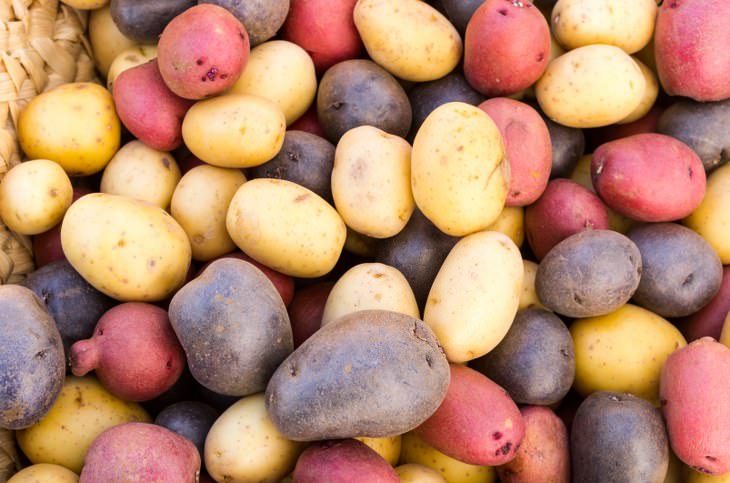
 
Wow! Who Knew That Potatoes Have So Many Health Benefits?different colours of potatoes available in the world.

According to Victoria Jarzabkowski, a nutritionist with the Fitness Institute of Texas at the University of Texas, potatoes assist in lowering blood pressure for quite a few reasons. First of all, they contain quite a decent amount of potassium, which has been proven to lower blood pressure. They also contain kukoamines, which are complex chemicals that are also associated with lowering blood pressure. What's more, Jarzabkowski claims that the vast amount of fiber found in potatoes binds with cholesterol in the blood, thereby helping to lower harmful cholesterol levels as well.

2. They support brain functioning and nervous system health. 
 
Potatoes are bursting with B6 vitamins, which create plenty of useful brain chemicals, including norepinephrine, dopamine, and serotonin, which all help to combat stress, depression, and even ADHD. Additionally, the carbohydrates found in potatoes could help enhance memory and learning skills, while the high potassium levels promote the widening of blood vessels, which makes sure that your brain is always supplied with enough blood. 
 
3. They boost your immunity.
 
Potatoes contain a lot of vitamin C, which helps to prevent a whole range of illnesses from the common cold to scurvy. According to the Washington State Potato Commission, a single medium-sized baked potato contains approximately 45% of an adult's recommended daily vitamin C intake.

4. Aids digestion
 
Due to their high carbohydrate content, one of the greatest health benefits that potatoes provide us with is their ability to make digesting our food a whole lot easier. Additionally, the high fiber content found in a potato's skin also helps you to avoid constipation by keeping you regular. 
 
5. They help keep your heart healthy. 
 
Consuming potatoes gives your heart plenty of things to smile about. The high fiber content helps to clear up any cholesterol which may be clogging up your blood vessels, while carotenoids help maintain regular heart functioning. The vitamin B6 that it contains also helps to get rid of nasty free radicals, as well as converting the potentially harmful molecule homocysteine into methionine, the presence of which could lead to strokes and heart attacks. 
 
6. They improve athletic performance.

According to Jarzabkowski, potatoes are hugely beneficial to athletic people, as they help to restore the balance of electrolytes. She says that "sodium and potassium, which are found in potato peels, are two important electrolytes, and athletes lose them in sweat." Having enough electrolytes is vital for optimal body function, as having too little can cause cramps and other undesirable side-effects. 
 
7. They keep your skin beautiful.
 
If you want to keep your skin smooth and soft, then you might want to start consuming more potatoes. Zinc, phosphorous, potassium, magnesium, vitamin B6, and vitamin C have all been proven to keep your skin looking fresh and healthy, and the best news is that potatoes contain all of these components.


This is only for your information, kindly take the advice of your doctor for medicines, exercises and so on.   


Labels: , , , , , ,

Saturday, August 09, 2025

Looking To Cut Back On Sodium? Try These 5 Handy Tips

Most of us end up eating a lot more sodium than we should. Yes, sodium is an essential nutrient and our body does need a little bit of salt every day to function properly. However, too much salt is harmful to the body, as excessive salt consumption is linked to the development of high blood pressure, heart disease, and stroke. 

Reducing sodium in your everyday diet can definitely help keep your blood pressure stable. Thankfully, you can easily cut down on your sodium intake, and you don’t even have to make lots of diet changes. The fact is, we can easily get around 75% of our daily salt intake from everyday foods like soups, tomato sauce, breakfast cereal, and canned goods. So you don’t necessarily need to add salt to your food just out of habit. Some foods even taste better without it. 

If you’re looking for ways to cut down on your sodium intake, these tips will help. 

1. Understand your sodium limit

Before you decided to cut back on your salt intake, it’s important to know what your optimal sodium intake should be. According to the American Heart Association, an ideal limit of sodium should be no more than 2,300 mg per day for most healthy adults. For people with high blood pressure, the recommended limit is 1,500 mg a day.

1 teaspoon of salt contains 2,300 mg of sodium. Keep this in mind as you plan your daily meals, and make sure that you're not eating too much sodium by unnecessarily adding salt to your foods.

2. Shop for low sodium foods
 
Be smart when you are shopping. Sodium is present in almost all the processed and prepared foods we buy. So, look for low-sodium foods instead of items that are high in sodium.

The foods you should avoid on a low-sodium diet include-
 
Sauces, condiments and dressings 

Instant foods such as flavored rice or noodles
  
Deli meat, fish, or poultry – like bacon, cold cuts, ham, frankfurters, sausage, and sardines.

Canned beans with added salt
 
Frozen meals with bread in them, like burritos and pizza.

Some great foods that are low in sodium include:

Any fresh fruits or vegetables like apples, oranges, or bananas, and spinach, carrots, or broccoli.

Cereals, bread, and other grains like brown or wild rice, buckwheat, or quinoa.

Instead of processed foods, choose foods high in protein like fresh or frozen fish or shellfish, chicken or turkey breast without skin or marinade, dried beans and peas, or eggs.

Select unsalted or low-sodium fat-free broths, bouillons, or soups.

An important thing to keep in mind while grocery shopping is to compare nutrition labels on food packaging and checking the amount of sodium in foods. Read labels carefully and opt for low-sodium products. Watch out for the words “soda,” “sodium,” and the symbol “Na” on food labels. These labels indicate that a product contains sodium compounds. Look for foods labeled “low sodium,” “reduced sodium,” or “no salt added."

3. Add more potassium to your diet
 Tips to Reduce Sodium, potassium , banana
  
Add more potassium to your diet. Eating foods with potassium is known to help lower blood pressure. The American Heart Association says that “the more potassium you eat, the more sodium you lose through urine.” They also point out that potassium helps ease tension in your blood vessel walls, which helps lower the blood pressure even further. 
 
Some good sources of potassium are potatoes, cantaloupes, bananas, beans, milk, and yogurt. Apricots, avocados, fat-free yogurt, mushrooms, peas, and oranges are other examples of potassium-rich foods. The recommended potassium intake for a healthy adult is 3,500–4,700 mg daily. 
 
Bear in mind, though, that patients with kidney disorders should first consult their doctor before adding potassium-rich foods to their diet. When someone is suffering from kidney disease, their kidneys cannot properly remove extra potassium, and too much potassium can then stay in the blood, which can be dangerous. 
 
4. Keep an eye on salt content when eating out 

When we are eating out, we don’t normally keep an eye on the salt content in the foods we are served, but we definitely should because restaurant food is often high in sodium. Here are a few helpful tips:

Before you order your meal, ask if there are any low-sodium dishes on the menu. 
 
* While ordering food, be very specific about the way you want it to be prepared and let the server know that you don’t want any extra salt added to your meal. 
 
* Don’t use the salt shaker. Resist the temptation, even if you feel that the food is low in salt. 
 
* Instead of salt, add fresh lemon juice. It’s a much healthier alternative anyway
 
5. Cook with less salt
This is perhaps an obvious tip, but not necessarily the easiest one to follow. Many of us are used to adding generous amounts of salt when we cook, but you must learn to resist that urge. First of all, take the salt shaker off your table and start using healthy salt alternatives. 
 
* Try black pepper on pasta, scrambled eggs, or pizza. 
 
* Fresh herbs and spices like ginger or garlic are also a great option for adding to vegetables and meat. 
 
* Choose some delicious salt-free seasoning alternatives like dry mustard, lemon juice, cumin, green pepper, or bay leaf. 
 
* If you depend a lot on canned foods, make sure you rinse them well before eating or cooking. That should wash away some of the salt. 
 
If you have kidney disease, consult with your doctor about the ideal salt substitute for you. 
 
Remember that if you are used to having a lot of salt in your foods, it will take time for your taste buds to adjust to a low-sodium diet. But don’t give up. Once you have adjusted to this diet, you will realize how healthy it is to be consuming less salt every day, and you won't be tempted to go back to sodium-rich foods ever again.


This is only for your information, kindly take the advice of your doctor for medicines, exercises and so on.   


Labels: , , , , ,

Salt Substitutes - Are They Beneficial or Harmful?

A diet high in sodium is a known contributor to cardiovascular problems, heart disease, kidney damage, and a number of other health issues. Unfortunately, salt is in everything, even before we take out the salt shaker. So, sooner or later, we’ll all probably hear our doctor telling us to reduce the salt in our diet. The real question is, how? One plausible solution you may come across is salt substitutes. Before you decide to buy yourself a bottle of the stuff, read this article. 

 What are salt substitutes?

Salt substitutes appear identical to regular table salt, but they swap out some or all of the sodium chloride for potassium chloride. These salt alternatives can be used in cooking and seasoning, but some people find that potassium chloride has a metallic or bitter aftertaste, so it’s best to start using it in small amounts. The bitterness is especially noticeable in homemade baked goods, so it’s best to substitute no more ⅕ of the salt in a recipe with a salt substitute.

Are salt substitutes healthier than ordinary salt? 
The short answer is, salt substitutes are beneficial for some people, but they can actually be harmful to others. A major study published recently in the New England Journal of Medicine concludes that using a salt substitute improves heart health and reduces the risk of stroke in seniors with a history of hypertension or a stroke. The study looked at 21,000 participants from 600 villages across China. 
 
Participants were 60 and older - 72% survived a stroke and 88% had high blood pressure. Each participant was given 20 grams of salt substitute that contained 75% sodium chloride and 25% potassium chloride and urged to use it as regular salt. The study found a clear improvement in blood pressure management and stroke prevention compared to neighboring villages where control subjects continued to use regular salt.

However, doctors and scientists say we should take this conclusion with a grain of salt (sorry for the pun). This is because the diet of an average senior in rural China is very different from that of people living in the US and other western countries. “In rural China, most meals are cooked from scratch, so sodium intake is under the control of the food preparer. Americans consume far more pre-prepared and processed foods — and a lot of those items deliver a lot of sodium even before we pick up the salt shaker,” said Dr. Elizabeth Klodas, a cardiologist. 
 
The majority of sodium is hiding not in the foods we prepare, but those that we purchase, such as baked goods, canned foods, potato chips, soy sauce, other condiments, etc. But processed foods are by far not the only issue that makes salt substitutes problematic. 
 
The potassium in salt substitutes itself can actually be harmful to the kidneys and other organs if consumed in excessive amounts. These substitutes are also dangerous when combined with certain medications, such as ACE inhibitors and some diuretics, and could lead to liver and kidney damage. For these reasons, if you’re considering salt substitutes, discuss it with your doctor first.

Are salt substitutes the best way to reduce salt intake?

The American Heart Association recommends consuming less than 2,300 milligrams of sodium a day, which is rather difficult when you take into account that a plain bagel, for example, already contains 450 mg. Still, doctors recommend reducing your salt intake without relying on salt substitutes. 
 
Herbs, spices, and lemon juice are all excellent ways to add flavor to dishes without using salt. Many of these spices and herbs have potent anti-inflammatory properties too, so you’ll be actually improving your health when you’re using them. There’s also a good lesson we can learn from the Chinese study we mentioned earlier, and it’s home-cooked meals. The majority of the sodium in your diet is from processed- and restaurant foods. 
 
Try to cook most of the food you eat daily, eat plenty of fresh fruits and vegetables, and over time, your palate will adjust to the low-sodium diet and you’ll enjoy the natural taste of foods a lot more. “Adding fresh or frozen fruits and vegetables while reducing sodium intake has been shown to be as effective as adding a drug for lowering blood pressure,” Klodas told Healthline. And the benefits, such as less bloating, decreased water retention, and the reduction of blood pressure will definitely urge you to continue your new diet too. 
 
In summary, the effectiveness of salt substitutes is generally overrated. While they may be beneficial in some rare cases, the side effects and risks of potassium chloride far outweigh its benefits. Simple dietary changes still remain by far the most effective way of reducing one’s sodium intake.


This is only for your information, kindly take the advice of your doctor for medicines, exercises and so on.   


Labels: , , ,