Saturday, November 29, 2025

Not milk, experts reveal the everyday food that quietly protects bone strength at any age
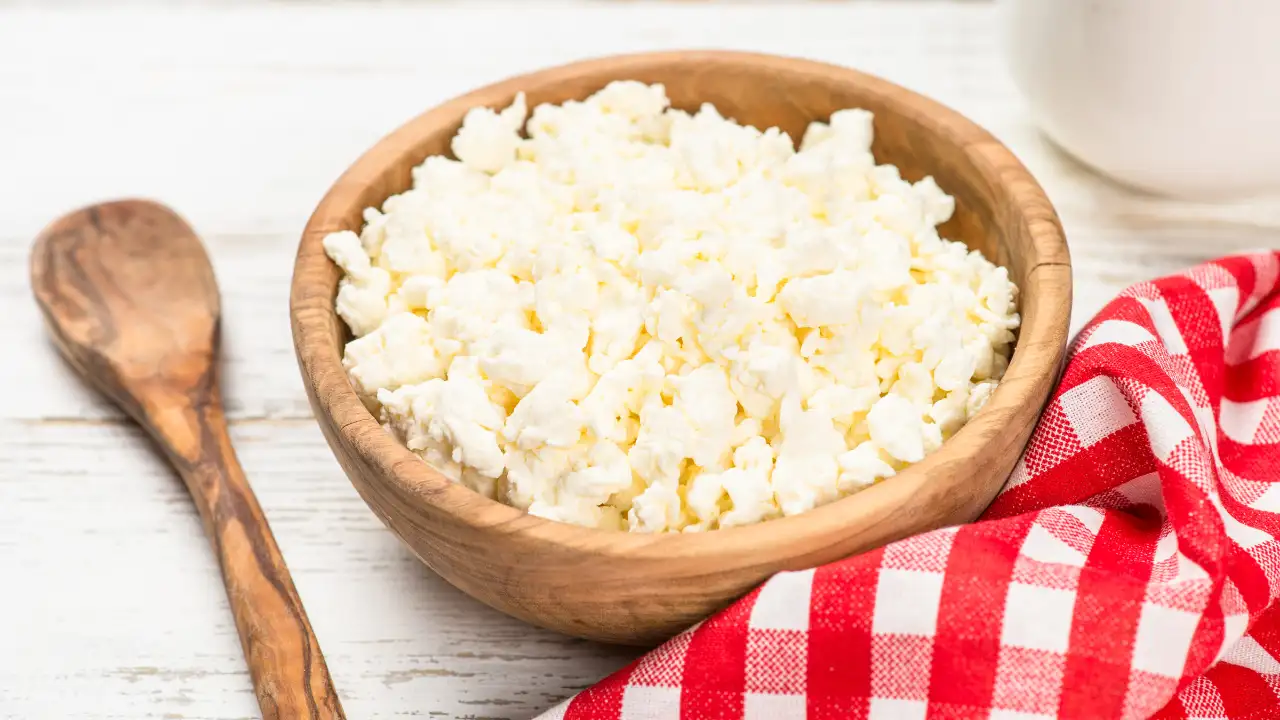
  Cottage Cheese  cottage cheese

 As concerns around bone health rise with age, nutrition experts are highlighting one humble dairy product that may be far more powerful than it looks. A recent report in Prevention explores how simple dietary choices can help protect bone strength, especially as bone loss accelerates after 50.

According to the National Council on Aging, people begin losing bone density more rapidly after age 50, increasing the risk of conditions like osteopenia and osteoporosis. The Bone Health and Osteoporosis Foundation notes that women, in particular, experience significant bone loss in the years following menopause, with density dropping by as much as 20 percent.

The Nutrients Your Bones Rely On

Registered dietitian Amy Davis told Prevention that bone-supporting diets rely on several key nutrients. These include calcium, Vitamin D, magnesium, Vitamin K, and adequate protein, all of which work together to maintain bone formation, strength, and muscle mass.

The Surprising Bone Booster on Your Plate

Among foods rich in these essential elements, one item stands out for its concentrated benefits: cottage cheese.

Cottage cheese is an excellent source of protein and calcium,” said Daniel Wiznia, an orthopaedics expert at Yale School of Medicine, in the Prevention report. Davis added that while calcium provides the raw material for bone tissue, protein helps safeguard the bone structure already in place.

More Than Just Protein and Calcium

Cottage cheese packs additional nutrients that support long-term bone health. Prevention highlights research in the journal Molecules pointing to selenium’s role in preserving bone mineral density, while studies in Frontiers in Endocrinology indicate that magnesium supports bone development and may slow osteoporosis progression.

With its nutrient-rich profile, cottage cheese is emerging as one of the most effective everyday foods for bolstering bone health. Experts say adding it to meals can offer a convenient and powerful boost to your bone-strengthening diet, especially as the body’s needs change with age.

What is cottage cheese?

According to ULCA Health, many people miss out on dairy or. in other words. fall short of the recommended intake. If you’re one of them and tend to skip cheese because you’re worried about excessive calories and fat, there’s a simple solution worth considering: cottage cheese.

Often overlooked next to popular dairy items like Greek yogurt, cottage cheese is actually one of the smart choices for weight-conscious eaters, says ULCA Health in a report. It’s low in calories, filling, and packed with essential nutrients — but its benefits don’t stop there. Made from milk curds formed when acid is added to pasteurized cow’s milk, cottage cheese has a signature soft, “pebbly” texture that comes in both small and large curds. You can find it in nonfat, low-fat, and full-fat varieties, each offering a slightly different nutritional profile.

According to the National Library of Medicine, cottage cheese earns the title of a “diet-boosting food” because it delivers rich nutrition without the added sugars and heavy saturated fats found in many other dairy products. Its biggest strength is protein: a single serving contains more protein than eggs or Greek yogurt, making it an excellent choice for building muscle, supporting metabolism, and staying full longer.

How Cottage Cheese Compares With Paneer

While cottage cheese is gaining recognition for its bone supporting nutrients, it is often confused with paneer, another fresh cheese widely used in Indian kitchens. Both are made from milk, but cottage cheese is softer and more moisture rich, while paneer is firm and pressed, making it suitable for grilling and curries. Cottage cheese is typically lower in fat and slightly higher in protein, which aligns well with diets focused on lean nutrition. Choosing between the two ultimately depends on whether one prioritises a lighter, high protein option or a denser cheese that holds its shape in cooked dishes.


This is only for your information, kindly take the advice of your doctor for medicines, exercises and so on.   


Labels: , , , , , , , , , , ,

Wednesday, November 05, 2025

I Tried 'Movement Snacking' At Work, And My Back Has Never Felt Better. I think I'm going to stick with this one. By Amy Glover

In my youth (read: a couple of months ago, when it was still bright out), I tried “Japanese walking,” “Jeffing,” and strength training to stay active.

Now that it’s cold and dark, and I have adopted the appropriate hermit lifestyle, it’s more about walking in what little daylight I can access and, to be honest, skipping the gym. 

This is not, I know, good for me. Staying active in winter is good for our mental health and can even help to regulate our sleep as daylight disappears.

But I need to be realistic, too: I work from home and rarely feel up for getting my good (well, non-PJ) togs on of a gloomy evening or dark morning.

So, I began to try “movement snacking” – a trend that allows me to incorporate tiny workouts in between typing flurries. 

Now, I can’t imagine a work week without it. It’s helped my upper back and shoulder pain a lot, too – I feel a lot less stiff and sore.

 A quick midday walk on the left: stretching on the right 

What is “movement snacking”?

It involves including multiple small movement sessions, like 10 squats or a five-minute walk, into your day rather than relying on a single large block of exercise.

A 2022 paper found that even one-minute bursts appeared to have health benefits in small proof-of-concept studies.

And a 2025 systematic review showed that “movement snacks” lasting at least five minutes, performed twice daily or more, “improved cardiorespiratory fitness in physically inactive adults”.

For me, that took the form of a couple of squats after writing an article or a little turn around the block during lunch. I reckon I spend, on average, about three to five minutes on roughly four sessions.

Speaking to HuffPost UK, Dr Suzanne Wylie, GP and medical adviser for IQdoctor, said: “I think ‘movement snacking’ is an excellent and very sustainable approach to maintaining musculoskeletal health, especially for people with sedentary jobs.

“It’s realistic, easy to integrate into a busy day, and doesn’t require special equipment or a gym setting. Even a minute or two of stretching, shoulder rolls, or walking around every 30–60 minutes can have cumulative benefits for your comfort, flexibility, and energy levels.”

The doctor added that she often recommends similar approaches to her patients, “as small, consistent movements can make a big difference to how the body feels and functions over time”. 

 Can movement snacking help with back pain?

I’ve noticed that my upper back feels a lot less tense and sore now that I’ve begun “movement snacking” (and I think it’s helped my midday mood, too).

According to Dr Wylie, the two may be related.

“It’s very plausible that your improvement is directly linked to practising ‘movement snacking,’” she shared.

“When we remain seated for prolonged periods, particularly when working at a desk or computer, the muscles in the shoulders, upper back, and neck can become tense and shortened, while the supporting postural muscles weaken over time.

“This can lead to stiffness, discomfort, and even tension headaches. By incorporating short, regular bursts of movement throughout the day, you’re effectively breaking up those long periods of static posture.”

Exercise snacking may help, the GP ended, because “These brief stretches and mobility exercises help improve blood flow to the muscles, reduce joint stiffness, and encourage better posture”. 

In other words, the trend may help more than your back – after all, some experts think it can help to manage your blood pressure, improve your heart health, and even support your metabolism too.

The best bit? From my experience, you won’t even notice you’re doing it – it’s so fun and easy, and helps to break up an otherwise monotonous stretch.


This is only for your information, kindly take the advice of your doctor for medicines, exercises and so on.   


Labels: , , , , , , , ,