Tuesday, September 17, 2019

The Causes, Treatment and Prevention of Night Leg Cramps

About 60% of adults and nearly 7% of children suffer from occasional or frequent leg cramps at night, and few things are as unpleasant as waking up in the middle of the night with a sudden, sharp pain stretching through your leg, foot or calf. It doesn’t just wake you up at night either, as the pain can linger for hours and the affected muscle can feel tender and sensitive all day.
Luckily, it usually stops after a day, but even so, it’s often a recurring problem. These nightly cramps, however, are not completely random, and they’re usually a sign that something’s wrong with your health or lifestyle. Here are the common causes of leg cramps, as well as a few tips on how to treat and prevent them.
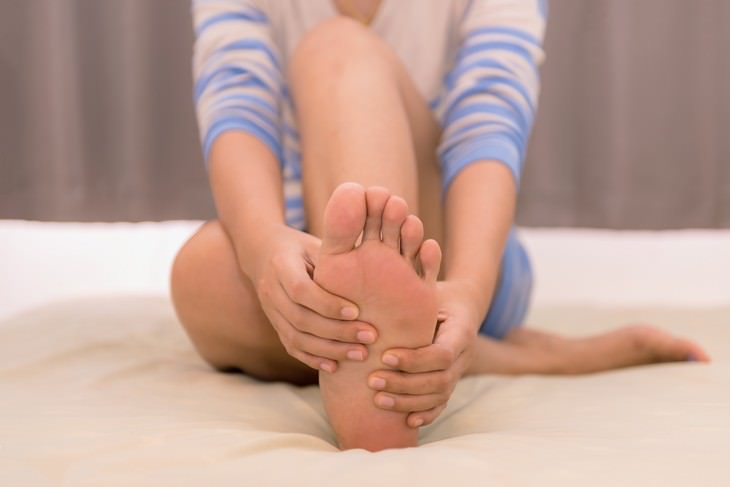
night leg cramps woman massaging foot

The Causes of Night Leg Cramps

The reason why you’re experiencing a leg cramp is clear: one of the muscles in your leg, typically the calf muscles, thigh muscles or the hamstrings contract involuntarily, but the underlying cause of this reaction is more nuanced, with many health conditions, medications and lifestyle choices playing a role in the process. The following are the most common causes of night leg cramps:

1. A Sedentary Lifestyle and Wrong Body Positions

Office workers commonly experience leg cramps at night, which is brought about by the underactive lifestyle many of them have. Sitting in the car on the way to work, sitting all day at the office, which is then followed by even more sitting on the couch 5 days a week year-round can shorten one’s leg muscles, which, in turn, makes them more vulnerable to injury and cramping.
Similarly, if you have the habit of sitting with your legs crossed, one leg on top of the other or with your toes pointed for long periods of time, this, too, can decrease blood flow and shorten the muscles, causing night leg cramps.

2. Flat Foot
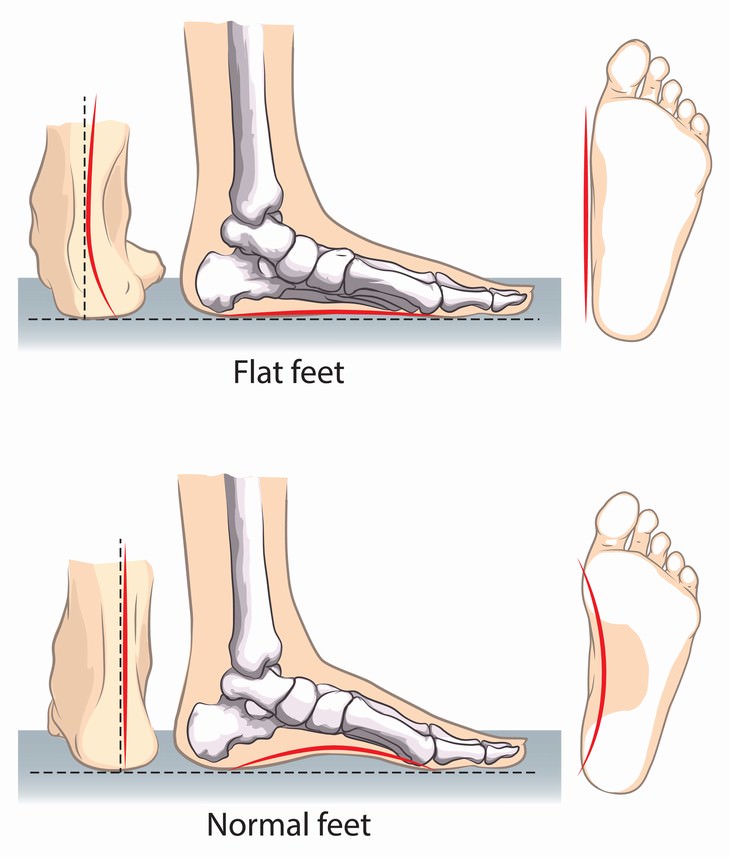
night leg cramps flat foot
Flat foot is a condition where the arches of the feet are too small or barely existent, which can make your legs hurt, swell and feel tired more quickly when walking. Some patients suffering from flat foot can experience frequent foot cramps or leg cramps at night, which are caused by the abnormal alignment of bones and the overstretching of certain leg muscles.

3. Metabolic Issues and Chronic Disease, Such as Diabetes or Kidney Failure

Many chronic and acute conditions can cause night leg cramps. These conditions include:
Most people suffering from one of these conditions would typically undergo some sort of treatment already, and improving your overall health will likely decrease your likelihood of getting leg cramps.

4. Structural Changes
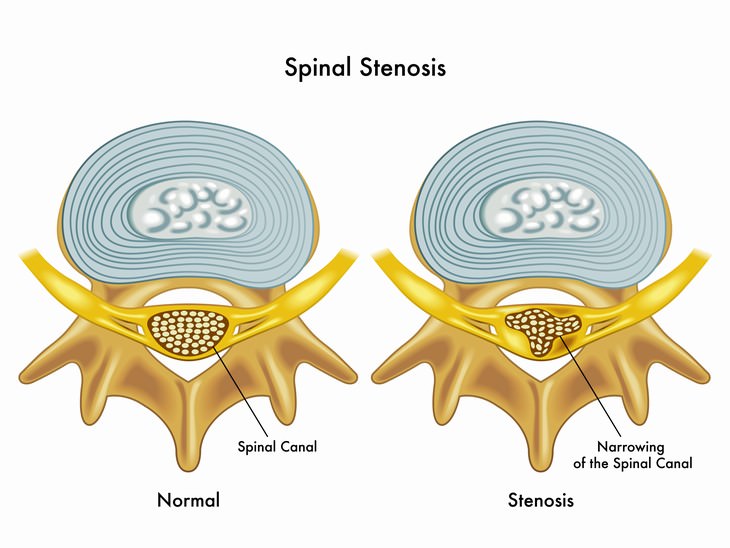
night leg cramps spinal stenosis

Decreased blood flow or nerve connectivity in the legs can make you more prone to night cramps, too.
The most common cause of circulatory deficiency in the legs is Peripheral artery disease (PAD), a condition in which the arteries that supply your legs with blood become narrower, typically due to atherosclerosis, which restricts the quantity of blood that can reach your legs and feet, causing leg pain, especially when walking long distances, but can also cause numbness, coldness of the feet, erectile dysfunction in men and night cramps.
Lumbar spinal stenosis, a condition where the spine becomes narrower in the lower back and causes nerve damage or pressure on the nerves, too, can manifest itself in more frequent cramps, as well as pain, weakness, and numbness in the legs.

5. Overexertion

night leg cramps Overexertion

One of the most common causes of leg cramps is actually too much muscle strain, with many athletes suffering from frequent night cramps in their legs or feet, especially after they start training more heavily than they used to.
Standing for long periods of time, too, can fatigue your leg muscles and cause leg cramps.

6. Certain Medications

Leg cramping, including nightly cramping, is a commonly-listed side effect of many medications. The most common types of drugs associated with muscle cramping are:
  • Blood pressure medications
  • Statin drugs
  • Oral contraceptives
  • Dialysis
  • Diuretics.

7. Neurodegenerative Diseases or Nerve Damage
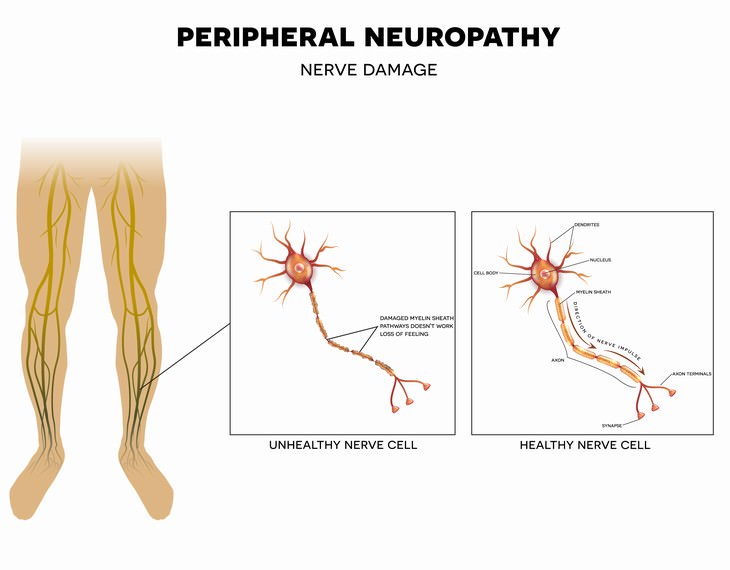
night leg cramps peripheral neuropathy

Any type of nerve damage in the lumbar region, the spinal cord or the legs may make you more prone to cramps. Chemotherapy, for example, can sometimes cause nerve damage, as do neurodegenerative diseases, such as Parkinson’s and neurological disorders, such as peripheral neuropathy.
Unfortunately, recovery from nerve damage is very slow and time-consuming, and even if you’re undergoing some sort of treatment, chances are, you’ll be stuck with cramps and other symptoms for a while or permanently.

8. Normal Body Changes
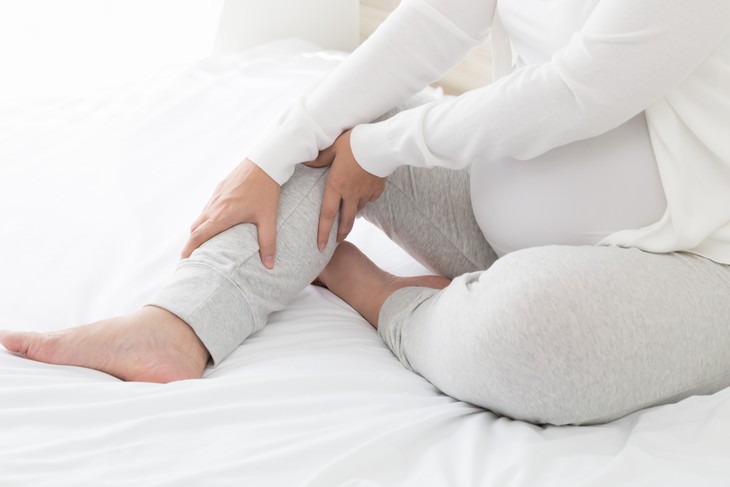
night leg cramps pregnant woman
Whether temporary or permanent, changes in your body can cause leg cramping as well. Statistical data shows that women are more prone than men to suffer from night leg cramps in general, but pregnant women are even more likely to do so than the rest. This is likely due to muscle fatigue brought about an increase in weight, higher nutritional requirements, and hormonal changes.
Similarly, aging increases one’s risk of suffering from leg cramps as well, with a reported 33% of individual past the age of 50 experiencing chronic night leg cramps. Chronic diseases may account for this part of these cases, but there is also a theory that the tendons, the supportive tissue joining our muscles and bones, which have a tendency to shorten over time, may account for more frequent cramp cases as well. 
Prevention of Night Leg Cramps
As you can see, many conditions and other factors may predispose you to frequent night cramps. Fortunately, there are also preventative measures you can take that will compensate for the damage done and will ensure you have a painless good night’s sleep.
One of the best, and also the easiest things you can do to prevent night leg cramps is light exercise, especially if you know that you don’t get enough exercise during the day. Just half an hour of walking, biking or mild leg stretches can significantly decrease your risk of getting a leg cramp at night.
night leg cramps woman at the doctor's office with a leg in a brace
Secondly, you should always keep an eye on your daily fluid intake, as hydration is essential for muscle health, especially if you strain your muscles a lot.
Finally, it’s also worth taking a closer look at your sleeping position and footwear. Choose footwear that will support the arches of your feet without being too tight. Also, avoid sleeping with your feet pointing down, try sleeping on your side with a pillow or blanket tucked between your legs instead. For the same reason, don’t tuck yourself in too tight at night and opt for loose blankets and sheets to encourage a natural curve of your feet while you sleep.
Treating a Leg Cramp
In terms of treatment, there is no difference between a leg cramp that occurred at night and any other leg cramp. Here's what you can do to manage the symptoms:
  • Gently massage and stretch out the muscle that hurts to loosen the tightness.
  • Some people report that their symptoms fade faster if they apply a heating pad on the affected area or take a hot bath or shower.
  • A little weird but sometimes effective method a lot of people swear by is drinking a small quantity of pickle juice.
  • Finally, if your calf muscle was affected, you can try walking on your heels for a few minutes, which will relax your calves by activating the opposite muscles.
Note: if muscle cramps are frequent, extremely painful, accompanied by muscle weakness and don’t go away after a day, you should consult a doctor as soon as possible.

this is only for your information, kindly take the advice of your doctor for medicines, exercises and so on.   
https://gscrochetdesigns.blogspot.com. one can see my crochet creations 
https://gseasyrecipes.blogspot.com. feel free to view for easy, simple and healthy recipes    
https://kneereplacement-stickclub.blogspot.com. for info on knee replacement


Labels: , , , , , , , , , , , ,

Sunday, December 23, 2018

13 Things Your Breasts Won’t Tell You

Self exam? Here’s what to really look for.
 

Do you need to schedule a formal, sit-down monthly breast self exam to inspect every single centimeter? No. Experts now recommend against routine self exams, saying that they create unnecessary anxiety and don’t actually lower the risk of dying from breast cancer. But you should know what the red flags are: any lump or thickening in the breast or underarm area; swelling, warmth or redness; a change in size or shape, dimpling or puckering of the skin; an itchy, scaly sore or rash on the nipple; nipple discharge that starts suddenly; or new pain that doesn’t go away.

Lumps may freak you out, but they’re usually not cancer.
In fact, 80 percent of lumps biopsied turn out not to be cancer—so don’t panic if you uncover one while you’re showering or getting dressed. Odds are it’s a kind of cyst. Fibrocystic breast changes—in which breast tissue is overreacts to hormones, which results in lumps and cysts—affect 50 to 60 percent of women.

Of course, the worst thing you can do is ignore it and hope it’ll just go away. You should always see your doctor any time you spot anything abnormal.


Experts, make up your minds about mammograms already!
In 2009, the United States Preventive Services Task Force came out with controversial guidelines about delaying mammograms to age 50 (from 40) and getting them every two years (instead of annually). Experts who think women should still get annual mammograms starting at age 40 believe that delaying the screenings would miss too many cancers and lead to poorer outcomes among those eventually diagnosed. Those who support the new guidelines believe that too-early mammograms lead to too many false positive results (and corresponding over-treatment, including follow-up scans and biopsies), as well as over-treatment of breast cancers that may not actually be life threatening. What you decide to do may come down to how risk-averse you are, what your health insurance will cover, and what your doctor thinks.


85 percent of you wear the wrong size bra.
The right undergarments can make you look thinner, improve your posture, and ease pain in your back, neck, and shoulders. You need to toss bras after they're well worn, or if you gain or lose weight. Plus you should get measured for ones that provide the right support. Some signs of a proper fit: the band in the back is snug, and doesn’t ride up; and your breasts fit within—instead of bulging over—the cup.


It’s normal for one of us to be larger than the other.
We’re not as symmetrical as you may think. About half of women have a pretty notable difference in size, with the left breast often larger than the right. Make sure your bra fits the bigger breast, and use a pad to help fill out the smaller one. If a change in size is sudden, let your doctor know—it could be the sign of an infection, lump, or cyst.


Man's obsession with breasts? Blame evolution.
Our main reason for existence is to nourish and feed babies. When a baby nurses, your brain becomes flooded with the “bonding hormone” oxytocin, which is designed to get you to focus on taking care of your babe. Now, some researchers think a similar mechanism designed to strengthen romantic relationships is at work between you and your partner. Oxytocin is also released when a partner stimulates your breasts, which causes you to bond with and feel more affection for him.


Slimming down may reduce your risk of breast cancer by half.
A study published earlier this year found that overweight postmenopausal women who shed just 5 to 10 percent of their body weight slashed their breast cancer risk in half. (Fat can raise levels of the hormone estrogen, which is known to fuel certain kinds of breast cancer). What’s more, another recent study found that women who are overweight when diagnosed with breast cancer have a higher risk of recurrence than thinner women.

Exercise is also a boon for breasts: A Cancer study released this summer found that women who worked out 10 to 19 hours a week had a 30 percent reduced risk of breast cancer. Not only can exercise reduce body fat, it also lowers levels of stress and inflammation, which can affect how your immune system treats cancer cells.


Skip that second glass of wine to reduce cancer risk.
There’s no doubt that drinking is linked to an increased risk of breast cancer, which is why experts recommend limiting your intake to one glass a day and even less if you have a higher breast cancer risk (due to family history or other reasons). A study in the Journal of the American Medical Association published last fall found that women who had just a few cocktails a month had a 15 percent higher risk of cancer; those who imbibed more (the equivalent of two drinks a day) had a 51 percent greater chance of developing breast cancer over the next few decades.


Increase your vitamin D intake and you'll decrease your risk of breast cancer.
Many of you have too-low levels of this vitamin, which is a shame considering that it is linked to a reduced risk of breast cancer. One study presented at a meeting of the American Society of Clinical Oncologists a few years ago found that breast cancer patients deficient in D were 94 percent more likely to have their cancer spread than those with normal levels and a paper published earlier this year found that women diagnosed with breast cancer with higher vitamin D levels had better survival rates. The RDA for vitamin D is 600 IU, but some experts recommend getting 1,000 IU or even more. Ask your doctor and consider taking a supplement—it’s hard to get that much from your diet alone.


Not sleeping? You're increasing your cancer risk.
More research points to a correlation between not sleeping at night and a higher cancer risk. A study of women in the Danish Army, published this spring in Occupational and Environmental Medicine, found that those who worked at night had a 40 percent increased risk of breast cancer compared to those who didn’t. It's likely the hormone melatonin to blame, which regulates sleep cycles and may also affect estrogen levels. Sleep deprivation at night may also suppress the immune system, allowing cancer cells to grow.


Cigarettes not only increase cancer risks—they make breasts less perky.
Though cigarettes do raise the risk of breast cancer slightly, they’re especially harmful among heavy-duty smokers who start early, a study published last year in the Archives of Internal Medicine found. Women who smoked at least a pack a day for at least 30 years had a 28 percent higher breast cancer risk. Chemicals found in cigarettes also break down elastin, the protein that keeps us nice and perky. One study led by a University of Kentucky plastic surgeon a few years ago found that smoking, age, and the number of a woman’s pregnancies are the main factors that affect sagging.


This is what menopause does to your breasts.
Hot flashes get all the attention, but we go through a lot during menopause and the years leading up to it too. Breast tenderness—the kind you’re used to getting around your period and early on in pregnancy—can strike and worsen. We may start leaking fluid because hormone fluctuations can raise levels of the hormone prolactin (the same one that triggers us to start churning out milk after you have a baby). Your milk ducts can get clogged during this transitional time as well, which can cause green or black discharge.  And break out the tweezers: You may start to find errant hairs on the nipples now. (Waxing, lasering, and shaving work too.)


Want to know why we sag as you age?
Over time, collagen and elastin breaks down and we can’t help but start to let loose. Also, hormonal changes cause us to contain more fat—soft, spongy and prone to drooping—with age. There’s not a lot you can do about it, short of wearing a more supportive, well-fitting bra or opting for a breast lift. (Did you know more than 90,000 such procedures were performed last year? That’s a 72 percent increase since the year 2000.) 


 THIS IS ONLY FOR INFORMATION, ALWAYS CONSULT YOU PHYSICIAN BEFORE HAVING ANY PARTICULAR FOOD/ MEDICATION/EXERCISE/OTHER REMEDIES.                                                                                
 PS- THOSE INTERESTED IN RECIPES ARE FREE TO  VIEW MY BLOG-                                                                                           https://gseasyrecipes.blogspot.com/                                                                                                                                                                             FOR INFO ABOUT KNEE REPLACEMENT, YOU CAN VIEW MY BLOG-                                               
     https:// kneereplacement-stickclub.blogspot.com/                                                                                     
  FOR CROCHET DESIGNS                                                                                                                                                                                                                                 https://gscrochetdesigns.blogspot.com


Labels: , , , , , , , , , , , , , , ,

Wednesday, November 18, 2015

Wrong pain-killers damage kidney among diabetes patients

THIS IS ONLY FOR INFORMATION, ALWAYS CONSULT YOU PHYSICIAN BEFORE HAVING ANY PARTICULAR FOOD/ MEDICATION/EXERCISE/OTHER REMEDIES.

FOR INFO ABOUT KNEE REPLACEMENT, YOU CAN VIEW MY BLOG
HTTP://KNEE REPLACEMENT-STICK CLUB.BLOGSPOT.COM/

FOR CROCHET DESIGNS- http://My Crochet Creations.blogspot.com/


 Wrong pain-killers taken during diabetes lead to damage in kidneys, even kidney failure, say doctors.

Medical experts say the use of pain-killers, especially NSAIDS (Non-steroidal anti-inflammatory drugs) damages the tubules in the kidneys, which often leads to kidney failure. Though at times the problem is reversible, but mostly the problem persists.

Non-steroidal anti-inflammatory drugs, also called non-steroidal anti-inflammatory agents/analgesics (NSAIAs), are a class of drugs that provide analgesic (pain-killing) and antipyretic (fever-reducing) effects, and, in higher doses, anti-inflammatory effects. These are not suitable for diabetes patients.

"Most diabetics, especially those who have diabetes over a decade are more prone to kidney damage. Taking a pain killer especially NSAIDs (Non steroidal anti inflammatory drugs) increases your chances of acute kidney injury and failure," said Pradeep Gadge, consultant diabetologist, Gadge's Diabetes Centre and Visiting Consultant at Breach Candy and Sevenhills Hospital.

Emphasising that not all pain killers are dangerous for diabetes patients, Gadge said diabetes patients should use pain killers such as tramadol which are safer from kidney perspective.

Prateek Saikia, diabetologist of Safdarjung has said pain killers cause damage of the tubules in the kidneys and leads to increase in creatinine.

"The problem is not always reversible. It may lead to acute renal failure patient may need dialysis and rarely even die," said Saikia.

According to the WHO, India is a home to 65 million diabetic patients, the number being second only to China.

Analysis by the All India Institute of Medical Sciences recently revealed that change in lifestyle with lack of sleep were among the top reasons behind the occurrence of the disease.

"Diabetes patients should avoid certain antibiotics like amikacin (if they have already existing kidney problem). Also certain antibiotics like Gatifloxacin can cause severe fluctuations in blood sugar levels and can be dangerous," said Saikia.

Labels: , , ,