Tuesday, September 17, 2019

The Causes, Treatment and Prevention of Night Leg Cramps

About 60% of adults and nearly 7% of children suffer from occasional or frequent leg cramps at night, and few things are as unpleasant as waking up in the middle of the night with a sudden, sharp pain stretching through your leg, foot or calf. It doesn’t just wake you up at night either, as the pain can linger for hours and the affected muscle can feel tender and sensitive all day.
Luckily, it usually stops after a day, but even so, it’s often a recurring problem. These nightly cramps, however, are not completely random, and they’re usually a sign that something’s wrong with your health or lifestyle. Here are the common causes of leg cramps, as well as a few tips on how to treat and prevent them.
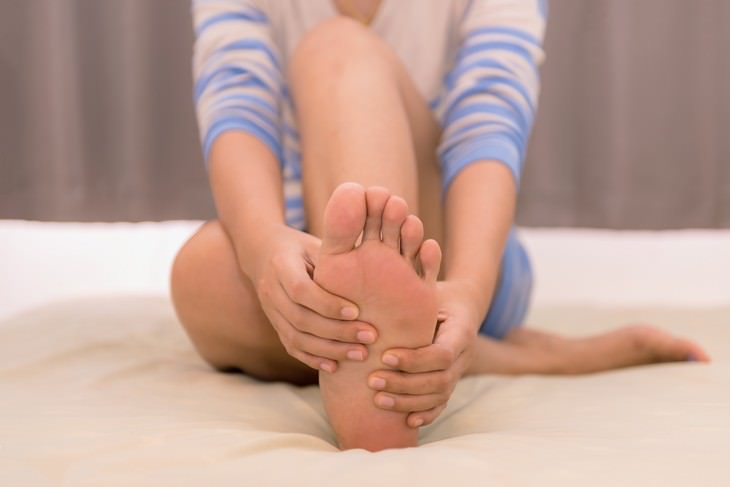
night leg cramps woman massaging foot

The Causes of Night Leg Cramps

The reason why you’re experiencing a leg cramp is clear: one of the muscles in your leg, typically the calf muscles, thigh muscles or the hamstrings contract involuntarily, but the underlying cause of this reaction is more nuanced, with many health conditions, medications and lifestyle choices playing a role in the process. The following are the most common causes of night leg cramps:

1. A Sedentary Lifestyle and Wrong Body Positions

Office workers commonly experience leg cramps at night, which is brought about by the underactive lifestyle many of them have. Sitting in the car on the way to work, sitting all day at the office, which is then followed by even more sitting on the couch 5 days a week year-round can shorten one’s leg muscles, which, in turn, makes them more vulnerable to injury and cramping.
Similarly, if you have the habit of sitting with your legs crossed, one leg on top of the other or with your toes pointed for long periods of time, this, too, can decrease blood flow and shorten the muscles, causing night leg cramps.

2. Flat Foot
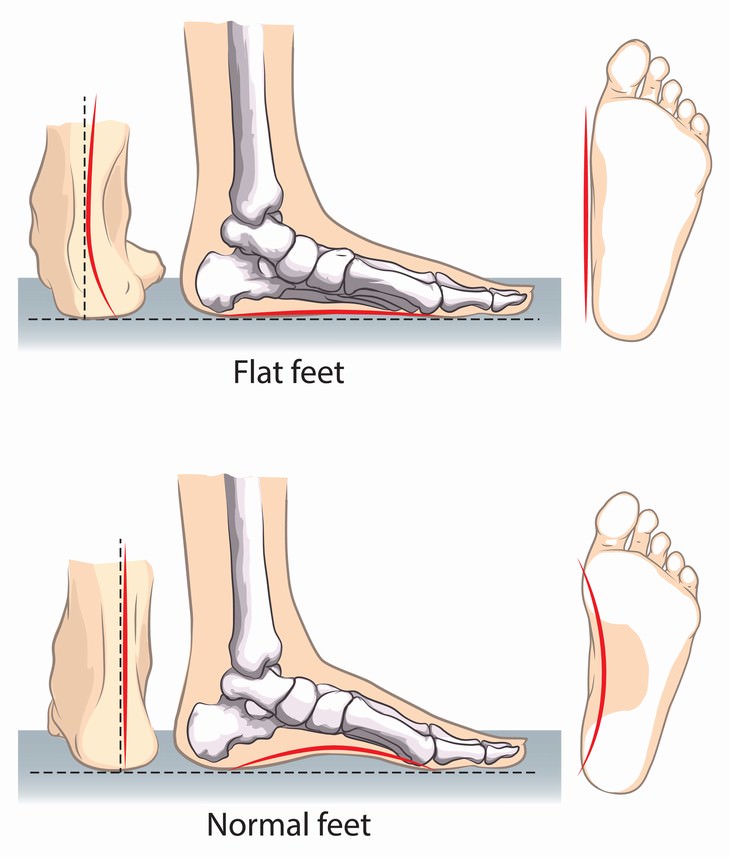
night leg cramps flat foot
Flat foot is a condition where the arches of the feet are too small or barely existent, which can make your legs hurt, swell and feel tired more quickly when walking. Some patients suffering from flat foot can experience frequent foot cramps or leg cramps at night, which are caused by the abnormal alignment of bones and the overstretching of certain leg muscles.

3. Metabolic Issues and Chronic Disease, Such as Diabetes or Kidney Failure

Many chronic and acute conditions can cause night leg cramps. These conditions include:
Most people suffering from one of these conditions would typically undergo some sort of treatment already, and improving your overall health will likely decrease your likelihood of getting leg cramps.

4. Structural Changes
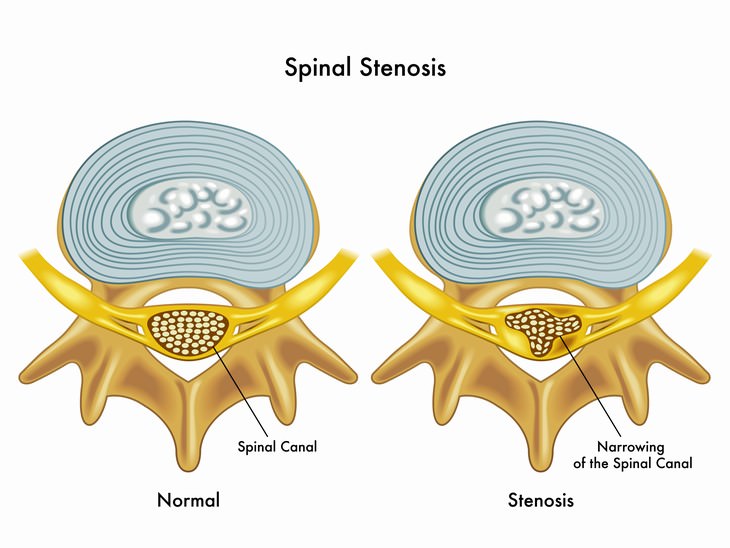
night leg cramps spinal stenosis

Decreased blood flow or nerve connectivity in the legs can make you more prone to night cramps, too.
The most common cause of circulatory deficiency in the legs is Peripheral artery disease (PAD), a condition in which the arteries that supply your legs with blood become narrower, typically due to atherosclerosis, which restricts the quantity of blood that can reach your legs and feet, causing leg pain, especially when walking long distances, but can also cause numbness, coldness of the feet, erectile dysfunction in men and night cramps.
Lumbar spinal stenosis, a condition where the spine becomes narrower in the lower back and causes nerve damage or pressure on the nerves, too, can manifest itself in more frequent cramps, as well as pain, weakness, and numbness in the legs.

5. Overexertion

night leg cramps Overexertion

One of the most common causes of leg cramps is actually too much muscle strain, with many athletes suffering from frequent night cramps in their legs or feet, especially after they start training more heavily than they used to.
Standing for long periods of time, too, can fatigue your leg muscles and cause leg cramps.

6. Certain Medications

Leg cramping, including nightly cramping, is a commonly-listed side effect of many medications. The most common types of drugs associated with muscle cramping are:
  • Blood pressure medications
  • Statin drugs
  • Oral contraceptives
  • Dialysis
  • Diuretics.

7. Neurodegenerative Diseases or Nerve Damage
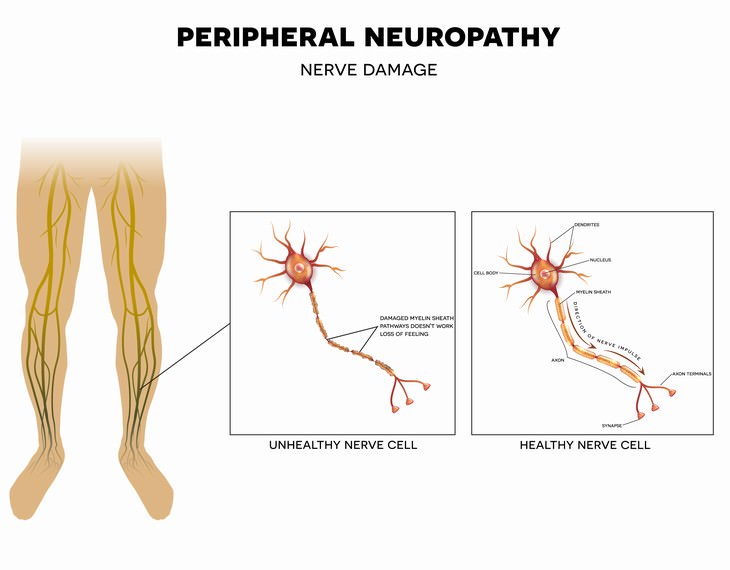
night leg cramps peripheral neuropathy

Any type of nerve damage in the lumbar region, the spinal cord or the legs may make you more prone to cramps. Chemotherapy, for example, can sometimes cause nerve damage, as do neurodegenerative diseases, such as Parkinson’s and neurological disorders, such as peripheral neuropathy.
Unfortunately, recovery from nerve damage is very slow and time-consuming, and even if you’re undergoing some sort of treatment, chances are, you’ll be stuck with cramps and other symptoms for a while or permanently.

8. Normal Body Changes
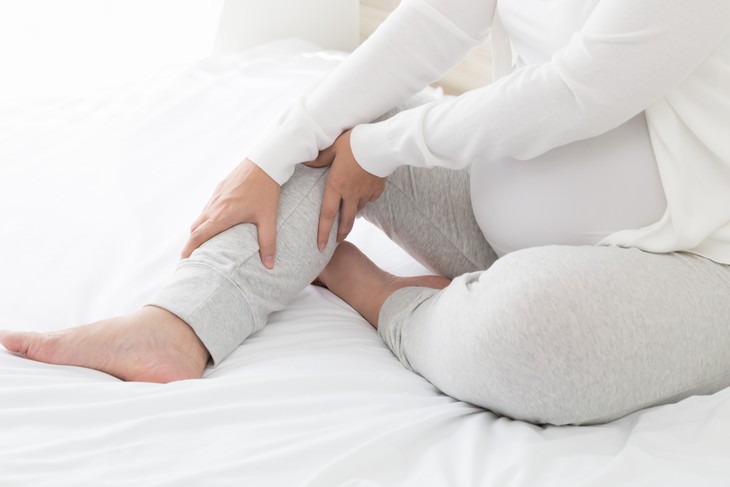
night leg cramps pregnant woman
Whether temporary or permanent, changes in your body can cause leg cramping as well. Statistical data shows that women are more prone than men to suffer from night leg cramps in general, but pregnant women are even more likely to do so than the rest. This is likely due to muscle fatigue brought about an increase in weight, higher nutritional requirements, and hormonal changes.
Similarly, aging increases one’s risk of suffering from leg cramps as well, with a reported 33% of individual past the age of 50 experiencing chronic night leg cramps. Chronic diseases may account for this part of these cases, but there is also a theory that the tendons, the supportive tissue joining our muscles and bones, which have a tendency to shorten over time, may account for more frequent cramp cases as well. 
Prevention of Night Leg Cramps
As you can see, many conditions and other factors may predispose you to frequent night cramps. Fortunately, there are also preventative measures you can take that will compensate for the damage done and will ensure you have a painless good night’s sleep.
One of the best, and also the easiest things you can do to prevent night leg cramps is light exercise, especially if you know that you don’t get enough exercise during the day. Just half an hour of walking, biking or mild leg stretches can significantly decrease your risk of getting a leg cramp at night.
night leg cramps woman at the doctor's office with a leg in a brace
Secondly, you should always keep an eye on your daily fluid intake, as hydration is essential for muscle health, especially if you strain your muscles a lot.
Finally, it’s also worth taking a closer look at your sleeping position and footwear. Choose footwear that will support the arches of your feet without being too tight. Also, avoid sleeping with your feet pointing down, try sleeping on your side with a pillow or blanket tucked between your legs instead. For the same reason, don’t tuck yourself in too tight at night and opt for loose blankets and sheets to encourage a natural curve of your feet while you sleep.
Treating a Leg Cramp
In terms of treatment, there is no difference between a leg cramp that occurred at night and any other leg cramp. Here's what you can do to manage the symptoms:
  • Gently massage and stretch out the muscle that hurts to loosen the tightness.
  • Some people report that their symptoms fade faster if they apply a heating pad on the affected area or take a hot bath or shower.
  • A little weird but sometimes effective method a lot of people swear by is drinking a small quantity of pickle juice.
  • Finally, if your calf muscle was affected, you can try walking on your heels for a few minutes, which will relax your calves by activating the opposite muscles.
Note: if muscle cramps are frequent, extremely painful, accompanied by muscle weakness and don’t go away after a day, you should consult a doctor as soon as possible.

this is only for your information, kindly take the advice of your doctor for medicines, exercises and so on.   
https://gscrochetdesigns.blogspot.com. one can see my crochet creations 
https://gseasyrecipes.blogspot.com. feel free to view for easy, simple and healthy recipes    
https://kneereplacement-stickclub.blogspot.com. for info on knee replacement


Labels: , , , , , , , , , , , ,

Friday, July 26, 2019

Smoking can trigger severe pain in legs

Researchers have found a strong link between smoking and peripheral artery disease – a circulatory condition in which narrowed blood vessels reduce blood flow to the limbs – and this elevated risk can persist up to 30 years after quitting smoking. 

A recently published study also found that the link between smoking and peripheral artery disease was even stronger than that for coronary heart disease and stroke.


 "The study suggests that campaigns about smoking's health risks should emphasize the elevated risk of peripheral artery disease, not just coronary heart disease and stroke," said senior study author.


The study found that compared with never-smokers, those who smoked for more than 40 pack-years had roughly four times more risk for peripheral artery disease, versus 2.1 times and 1.8 times more risk for coronary heart disease and stroke, respectively.


 A pack-year is a parameter of smoking – 10 pack-years can mean one pack per day for 10 years or two packs per day for five years or some other combination.


 Similarly, participants who reported currently smoking more than a pack per day had a relative increased risk – 5.4 times more for peripheral artery disease versus 2.4 for coronary heart disease and 1.9 for stroke – compared to those who had never smoked.


Peripheral artery disease features the atherosclerotic build-up of cholesterol-laden deposits in arteries serving the legs. The reduction of blood flow leads to limb pain, poor wound healing, and other signs and symptoms. 


The effect of smoking on peripheral artery disease risk was not just stronger; it was also longer-lasting.


 Only after 30 years of smoking cessation did the peripheral artery disease risk for former smokers return to the baseline level seen in never-smokers.


By comparison, coronary heart disease risk took about 20 years to return to baseline after smoking cessation. 


The good news is that quitting smoking appeared to bring a meaningful drop in peripheral artery disease risk fairly quickly. 


"We observed a lower risk for peripheral artery disease, coronary heart disease, and stroke within five years of smoking cessation," says a data analyst and author of the study. 


"Smoking almost always starts in adolescence or early adulthood, and it's very important that young people understand how long the elevated health risk persists even after they've quit," the researchers noted.


THIS IS ONLY FOR INFORMATION, ALWAYS CONSULT YOU PHYSICIAN BEFORE HAVING ANY PARTICULAR FOOD/ MEDICATION/EXERCISE/OTHER REMEDIES.                                    PS- THOSE INTERESTED IN RECIPES ARE FREE TO  VIEW MY BLOG-                                                                                           https://gseasyrecipes.blogspot.com/                                                                                                                                                FOR INFO ABOUT KNEE REPLACEMENT, YOU CAN VIEW MY BLOG-                                                  https:// kneereplacement-stickclub.blogspot.com/                                                                      FOR CROCHET DESIGNS                                                                                                    
                                https://gscrochetdesigns.blogspot.com
 

Labels: , , , , , , , , ,

Thursday, July 04, 2019

Is walking healthier than running?

Losing weight, getting fit and being healthy are goals that all of us share. To that end, we are constantly developing newer and more high-intensity ways in which we can push our bodies. But for those of us who don't have the time or the motivation for attending classes, training sessions, boot camps, and all that other stuff, there is still a very old school way to keep yourself healthy.
Just take a walk. Walking is an extremely good way to stay in shape, and as you turn up the intensity, the benefits shift. Did you know that competitive walking has been an Olympic sport for over 90 years? Anyone who is a frequent walker, jogger or runner would at some point or another have had a debate about which speed of the movement is better. Some even say that a brisk walk can be far more beneficial than running. So we'd like to give you a little clarity on how the body reacts to these similar, but different types of exercise.

Walking Versus Running
Walking is one of the best ways to get healthy, active and fit. Even a small amount of walking on a regular basis can make an immense difference to your health if kept up for a long period of time. 
Studies conducted found that regular walking could help prevent peripheral artery disease (a disease that restricts the blood flow in extremities like legs) and reduce the likelihood of catching colds to 25% less than for less active persons.
Further research revealed that it only takes between 30 to 60 minutes of walking a day for an overweight person to lose weight. So what’s the major difference in terms of effects, between running and walking?
A common rumor on the workout grapevine is that running is more beneficial than walking. That does seem plausible given the extra energy and movement required for running. However, there is a fair portion of myth to this belief. The heavier exertion of energy in running essentially allows you to burn calories faster, and therefore over shorter distances.
The calories burned by a 3-mile run would be burned only by a 5-mile walk (approximately). It was determined during a study, that if the same calories are burned, the benefits to the body are largely similar. That is to say, while the intensity of the activity can be more beneficial to the body, it is the energy spent while doing the exercise (either running or walking) that makes the biggest difference.
This was determined through this six-year study involving nearly 50,000 participants, about 33,000 runners, and 15 thousand walkers. Both walking and running are incredibly helpful in reducing the risk of high blood pressure and high cholesterol. Both activities can help reduce the risk of diabetes as well.
The U.S. Department of Health and Human Services’ most recently published Physical Activities Guidelines states that every individual requires a minimum of 75 to 150 minutes a week of high-intensity exercise and activity or alternatively 150 to 300 minutes a week of moderate activity. The lower the intensity, the more minutes of activity required.
Can Running be Harmful to Your Joints?
Despite the intensity involved in the activity of running, when compared to walking, recent studies have shown that running is not necessarily more likely to cause or worsen various forms of arthritis. A 2013 study compiled a report based on data collected by the National Runner’s Health Study and noted that there was a 15% reduction in the risk of osteoarthritis and 35% less of a risk of requiring a hip replacement in those who were active and ran a minimum of 1.2 miles every day. 
A more recent study conducted in 2017  noted that, out of their participants that were divided into two groups of runners and non-runners, only 53% of the runners compared to 59% of the non-runners, had osteoarthritis in their knees. This number actually dropped to 51% for the former group as the intensity of the running increased.
 
One of the major reasons for the observed risk reductions is because of the impact running has on reducing weight and BMI. When the overall body weight reduces, the pressure put on the various joints also goes down significantly. However, it is important to keep in mind not to push too hard when running. While the exercise itself is beneficial, running can lead to injuries, particularly if you’re on bumpy terrain, a communal area, or for numerous other accidental reasons. If you do find frequent occurrences of pain while walking, there are a number of ways you can prevent or combat it. 
The best way to move from walking to running: Make sure you run in safe areas you are familiar with and ensure to start increasing your speed very gradually, so you can maintain the speed comfortably. In fact, if you’re looking for what’s really the best, not to mention easiest work out right now, all you need to do is to find the middle ground. So what’s the best exercise you can do?
Speed Up That Walk!
As it turns out, speed walking is great for you, and gives you an easier way to keep walking, keep the intensity up, but also keep your energy for the rest of the day!
Running is great for the athletes, and walking is a good way to get the minimal weekly dose of exercise required. But if you’re looking, like me, for a workout you can do every day, one that doesn’t force you to go to the gym or leave you winded like runs can, or even sluggish like walks do (because you may not even burn the energy of a 1 mile run in a 5 mile walk if you’re moving slowly), then speed-walking might be the next best option to try.
Just for general reference, the average walking speed is usually approximately 3 m.p.h, while speed walking is 4.5 - 5 m.p.h, jogging stands at 6 mph, and anything above that is considered to be running. However, again, it’s important to remember, intensity can differ from person to person depending on pre-existing medical conditions or other determining factors.  
Walking briskly, ideally increasing your speed after regular intervals, is firstly a great way to shorten the time spent on your activity, as you can cover more distance faster. Because brisk walking also increases your heart rate to a moderately-intense level, it has increased effects in reducing the risk of diabetes, high blood pressure and high cholesterol, not to mention allows for more calorie-burning than ordinary walking.
However, the goal of speed-walking is flexibility, endurance and becoming fit. It requires bigger and faster steps and therefore, increases your muscle strength and flexibility, helping your body get toned (and not thin)! Some walking exercises can even strengthen your soul, along with your body.
It is also an exercise less likely to cause injuries and accidents due to excessive tripping, falling, crashing, etc., as the speed and movement are kept on more controllable levels. It's advisable to start with 20 minutes of moderate walking 6 days a week, and one day of slow and low-intensity walking, so as to ensure no possible pulls, aches or pains. There are many different ways in which you can increase the intensity of your walking (or at least the distance), on a regular basis.
That being said, our mood can change, too: some days we want to walk, and on others, we want to run, skip and leap. Whatever it is, if your goal is to stay fit, follow your bliss and always stay active. In the case of high-intensity workouts, make sure to start practicing them gradually, and use caution when increasing the intensity. Avoid taking long breaks between physical activity.
 

Even 4 hours of exercise a week can make all the difference in the world to your health, even without any lifestyle change. “Whether it’s walking, jogging or running, staying active will help control your weight, reduce blood pressure and cholesterol, and improve your mental health.”


THIS IS ONLY FOR INFORMATION, ALWAYS CONSULT YOU PHYSICIAN BEFORE HAVING ANY PARTICULAR FOOD/ MEDICATION/EXERCISE/OTHER REMEDIES.                                    PS- THOSE INTERESTED IN RECIPES ARE FREE TO  VIEW MY BLOG-                                                                                           https://gseasyrecipes.blogspot.com/                                                                                                                                                FOR INFO ABOUT KNEE REPLACEMENT, YOU CAN VIEW MY BLOG-                                                  https:// kneereplacement-stickclub.blogspot.com/                                                                      FOR CROCHET DESIGNS                                                                                                                                                                                     https://gscrochetdesigns.blogspot.com

Labels: , , , , , ,

Monday, March 04, 2019

Walking Few Minutes Daily Can Change Your Health Drastically

People are aware of the numerous benefits of regular exercise, and its amazing effects on our emotional, physical and mental health, but very often, they simply lack time to hit the gym and do the workout.

Yet, you no longer have excuses, as a recent study has shown that a 15-minute walk daily can help you reap the similar effects! Namely, this habit can add 7 years to your life and improve your health in various different ways.

According to a cardiac and sports specialist:
“We may never avoid becoming completely old, but we may delay the time we become old. We may look younger when we’re 70 and may live into our nineties. Exercise buys you three to seven additional years of life. It is an antidepressant, it improves cognitive function, and there is now evidence that it may retard the onset of dementia.”

Researchers from Harvard investigated the effects of walking on cardiovascular health and discovered that:
— walking nine miles per week led to a 22 % lower death rate.
-walking for 30 minutes daily led to an 18 % reduced risk of coronary artery disease.
— walking for three hours per week led to a 35 % lower risk of cardiovascular death and heart attack and a 34 % lower risk of stroke.
Here are some of the benefits of walking on a daily basis:
1. It can lower the risk of diabetes
The findings from the Harvard Nurses’ Health Study showed that women that walked for half an hour daily experienced a 30% lower risk of diabetes. Walking was also found to be able to shrink dangerous abdominal fat, which can result in diabetes.
2. It lowers the risk of Alzheimer’s disease
Researchers at the University of Virginia Health System discovered that men at the age of 71 – 93, who walked more than a 1/4 of a mile daily had half the incidence of Alzheimer’s disease and dementia in comparison to compared to participants who walked less.
3. It reduces high blood pressure
Researchers found that moderate intensity walking lowers the risk of high blood pressure.
4. It helps digestion
Tara Aleichem, a physical therapist at Cancer Treatment Center in America, maintains that walking can improve your gastric mobility.
5. It reduces pain and enhances mobility
The American Heart Association published an article that showed that walking on a daily basis can improve mobility in people with PAD (peripheral artery disease).
6. It enhances bone health
People who exercise on a daily basis have healthier and strong teeth, and regular exercise boosts bone density, strengthens the bones and lowers the risk of osteoporosis, fractures, and shrinkage of the spine.
7. It improves cognitive performance
Studies have shown that a regular walk boosts the cognitive performance in both children and adults.
8. Leads to longevity
Numerous studies have proven that regular walking lowers the risk of mortality.
9. It improves mood
The findings of a 2016 study showed that walking at least 20 minutes daily boosts the self-confidence and attentiveness, and reduces the feelings of anger and hostility.
Here are some useful walking tips:
  • Pick a suitable pace, as in order to burn calories, you need to walk about 3.5 miles an hour.
  • To burn more calories, try an incline walk
  • Always wear flexible, low-heeled, cushioned, comfortable shoes
  • Walk with the shoulders down, the chin parallel to the ground, and looking straight ahead
  • Swing the arms while walking, bend them at 90 degrees and pump the shoulders
You can start walking more by making some tiny changes into your daily routine:
  • Take the stairs instead of the elevator
  • Walk to school or work
  • Go for a short walk after dinner or lunch with friends
  • Get off several bus stops before your destination when taking public transport
  • Always park your car a bit further and walk to the destination
  • Try walk-and-talk meetings at work
  • Take your dog for a walk
  • Listen to your favorite podcast and walk
The Dr.  also suggests:
“While you’re getting in the habit of a daily walk, choose a spot that’s suitable for barefoot walking – like a grassy park or sandy beach – and give it a try. In addition to the physical benefits of walking, walking barefoot allows your body to absorb free electrons from the Earth through the soles of your feet, a practice known as grounding.

These electrons have powerful antioxidant effects that can protect your body from inflammation and its many well-documented health consequences. For example, one scientific review published in the Journal of Environmental and Public Health concluded that grounding (walking barefoot on the earth) could improve a number of health conditions, including the following:
  • Sleep disturbances, including sleep apnea
  • Chronic muscle and joint pain, and other types of pain
  • Asthmatic and respiratory conditions
  • Rheumatoid arthritis
  • PMS
  • Hypertension
  • Energy levels
  • Stress
  • Immune system activity and response
  • Heart rate variability
  • Primary indicators of osteoporosis
  • Fasting glucose levels among people with diabetes
I recommend using a pedometer, or better yet, one of the newer wearable fitness trackers, to keep track and find out how far you normally walk. At first, you may be surprised to realize just how little you move each day.
Tracking your steps can also show you how simple and seemingly minor changes to the way you move around during the day can add up. Plus, it’s motivating to see your steps increase throughout the day.”


THIS IS ONLY FOR INFORMATION, ALWAYS CONSULT YOU PHYSICIAN BEFORE HAVING ANY PARTICULAR FOOD/ MEDICATION/EXERCISE/OTHER REMEDIES.                                    PS- THOSE INTERESTED IN RECIPES ARE FREE TO  VIEW MY BLOG-                                                                                           https://gseasyrecipes.blogspot.com/                                                                                                                                                         FOR INFO ABOUT KNEE REPLACEMENT, YOU CAN VIEW MY BLOG-                                                  https:// kneereplacement-stickclub.blogspot.com/           

                                                                           FOR CROCHET DESIGNS                                                                                                                                                                                                  https://gscrochetdesigns.blogspot.com

Labels: , , , , , , , , , , ,