Tuesday, May 04, 2021

The 7 Best and 7 Worst Foods to Buy Canned

Not all canned foods are made equal - some are delicious, healthy and will save you plenty of time and money, whereas others lack taste, texture, and will only harm your health. In our opinion, those are not worth the price, no matter how cheap they may be. In this article, we’ll explain what things to look out for when choosing canned foods, and we will also go through several common canned food varieties, examining their nutrition and culinary quality. Here is our list of the 7 healthiest and tastiest canned foods you can buy, as well as 7 of those you should definitely avoid.
The Best Canned Foods 
 
1. Legumes
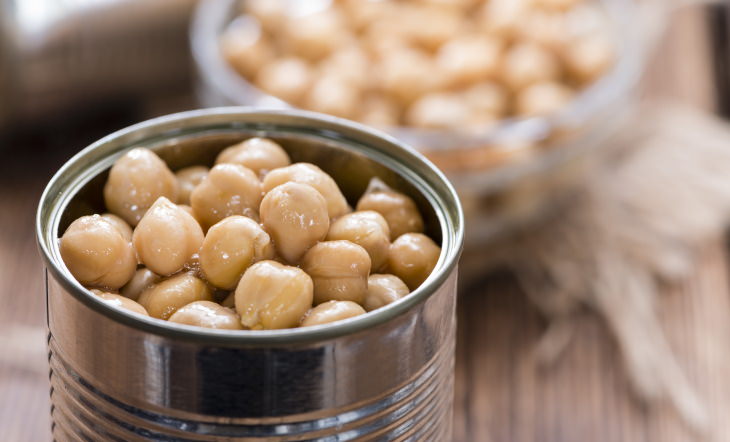
Best and Worst Foods to Buy Canned canned chickpeas
Legumes, namely beans, chickpeas, peas, and lentils are some of the best foods to buy canned. Canned legumes don't have a lower nutritional value than cooked ones, and using them from the can will actually save you a lot of time in the kitchen. These protein-packed foods are also incredibly versatile - you can easily add them to soups, chilies, stews, or you can even mash some chickpeas up to make homemade hummus. 
 
The only important point to look out in all savory canned goods is their sodium content, as it can be ridiculously high. Aim for less than 300 mg of sodium per serving. But all in all, canned legumes are a handy pantry staple. 
 
2. Fish
Canned fish is also an excellent choice, and you have a large variety to choose from - tuna, salmon, sardines, anchovies, or sprats are just some of the most obvious options. All of these fish varieties are high in protein and B vitamins, so they are guaranteed to become a positive addition to your salad or sandwich. After all, nothing beats a good tuna sandwich, and canned tuna is the easiest way to prepare one. 
 
Note: As with legumes, watch out for the sodium content of canned fish. 
 
3. Pureed or Crushed Tomatoes
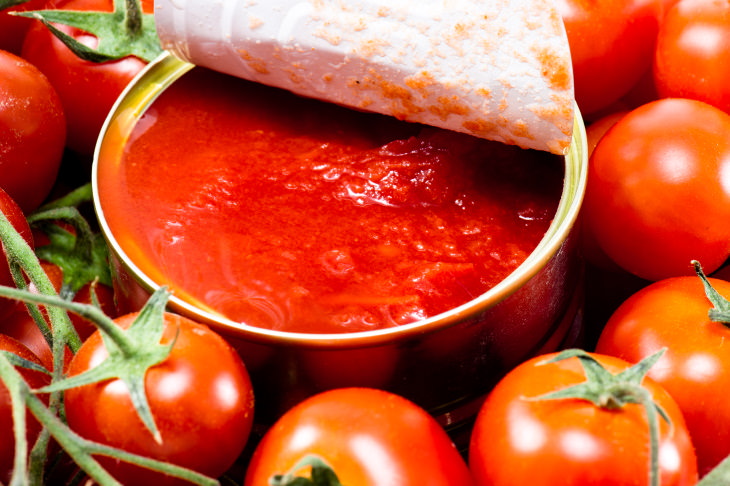
Best and Worst Foods to Buy Canned tomatoes
Pureed or crushed tomatoes are a no-brainer, and you'll be able to make a vast number of quick meals using them - a soup, a pasta sauce, a stew, a breakfast shakshouka, you name it. No dicing, peeling and pureeing needed, neither. You can also purchase tomato sauce or puree in jars or bottles, there is little difference in the product itself, but make sure to watch the sodium and sugar content in these products. 
 
Most definitely, canned tomatoes are among the most versatile food ingredients you can buy in stores, no wonder we featured it in a previous article titled 15 Versatile Ingredients You Should Always Have in the Kitchen. 
 
4. Corn
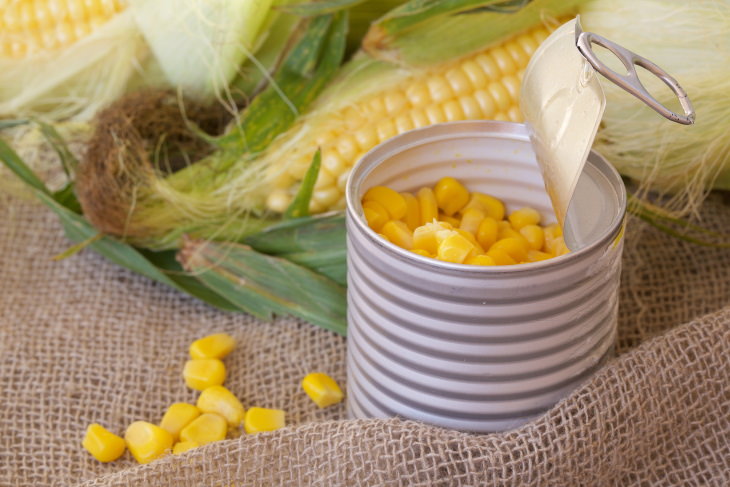
Best and Worst Foods to Buy Canned corn
Canned corn is another one of those canned foods that will diversify your meals, be it a salad, a soup, or a one-pot of sorts. The preservation process is also not altering the texture and taste of corn, and it's not reducing the excellent nutrient profile of this vegetable. This is why you'll find that canned corn has the same health benefits as cooked corn. 
 
5. Pureed Pumpkin Best and Worst Foods to Buy Canned pumpkin pie
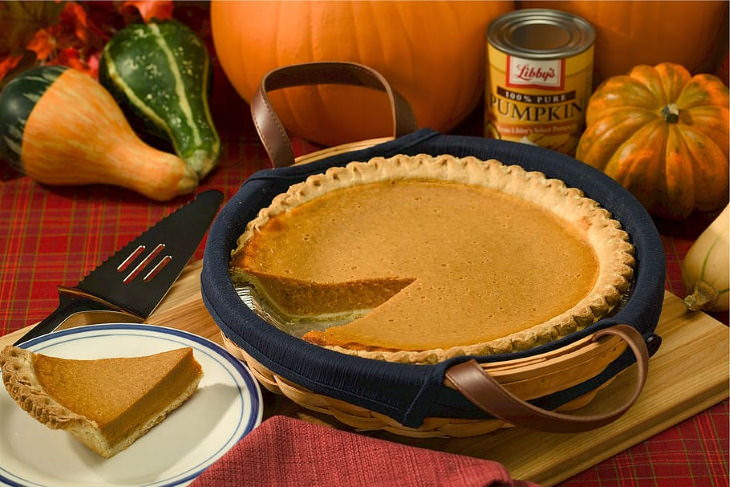
Prepping pumpkin is always my least favorite part of cooking, and it doesn't matter if I'm baking a pumpkin pie or making pumpkin soup. Luckily, pureed pumpkin is available pretty much at any store, and it can cut down the cooking time by at least an hour. Do make sure there are no added flavors or sweeteners before purchasing a can of pumpkin puree, though, since pure pumpkin puree is the most antioxidant-rich and healthy option. 
 
6. Condiments
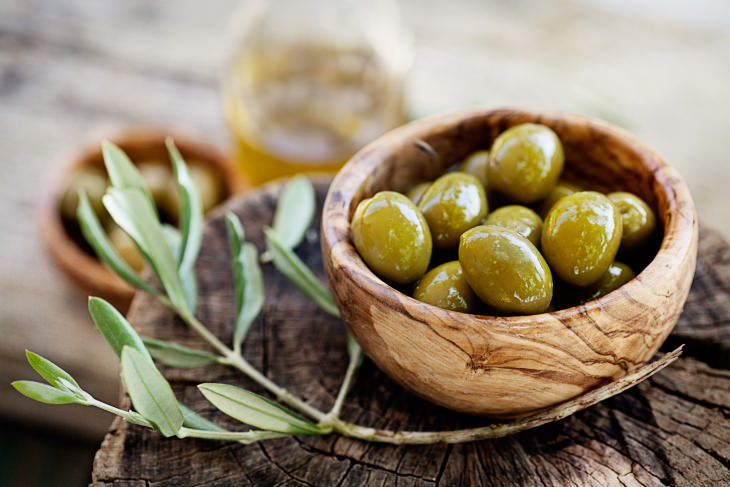
Best and Worst Foods to Buy Canned olives
If you're looking for an instant taste infusion to your meal, don't shy away from canned condiments, such as pickles, artichokes, olives, capers, or water chestnuts. These will work great as a topping to salads, a snack to serve on the side, an addition to sandwiches or a topping for the main dish. Capers, for example, make a deliciously savory topping for fish. Don't be afraid to experiment with these condiments, but make sure not to eat too much of them either, as most of these will be quite high in salt. 
 
7. Coconut Cream
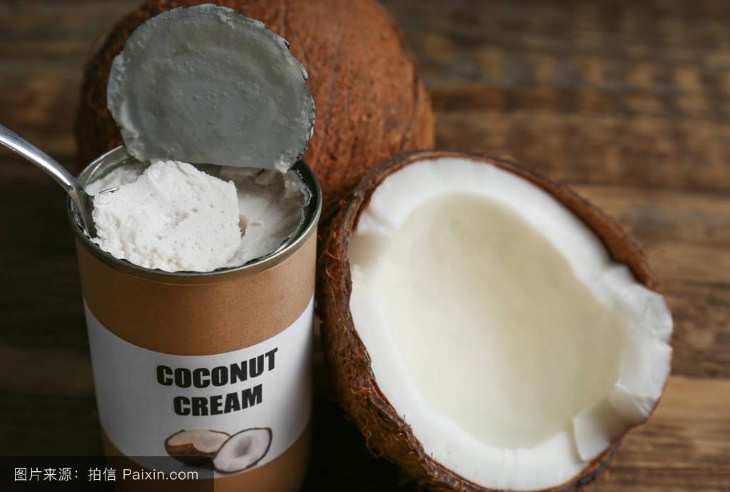
 Best and Worst Foods to Buy Canned coconut cream
Trust us, a can or two of coconut cream goes a long way in the kitchen. In addition to being an excellent dairy alternative with an insanely long shelf life and a reasonable price tag, it's indispensable for making the creamiest, most delicious curries and sauces to go with rice. You can even whip it up and make delicious coconut whip cream that works extremely well with practically any dessert and even in coffee. 
 
If you're watching your fat intake, you might also find it useful to know that full-fat coconut cream is comparable to light cream in terms of its fat content, and light coconut cream is the same as skim milk.
 
 
The Worst Canned Foods 
 
1. Soup
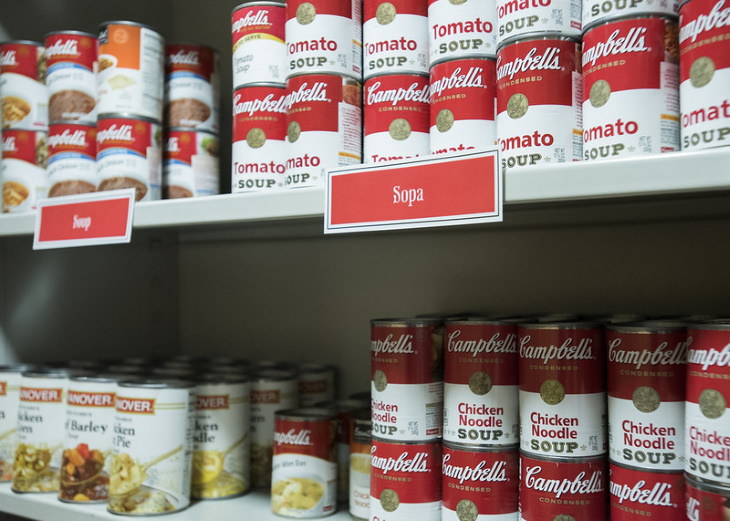
Best and Worst Foods to Buy Canned soup
Canned soups may save you some time, but it will be at the expense of your own health in the vast majority of cases. These highly-processed soups are typically full of preservatives, sweeteners, and many contain one's entire daily allowance of sodium and more saturated fats than you should have a day, all just in one can of soup! 
 
Honestly, it's much healthier, not to mention tastier, to add veggies, canned legumes, and fresh herbs into some chicken or vegetable stock and prepare your own soup it just 15-20 minutes.

2. Fruit
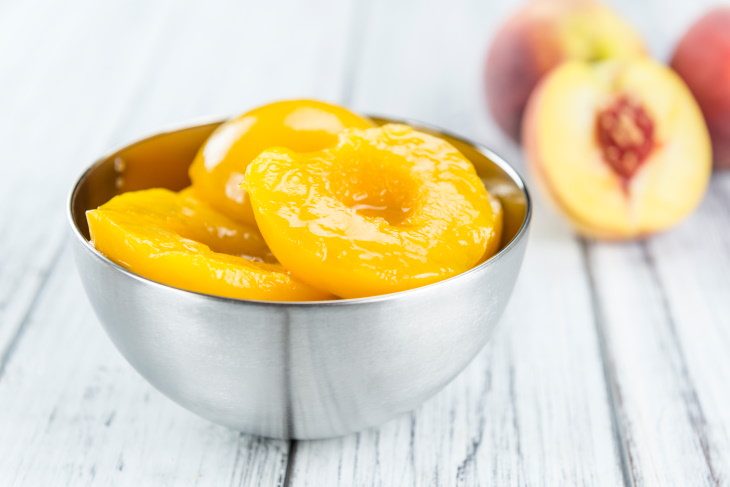
Best and Worst Foods to Buy Canned peaches
We all know that canned fruit are not the tastiest treat one can have, but did you know that these are more often than not loaded with added sugar as well? The package may state that the pineapple or peach slices are preserved in their own juices, but the truth is that most of these contain a lot of sugar. 
 
What's a good alternative? Both frozen, dried and fresh fruit are an excellent choice to consider, but if you're looking for something to store long term, frozen or dried (with no sugar added) fruit are obviously a better choice for you. 
 
3. Some Vegetables
Best and Worst Foods to Buy Canned green beans
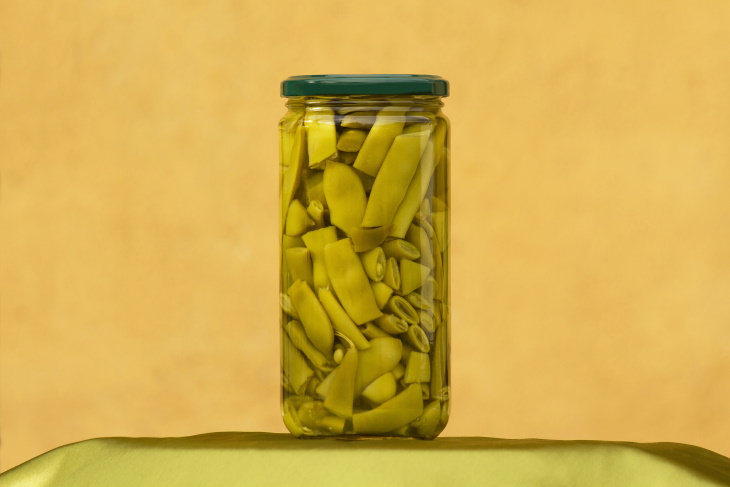
When it comes to certain canned vegetables, things can get a bit tricky. After the canning process, their taste and texture may become altered, which can make the meal a bit less flavorful and nutritious than one would expect. This is especially true when it comes to asparagus, green beans, and baby carrots.

Although everything boils down to personal preference, we say it's always nice to know that you have an alternative, namely frozen veggies, that have a similarly long shelf life, but a better taste and no added salt.  
 
4. Ready-made Meals
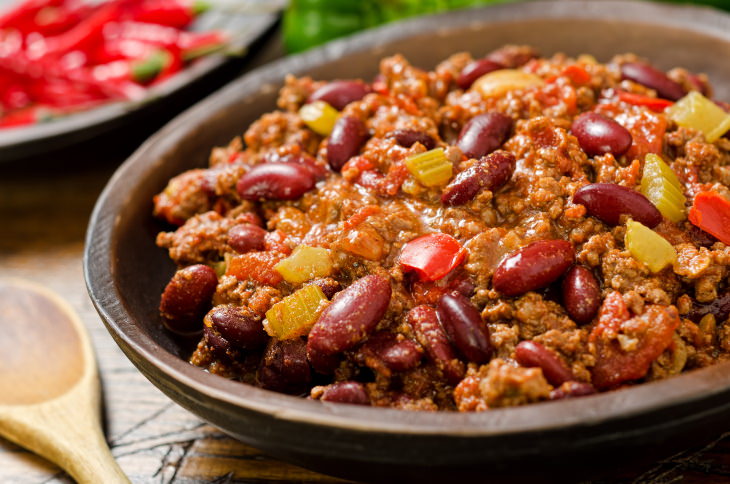
Best and Worst Foods to Buy Canned chili
Canned meals, such as canned chili, sloppy Joe, corned beef and the like, are another dangerous choice. First of all, let's face it, none of these choices use the freshest and highest quality meat, but that's not even the biggest problem. These foods are also sky-high in salt and preservatives, which is exactly why they can have such a long shelf life. 
 
In addition to that, many of these readymade meals will also be packed with saturated fats, which are known to contribute to cardiovascular issues. Generally speaking, it's just best to leave the canned foods that contain more than 3 g of saturated fat per serving on the shelf.

5. Processed Meats
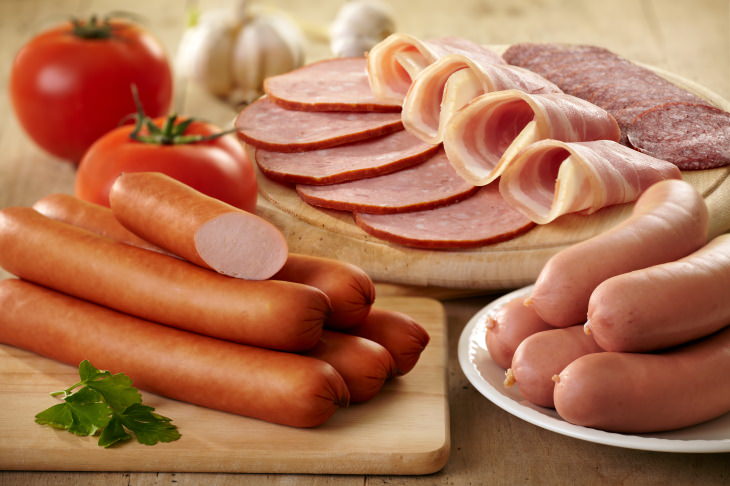
Best and Worst Foods to Buy Canned sausage
Processed meats are bad enough for you on their own, with things like liquid smoke, high animal fat content, and countless additives all making them not the best choice health-wise. Processed meat, such as sausages, ham, and bacon, has even been linked with several types of cancer, as well as cardiovascular issues. 
 
When these highly-processed animal-derived ingredients are further mixed with salty brine and preservatives, you can imagine that it doesn't make them any healthier. Virtually all of these foods contain saturated fats and salt in excess.

6. Pasta
Apart from being significantly inferior to any pasta you can cook up yourself with just some dried pasta, herbs and a can of crushed tomatoes in terms of its taste, canned pasta is also horrible for your health. Salt and sugar are in large quantities in these foods. 
 
While you can control how much salt or sugar you add to a homemade pasta sauce, you can't do that with these readymade options, and producers of these canned pastas add way too much of it in order to compensate for the lack of taste and texture in these products.  
 
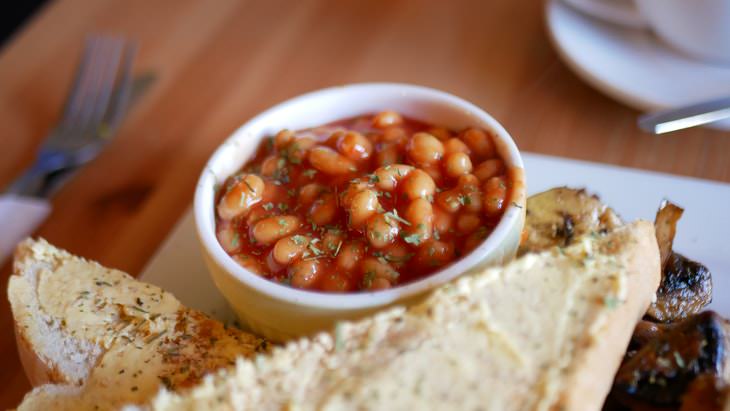
7. Baked Beans
Best and Worst Foods to Buy Canned Baked Beans
While canned beans in a low-sodium brine are an excellent high-protein choice, baked beans are less so. This is because tons of saturated fats, sugar, salt, and other additives, like the hormone disruptor BPA, are a common find in baked beans. 
 
Generally speaking, baked beans encompass all that is bad about canned foods in one package, transforming a healthy choice into a long-term health hazard. Instead of buying baked beans, make your own from canned beans, tomato sauce and the spices of your choice.


This is only for your information, kindly take the advice of your doctor for medicines, exercises and so on.     

https://gscrochetdesigns.blogspot.com. one can see my crochet creations  
https://gseasyrecipes.blogspot.com. feel free to view for easy, simple and healthy recipes    
https://kneereplacement-stickclub.blogspot.com. for info on knee replacement

Labels: , , , , , , , , , , , , , , , ,

Wednesday, May 20, 2020

The 7 Worst Foods for Your Brain

Your brain is arguably the most important organ in your body that you can’t live without, but the brain controls them all. And not only does it keep your heart beating and your lungs breathing all the time, it is also the repository of everything that makes you, you. All your thoughts, feelings, and memories originate or reside in the brain.

Obviously, it is important to keep this most vital organ happy and healthy. Proper nutrition can mean the difference between a clear head with a sense of purpose and a foggy head with a sense of desperation. As a lifelong habit, healthy eating also slows the rate of aging-related cognitive decline and reduces the risk of developing dementia.


On the flip side, there are foods that are just the worst for your brain. Indulge too often and you will likely experience confusion, low mood, and slowed reaction times. In a vicious cycle, a depressed brain has poor ability to make the right decisions in order to improve.

If you know you have some bad habits, it is time to start scaling back. Your brain won’t like a massive dietary overhaul all at once, and even though you know it’s the right choice, you’ll struggle to maintain it. Instead, remove the following 7 items from your diet one by one, making a gradual shift that will protect the health. Sure, there are several others h of your brain for the long haul. The easiest one to quit is probably #7.
 

1. Trans Fats
The good news is that not all fats are bad for you. However, a particular kind of fat called trans fat does have a detrimental effect on the brain. Trans fats are found naturally in animal products including meat and dairy, but even these are not as problematic as the industrially produced trans fats that get pumped into all sorts of packaged foods.

Otherwise known as hydrogenated oil, people who eat a lot of trans fat in the form of margarine, store-bought baked goods, chips and crackers, frozen and canned meals, and creamy beverages are at a greater risk for Alzheimer’s and dementia. Studies have shown that high consumption of trans fats also leads to earlier cognitive decline, lower brain volume, and poorer memory.
 

2. Sugary Drinks
Sugary drinks like soda, sports drinks, energy drinks, and even fruit juice have little to no nutritional value. Regular consumption of sugary drinks can lead to a whole host of physical impairments, including type 2 diabetes, high blood pressure, high cholesterol, and yes – Alzheimer’s disease or dementia.

A high intake of fructose, a mega-concentrated sweetener that’s found in many sugary drinks, has been shown to reduce learning ability, memory, overall brain function, and the formation of new neurons in the brain. It may also lead to increased inflammation in the brain, which negatively affects all types of brain function.
 

3. Refined Carbs
Refined carbohydrates are products made with processed grains. They may not necessarily taste sweet, but they break down into sugar in your body very quickly. That’s because the refining process strips all of the fiber and nutrition out of the original grain. A meal rich in refined carbs represents a high glycemic load that spikes your blood sugar.

That causes all the same issues as if you had eaten straight sugar, including memory impairment, inflammation, and a higher risk of developing dementia. Studies have shown that children who consume diets high in refined carbohydrates score lower on nonverbal intelligence tests. And elderly people who take in more than 58% of their daily calories in refined carbs have twice the risk of mental impairment and dementia than those who eat more whole grains, fruits, and vegetables.
 

4. Processed and Packaged Foods
Processed and packaged foods remove important nutrition from whole food and replace it with sugar, fat, and salt. This is our so-called Western diet, one which relies on convenience and fast foods over slow-cooked homemade meals. And we get it – people are busy and sometimes it just isn’t possible to make your own sauces, dressings, pastas, and baked goods.

However, it is important to cook with whole nutritious foods as often as you can swing it, because the Western diet is notorious for causing an accumulation of fat around the vital organs. This, in turn, is associated with damage to the brain tissue and a reduction in the brain’s volume. It may also cause disruptions to the blood-brain barrier, the membrane that is responsible for protecting the brain from harmful substances.

5. Alcohol
It’s probably no surprise that alcohol can harm the brain, considering how much stupid stuff people tend to do under the influence. Getting tipsy every once in awhile probably won’t cause permanent damage, but alcoholism and bouts of binge drinking absolutely can.

Chronic consumption of alcohol tends to shrink the brain and disrupt the neurotransmitters that your brain uses to communicate. Alcoholics also often experience a vitamin B1 deficiency, which can lead to the development of Korsakoff’s syndrome. That syndrome is responsible for severe brain damage that causes memory loss, confusion, unsteadiness, and intermittent loss of eyesight.
 

6. Fish High in Mercury
Fish in general is a healthy addition to your diet. It is low in saturated fat yet contains healthy omega-3 fatty acids as well as vitamin B12, zinc, iron, and magnesium. However, some fish is especially high in mercury, which is a heavy metal contaminant and neurological poison. Mercury stays stored in animal tissue (including human) for a long time.

Fish that are longer lived and predatory tend to have the highest concentration of mercury in their flesh. That’s because as long as they live, they are consuming other fish that contain lower levels of mercury. Over a lifetime, these fish can accumulate mercury levels of 1 million times the concentration in the water they swim in. It is best to avoid or seriously limit your consumption of tuna, swordfish, orange roughy, king mackerel, shark, and tilefish to prevent disruption of your brain’s neurotransmitters.


7. Aspartame
Unfortunately, it is not possible to avoid the harms of too much sugar by replacing it with an artificial sweetener – especially not aspartame. While producers of this sugar substitute swear that it is safe, several studies have linked aspartame to behavioral and cognitive problems. As a chemical stressor, it can cause deleterious effects on the ability to learn and regulate emotions.

In one study, just 8 days of a high-aspartame diet cause participants to score lower on mental tests and feel more irritable and depressed to boot. Another study revealed that people who drink a lot of diet soft drinks, which replace the sugar with artificial sweetener, have an increased risk of dementia or stroke. For now, the FDA says aspartame is safe, but also mandates warning labels on products that contain it.

Conclusion

There is no question that your diet plays a huge role in brain health over the course of your lifetime. Avoiding or seriously reducing your consumption of the 7 foods on our list can improve your cognitive abilities every day as well as into the future when your risk for Alzheimer’s and dementia increases.

In general, the more healthy whole foods you can eat, the better protected your brain will be. And a clear, happy brain will remind you of how much good you’re doing for your body, too. In the end, it’s worth it to be able to look back on your life and still have all of your good memories.


This is only for your information, kindly take the advice of your doctor for medicines, exercises and so on.     

https://gscrochetdesigns.blogspot.com. one can see my crochet creations  
https://gseasyrecipes.blogspot.com. feel free to view for easy, simple and healthy recipes    
https://kneereplacement-stickclub.blogspot.com. for info on knee replacement


Labels: , , , , , , , , , , , ,

Wednesday, April 22, 2020

Worst Foods to Eat While Battling a Fever

Fever is an illness that is characterized by an increase in body temperature. Sometimes, fever is just an indication of a more serious disease. 

One of the hardest things you need to do when you have a fever is to eat. But despite that, you need to eat to stay hydrated and to continue to supply your body with nutrients that you need.

There are good foods when you have a fever, and there are foods bad for the fever. Here are some of the foods to avoid when you have a fever.


#6 – Junk Foods
Even without fever, one must avoid or lessen the consumption of junk food and fast food because it has high-calorie content but contains fewer nutrients. The nutrients you need when you have a fever is lacking in these kinds of food. Junk foods such as chips and crackers have high quantities of monosodium glutamate which is bad for the body when taken in large amounts. Children are more prone to have a fever and unfortunately, they love to eat junk food. It is best to avoid the consumption of these foods to help quicken the pace of recovery.


#5 – Soft Drinks or Carbonated Drinks

Soft drinks are another food that shouldn’t be consumed when you have a fever. When you have a fever, you need to eat healthy foods to gain the proper nutrients you need. Carbonate drinks have no nutritional benefits which make it bad for a sick person. It contains lots of acids which is also bad when you have to drink medicine for a fever. Refrain from carbonated drinks but instead, drink lots of water to keep yourself hydrated to avoid more complicated diseases. Fighting a fever is a lot easier if you avoid these foods.


#4 – Spicy Foods

When you have a fever, your body temperature rises. When you eat spicy foods, your body temperature rises even more. That is the reason why you shouldn’t eat spicy foods when you have a fever. Lower down your body temperature so the fever will go away sooner.

#3 – Caffeinated Drinks

You have to keep your body hydrated while fighting a fever. There are drinks that you must avoid such as caffeinated beverages, namely coffee and tea. These drinks will dehydrate you rather than hydrate, and it will rob away the vitamin C from your body which is very important in regaining your health. Fighting a fever is easier without these drinks.


#2 – Oily Foods

As much as possible, never eat oily foods when you have a fever. You can have soup, fruits and vegetables. All these healthy foods will hasten your recovery. Oily foods should be decreased because they have fewer nutrients needed by your body.


#1 – Hard to Digest Foods

When you have a fever, make sure to not eat hard to digest foods because your digestive system is not working well enough when you have a fever. Hard to digest foods include beans, mashed potatoes and fried foods. Stick to soup and oats as they are easy to digest. Hard to digest foods are the worst foods you can consume when you have a fever.


This is only for your information, kindly take the advice of your doctor for medicines, exercises and so on.     

https://gscrochetdesigns.blogspot.com. one can see my crochet creations  
https://gseasyrecipes.blogspot.com. feel free to view for easy, simple and healthy recipes    
https://kneereplacement-stickclub.blogspot.com. for info on knee replacement

Labels: , , , , , , , , , ,