10 Common Foods That Are BAD for the Heart
“A healthy diet and lifestyle are your best weapons to fight
cardiovascular disease,” states the American Heart Association (AHA) on
their website. The message seems pretty straightforward, and research
supports the claim, pointing out that a heart-friendly diet can lower
the risk of heart disease by 31% according to the Harvard School of
Public Health. But what does it really mean to maintain a heart-healthy
diet?
Prioritizing whole foods, including plenty of fresh fruit and vegetables, as well as poultry and fish are the general recommendations you’ll find, which is simple enough, but when it comes to the foods we should avoid, things often get too vague. We are told to stay away from processed foods, trans fats, and consume less sodium, for example.
But people don’t eat nutrients, we eat food. And these directives don’t
tell us whether or not we should stay away or consume more pizza, orange
juice, ice cream, or canned beans (spoiler alert - it turns out we
should eat less of all of these foods). Therefore, we created a list of
10 main foods and drinks, not complicated nutrients, that are bad for
your health, so that you know what you shouldn’t eat and why, simply and
straightforward.
1. Sweet drinks
Examples of sweet drinks: juice (100% juice included), sweet tea, sweet coffee drinks, soda, energy drinks, sports drinks.
Why they're bad for the heart: You likely know that sugary drinks are bad for your teeth and should be
avoided by those at risk of diabetes. But the truth is that most of us
should limit how much juice, sweet tea or coffee, or soda we have
because these concentrated beverages can rapidly increase the level of
triglycerides in the blood.
Triglycerides are fats that contribute to the hardening of the blood
vessels and lead to arteriosclerosis — which, in turn, increases the
risk of stroke, heart attack, and heart disease according to the Mayo
Clinic, among other negative outcomes. Therefore, we should all drink
less of these sugary drinks if we wish for our heart and arteries to
stay healthy. The AHA recommends limiting one's intake of added sugar to
37.5 g (9 teaspoons) for men and 25 g (6 teaspoons) for women.
2. Condiments
Examples of condiments: ketchup, mayonnaise, mustard, Ranch dressing and other salad dressings, soy sauce, barbecue sauce.
Why they're bad for the heart: Are you customarily adding bottled
dressing to your salad? Doctors say that making a simple homemade
vinaigrette from 3 parts oil and 1 part vinegar or lemon juice is a much
healthier choice. This is because most of the bottled condiments, sweet
or savory, are packed with both excess sugar and salt. Just 1
tablespoon of ketchup, for example, can contain 3.7 g sugar and 154.2 mg
sodium.
Why is salt bad for the heart? It contributes to high blood pressure and
may increase one's risk of heart failure, which is why the AHA
recommends limiting one's daily sodium intake to 2.300 mg per day (about
1 teaspoon).
3. Fried foods
Examples of fried foods: French fries, potato chips, fried fish or chicken, tempura, onion rings.
Why it's bad for the heart: Frying can turn even the most healthy foods,
such as zucchini, broccoli, or shrimps into a meal oversaturated in fat
and salt. There's plenty of scientific studies that show how eating
fried foods can contribute to hypertension, obesity, and type 2 diabetes
- all major risk factors of heart disease.
According to a study published in the American Journal of Clinical
Nutrition, for example, eating fried foods frequently alone is capable
of increasing the risk of heart disease. Therefore, it's best to opt for
other cooking methods, such as boiling, steaming, baking, broiling,
grilling, or roasting.
4. Candy and sweetened dried fruits
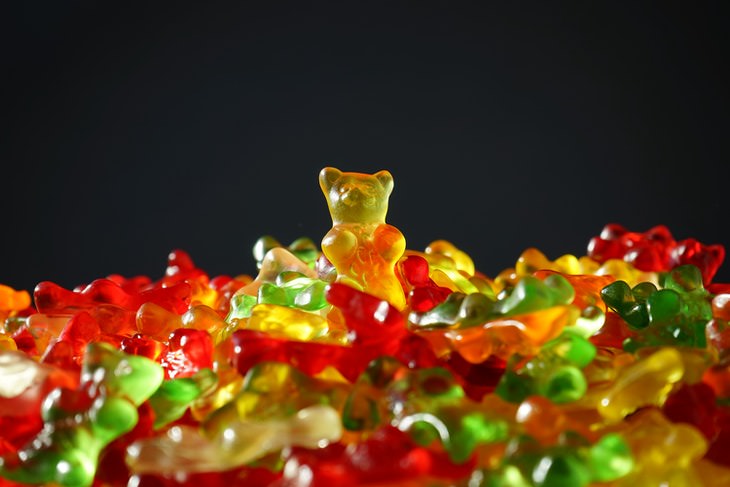
Examples of candy: gummy bears, jellybeans, licorice, milk chocolate, and any sweetened or candied dried fruit.
Why it's bad for the heart: Candy is yet another way excess sugar can
sneak into your body. Even if you think that you're eating a healthy
snack like candied strawberries or craisins, you may actually be harming
your heart and arteries. This is because many dried fruit are soaked in
a sugar syrup to make them sweeter, so make sure you're eating
unsweetened dried fruit if you like them as a snack.
The main problem with candy is that it rarely contains any beneficial
nutrients along with the sugar, unlike fresh fruit that's also rich in
fiber, vitamins, and other nutrients. So, essentially, all candy does is
increases your risk of developing diabetes, which in itself is a risk
factor for heart disease.
5. Alcohol
Examples of alcoholic beverages: beer, wine, whisky, alcoholic cocktails.
Why it's bad for the heart: Any type of alcohol can be bad for you, even
red wine, which is often confusingly recommended for people with
cardiovascular issues. When it comes to alcohol, moderation is key,
which is why the AHA recommends limiting one's daily drinking dose to 1
drink for women and 2 for men. This doesn't pertain to people with a
high triglyceride count or hypertension, though, as they should abstain
from alcohol completely.
Binge drinking, in turn, is known to lead to heart failure, high blood
pressure, strokes, and weight gain.
6. Baked foods
Examples of baked goods: croissants, white bread, baguettes, cookies, pizza, pastry, frozen dough.
Why it's bad for the heart: There are a few reasons why you should lay
off the baked goods if you want to keep your heart healthy, and one of
the main reasons is the inclusion of trans fats. Trans fats are
artificially created fats that are usually present in some shortenings
or margarine. It's common knowledge that we ought to avoid trans fats
completely and in 2015, the US Food and Drug Administration (FDA)
proclaimed trans fats unsafe, as they mess with the cholesterol balance
and lead to cardiovascular issues. Still, many margarine varieties,
especially the cheap ones still contain it.
When purchasing baked goods or frozen doughs and pastries, you may be
unknowingly ingesting these dangerous fats. Other foods known to contain
trans fats are popcorn and non-dairy coffee creamers.
In addition to that, baked goods are often a source of excessive
saturated fats that come from butter, cream, margarine, etc. According
to the Mayo Clinic, an average adult should eat no more than 11-13g of
saturated fat. These fats, too, can increase one's risk of heart disease
if consumed in excess. For your reference, an average butter croissant
contains 6.7g of saturated fats, which is about half of the daily
recommended intake.
Lastly, baked goods may also be the source of excessive sugar and may not be produced from whole grains (more on that later).
Related Article: Butter vs. Margarine: Which Is Healthier?
7. Canned fruit and vegetables
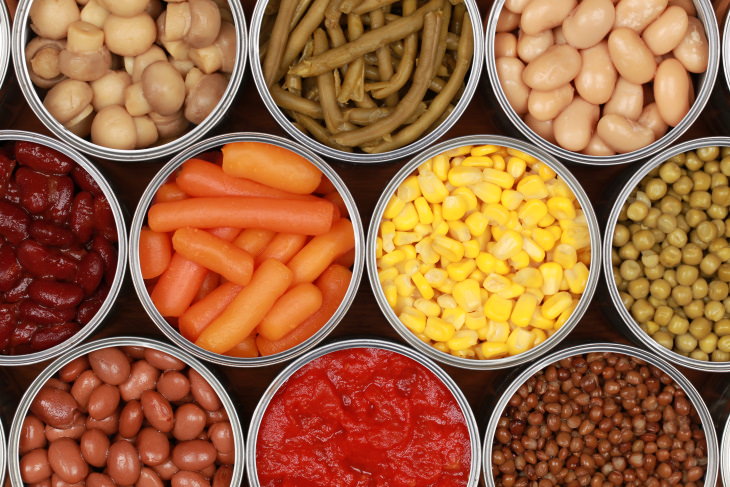
Examples of canned foods: canned tomato sauce, canned beans, corn, peas, or chickpeas, canned peaches or pineapples.
Why it's bad for the heart: Not all canned or prepared food is bad for
you, and we're definitely not urging you to abandon the convenience of
using these foods in your meals. Instead, simply be wary of the kind of
canned foods you buy and eat. This is because the main issue with canned
foods is not in the foods themselves, but rather in the brine they're
preserved in. In fact, Mayo Clinic points out the following, "much of
the salt you eat comes from canned or processed foods, such as soups,
baked goods, and frozen dinners".
So, controlling the sodium content of these foods is more important than
rationing salt when cooking. You can do that by searching for prepared
meals and canned goods that have the label "reduced sodium" or "low
sodium" on them. The same applies to canned fruit that's preserved in a
sugar brine - make sure they're labeled as low-sugar.
8. Refined grains
Examples of refined grains: white flour, white bread, white rice, pasta, rolled oats.
Why it's bad for the heart: Refined grains have been stripped of their healthy fiber, vitamins, and minerals in order to make them quicker to cook, and let's face it - tastier. The problem with these grains is that they're converted into sugar by our body way too quickly, which leads to insulin spikes and fat acquisition in the body. A bigger body weight, in turn, can lead to both heart disease and type 2 diabetes. According to a study from the International Journal of Clinical and Experimental Medicine, for example, a high intake of refined grains alone increased the risk of heart disease by 9.4%.
Of course, this is another reason to also decrease how many baked goods you eat, as most of them are made of white flour. The same applies to white rice and pasta that's not whole wheat. Doctors recommend eating at least half of your grains whole - such as brown rice, steel-cut oats, and whole wheat flour and bread.
9. Ice cream and full-fat sweetened yogurt
Why it's bad for the heart: These two foods deserve their own category, since we often don't think of them as an actual part of a meal, but a quick snack or dessert that "doesn't count". Except it does, as both can be a significant source of fat and sugar. Flavored yogurts, for example, are packed with added sugar, with just 100g of yogurt containing as much as 13g of sugar. Therefore, it's better to opt for plain low-fat yogurt instead - you can add in your own fruit and other toppings, after all.
As for ice cream, it, too, is full of sugar and saturated fat, so it can really drive up your triglyceride levels and could even potentially lead to a heart attack. If you ask us, that's a high price to pay for dessert, so it's best to opt for sorbet or low-sugar frozen yogurt instead and save the ice cream itself for a really special and rare occasion.
10. Cured and fatty meat
Examples of cured and high-fat meat: bacon, salami, sausages, ground
meat, hamburgers, pork chops, marbled meat.
Why it's bad for the heart: Let's unpack this one step by step and start with the excessive saturated fat certain meats contain - as we've mentioned previously, it's important to keep your intake of saturated fats low, so dietitians recommend opting for meat that has less than 10% fat in it. This means that bacon, marbled steak, hamburgers, and pork chops should be a holiday special, and the majority of your protein intake should come from lean red meat, or even better - poultry or fish.
As for the cured and processed meats, such as cold cuts, hot dogs,
bacon, ham, and salami, they are a separate danger by themselves
according to doctors. Not only are they capable of increasing your risk
of cancer, a 2020 study from the journal JAMA stated that processed meat
increased the risk of both heart disease and death. Another study, in
turn, found that the risk of coronary artery disease increases by 42% if
you eat processed meats. Therefore, it's safest to simply stay away
from processed meats altogether.