Monday, July 06, 2026

A Few Simple Diet Changes That Can Prevent Inflammation

Inflammation is a condition in which parts of the body become red, swollen, and hot. These symptoms, which are often accompanied by pain, are caused as a reaction to injury or infection. It's easy to spot inflamed areas when they are on the outside of the body. But what about internal inflammation? This can be caused by a number of reasons. One way to prevent and reduce it is to eat lots of foods that fight inflammation from within the body. 

For this reason, it is important to know which foods help you fight inflammation, and which are the ones that cause it. 

10 foods that cause inflammation


inflammation, anti-inflammation,

1. Sugar - It's incredibly hard to avoid sugar - we find it everywhere. However, a lot of it may cause inflammation, so it's important to control your intake of processed sugar and opt for sweet fruit instead. 

2. Common Cooking Oils - Safflower, soy, sunflower, corn, and cottonseed. These oils not only contribute to the onset of inflammation, but they are also made with cheap ingredients that are bad for your health. 

3. Trans Fats - Trans fats increase bad cholesterol, and promote inflammation, obesity and resistance to insulin. They are in fried foods, fast foods, and commercially baked goods, including peanut butter and items prepared with partially hydrogenated oil, margarine, and vegetable oil.

4. Red and Processed Meat - Red meat contains a molecule that humans don't naturally produce, called Neu5GC. Once you ingest this compound, your body develops antibodies that may trigger constant inflammatory responses. Reduce red meat consumption and replace it with poultry, fish and lean cuts of red meat, once a week at most. 

5. Feedlot-Raised Meat - Animals who are fed with grains like soy and corn are likely to experience inflammation. These animals also gain excess fat and are injected with hormones and antibiotics. Always opt for organic, free-range meats that have been fed natural diets. 

6. Dairy - While some yogurts are okay, the body generally has a hard time processing dairy products. Milk is a common allergen that may cause inflammation, stomach problems, skin rashes, hives and even breathing difficulties. Remember, milk is good for children but not as great for adults.

7. Alcohol -
Regular consumption of alcohol causes irritation and inflammation to numerous organs, which can lead to cancer. 

8. Refined Grains - "Refined" products have no fiber and have a high glycemic index. They are everywhere: white rice, white flour, white bread, pasta, pastries... Try and replace with minimally processed grains.

9. Artificial Food Additives - Aspartame and MSG are two common food additives that can trigger inflammation responses. Try and omit them from your diet completely. 

10. Undiagnosed Allergy - Do you constantly have headaches or feel tired? Sometimes, you may develop an allergy to a type of food and not even know it. Coffee, certain vegetables, cheese - they might be a trigger you aren't even aware of. Try and take a few foods out to see how you feel. Slowly incorporate them back in to see if there might be a hidden culprit lurking in your diet! 

10 foods that naturally fight inflammation

 
1. Salmon -
Salmon contains Omega-3 amino acids and has been known to treat a multitude of health issues. If you don't like eating fish, you can try a good, high-quality supplement. Try and integrate fish oil or oily fish into your meals twice a week to reap its benefits. 

2. Garlic - Although garlic is more well-known, research is actually a bit more inconsistent about its benefits. But it can help reduce inflammation, control blood sugar and fight infections. 

3. Extra Virgin Olive Oil - This oil has been the key to longevity in Mediterranean cultures for hundreds of years. The oil provides healthy amounts of anti-inflammatory fats and can lower the risk of asthma and arthritis, as well as protect the heart and blood vessels.

4. Sweet Potato - Complex carbs, beta-carotene, vitamins B6 and C, and fiber - these potatoes will work to heal inflammation raging through the body.

5. Blueberries -
These berries not only fight inflammation, but are also excellent anti-aging agents for the brain and, above all, they fight diseases like cancer and dementia. 

Tip: Best to go for organic berries, as regular berries' small size makes it hard to wash away the pesticides. 

6. Kelp - This brow algae extract has important roles to play in the prevention and treatment of liver and lung cancer. It's also a strong anti-inflammatory agent, anti-tumor, and antioxidant. This one does it all. Good sources for kelp are kombu, wakame, and arame.

7. Ginger -
Regular ginger contains a multitude of potential health benefits. It fights inflammation, it helps control your blood sugar levels, and as a tea - it's really good for your diet. 

8. Turmeric - Research is constantly mentioning the benefits of this powerful spice from Asia, which is a strong contender in the anti-inflammatory ring, thanks to its active ingredient - curcumin. This strong ingredient is believed to also fight against the development of Alzheimer's disease, counter heart problems, and act as a natural pain reliever.

9. Green tea -
There are few drinks proven to be healthier than green tea. It contains so many anti-inflammatory flavonoids, that drinking it is actually said to lower the risk of certain cancers. 

10. Cruciferous Vegetables - Broccoli, Brussel sprouts, kale, and cauliflower are all vegetables that are loaded with high amounts of antioxidants. They are considered natural detoxifiers and can rid the body of harmful materials.

The Pyramid of Anti-Inflammatory Foods
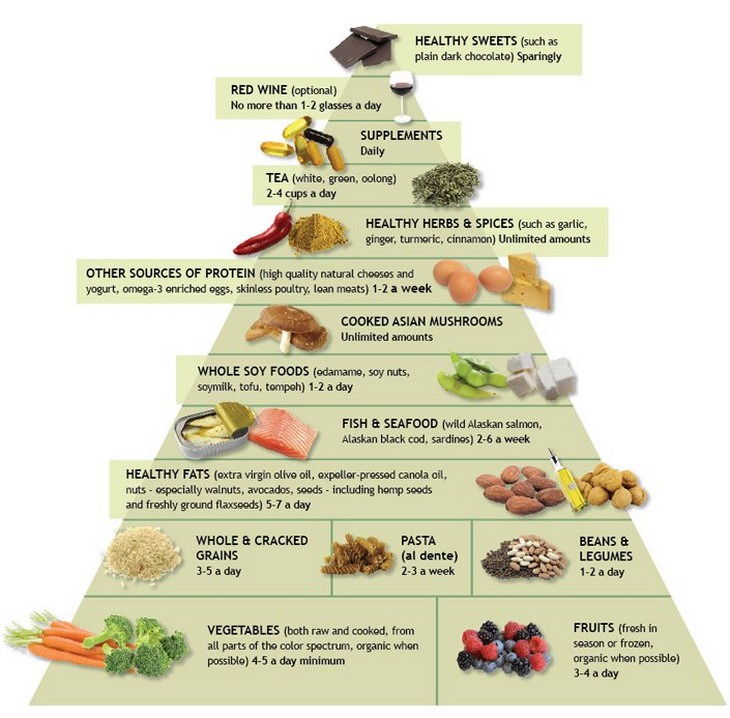

inflammation, anti-inflammation,


This is only for your information, kindly take the advice of your doctor for food, medicines, exercises and so on.   


Labels: , , , , , , , , , , , ,

Monday, January 27, 2020

MSG Turns Out to Be Way More Common Than You Thought

The theory of MSG being unhealthy has been circulating for quite some time, and there have been many discussions over the degree of its truthfulness. More recent research even claims that it might actually be good for you (find out more here). MSG is declared safe for consumption by the FDA, and yet, there is still a small minority of people who report having high sensitivity to it (symptoms include headaches and nausea after consumption). 

Regardless of your stance, the bare facts are that MSG is found in way more products than you might think, especially processed foods. So, how exactly do we consume it daily, without even realizing it?


What Exactly is MSG?
First things first. MSG is short for monosodium glutamate - the salt of glutamic acid, a nonessential amino acid. It is naturally found in food sources like tomatoes, cheese, breast milk, seaweed and soy. When extracted and fermented, it becomes the MSG food additive.

It is known to be an enhancer of umami, also referred to as the fifth taste. It is the unique meaty, savory flavor associated mostly with broths, soups, mushrooms, fish, etc. Umami flavor is not as easy to enhance as sweetness or saltiness, and MSG is one of the solutions (despite the controversy around it).

Glutamic acid itself does not have a flavor, but MSG in food activates certain receptors in the taste buds. The taste buds, in turn, transmit signals to the brain, causing the characteristic taste.

Many will associate the use of MSG with Chinese restaurants and Asian food in general, but it is certainly more widespread than that, according to nutrition experts.  


What Foods Contain MSG?
1. Fried Chicken
One of the most prominent users of MSG is KFC. The fast-food chain is known for its ’11 herbs and spices’ recipe, which gives their fried chicken its distinctive taste. MSG is certainly one of them. It is found in their grilled chicken, gravy, and potato wedges as well. Of course, KFC is not the only fast-food chain to use MSG. There are plenty of others, big and small, especially those who specialize in meat.


2. Theater Popcorn
The reason homemade popcorn doesn’t taste like theater popcorn is that the latter is drizzled with melted butter and sprinkled with MSG. The reason movie theaters can be so liberal about what goes into the popcorn (MSG might not even be your biggest concern…) is that unlike bagged popcorn, they are under no obligation to display a nutrition label. 


3. Pizza
Research privately conducted by food blogger Vani Hari in 2015 revealed that many big pizza chains pack their pizzas with hidden MSG. Hidden MSG is such that it is not directly listed in the ingredients, but is contained in other ingredients that are listed. Anything with the word "hydrolyzed" is often code for MSG content.
If you’d like to avoid that, you might opt for organic pizza joints or even homemade pizza. 


4.  Seasoning
While MSG is a seasoning in and of itself, it is also a part of many packaged seasonings sold in grocery stores. To be sure that your seasoning is free of MSG, you’ll need to check the packages individually for sodium glutamate.


5.  Soup  
Canned, powdered, or bouillon cubes - the secret ingredient that gives these instant store-bought soups their rich taste is no other than MSG. It is important to note that Campbell's has actually pledget to remove MSG alongside other additives from its products by the end of 2018.


6. Pringles

Just about all flavored Pringles contain MSG. In case you’re a Pringles fan who would like to avoid MSG, you might be happy to know the Salt and Vinegar flavor does not contain it.


7. Salad Dressing
Similar to the hidden MSG case of pizza, many bottled salad dressings include spices and seasoning which contain MSG, hidden in the ingredient list on the bottled dressing.


This is only for your information, kindly take the advice of your doctor for medicines, exercises and so on.     
https://gscrochetdesigns.blogspot.com. one can see my crochet creations  
https://gseasyrecipes.blogspot.com. feel free to view for easy, simple and healthy recipes    
https://kneereplacement-stickclub.blogspot.com. for info on knee replacement


Labels: , , , , , , , ,

Friday, January 24, 2020

Fight Back Against Edema (Water Retention) with These 6 Methods

When fluid accumulates in the circulatory system’s cavities and tissues, uncomfortable swelling manifests in the legs, feet, ankles, and hands. This water retention, otherwise known as edema, is a common medical complaint suffered by pregnant women, people who are largely inactive, are on long-term medication, bedridden, or lead a sedentary lifestyle. An edema is not considered life-threatening in itself, though it could be a sign of such a serious issue (for example kidney disease or heart failure). Fortunately, most of the time edema is preventable, treatable and any uncomfortable swellings can be reduced. 
 

Here are 6 of the most common causes of edema and some excellent tips on how to avoid or remedy the condition:
1. Excessive Sodium Intake
water retention, edema, swelling
The body begins to retain water in ‘reserve mode’, when we consume too much high-sodium food and drink too little water. To help deal with and dilute the salt in our system, body cells enlarge themselves by up to 20 times, with water. Eating too much salt in itself is not the only cause of high sodium levels since many canned vegetables, sauces and processed meat also contain a lot of salt too.

Try: Amazingly there is a salt that will not cause your body to retain water, but reverse the situation. Drinking a glass of water with either Celtic sea or Himalayan salt has been shown to help reverse edema.
2. Vitamin B6 deficiency
Vitamin B6 actually controls our body’s water balance. Thus, if we don’t get enough of this vitamin, we may be at risk of water retention and swelling. One study has found that women suffering from PMS related edema benefited greatly from consuming vitamin B6. The benefits were much greater than those to be gained from any other supplement. Because B6 is water-soluble, it works better taken from whole foods.

Try: Some of the best foods you can eat for increased vitamin B6 include the following: bananas, lean beef, turkey, chicken, tuna, potatoes (unpeeled), pistachios, dried fruit and sunflower seeds. 

3. Potassium deficiency
water retention, edema, swelling
Potassium is also necessary for maintaining the body’s water balance, being an electrolyte that controls cell, tissue and organ functioning. Potassium levels dip as a result of not eating foods rich in the substance, profuse sweating after exercise, and eating sodium-rich foods. Edema often occurs if potassium levels are not properly maintained.

Other problems that may result as a consequence of potassium deficiency may include muscle spasms, cramps, and weight gain. Potassium, then, can reduce edema by keeping sodium levels down and boosting urine production.

Try: Rather than relying on potassium supplements, it would be better to maintain a diet of potassium-rich fruits (and vegetables). Most fruits, in particular, will provide you with plenty of the nutrient, yet the highest amounts are said to be found in rock melon, honey melon, and watermelon.
4. Dehydration
You may be surprised to find that a lack of water causes water retention and swelling. This occurs as the body desperately tries to retain as much water as possible in order to stay alive. This situation can be prevented by drinking water regularly, as well as juices that are rich in potassium.

Try: Avoid drinks that tend to dehydrate your body, such as soda pops and coffee, while drinking lots more water until the edema subsides.
5. Magnesium Deficiency
water retention, edema, swelling
Magnesium deficiency also frequently causes water retention. Because it is needed for so many body functions, low levels of Magnesium stop many body functions from working. One study has shown that around 200 mg of daily magnesium can lower the water retention of women suffering from PMS.

Try: Reduce edema by eating more magnesium-rich food or take good quality magnesium supplements. Such foods that are rich in magnesium include the following: dried fruits, yogurt, spinach, peas, whole grains, nuts, avocados, dark green vegetables and dark chocolate.
6. Excessive consumption of Processed Foods
water retention, edema, swelling
Processed foods are both rich in sugar and sodium, and contain a lot of food additives that damage the liver and kidneys. Certain sugar-rich foods, like those in artificial sweeteners, causes rapid blood sugar and insulin spikes. These results cause increased sodium retention, which itself is bad news for water retention.

Always try to keep away from processed foods. To keep your liver working well and to stave off other potential health issues, use juices to help detox your body if you have been consuming too many processed foods.

Try: When it comes to improving your body’s condition with regard to water retention, the following herbs have been shown to be useful, thanks to their strong diuretic qualities: parsley, fennel, garlic, hibiscus, nettle, corn silk, and horsetail.

This is only for your information, kindly take the advice of your doctor for medicines, exercises and so on.     
https://gscrochetdesigns.blogspot.com. one can see my crochet creations  
https://gseasyrecipes.blogspot.com. feel free to view for easy, simple and healthy recipes    
https://kneereplacement-stickclub.blogspot.com. for info on knee replacement


Labels: , , , , , , , , , , , , , , , ,