Thursday, April 24, 2025

Pink Himalayan Salt is Going to Truly Change Your Diet

 Salt is an ingredient many of us can't do without when it comes to cooking, and rightly so: food without salt can sometimes be tasteless. Although salt is also essential to our health, we all know that in excess it can bring about serious health conditions and diseases. Thankfully, there's a healthy alternative to regular table salt that we highly recommend you try, and this is Pink Himalayan salt. 

What is Pink Himalayan Salt?

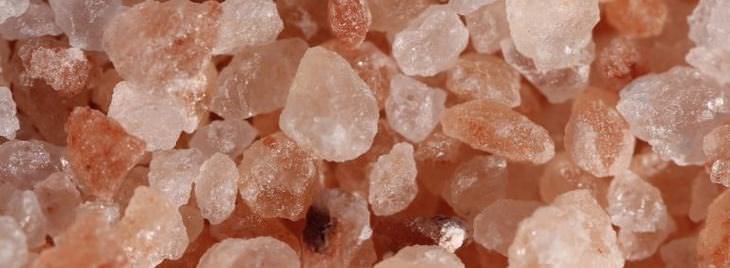
Pink Himalayan salt, also known as 'white gold', is a rock salt that is naturally found in a non-polluted area deep within the Himalayas. It is known for its striking properties, as it contains 84 natural elements and minerals that are indispensable to our health. These include magnesium, potassium, calcium, chloride, phosphorus and iron. It also contains zinc, selenium, iodine and copper, and has traces of iron oxide (rust), which gives it its pink tinge. 
 
Unlike regular table salt, Himalayan salt is completely natural, and contains no added chemicals or additives. For this reason, it is considered to be a healthy salt. It is commonly sold as coarse grains, or even as large blocks, although finely grained versions are available.

What are the health benefits?
 
Himalayan Salt, pink, health
Consuming Pink Himalayan salt brings a multitude of surprising health benefits to our body. Here are some: 
• It controls the levels of water within the body; 
• It regulates blood pressure; 
• It balances the body's pH; 
• It helps with blood sugar regulation; 
• It aids absorption of nutrients in the intestinal tract while supplying the body with sufficient energy; 
• It promotes vascular health, bone strength and respiratory function; 
• It prevents muscle cramps; 
• It nurtures the kidneys and gall bladder; 
• It regulates healthy sleeping patterns; 
• It wards off signs of aging; 
• It supports your libido. 
 
Having said this, it is still very important to watch your salt intake. Just like other salts, Pink Himalayan salt may contain some traces of aluminum, lead and toxic metals, so make sure you always maintain a balance (learn more about this below). 
 
Why should I prefer it to table salt?
Table salt is a highly processed type of salt, which can act as an 'invader' to the human body when it is turned into sodium chloride. It is widely known that this is the main cause of high blood pressure and water retention, and it can also bring about tissue irritation. Because it affects the balance of fluids in our body considerably, it causes the body to waste a great deal of energy in order to bring it back to normal. 
 
In fact, for every gram of sodium chloride that is ingested, our body uses about 20 times the amount of cellular water in order to neutralize it. As a result, this can lead to health conditions such as rheumatism, arthritis, cellulite, and kidney and gall bladder stones. For these reasons, Himalayan salt is very often the healthier option. This type of salt is natural and hence easier on the body when it comes to metabolism and energy usage. Apart from this, it is found to have positive effects on the nervous system and is an excellent source of energy for our bodies.

How much Himalayan Pink Salt should I consume?
 Himalayan Salt, pink, health
 
Sodium is found in every type of salt, and this is why we should be careful not to consume more than we should, even when it comes to Himalayan salt. Excess intake of any salt can lead to water retention, high blood pressure and heart disease, and while the risk is less for Himalayan salt, it still doesn't exclude the fact that you should be cautious. 
 
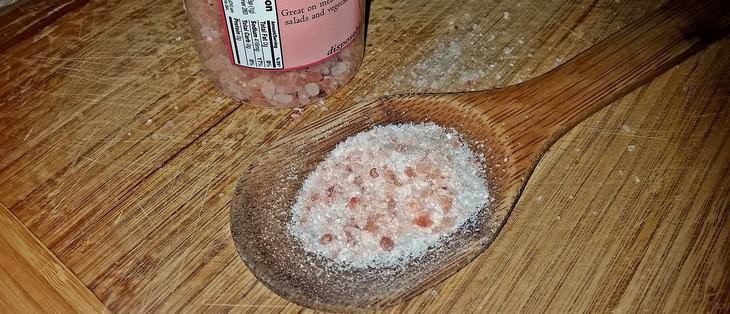
Consider the facts: According to the American Heart Association, we shouldn't consume more than 1,500 milligrams of sodium daily. In reality, the body can function on just 500 milligrams a day, but an average American consumes a shocking 5,000 milligrams - far exceeding the limit. The ideal amount of Himalayan salt would be a quarter-teaspoon, which contains 500 milligrams of sodium. This allows one to use it a little more freely than regular table salt. 
 
Another way of using it: Himalayan Salt Lamp
 
Himalayan Salt, pink, health
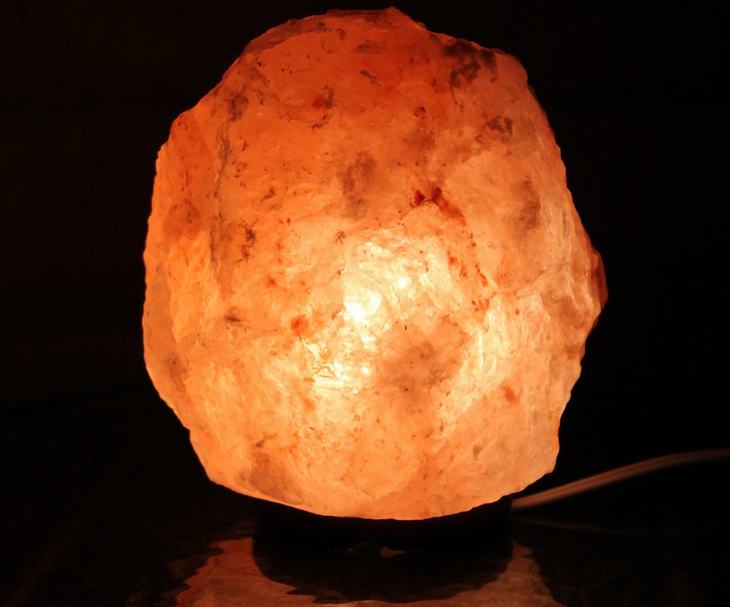
There's another great way Himalayan salt can be used, besides consuming it. People have found that lighting up a block of this salt, to form a so-called Himalayan Salt Lamp, can transform a room both chemically and physically. Apart from being aesthetically pleasing and calming, it is also said to have some unique healing effects.


This is only for your information, kindly take the advice of your doctor for medicines, exercises and so on.   

Labels: , , , , , , ,

Friday, January 24, 2020

Fight Back Against Edema (Water Retention) with These 6 Methods

When fluid accumulates in the circulatory system’s cavities and tissues, uncomfortable swelling manifests in the legs, feet, ankles, and hands. This water retention, otherwise known as edema, is a common medical complaint suffered by pregnant women, people who are largely inactive, are on long-term medication, bedridden, or lead a sedentary lifestyle. An edema is not considered life-threatening in itself, though it could be a sign of such a serious issue (for example kidney disease or heart failure). Fortunately, most of the time edema is preventable, treatable and any uncomfortable swellings can be reduced. 
 

Here are 6 of the most common causes of edema and some excellent tips on how to avoid or remedy the condition:
1. Excessive Sodium Intake
water retention, edema, swelling
The body begins to retain water in ‘reserve mode’, when we consume too much high-sodium food and drink too little water. To help deal with and dilute the salt in our system, body cells enlarge themselves by up to 20 times, with water. Eating too much salt in itself is not the only cause of high sodium levels since many canned vegetables, sauces and processed meat also contain a lot of salt too.

Try: Amazingly there is a salt that will not cause your body to retain water, but reverse the situation. Drinking a glass of water with either Celtic sea or Himalayan salt has been shown to help reverse edema.
2. Vitamin B6 deficiency
Vitamin B6 actually controls our body’s water balance. Thus, if we don’t get enough of this vitamin, we may be at risk of water retention and swelling. One study has found that women suffering from PMS related edema benefited greatly from consuming vitamin B6. The benefits were much greater than those to be gained from any other supplement. Because B6 is water-soluble, it works better taken from whole foods.

Try: Some of the best foods you can eat for increased vitamin B6 include the following: bananas, lean beef, turkey, chicken, tuna, potatoes (unpeeled), pistachios, dried fruit and sunflower seeds. 

3. Potassium deficiency
water retention, edema, swelling
Potassium is also necessary for maintaining the body’s water balance, being an electrolyte that controls cell, tissue and organ functioning. Potassium levels dip as a result of not eating foods rich in the substance, profuse sweating after exercise, and eating sodium-rich foods. Edema often occurs if potassium levels are not properly maintained.

Other problems that may result as a consequence of potassium deficiency may include muscle spasms, cramps, and weight gain. Potassium, then, can reduce edema by keeping sodium levels down and boosting urine production.

Try: Rather than relying on potassium supplements, it would be better to maintain a diet of potassium-rich fruits (and vegetables). Most fruits, in particular, will provide you with plenty of the nutrient, yet the highest amounts are said to be found in rock melon, honey melon, and watermelon.
4. Dehydration
You may be surprised to find that a lack of water causes water retention and swelling. This occurs as the body desperately tries to retain as much water as possible in order to stay alive. This situation can be prevented by drinking water regularly, as well as juices that are rich in potassium.

Try: Avoid drinks that tend to dehydrate your body, such as soda pops and coffee, while drinking lots more water until the edema subsides.
5. Magnesium Deficiency
water retention, edema, swelling
Magnesium deficiency also frequently causes water retention. Because it is needed for so many body functions, low levels of Magnesium stop many body functions from working. One study has shown that around 200 mg of daily magnesium can lower the water retention of women suffering from PMS.

Try: Reduce edema by eating more magnesium-rich food or take good quality magnesium supplements. Such foods that are rich in magnesium include the following: dried fruits, yogurt, spinach, peas, whole grains, nuts, avocados, dark green vegetables and dark chocolate.
6. Excessive consumption of Processed Foods
water retention, edema, swelling
Processed foods are both rich in sugar and sodium, and contain a lot of food additives that damage the liver and kidneys. Certain sugar-rich foods, like those in artificial sweeteners, causes rapid blood sugar and insulin spikes. These results cause increased sodium retention, which itself is bad news for water retention.

Always try to keep away from processed foods. To keep your liver working well and to stave off other potential health issues, use juices to help detox your body if you have been consuming too many processed foods.

Try: When it comes to improving your body’s condition with regard to water retention, the following herbs have been shown to be useful, thanks to their strong diuretic qualities: parsley, fennel, garlic, hibiscus, nettle, corn silk, and horsetail.

This is only for your information, kindly take the advice of your doctor for medicines, exercises and so on.     
https://gscrochetdesigns.blogspot.com. one can see my crochet creations  
https://gseasyrecipes.blogspot.com. feel free to view for easy, simple and healthy recipes    
https://kneereplacement-stickclub.blogspot.com. for info on knee replacement


Labels: , , , , , , , , , , , , , , , ,

Sunday, December 15, 2019

Is black salt better than regular salt?


Black salt, known as kala namak in hindi is a commonly used ingredient in many Indian cuisines. Its unique flavour enhances the taste of many dishes. The popularity of salt is also because of the several health benefits it provides.
But is black salt better than regular salt? Read on to know more:

What is black salt ?

There is a huge variety of black salts available in the market but the Himalayan black salt is the most common one. Himalayan salt is rock salt that comes from salt mines of the Himalayas. It was first used in Ayurvedic medicines due to its therapeutic qualities. Though we call it black salt, the colour of the salt is pinkish-brown.
Different types of black salt


Himalayan black salt

Himalayan black salt also called kala namak or Indian black salt has been known to have medicinal properties. It has a pungent and savoury flavour and is commonly used in cooking Indian cuisines. It is also used in making vegan dishes to provide an egg-like flavour due to its subtle sulphurous aroma.

​Himalayan lava salt

Black lava salt is Hawaiian salt and it usually comes from Hawaii. The salt has a deep black colour, just like the name suggests. The salt has an earthy flavour and is sprinkled on food at the end of cooking. It makes a good addition to the dishes that have a smoky flavour as the salt itself has a mild smoky taste.

Black ritual salt

Black ritual salt is also referred to as witches salt and is a mixture of sea salt, charcoal, ashes and some black dye. This salt is not for consumption.
Though there is no scientific evidence, people believe that black ritual salt can protect one against the spirits. People sprinkle it in their yard or keep it in a jar under their beds. Though the practice is harmless, there is no science-backed evidence for the same.


Difference  between black and regular salt

Black salt and white salt don’t just look different but there is a huge difference in their taste as well.
Traditionally, black salt was a mix of herbs, seeds and spices heated at a high temperature. Today black salt is also made synthetically from a combination of sodium chloride, sodium sulphate, sodium bisulphate and ferric sulphate. This mixture is then mixed with charcoal and heated to make the final product.
Black lava salt was traditionally made from volcanic lava. Nowadays it is made by blending sea salt and activated charcoal.
The regular table salt that you use every day is highly processed and refined and most of the trace minerals are removed. 


​Why you should choose black salt over table salt

Black salt has less sodium than regular salt
The regular table salt, the one that you find in the salt shaker may have higher sodium content than the naturally derived black salt. Thus, black salt is good for people with high blood pressure.
Don’t forget to check the sodium content while buying the black salt as some varieties may be high in sodium.

Black salt has fewer additives than regular salt

The traditional black salt goes through less processing and thus has fewer additives. Anti-caking agents are added to regular salt to avoid the formation of lumps. These anti-caking agents can be harmful to your health.
Some table salt varieties may also contain harmful additives like potassium iodate and aluminium silicate.
However, not all additives are bad. For example, iodine found in table salt is a great effort to reduce the rates of iodine deficiency, which is very common in many parts of the world.

Claims about Himalayan salt
It is claimed that Himalayan black salt contains more minerals than the regular table salt. It is also believed to improve digestion and relieve gas and bloating. Due to the mineral content, the black may improve skin and hair health. Though there is no evidence to support all these claims.

Conclusion

The minerals in black salt are not easily absorbed as they are insoluble. Plus, the black salt available in the market is sometimes synthetically made. But because black salt has fewer additives than regular salt, it might be a better choice.
It’s best to consume salt in moderation, no matter what type is it. No one should consume more than 2,300 mg, which is one teaspoon of salt in a day.
 

this is only for your information, kindly take the advice of your doctor for medicines, exercises and so on.     
https://gscrochetdesigns.blogspot.com. one can see my crochet creations  
https://gseasyrecipes.blogspot.com. feel free to view for easy, simple and healthy recipes    
https://kneereplacement-stickclub.blogspot.com. for info on knee replacement


Labels: , , , , , ,

Wednesday, October 09, 2019

Health Benefits Of Himalayan Salt

Imagine everyone sitting down for a big family feast. The best china set gently upon silk cloth, crystals brimming with fresh apple-cinnamon-ginger juice. An array of baked, steamed and sautéed vegetables decorate the table. Suddenly Grandma reaches for the salt, startled she rears back and exclaims, “Why is the salt PINK?!”

Oh, Grandma, “It’s Himalayan salt, and it’s wonderful!”

Origins

The Himalayan mountain range stretches across Asia passing through China, Nepal, Myanmar, Pakistan, Bhutan, Afghanistan, and India. Most people associate the Himalayans with Mount Everest, the highest peak on this planet, but here is something new to think about- salt.

Once upon a time (a couple of hundreds of millions of years ago) crystallized sea salt beds, now deep within the Himalayans, were covered by lava. Aside from being kept it in a pristine environment that has been surrounded by snow and ice year round, the lava is thought to have protected the salt from modern-day pollution leading to the belief that Himalayan Pink salt is the purest salt to be found on earth. It is now hand-mined from the mountains and brought to the culinary market.

Why Pink? 

The many hues of pink, red and white are an indication of this salt’s rich and varying mineral and energy-rich iron content.

Benefits of Himalayan Salt

himalayan salt
In the same manner that vitamins and minerals are perfectly packaged in fruits and vegetables because this salt was formed the minerals naturally within the sodium work in synergy.
(Synergy is the interaction of multiple elements in a system to produce an effect different from or greater than the sum of their individual effects.)

Iodine

Natural salts are rich in iodine, so it doesn’t need to be artificially added in.

Less Sodium Consumed Per Serving

Himalayan salt is made of the same components as table salt but since the crystal structure is larger than refined salt, and by volume- this salt, therefore, has LESS sodium per 1/4 teaspoon. Serving- because the sea salt crystals or flakes take up less room on a teaspoon than highly refined tiny table salt grains.

Packs a Hearty 80+ Minerals and Elements

Himalayan salts are mineral packed crystals which formed naturally within the earth made up of 85.62% sodium chloride and 14.38% other trace minerals including sulphate, magnesium, calcium, potassium, bicarbonate, bromide, borate, strontium, and fluoride (in descending order of quantity).
Because of these minerals Himalayan pink salt can:
  • Create an electrolyte balance
  • Increases hydration
  • Regulate water content both inside and outside of cells
  • Balance pH (alkaline/acidity) and help to reduce acid reflux
  • Prevent muscle cramping
  • Aid in proper metabolism functioning
  • Strengthen bones
  • Help the intestines absorb nutrients
  • Prevent goiters
  • Improve circulation
  • Dissolve and eliminate sediment to remove toxins
It is even said to support libido, reduce the signs of aging, and detoxify the body from heavy metals.

Pink Salt vs. Sea Salt

Even though pink salts come from the mountains, they are technically sea salts as well. All salt comes from a salted body of water—namely, ocean or salt-water lake. However, Himalayan salt is said to be the purest form of sea salt. 

Why Table salt is inferior

Commercial refined salt is not only stripped of all its minerals, besides sodium and chloride but is also chemically cleaned, bleached and heated at unnecessarily high temperatures.

Also, it is treated with anti-caking agents which prevent salt from mixing with water in the salt container. These agents also prevent dissolving within our system leading to build up and then deposit in organs and tissue, causing severe health problems.

Finally, the iodine that is added to salt is usually synthetic which ‘s hard for your body to process properly. Shockingly under U.S. law, up to 2% of table salt can be additives.

The Many Uses of Pink Salt

Before you start soaking up all these benefits and uses without knowing where to buy the stuff, we’ve got you covered. You can use Himalayan salt for anything from food to feet so that you and your family will reap its internal and external benefits!

Cooking and Curing

Use pre-ground salt or grinders like any other salt.

Salt Slabs

These are used as serving platters , the slabs will impart an enhanced salt taste and mineral content.
Chilled: decorate with fruits, sushi, vegetables or cheese.
Frozen: present cold desserts and even sorbets.
Heated: use the slabs to sear vegetables, shrimp, fish fillets or thinly sliced beef or even to fry an egg.
The dense salt blocks conduct heat beautifully with near perfect heat distribution.
Best of all, Himalayan salt is naturally anti-microbial, so clean up requires just a quick scrub or rinse.

Decoration

Use the salts in containers, as décor crystals and sprinkled on food for presentation.

Bathing

Throw in the tub for a detoxifying Himalayan salt bath. The replenishing nutrients stimulate circulation and soothe sore muscles. Naturally rich in 80+ nourishing and skin-replenishing minerals, bathing with pink bath salt is a healing and therapeutic experience for mind and body.

Potpourri Holders and Essential Oil Diffusers

Many on-line sites sell beautiful home décor featuring the pink salt as crystal rocks.

Air Purification

Crystal rock lamps for air purification are also found. Hopefully, now you will not be as shocked as Grandma when you reach for the salt shaker and find pink crystals staring back at you!
If you eat meat, brining should be in your bag of tools. Brining makes the meat very juicy and succulent! Here’s is an incredibly simple recipe for it.

Basic Low Sodium Brine For Pork and Poultry

(Brine will work for up to 8 lbs. of protein.)

Ingredients

  • 1-gallon water
  • 3 ounces sea salt
  • 3 ounces sugar (optional)
  • 1 tablespoon Citrus zest (lemon, lime or orange – optional)

Instructions

  1. Add the salt, sugar and other aromatics to a pot and bring the water to a simmer until the salt and sugar have dissolved.
  2. Remove the pot from the heat and chill before using the brine.
  3. Let your protein brine for 6 hours.
  4. Drain the protein, and let it rest and air dry in the fridge for 2 hours.
  5. Roast, broil or grill as you would!                                        
    this is only for your information, kindly take the advice of your doctor for medicines, exercises and so on.   
    https://gscrochetdesigns.blogspot.com. one can see my crochet creations  

    https://gseasyrecipes.blogspot.com. feel free to view for easy, simple and healthy recipes    
    https://kneereplacement-stickclub.blogspot.com. for info on knee replacement


Labels: , , , , , , , , , , ,

Wednesday, February 20, 2019

Why Use Himalayan Pink Salt

Himalayan Pink salt contains  84 trace minerals, balances body's PH, 99 % pure.
Since almost a year, I've been using this salt, I can tell you, you need almost 1/2 the amount of salt compared to the white salt ! So, you save money too.

Normal white salt contains aluminum derivatives, anti-caking agents, increases blood pressure, and bleaching agents.

So, you can see why the white salt is harmful to us now. Please change to the healthy option, Himalayan pink salt. Good health and happiness to all.

THIS IS ONLY FOR INFORMATION, ALWAYS CONSULT YOU PHYSICIAN BEFORE HAVING ANY PARTICULAR FOOD/ MEDICATION/EXERCISE/OTHER REMEDIES.                                    PS- THOSE INTERESTED IN RECIPES ARE FREE TO  VIEW MY BLOG-                                                                                           https://gseasyrecipes.blogspot.com/                                                                                                                                                         FOR INFO ABOUT KNEE REPLACEMENT, YOU CAN VIEW MY BLOG-                                                  https:// kneereplacement-stickclub.blogspot.com/           

                                                                           FOR CROCHET DESIGNS                                                                                                                                                                                                  https://gscrochetdesigns.blogspot.com

Labels: , , , , , , , ,