Tuesday, May 04, 2021

The 7 Best and 7 Worst Foods to Buy Canned

Not all canned foods are made equal - some are delicious, healthy and will save you plenty of time and money, whereas others lack taste, texture, and will only harm your health. In our opinion, those are not worth the price, no matter how cheap they may be. In this article, we’ll explain what things to look out for when choosing canned foods, and we will also go through several common canned food varieties, examining their nutrition and culinary quality. Here is our list of the 7 healthiest and tastiest canned foods you can buy, as well as 7 of those you should definitely avoid.
The Best Canned Foods 
 
1. Legumes
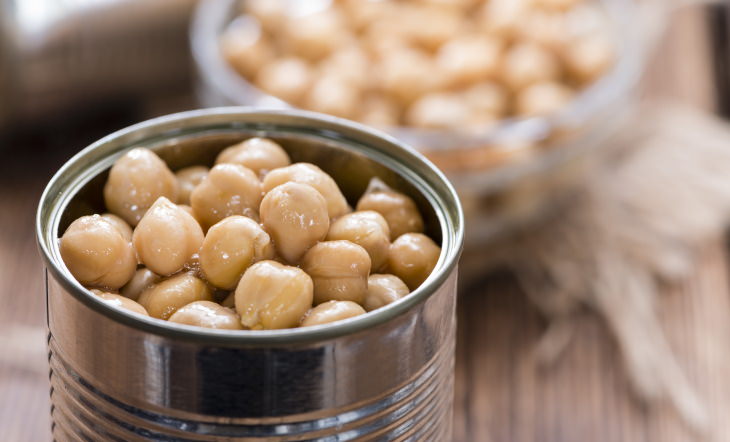
Best and Worst Foods to Buy Canned canned chickpeas
Legumes, namely beans, chickpeas, peas, and lentils are some of the best foods to buy canned. Canned legumes don't have a lower nutritional value than cooked ones, and using them from the can will actually save you a lot of time in the kitchen. These protein-packed foods are also incredibly versatile - you can easily add them to soups, chilies, stews, or you can even mash some chickpeas up to make homemade hummus. 
 
The only important point to look out in all savory canned goods is their sodium content, as it can be ridiculously high. Aim for less than 300 mg of sodium per serving. But all in all, canned legumes are a handy pantry staple. 
 
2. Fish
Canned fish is also an excellent choice, and you have a large variety to choose from - tuna, salmon, sardines, anchovies, or sprats are just some of the most obvious options. All of these fish varieties are high in protein and B vitamins, so they are guaranteed to become a positive addition to your salad or sandwich. After all, nothing beats a good tuna sandwich, and canned tuna is the easiest way to prepare one. 
 
Note: As with legumes, watch out for the sodium content of canned fish. 
 
3. Pureed or Crushed Tomatoes
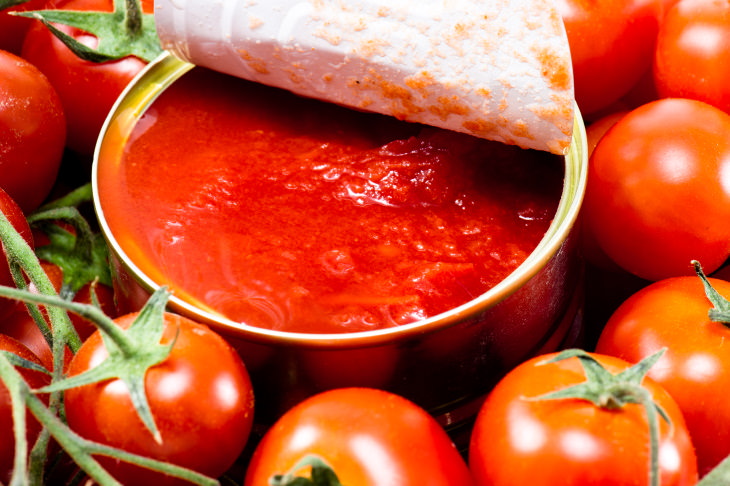
Best and Worst Foods to Buy Canned tomatoes
Pureed or crushed tomatoes are a no-brainer, and you'll be able to make a vast number of quick meals using them - a soup, a pasta sauce, a stew, a breakfast shakshouka, you name it. No dicing, peeling and pureeing needed, neither. You can also purchase tomato sauce or puree in jars or bottles, there is little difference in the product itself, but make sure to watch the sodium and sugar content in these products. 
 
Most definitely, canned tomatoes are among the most versatile food ingredients you can buy in stores, no wonder we featured it in a previous article titled 15 Versatile Ingredients You Should Always Have in the Kitchen. 
 
4. Corn
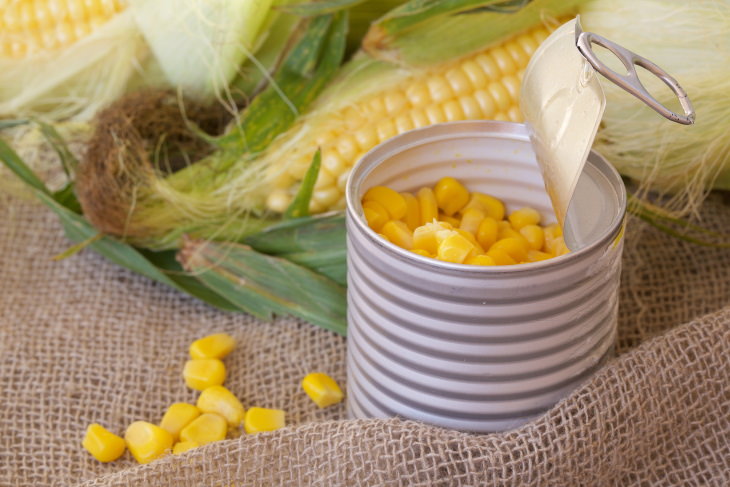
Best and Worst Foods to Buy Canned corn
Canned corn is another one of those canned foods that will diversify your meals, be it a salad, a soup, or a one-pot of sorts. The preservation process is also not altering the texture and taste of corn, and it's not reducing the excellent nutrient profile of this vegetable. This is why you'll find that canned corn has the same health benefits as cooked corn. 
 
5. Pureed Pumpkin Best and Worst Foods to Buy Canned pumpkin pie
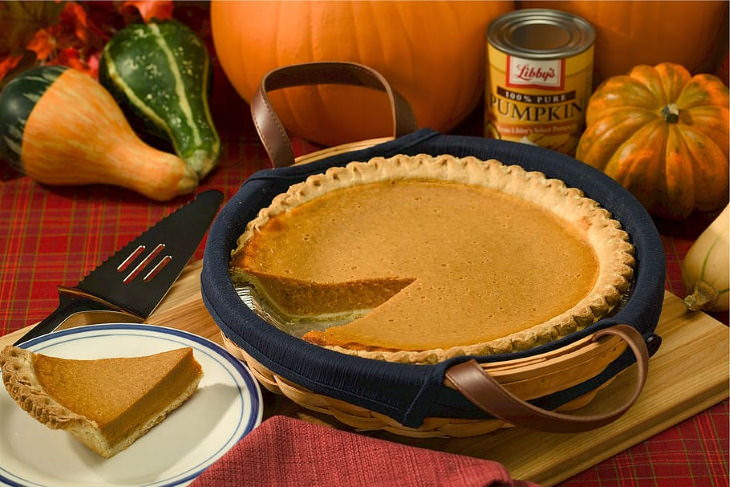
Prepping pumpkin is always my least favorite part of cooking, and it doesn't matter if I'm baking a pumpkin pie or making pumpkin soup. Luckily, pureed pumpkin is available pretty much at any store, and it can cut down the cooking time by at least an hour. Do make sure there are no added flavors or sweeteners before purchasing a can of pumpkin puree, though, since pure pumpkin puree is the most antioxidant-rich and healthy option. 
 
6. Condiments
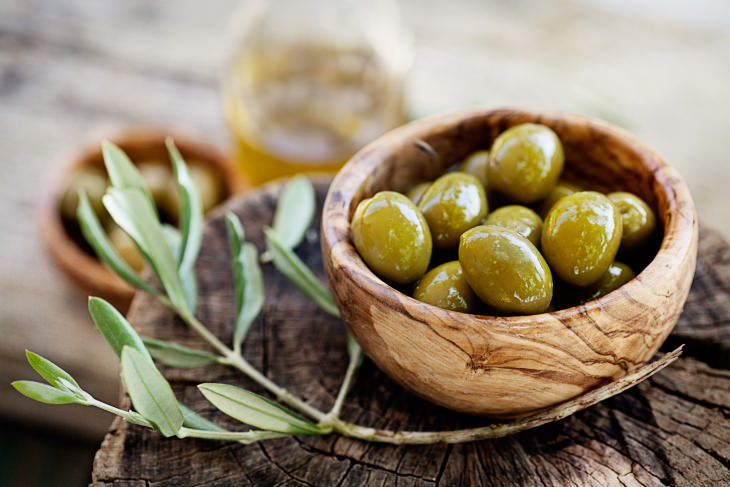
Best and Worst Foods to Buy Canned olives
If you're looking for an instant taste infusion to your meal, don't shy away from canned condiments, such as pickles, artichokes, olives, capers, or water chestnuts. These will work great as a topping to salads, a snack to serve on the side, an addition to sandwiches or a topping for the main dish. Capers, for example, make a deliciously savory topping for fish. Don't be afraid to experiment with these condiments, but make sure not to eat too much of them either, as most of these will be quite high in salt. 
 
7. Coconut Cream
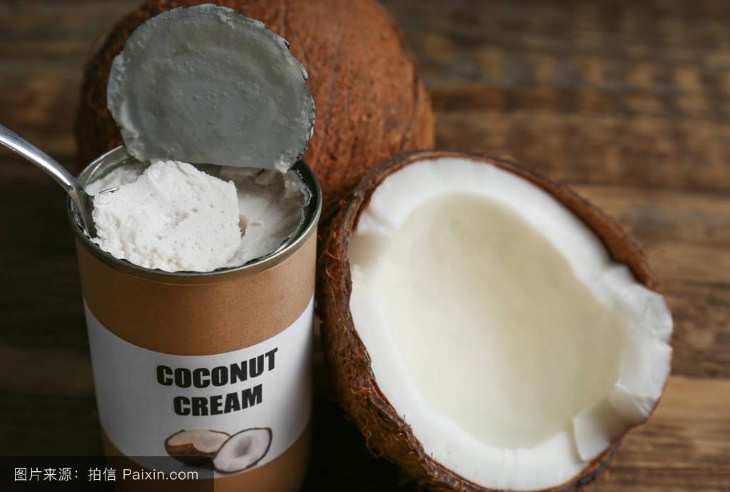
 Best and Worst Foods to Buy Canned coconut cream
Trust us, a can or two of coconut cream goes a long way in the kitchen. In addition to being an excellent dairy alternative with an insanely long shelf life and a reasonable price tag, it's indispensable for making the creamiest, most delicious curries and sauces to go with rice. You can even whip it up and make delicious coconut whip cream that works extremely well with practically any dessert and even in coffee. 
 
If you're watching your fat intake, you might also find it useful to know that full-fat coconut cream is comparable to light cream in terms of its fat content, and light coconut cream is the same as skim milk.
 
 
The Worst Canned Foods 
 
1. Soup
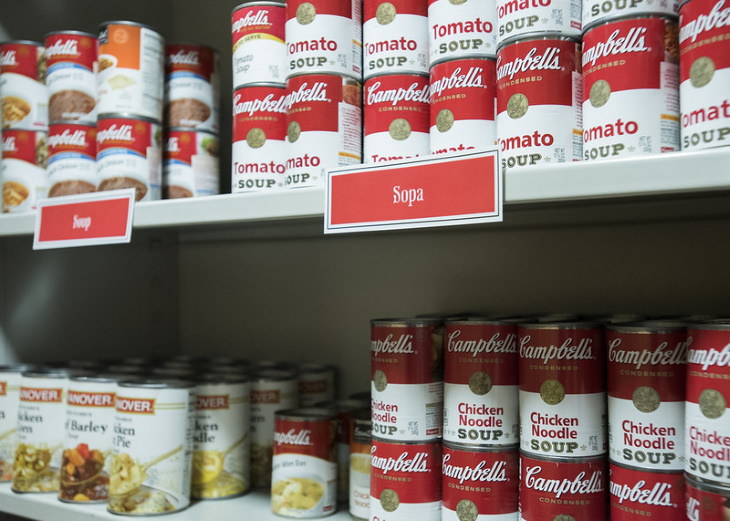
Best and Worst Foods to Buy Canned soup
Canned soups may save you some time, but it will be at the expense of your own health in the vast majority of cases. These highly-processed soups are typically full of preservatives, sweeteners, and many contain one's entire daily allowance of sodium and more saturated fats than you should have a day, all just in one can of soup! 
 
Honestly, it's much healthier, not to mention tastier, to add veggies, canned legumes, and fresh herbs into some chicken or vegetable stock and prepare your own soup it just 15-20 minutes.

2. Fruit
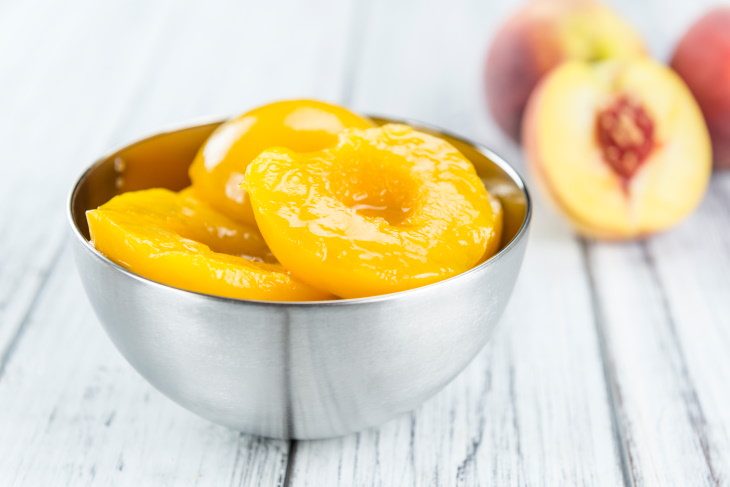
Best and Worst Foods to Buy Canned peaches
We all know that canned fruit are not the tastiest treat one can have, but did you know that these are more often than not loaded with added sugar as well? The package may state that the pineapple or peach slices are preserved in their own juices, but the truth is that most of these contain a lot of sugar. 
 
What's a good alternative? Both frozen, dried and fresh fruit are an excellent choice to consider, but if you're looking for something to store long term, frozen or dried (with no sugar added) fruit are obviously a better choice for you. 
 
3. Some Vegetables
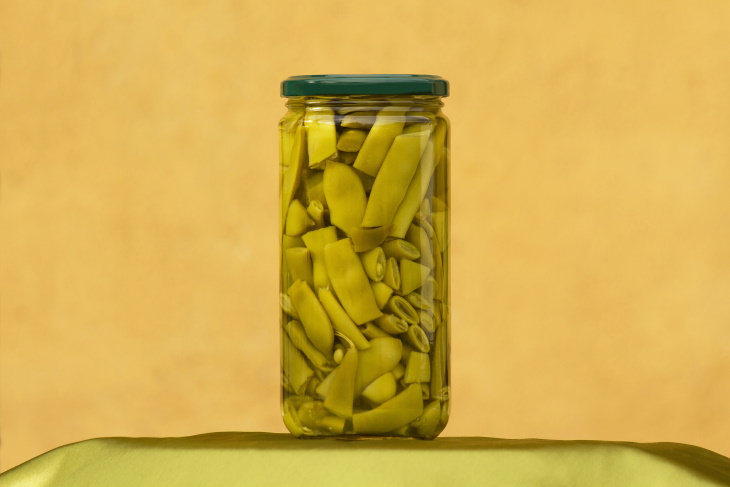
Best and Worst Foods to Buy Canned green beans
When it comes to certain canned vegetables, things can get a bit tricky. After the canning process, their taste and texture may become altered, which can make the meal a bit less flavorful and nutritious than one would expect. This is especially true when it comes to asparagus, green beans, and baby carrots.

Although everything boils down to personal preference, we say it's always nice to know that you have an alternative, namely frozen veggies, that have a similarly long shelf life, but a better taste and no added salt.  
 
4. Ready-made Meals
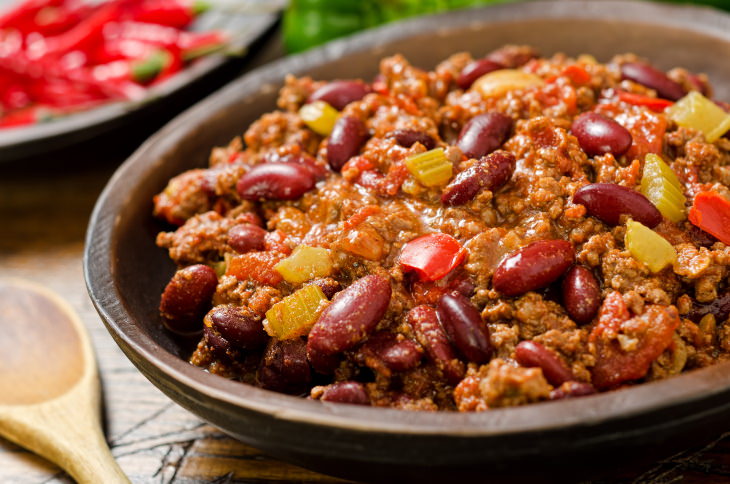
Best and Worst Foods to Buy Canned chili
Canned meals, such as canned chili, sloppy Joe, corned beef and the like, are another dangerous choice. First of all, let's face it, none of these choices use the freshest and highest quality meat, but that's not even the biggest problem. These foods are also sky-high in salt and preservatives, which is exactly why they can have such a long shelf life. 
 
In addition to that, many of these readymade meals will also be packed with saturated fats, which are known to contribute to cardiovascular issues. Generally speaking, it's just best to leave the canned foods that contain more than 3 g of saturated fat per serving on the shelf.

5. Processed Meats
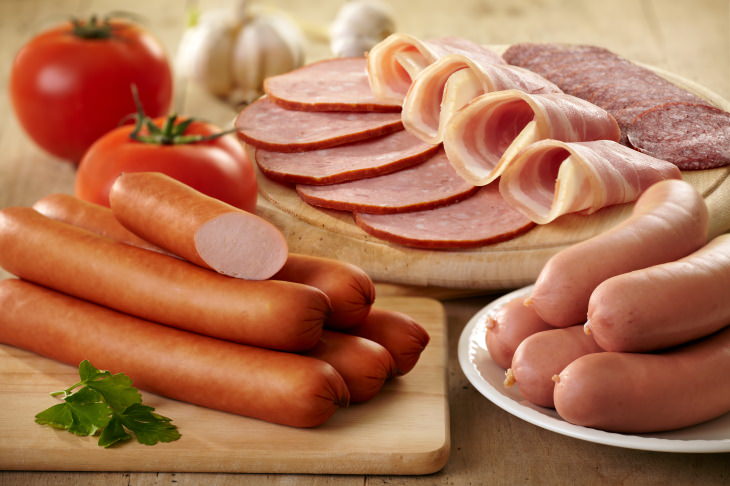
Best and Worst Foods to Buy Canned sausage
Processed meats are bad enough for you on their own, with things like liquid smoke, high animal fat content, and countless additives all making them not the best choice health-wise. Processed meat, such as sausages, ham, and bacon, has even been linked with several types of cancer, as well as cardiovascular issues. 
 
When these highly-processed animal-derived ingredients are further mixed with salty brine and preservatives, you can imagine that it doesn't make them any healthier. Virtually all of these foods contain saturated fats and salt in excess.

6. Pasta
Apart from being significantly inferior to any pasta you can cook up yourself with just some dried pasta, herbs and a can of crushed tomatoes in terms of its taste, canned pasta is also horrible for your health. Salt and sugar are in large quantities in these foods. 
 
While you can control how much salt or sugar you add to a homemade pasta sauce, you can't do that with these readymade options, and producers of these canned pastas add way too much of it in order to compensate for the lack of taste and texture in these products.  
 
7. Baked Beans
Best and Worst Foods to Buy Canned Baked Beans
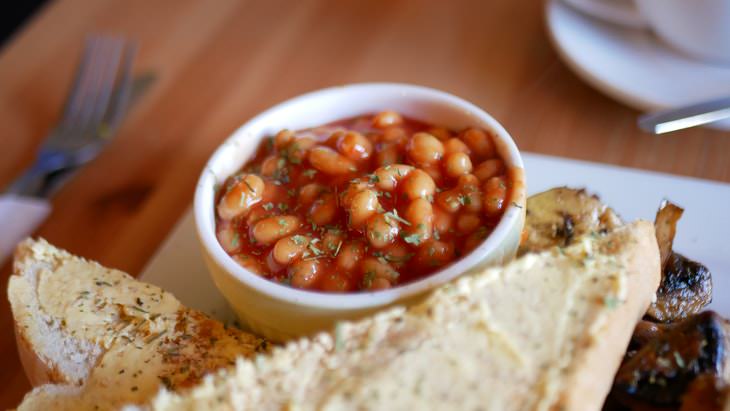
While canned beans in a low-sodium brine are an excellent high-protein choice, baked beans are less so. This is because tons of saturated fats, sugar, salt, and other additives, like the hormone disruptor BPA, are a common find in baked beans. 
 
Generally speaking, baked beans encompass all that is bad about canned foods in one package, transforming a healthy choice into a long-term health hazard. Instead of buying baked beans, make your own from canned beans, tomato sauce and the spices of your choice.


This is only for your information, kindly take the advice of your doctor for medicines, exercises and so on.     

https://gscrochetdesigns.blogspot.com. one can see my crochet creations  
https://gseasyrecipes.blogspot.com. feel free to view for easy, simple and healthy recipes    
https://kneereplacement-stickclub.blogspot.com. for info on knee replacement

Labels: , , , , , , , , , , , , , , , ,

Tuesday, June 23, 2020

The best and worst canned foods, according to nutritionists

The pros and cons of canned goods

Canned foods are convenient, affordable and easy to stock for long periods of time. They can be a simple solution to many shopping and cooking problems. Their health implications, however, are less clear. When it comes to the nutritional value (or lack thereof) of these products, there's a wide range of opinions.

"People should treat canned foods as they would any kind of food," nutritional therapy practitioner  says. "When shopping for canned foods, the best choices are real whole foods that aren't processed and that don't contain refined grains, sugar or inflammatory vegetable oils like corn, canola and soybean oils."

The best canned foods to stock up on

Canned pumpkin

phpthumb-generated-thumbnail-10 According to an expert, canned pumpkin is great to have on hand for its slew of health benefits. The nutrients and antioxidants in plain and canned pumpkin puree (without other additives) can boost your immune system, protect your eyesight, and lower your risk of chronic disease. Look for brands that list simply "organic pumpkin" on the ingredients list.

High-quality protein sources (chicken, salmon, tuna, sardines)

phpthumb-generated-thumbnail-11 Certified nutrition therapy practitioner  is cautious about the high sodium content of most canned foods, but she notes that canned chicken, salmon, tuna and sardines can be great for a quick, high-protein meal… as long as the quality is right. Choose brands that are "organic, from pasture-raised or wild-caught sources, packaged in water, with no salt added."

A variety of canned vegetables

There are plenty of healthy options available in the canned vegetable section at your local supermarket, but registered dietitian encourages you not to get too carried away, focusing instead on the canned veggies you think you'll actually eat. Hernandez is a big fan of canned corn, green beans and peas, all of which are best for you when marked low sodium and no added salt.

Canned diced tomatoes

phpthumb-generated-thumbnail-12McGrath regularly stocks diced tomatoes in her own kitchen for use in chilies, soups and tomato sauces. Citric acid and calcium chloride are two ingredients frequently found in canned tomatoes and are nothing to be concerned about, according to McGrath.

Canned beans and lentils

phpthumb-generated-thumbnail-13Registered dietitian  recommends keeping canned beans and lentils in your pantry. These legumes are healthy sources of protein, fiber and carbohydrates, and can be easily added to everything from soups and chilies to salads and grain bowls. Steer away from added salt whenever possible.

Even for the "good" canned products listed above, there can be some variation in terms of ingredients and preparation. Stick to versions of all canned foods with low sodium and no added sugar.
"It's important to keep in mind there are unhealthy versions of anything canned," McGrath says. "You need to look at the nutrition facts panel so you can fully understand what you are eating."
And then there are the canned foods that should be avoided almost all the time…

Canned foods to avoid

Baked beans

phpthumb-generated-thumbnail-14While many nutrition pros swear by the health benefits of canned beans, McGrath is cautious about purchasing baked beans in a can. Canned baked beans, she says, are often loaded with saturated fat, sugar and unnecessary additives. If you love baked beans, go the homemade route, instead.

Canned soups

phpthumb-generated-thumbnail-15Sorry to burst your bubble on your favorite feel-good canned soups, but many of these products are not approved by nutritionists. "A no no for me is canned soups," Hernandez says. "Not only are they often more than a day's worth of sodium, they just don't taste as good as homemade!"

Canned fruit packaged in syrup

phpthumb-generated-thumbnail-16There are some canned fruit options that can be a healthy snack or add-on to yogurt or oatmeal, but a nutritionist  notes that many brands package their fruit in syrup. This does, of course, help retain the fruit's sweet taste, but it's also high in added sugar, which can increase inflammation and contribute to poor gut health.

Canned pasta

phpthumb-generated-thumbnail-17Canned pastas (like the o-shaped ones you loved when you were a kid) and other ready-made meals can be convenient to have around in a pinch, but they're not recommended from a health perspective. A registered dietitian  names these products among the worst canned options in the game, primarily because of their high levels of preservatives, additives, salt, and sugar.

Also beware BPA

More generally, when reviewing your canned food options, Halteman recommends paying special attention to the way the can itself is made. Some brands use toxic chemicals like BPA to make their cans. BPA is an endocrine disruptor and can cause problems with hormone levels and increase the risk of heart complications, cancer, and other diseases. "This is the number-one thing to look for!" Halteman says.

It should be noted that as consumer awareness about and backlash to BPA has increased, many manufacturers have stopped using it (even if the labels don't say so), but if you want to be extra-safe, you may still want to stay away from canned foods that aren't specifically labeled BPA-free.

This is only for your information, kindly take the advice of your doctor for medicines, exercises and so on.     

https://gscrochetdesigns.blogspot.com. one can see my crochet creations  
https://gseasyrecipes.blogspot.com. feel free to view for easy, simple and healthy recipes    
https://kneereplacement-stickclub.blogspot.com. for info on knee replacement

Labels: , , , , , , , , , ,

Sunday, April 05, 2020

The 7 Best and 7 Worst Foods to Buy Canned

Not all canned foods are made equal - some are delicious, healthy and will save you plenty of time and money, whereas others lack taste, texture, and will only harm your health. In our opinion, those are not worth the price, no matter how cheap they may be. In this article, we’ll explain what things to look out for when choosing canned foods, and we will also go through several common canned food varieties, examining their nutrition and culinary quality. Here is our list of the 7 healthiest and tastiest canned foods you can buy, as well as 7 of those you should definitely avoid.

The Best Canned Foods
1. Legumes
Legumes, namely beans, chickpeas, peas, and lentils are some of the best foods to buy canned. Canned legumes don't have a lower nutritional value than cooked ones, and using them from the can will actually save you a lot of time in the kitchen. These protein-packed foods are also incredibly versatile - you can easily add them to soups, chilies, stews, or you can even mash some chickpeas up to make homemade hummus.
The only important point to look out in all savory canned goods is their sodium content, as it can be ridiculously high. Aim for less than 300 mg of sodium per serving. But all in all, canned legumes are a handy pantry staple.


2. Fish
Canned fish is also an excellent choice, and you have a large variety to choose from - tuna, salmon, sardines, anchovies, or sprats are just some of the most obvious options. All of these fish varieties are high in protein and B vitamins, so they are guaranteed to become a positive addition to your salad or sandwich. After all, nothing beats a good tuna sandwich, and canned tuna is the easiest way to prepare one.
Note: As with legumes, watch out for the sodium content of canned fish.


3. Pureed or Crushed Tomatoes
Pureed or crushed tomatoes are a no-brainer, and you'll be able to make a vast number of quick meals using them - a soup, a pasta sauce, a stew, a breakfast shakshouka, you name it. No dicing, peeling and pureeing needed, neither. You can also purchase tomato sauce or puree in jars or bottles, there is little difference in the product itself, but make sure to watch the sodium and sugar content in these products.


4. Corn
Canned corn is another one of those canned foods that will diversify your meals, be it a salad, a soup, or a one-pot of sorts. The preservation process is also not altering the texture and taste of corn, and it's not reducing the excellent nutrient profile of this vegetable. This is why you'll find that canned corn has the same health benefits as cooked corn.


5. Pureed Pumpkin
Prepping pumpkin is always my least favorite part of cooking, and it doesn't matter if I'm baking a pumpkin pie or making pumpkin soup. Luckily, pureed pumpkin is available pretty much at any store, and it can cut down the cooking time by at least an hour. Do make sure there are no added flavors or sweeteners before purchasing a can of pumpkin puree, though, since pure pumpkin puree is the most antioxidant-rich and healthy option.


6. Condiments
If you're looking for an instant taste infusion to your meal, don't shy away from canned condiments, such as pickles, artichokes, olives, capers, or water chestnuts. These will work great as a topping to salads, a snack to serve on the side, an addition to sandwiches or a topping for the main dish. Capers, for example, make a deliciously savory topping for fish. Don't be afraid to experiment with these condiments, but make sure not to eat too much of them either, as most of these will be quite high in salt.


7. Coconut Cream
Trust us, a can or two of coconut cream goes a long way in the kitchen. In addition to being an excellent dairy alternative with an insanely long shelf life and a reasonable price tag, it's indispensable for making the creamiest, most delicious curries and sauces to go with rice. You can even whip it up and make delicious coconut whip cream that works extremely well with practically any dessert and even in coffee.
If you're watching your fat intake, you might also find it useful to know that full-fat coconut cream is comparable to light cream in terms of its fat content, and light coconut cream is the same as skim milk.


8. Soup
Canned soups may save you some time, but it will be at the expense of your own health in the vast majority of cases. These highly-processed soups are typically full of preservatives, sweeteners, and many contain one's entire daily allowance of sodium and more saturated fats than you should have a day, all just in one can of soup!
Honestly, it's much healthier, not to mention tastier, to add veggies, canned legumes, and fresh herbs into some chicken or vegetable stock and prepare your own soup it just 15-20 minutes.


9. Fruit
We all know that canned fruit are not the tastiest treat one can have, but did you know that these are more often than not loaded with added sugar as well? The package may state that the pineapple or peach slices are preserved in their own juices, but the truth is that most of these contain a lot of sugar.
What's a good alternative? Both frozen, dried and fresh fruit are an excellent choice to consider, but if you're looking for something to store long term, frozen or dried (with no sugar added) fruit are obviously a better choice for you.


10. Some Vegetables
When it comes to certain canned vegetables, things can get a bit tricky. After the canning process, their taste and texture may become altered, which can make the meal a bit less flavorful and nutritious than one would expect. This is especially true when it comes to asparagus, green beans, and baby carrots.
Although everything boils down to personal preference, we say it's always nice to know that you have an alternative, namely frozen veggies, that have a similarly long shelf life, but a better taste and no added salt.


11. Readymade Meals
Canned meals, such as canned chili, sloppy Joe, corned beef and the like, are another dangerous choice. First of all, let's face it, none of these choices use the freshest and highest quality meat, but that's not even the biggest problem. These foods are also sky-high in salt and preservatives, which is exactly why they can have such a long shelf life.
In addition to that, many of these readymade meals will also be packed with saturated fats, which are known to contribute to cardiovascular issues. Generally speaking, it's just best to leave the canned foods that contain more than 3 g of saturated fat per serving on the shelf.


12. Processed Meats
Processed meats are bad enough for you on their own, with things like liquid smoke, high animal fat content, and countless additives all making them not the best choice health-wise. Processed meat, such as sausages, ham, and bacon, has even been linked with several types of cancer, as well as cardiovascular issues.
When these highly-processed animal-derived ingredients are further mixed with salty brine and preservatives, you can imagine that it doesn't make them any healthier. Virtually all of these foods contain saturated fats and salt in excess.


13. Pasta
Apart from being significantly inferior to any pasta you can cook up yourself with just some dried pasta, herbs and a can of crushed tomatoes in terms of its taste, canned pasta is also horrible for your health. Salt and sugar are in large quantities in these foods.
While you can control how much salt or sugar you add to a homemade pasta sauce, you can't do that with these readymade options, and producers of these canned pastas add way too much of it in order to compensate for the lack of taste and texture in these products.


14. Baked Beans
While canned beans in a low-sodium brine are an excellent high-protein choice, baked beans are less so. This is because tons of saturated fats, sugar, salt, and other additives, like the hormone disruptor BPA, are a common find in baked beans.
Generally speaking, baked beans encompass all that is bad about canned foods in one package, transforming a healthy choice into a long-term health hazard. Instead of buying baked beans, make your own from canned beans, tomato sauce and the spices of your choice.


This is only for your information, kindly take the advice of your doctor for medicines, exercises and so on.     

https://gscrochetdesigns.blogspot.com. one can see my crochet creations  
https://gseasyrecipes.blogspot.com. feel free to view for easy, simple and healthy recipes    
https://kneereplacement-stickclub.blogspot.com. for info on knee replacement


Labels: , , , , , , , , , , , , , ,