Concerned About Liver Cirrhosis? You Need to Read This
Did you know that the largest internal
organ you've got inside of you is your liver? It's roughly the size of a
football and can weigh up to three pounds in all. It's responsible for
getting rid of plenty of nasty toxins from your body, which is why it's
really important to take care of it. One major complication that can
occur in the liver is cirrhosis. While it currently has no known cure,
there are plenty of natural and clinical procedures that can limit the
risk of liver failure and additional complications. Keep reading to find
out all about them.
What Is Cirrhosis?
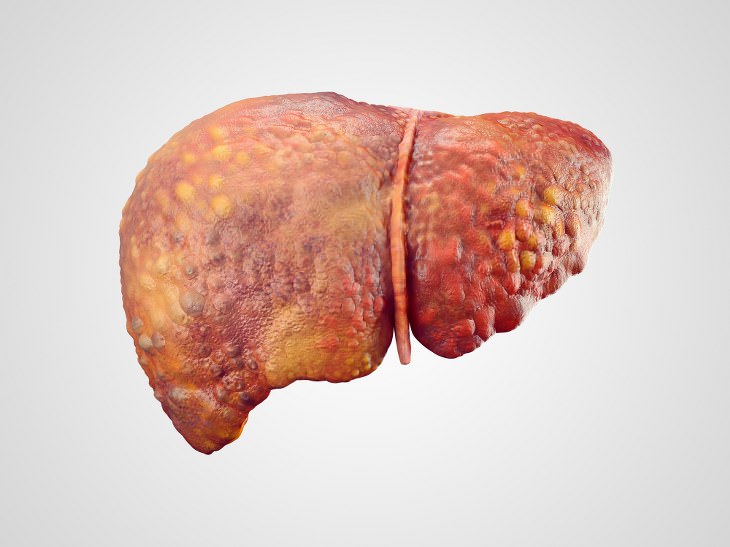
Cirrhosis is a progressive disease where
scar tissue is developed in the liver. It results in a dysfunction which
ends up impacting essential function like hormone levels, the digestion
of essential nutrients, blood flow, and the removal of waste products
from the body.
Alcohol abuse, certain viruses (such as hepatitis), and having a history
of fatty liver disease are the most common causes of cirrhosis. Other
risk factors include genetics, poor dietary choices, and dangerously
high levels of bad cholesterol.
Cirrhosis caused the liver to deteriorate over time, and once it reaches
its more advanced stages liver failure or liver cancer might develop.
At such a stage, a liver transplant is usually the only option left,
which is why it's important to act as quickly as possible and take
proper care of your liver throughout your life.
What Are the Symptoms of Cirrhosis?
Cirrhosis is typically accompanied by quite a number of symptoms including:
• Appetite loss
• Lack of energy
• Symptoms of jaundice
• Swollen ankles or legs
• Itchy skin
• Dark-colored urine
• Pale or tar-colored stool
• Bruising easily
• Unexplained weight changes
• Chronic fatigue syndrome
• Digestive issues, such as vomiting, nausea, cramps or abdominal pain
• Cognitive issues such as disorientation, mood swings, confusion or personality changes
Liver Cirrhosis Complications
Cirrhosis goes through a number of stages
before entering the advanced and final stage. Early on, sufferers may
experience symptoms like skin changes, decreased levels of energy,
nutrient deficiencies, and swelling. As the disease progresses, many of
the other symptoms mentioned above will start to manifest themselves.
Once cirrhosis enters an advanced stage, some of these complications may
arise:
• Bile duct stones
• Gallstones
• Type 2 diabetes
• Insulin resistance
• A weakened immune system
• An increased risk of lung and kidney failure
• Sensitivity to certain drugs
• A greatly increased risk of liver cancer
• Metabolic bone diseases
• Hepatic encephalopathy
• Various issues with the spleen
• Varices
• Ascites
• Edema
• Portal hypertension
What Causes Cirrhosis?
There are various factors that can lead to
the development of cirrhosis, which can stem from both your own
lifestyle and habits, as well as from external and environmental
factors.
The most common risk factors for cirrhosis of the liver include:
• Drinking too much alcohol
• Smoking
• Drug abuse
• Consuming a poor diet
• Having a history of fatty liver disease, diabetes or metabolic
syndrome
• Being obese
• High triglyceride levels
• High levels of bad cholesterol
• Genetic factors
• Constant exposure to toxins or pollutants
• Serious infections or viruses
Treating Cirrhosis Conventionally
Conventional treatment for cirrhosis will
ultimately depend on what initially caused it, as well as how far the
disease has progressed. Doctors will typically combine a number of
different treatments including both drugs and major lifestyle changes.
Unfortunately, there is no textbook cure for this disease, yet these
techniques have been found to be the most effective:
• Eliminating processed food from your diet
• Reducing your salt intake
• Increasing your nutrient intake
• Eliminating drug and alcohol intake
• Using diuretics to control ascites and edema
• Controlling cholesterol levels
• Losing weight
• Cognitive therapy
• Using laxatives to improve elimination of toxins
• Using steroids and antiviral medication if the cause is hepatitis
• Getting a liver transplant in the most severe cases
Dealing With Cirrhosis Naturally
To cleanse your liver, try to eat as much as you can of the following:
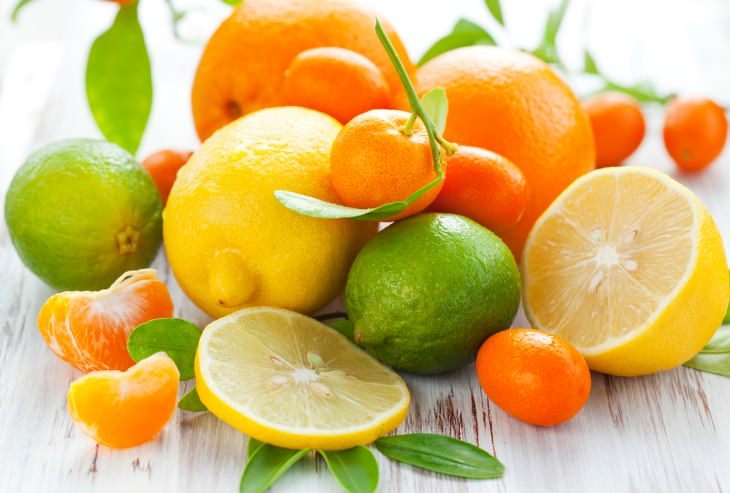
• citrus fruits
• ginger
• dark green leafy vegetables
• vegetable juices
• raw or steamed vegetables
• bananas, avocados, and sweet potatoes
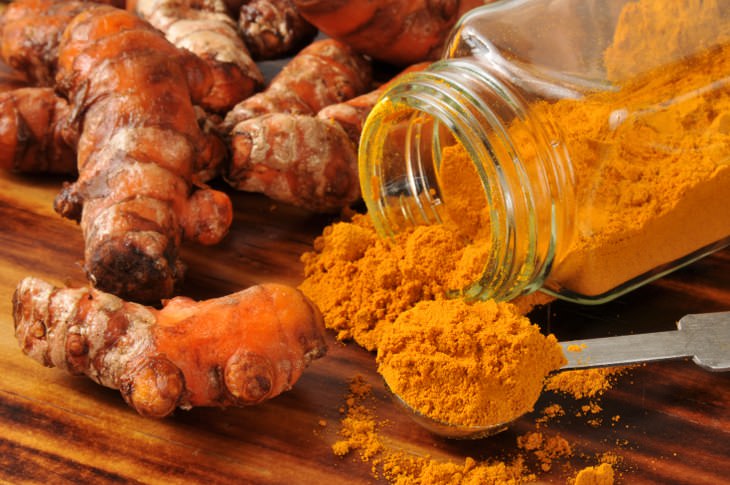
• turmeric
• milk thistle seeds
• Spirulina, chlorella, and wheatgrass
• burdock root
• dandelion root tea
• black seed oil
• probiotics
• lemon juice
• coconut oil
• extra virgin olive oil
• beef liver and other organ meats
• raw apple cider vinegar
Make sure to avoid these foods at all times if suffering from cirrhosis:
• fried food
• processed food
• very spicy food
• sugar
• refined carbohydrates, especially those containing gluten
• alcohol
• excessive amounts of caffeine
• rich and complex dishes
2. Consume an Anti-Inflammatory and Organic Diet
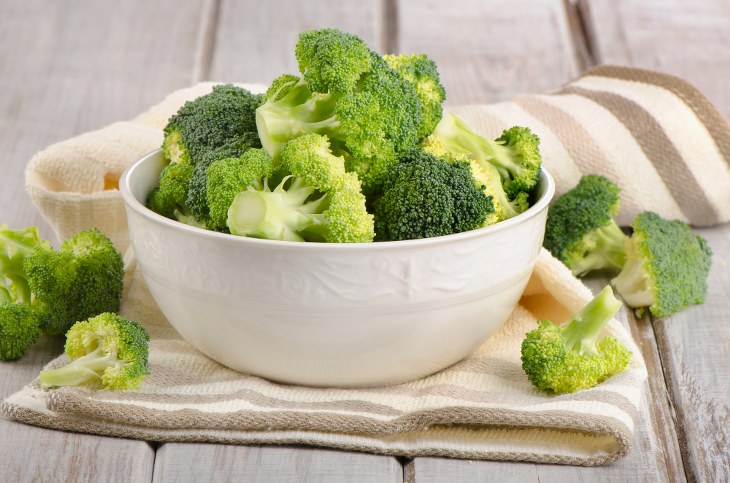
The key to maintaining a healthy and functioning liver is to consume plenty of organic vegetables with most meals. Ideally, you should aim to consume around 4 or 5 servings of fresh, organic vegetables each day. If this seems like too much, then you might want to consider juicing them instead. In order to put the least amount of strain on your liver as possible, you should limit the saturated fats you eat to only high-quality cage-free, free-range or grass-fed animal products. This is because animals bred in captivity have been found to store a lot more toxins in their fat than is desirable. As a general rule, the less foods that come out of packaging, the safer your liver should be.
The key to maintaining a healthy and functioning liver is to consume plenty of organic vegetables with most meals. Ideally, you should aim to consume around 4 or 5 servings of fresh, organic vegetables each day. If this seems like too much, then you might want to consider juicing them instead. In order to put the least amount of strain on your liver as possible, you should limit the saturated fats you eat to only high-quality cage-free, free-range or grass-fed animal products. This is because animals bred in captivity have been found to store a lot more toxins in their fat than is desirable. As a general rule, the less foods that come out of packaging, the safer your liver should be.
Here are some of the best liver-supporting vegetables you can eat:
• broccoli
• cauliflower
• celery
• cabbage
• Brussels sprouts
• kale
• spinach
• dandelion
• watercress
• asparagus
• cucumber
• beetroot
• carrot
• herbs, such as basil, mint, parsley, and cilantro
3. Use Natural Supplements
Plenty of supplements can help produce
proper enzymes and bile, reduce intestinal gas, lower inflammation, and
sooth the digestive system.
Here are some of the most powerful ones:
• Turmeric - this potent anti-inflammatory spice will support your
liver's metabolism by providing you with a decent blood-sugar balance.
It can also help aid your digestive tract.
• Milk thistle - it helps to get rid of a buildup of alcohol,
pollutants, and heavy metals.
• Probiotics - these can help boost your liver health by assisting with
its detoxification and metabolism.
• Multivitamins - vitamin A, vitamin C, and vitamin B-6 are particularly
the most essential when it comes to protecting the liver.
• Potassium - This mineral is extremely beneficial since it lowers your
cholesterol, triglyceride levels, and systolic blood pressure.
Learn more about the best food for a healthy liver here.
Quite a significant number of prescription
medications can end up damaging your liver as an unwanted side effect.
The worst offenders have been found to be hormone replacement drugs and
birth control pills, however many other drugs can also put quite a lot
of unnecessary strain on your liver, too.
Unfortunately, research has shown that a large number of prescription
medications are being over-prescribed, are being mixed with other drugs
in a dangerous way, or are taken in an incorrect manner. If you are on
medication, then we'd recommend learning how they can adversely affect
your liver, and to carefully follow dosage instructions when taking
them. It would also be a good idea to ask a healthcare professional if
there are any natural remedies that they can be replaced with.
Precautions to Take When Treating Cirrhosis
If you spot any warning signs of liver
damage, make sure to get in touch with a doctor as soon as possible,
since stopping liver damage before the disease advances will greatly
improve your quality of life and chances of survival. Of course, it's
good to keep in mind that once symptoms begin to appear, it is likely
that the condition has already been present for some time, which is all
the more reason to get yourself checked immediately.
This is only for your information, kindly take the advice of your doctor for medicines, exercises and so on.
https://gscrochetdesigns.blogspot.com. one can see my crochet creations
https://gseasyrecipes.blogspot.com. feel free to view for easy, simple and healthy recipes
https://kneereplacement-stickclub.blogspot.com. for info on knee replacement
https://cancersupportindia.blogspot.com for infor on cancer and health related topics
https://GSiyers home remedies.blogspot.com is the latest addition to my blogs. I'm going to add posts there, do give me your valuable feed back on my blogs. Thanks a lot, take care, be healthy and be happy.
https://gscrochetdesigns.blogspot.com. one can see my crochet creations
https://gseasyrecipes.blogspot.com. feel free to view for easy, simple and healthy recipes
https://kneereplacement-stickclub.blogspot.com. for info on knee replacement
https://cancersupportindia.blogspot.com for infor on cancer and health related topics
https://GSiyers home remedies.blogspot.com is the latest addition to my blogs. I'm going to add posts there, do give me your valuable feed back on my blogs. Thanks a lot, take care, be healthy and be happy.
Labels: - quit smoking, alcohol, check medicines you take, dark leafy greens, eat- citrus fruits, fried, liver cirrhosis, milk thistle, natural supplements- turmeric, potassium, probiotics, processed n packaged foods
posted by G S Iyer at 6:14 AM
0 comments
