Tuesday, September 21, 2021

The Most Effective Home Remedies For Poison Ivy

Now that the weather is thankfully no longer scorching hot, it’s the perfect time to get some fresh air and observe fall in all its golden beauty. As you enjoy your walk through the park or hike through the forest, it’s best to be vigilant, as merely brushing against the leaves of poison ivy or poison oak can leave your skin with a painful blistering rash.

Poison ivy rashes are the most common allergic reaction in the US, affecting 25-40 million people annually. Some people are so sensitive to poison ivy that touching an animal or camping gear that was in contact with poison ivy can trigger a reaction. 
 
But fear not, even if you happen to get an allergic reaction to the poisonous plant, everyday home ingredients like banana peels, baking soda, and aloe will be able to alleviate itching, prevent the rash from spreading, and speed up the healing process. In this post, we discuss the best home remedies for a poison ivy rash. 
 
Why does poison ivy trigger a rash?  
Poison ivy (Toxicodendron radicans) is a three-leafed vine plant widespread in the US and Asia. The seemingly harmless ground-dwelling plant contains an oily substance called urushiol. The same substance is also present in poison oak and poison sumac, so the tips we share here will also apply to rashes caused by these plants.  Home Remedies For Poison Ivy - poison ivy plant
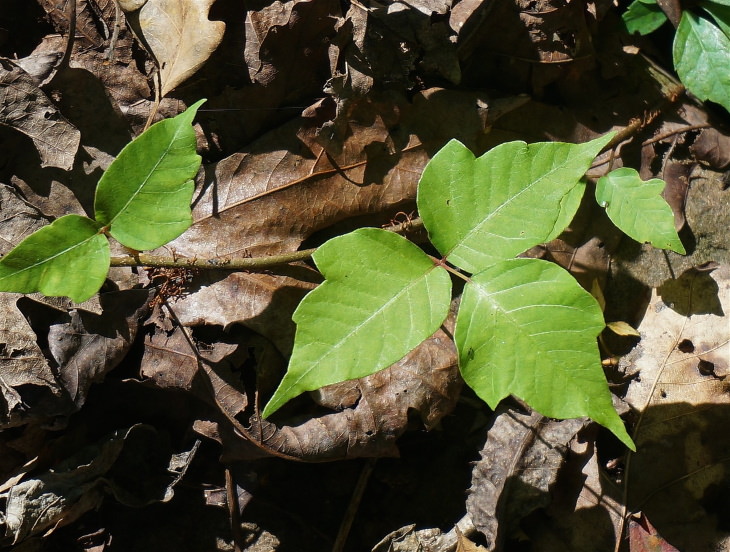
Urushiol is an extremely common allergen that causes an itchy, red, and blistering rash that appears immediately or within 96 hours after exposure to the plant. The rash and itching can persist for weeks. Between 50 and 75% of Americans are allergic to urushiol, and 10-15% are extremely allergic, to the point that they need medical help if they touch the plant. 
 
If you notice poison ivy oil on your skin, wash the affected area right away with plenty of lukewarm water and soap. This will prevent the rash from spreading. Taking allergy medication and applying hydrocortisone cream or calamine lotion on the area can help the itching and reduce the severity of the allergic reaction. If the rash is large, appears on the face or genital area, or causes severe skin symptoms, difficulty breathing, or a fever above 100°F (38°C), seek urgent medical help. 
 
In light to moderate cases, it’s safe to treat a poison ivy rash at home. But what can you do if you have no suitable medications on hand? This is when home remedies come in - they help reduce your symptoms and speed up the healing process. We list 6 such effective home remedies below.  
 
1. Save your banana peels, cucumber peels, and watermelon rinds
Home Remedies For Poison Ivy banana peels
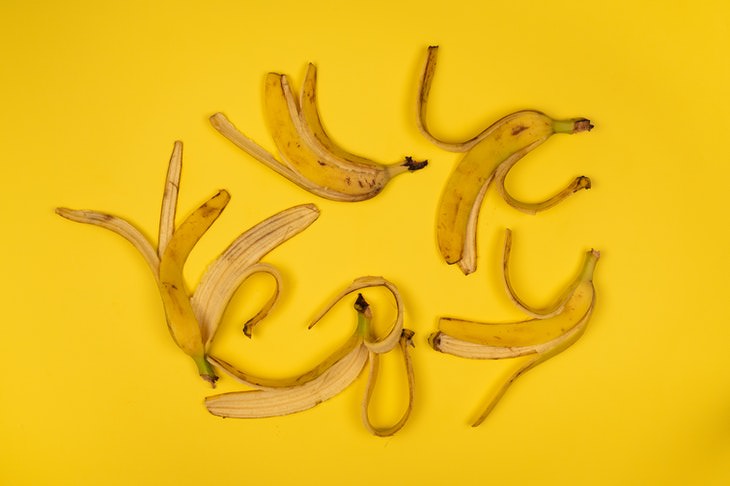
Rub the inside of a watermelon rind or banana peel on the affected area to alleviate itching. These food scraps have cooling properties when they make contact with the skin. Cucumber slices or a paste made of mashed cucumbers have a similar cooling and soothing effect on the skin.
 
2. Make a baking soda paste  
A baking soda paste is one of the most well-known home remedies for a poison ivy rash with blisters. The baking soda helps dry out the oozing blisters and speeds up the healing process. To make the paste, mix 3 parts baking soda with 1 part water. Spread an even layer of the paste to the bothersome area. Wait for the mixture to dry and flake off on its own. 
 
For oozing blisters, you can also soak a piece of sterile gauze in a mix of 2 cups water (0.5 l) and 1 teaspoon baking soda, covering the blisters with the wet gauze for 10 minutes every 8 hours. Avoid using baking soda if your rash appears near the eyes.

3. Take a bath in lukewarm water and oatmeal
Home Remedies For Poison Ivy oatmeal
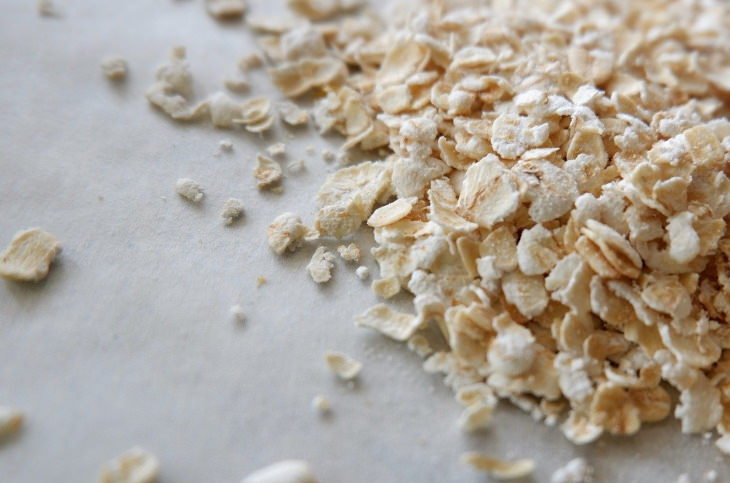
A simple practice like taking a bath or even showering between 15 and 30 minutes in lukewarm water every 8 hours can really help reduce the itching caused by a poison ivy rash. It’s important to use lukewarm water because hot water can actually worsen the symptoms. If you have some oatmeal at home, blend about a cup of oatmeal flakes into a fine powder and add it to your bath. 
 
According to a 2007 research article, an oatmeal bath can help soothe redness, reduce itching, and dry leaky blisters caused by poison ivy. Another effective anti-itch remedy for a bath involves baking soda. Add 1 cup of baking soda to your bath soak for 15-30 minutes.

4. Apply a cold compress - with ice, tea, or witch hazel
Anything cold helps reduce the sensations of itching and pain on the skin. But in the case of poison ivy, cold compressed also help reduce the rash. It also serves as a barrier that won’t let you scratch the rash, which is super important because scratching can cause infections and scars from blisters. 
 
Simply use a cold gel pack like the one in the picture above or wrap some ice in a towel and apply it to the area. Some people also swear by covering the rash in a gauze pad soaked in cold strong-brewed tea or witch hazel as a method of drying up and weeping rash and reducing itching. Both witch hazel and tea contain tannins - compounds that reduce swelling and inflammation.  
 
5. Aloe vera
Home Remedies For Poison Ivy  Aloe vera
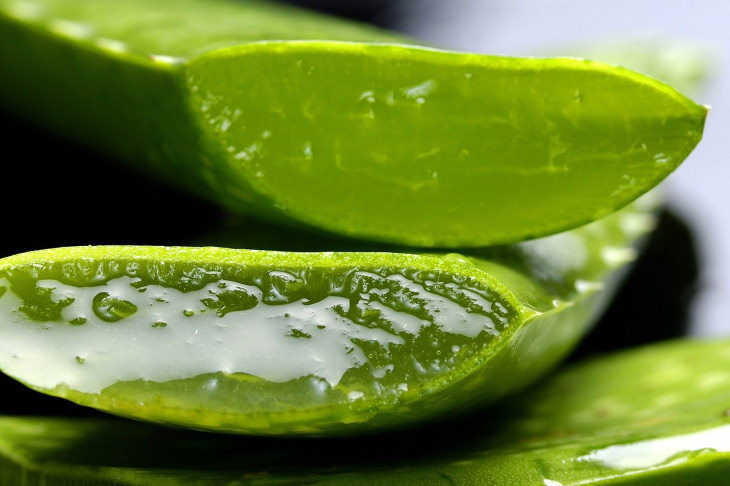
Aloe vera isn’t only beneficial for sunburnt skin. The same soothing effect comes extremely handy for poison ivy rashes, too. Aloe vera gel has cooling and anti-inflammatory properties. Aloe gel is readily available at drugstores. But if you have an aloe plant at home, simply cut off one leaf and squeeze out the gelatinous substance inside. Apply aloe gel directly onto the affected area, no need to wash it off.
 
6. Prevent spreading with rubbing alcohol 
In most cases, we wouldn’t advise applying pure rubbing alcohol to the skin, as it dissolves all oils on the skin, drying it out. A poison ivy rash is an exception to that rule. Since the substance that causes the rash - urushiol - is oily in nature, you can use rubbing alcohol to soak it up before it penetrates the skin. Apply rubbing alcohol on the skin immediately after contact with poison ivy and use it to disinfect camping gear, clothing, or any other items that came in contact with the plant. 
 
Some people also recommend using apple cider vinegar (ACV) on a fresh poison ivy rash, but many dermatologists actually advise against this practice, as the acidity level of the vinegar is high enough to cause chemical burns and irritation if used directly on the already compromised skin affected by the poison ivy rash. If you want to use ACV to treat poison ivy, put a tiny drop of it on a small skin area to test for any adverse skin reactions first. We hope you found this information helpful. Take care!

This is only for your information, kindly take the advice of your doctor for medicines, exercises and so on.   

https://gscrochetdesigns.blogspot.com. one can see my crochet creations  
https://gseasyrecipes.blogspot.com. feel free to view for easy, simple and healthy recipes    
https://kneereplacement-stickclub.blogspot.com. for info on knee replacement

Labels: , , , , , , , , , , , ,

Friday, April 03, 2020

Mixing These Cleaning Liquids Creates Toxic Fumes

Being a bit of a germaphobe these days is natural, if not necessary, but when we're so focused on cleaning and disinfecting all the surfaces in our home from the coronavirus with whatever supplies we have on hand, we might forget that not all chemicals mix well. In fact, mixing many household cleaners can end in the worst way possible - with toxic fumes and corrosive chemicals being spread throughout your home. Don't get us wrong, thorough cleaning is VERY important, but be careful with the mixtures we list in this article, as they can be incredibly dangerous and damaging to both your home and your health.

How Do I Know Which Chemicals Are Safe to Mix?


First things first, if you ever find yourself in a situation where you end up inhaling toxic fumes, getting some of them on your skin, or accidentally spreading cleaning chemicals in your eyes, mouth or nose, and you're experiencing difficulty breathing, pain, lightheadedness, a rash - seek medical help.
In addition, it's always safer to keep the windows open while cleaning with chemicals to air out the house, and it's also advisable to wear protective gloves while working with chemicals, even if you think it's something benign like a window cleaning solution. 
When it comes to working with different cleaning products, it's always better to stick to one on a specific surface or to wait for the chemical to dry completely before using a different cleaning solution. Layering products right on top of each other usually won't make your home cleaner anyway. On the contrary, it can make surfaces, like countertops, furniture, and tables, sticky, therefore it's ill-advised.
However, mixing certain household chemicals is especially dangerous, as all the products you use to clean your home are chemicals, after all, and mixing those can result in unexpected and often toxic chemical reactions. You should be particularly careful with the following 7 combinations, many of which include common disinfectants and cleaners like bleach, rubbing alcohol, and even vinegar:

1. Mixing Toilet Cleaner and Bleach

cleaning chemicals you should never mix Mixing Toilet Cleaner and Bleach
Although each toilet cleaning product has a different formula (depending on the brand), most of these products contain various types of alcohols and acids, which don't mix well with bleach. They can result in toxic fumes, which can be extremely dangerous to humans and animals alike. Thus, stick to one or the other, and never mix the two.
2. Mixing Ammonia and Bleach
cleaning chemicals you should never mix ammonia and bleach
While most people don't casually keep ammonia in the cleaning cabinet these days, that doesn't mean you don't have products that contain the chemical in your home. In fact, it's very common, and a multitude of common cleaners, such as glass cleaners, bathroom cleaners, multi-surface cleaners, furniture polish, and stainless steel cleaners contain it. 
The problem is that ammonia and bleach mixed create chlorine gas - an incredibly toxic substance. Even in small concentrations, it can cause eye and skin irritation, but if you happen to inhale more of it, it can lead to permanent lung damage and can even be deadly. So, make sure you're not using any products that contain ammonia with bleach, ever.

3. Mixing Different Drain Cleaners

Drain cleaners are very highly concentrated, as their job is to get through all that gunk clogging up the drain, but like many other products, the active ingredients one brand uses will not necessarily be the same with those featured in another brand's drain cleaner. This is a problem, as many of these contain bleach, which is very reactive with other cleaning agents, as you already know. For your own safety, don't use two different types of drain cleaners together or immediately one after another. Better safe than sorry.

4. Mixing Rubbing Alcohol and Bleach

cleaning chemicals you should never mix Mixing Rubbing Alcohol and Bleach
Rubbing alcohol and bleach are probably the two ingredients we hear the most of lately, as both can destroy the virus we're trying to protect ourselves from. And while the two are effective when used separately, mixing the two together is extremely dangerous. 
When mixed, bleach and rubbing alcohol form two compounds - chloroform and chloroacetone, both extremely toxic and hazardous. Chloroform is a chemical that had been used to knock people unconscious in the past when inhaled, but it is now considered a carcinogen. The other one - chloroacetone - is essentially a type of tear gas. Neither of these chemicals is something you'd like to experience, trust us.
product that doesn't contain bleach but is advertised to whiten or remove stains, such as Lysol, OxiClean, as well as many detergents, tile cleaners, etc. 
When the two ingredients are combined, they yield peracetic acid - a corrosive ingredient that will eat through and break down any surface it touches, including the skin. Hence, be careful even with natural alternatives to cleaning, as many contain either vinegar or hydrogen peroxide.

7. Mixing Vinegar and Baking Soda

cleaning chemicals you should never mix vinegar and baking soda
While the fizzy substance created when you mix baking soda and vinegar - the natural cleaning staples - is not toxic, but you have to be careful with this mixture nevertheless. This is because the reaction of the two chemicals releases carbon dioxide in great quantities, and if you happen to mix the two in a closed container, it may cause an explosion. Thus, always mix these two in a bowl, to avoid damaging your home or suffering an injury.
 
This is only for your information, kindly take the advice of your doctor for medicines, exercises and so on.     

https://gscrochetdesigns.blogspot.com. one can see my crochet creations  
https://gseasyrecipes.blogspot.com. feel free to view for easy, simple and healthy recipes    
https://kneereplacement-stickclub.blogspot.com. for info on knee replacement


Labels: , , , , , , , , , , ,

Wednesday, January 22, 2020

11 Useful Things You Can Do With Rubbing Alcohol You’ve Never Thought Of

Rubbing alcohol usually comes in two grades: 70% isopropyl alcohol and 90%+ isopropyl alcohol. The 90% + solutions have a lower water content, so they dry faster and can be better for items that aren’t supposed to get wet. The 70% solution is gentler on skin, and is generally a bit less expensive. Either one will work fine for the uses listed here in this post.

Miraculous Uses For Rubbing Alcohol

1. Remove Hairspray Residue

If you use hairspray or other aerosol hair products on a regular basis, then you likely already know about the sticky residue it leaves around your bathroom. Luckily, rubbing alcohol can take care of it in a snap! Just dampen a paper towel with rubbing alcohol (or use an alcohol wipe) to wipe down your sink and countertop. They’ll be left sparkling clean with zero sticky residue!

2. Erase Permanent Marker

Rubbing alcohol can rehydrate the ink left behind from a permanent marker, making it easy to wipe away. Just squeeze a bit of rubbing alcohol, let it sit on the stain for a minute, then wipe. This tip has saved me from permanent marker disasters numerous times!

3. Remove Stickers

To remove a stubborn sticker with ease, grab your bottle of rubbing alcohol. Saturate the whole sticker and let it sit for about 10 minutes. The rubbing alcohol will help dissolve the adhesive, and you’ll be able to wipe the sticker and the sticker goo away in one go.

4. Clean Electronics

It’s important to regularly disinfect your electronics, especially the ones you use frequently like your phone or laptop. Rubbing alcohol is a great choice because it evaporates quickly, and there’s less of a chance that moisture will affect your devices. Just apply a bit of rubbing alcohol to a cotton swab, swipe it across your device, then buff it dry with a clean microfiber cloth.

5. Remove Stains From Microfiber

If you have microfiber upholstery on any of your furniture, rubbing alcohol is your new best friend! It’s the best and easiest way to remove stains from microfiber upholster. Just mist some alcohol over the affected area, then wipe it clean with a sponge or cloth. Get full details on removing stains from microfiber at the link below.

6. Use As Deodorant

If you’re suddenly out of deodorant, you can use rubbing alcohol as a substitute in a pinch. Add 15 drops of a skin-safe essential oil (like lavender or Tea Tree) to a small, fine-mist spray bottle of alcohol. Just make sure you don’t apply it immediately after shaving—ouch!

7. Eliminate Fruit Flies

Fruit flies can be a real nuisance in your kitchen! Fill a fine-mist spray bottle with rubbing alcohol and use it to spray the fruit flies the next time you see them. The alcohol should knock them out long enough for you to sweep them up and toss them outside.

8. Deodorize Smelly Shoes

To help deodorize smelly shoes, spray the insides with rubbing alcohol and set them out in the sun to dry. The combination of alcohol and sunlight will help kill the bacteria that are causing the odor.

9. Stretch Tight Shoes

Have a pair of shoes that’s just a bit too tight? Use rubbing alcohol to stretch them out! Rub or spray a light layer of alcohol on the outside and inside of your shoes, then pull them on over a thick pair of socks. Check out more tips for saving too tight shoes at the link below!

10. Save Broken Eyeshadow

It can be heartbreaking to drop your favorite eyeshadow palette, but you can save those broken shadows! Place the broken bits back into the palette, then add some rubbing alcohol to the shadow a few drops at a time (or spray it, it that’s easier for you). Use a stick or a spoon to mix up and smooth out the remoistened mixture. Let it sit out for a few hours until the mixture dries completely, and it will be good as new!

11. Make A Reed Diffuser

You can use rubbing alcohol to make your own reed diffuser! Add 1/4 cup of your favorite carrier oil, 12 drops of your favorite essential oil, and a splash of rubbing alcohol to a small glass bottle. Drop in a few wooden skewers, and voila! You’ll have a reed diffuser that couldn’t have been any quicker or easier to make.

This is only for your information, kindly take the advice of your doctor for medicines, exercises and so on.     
https://gscrochetdesigns.blogspot.com. one can see my crochet creations  
https://gseasyrecipes.blogspot.com. feel free to view for easy, simple and healthy recipes    
https://kneereplacement-stickclub.blogspot.com. for info on knee replacement


source-onegoodthing

Labels: , , , , , , , , , , , , , , , ,