Tuesday, September 15, 2026

Boost Your Health With These 7 Seasonal Superfruits

We're now at that time of year when our options for local, seasonal fruits seems to be apples or...apples. Growers of citrus fruit haven't really got a tasty crop yet, and the vast majority of what's in your local grocery store has been shipped in from a different continent, and lacks taste, quality, and nutrition. However, if you take a visit to specialist grocery stores, you can find some unique and nutritious fruits that are available at this time of year. Certain kinds of citrus and tropical fruits, which are grown somewhat locally have more antioxidants than any other fruit, so you can keep yourself healthy without having to rely on fruit flown in from a different hemisphere. Below, you can find, 7 such superfruits!

1. Kumquats
7 - Seasonal - Superfruits - To eat

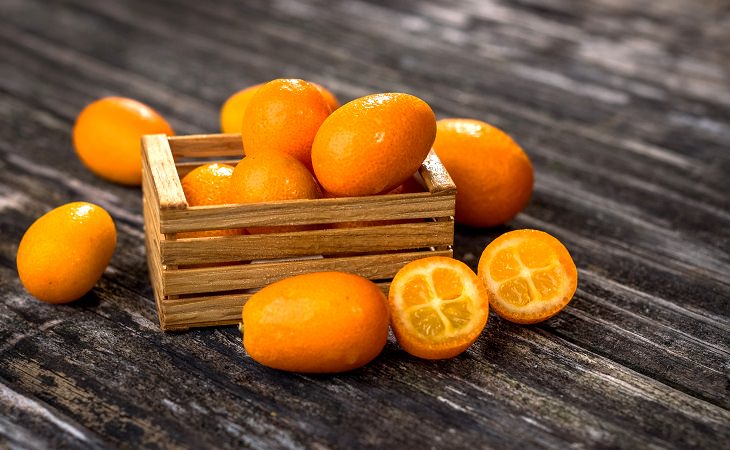
This little olive-sized citrus fruit is full of disease-fighting antioxidants, which are contained in their sweet and edible skin. A serving of five kumquats contains a fifth of your daily fiber, along with a very healthy and generous dose of vitamins A and C, and potassium. Most of America's domestic kumquats are grown in Florida and California, with the most commonly grown variety being the Nagami - which peaks between November and March. 

These fruits have lots of uses: slice a few up and add them to a salad, or use them in recipes instead of orange zest, or mix dried kumquats with red onion, cilantro and lime to make a great salsa. When buying kumquats at a store, look for the ones that are firm and bright orange in color, and store them at room temperature for 2 to 3 days, or in the refrigerator for up to 2 weeks.

2. Carambolas (Star Fruit)

These exotic fruits are high in vitamin C and potassium. Furthermore, they have an abundance of inflammation-lowering polyphenols, which makes them great for your heart. Most of the star fruit that you can find in stores across America come from Florida or Hawaii. 

The taste of this fruit has been described as somewhere between that of citrus, apple, and pear. You can eat this tasty fruit as it is, or you can add some to a fruit salad. 

When buying this fruit, look for firm, shiny, and evenly colored yellow fruit. Remember to handle the fruit with care as it's easily bruised. Let the fruit ripen at room temperature for a few days until they start to go brown on the edges and develop a fruity aroma (this is when they are at their sweetest), then refrigerate them for up to a week. 

3. Quinces
7 - Seasonal - Superfruits - To eat

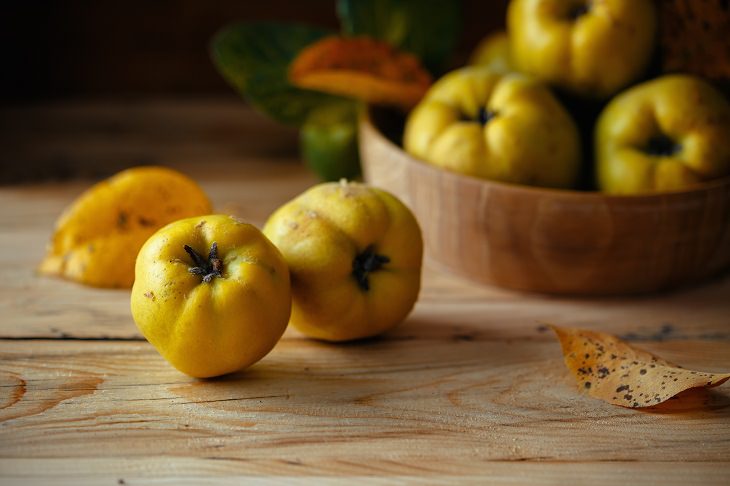
They may look like apples or pears, but quinces are a lot healthier. High in vitamin C, quinces also have an abundance of antiviral phenolic compounds that have been found to help keep the flu at bay. The quince season lasts from around September to December. You can find them at Latino, Asian, and Middle-Eastern markets, specialty grocers and farmers' markets. 

This fruit tastes better when cooked, so make sure to add them to a savory stew or to use them in desserts instead of apples and pears.

4. Rambutans
7 - Seasonal - Superfruits - To eat

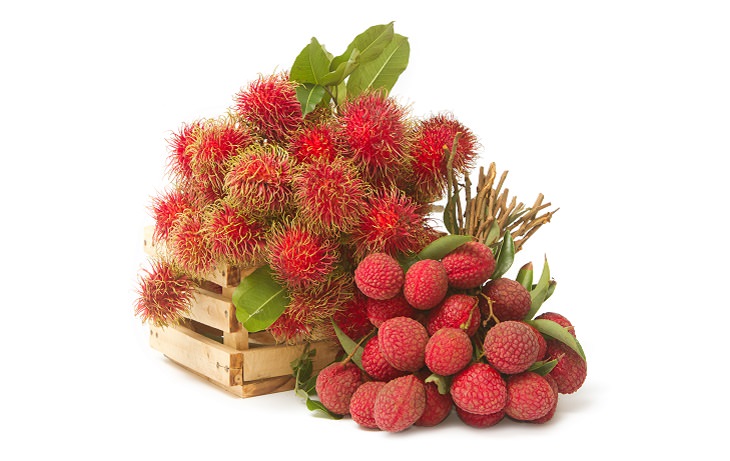
The rambutan, also known as hairy lychee or hula berry, is a great tropical treat when summer's lychees are out of season; their season is from September to March. Rambutans have a seriously high level of the antioxidants anthocyanins and flavanoids, both of which can help reduce the risk of cardiovascular problems and chronic diseases. 

This fruit can usually be found in Asian and other specialty markets. This fruit is fragile and lasts for only a day or two at room temperature. If you're not going to be eating them straight away, place in a perforated bag and refrigerate. 

To eat this fruit, peel the skin off and pop into your mouth, or add them to a fruit platter. 

5. Longans
7 - Seasonal - Superfruits - To eat

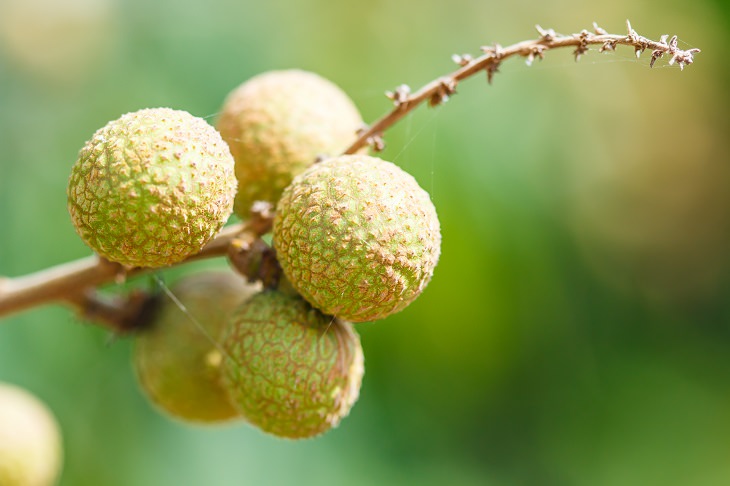
Longans are native to China, but are grown in Hawaii and across the Caribbean. It's a good idea to stock up on this fruit at this time of year as they have been known to settle upset stomachs and reduce fevers. They are also full of disease-fighting antioxidants. 

You can find Hawaiian grown longans in Asian markets all year round. To store, place them in a perforated plastic bag and refrigerate for a week or two. To eat, simply peel, de-seed and pop in your mouth, or add to fruit salads and desserts. 

6. Persimmons
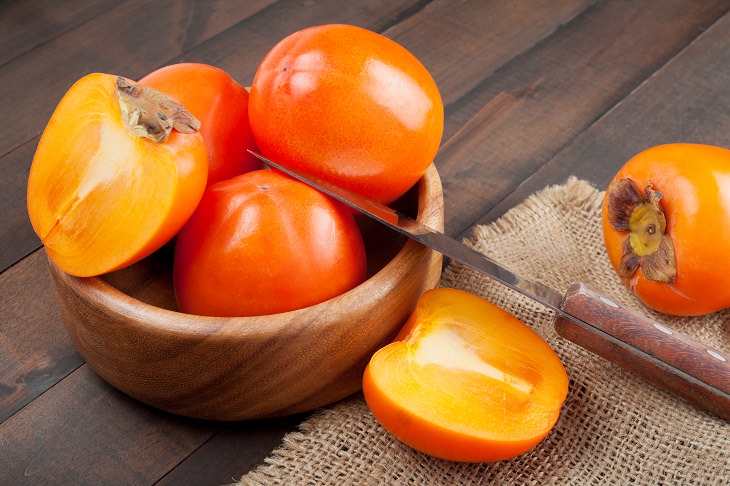
 
7 - Seasonal - Superfruits - To eat

This fruit is better for your heart than an apple, as it contains much higher concentrations of the dietary fiber, minerals, and phenolic compounds that help prevent atherosclerosis, a leading cause of heart disease, heart attacks, and strokes. An added bonus is that the antioxidants present in this fruit can help control diabetes and the cell damage it causes. 

You can use the pulp or the whole fruit in puddings, pureed in ice creams, or added to cakes and breads. They can also be used in savory dishes, such as salsas, stir-fries, and salads.

7. Asian Pears 7 - Seasonal - Superfruits - To eat
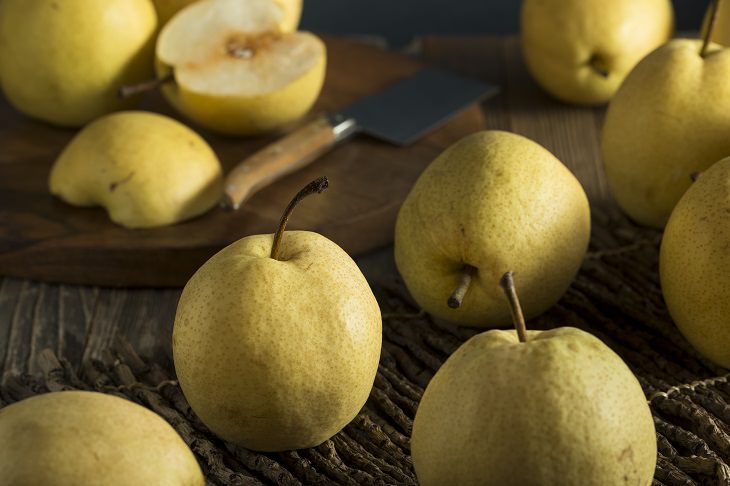
This fruit is perfect for cold storage and they are easy to find in farmers' markets and grocery stores at this time of year. Asian pears have more fiber than other types of pears, so eating one daily is great for your heart and helps keep diabetes at bay. 

This fruit can be kept for a week at room temperature or 3 months in the fridge. Due to their sweet flavor and crunchy texture, Asian pears are a great addition to salads and slaws. Furthermore, they work well in place of apples in many different recipes.


This is only for your information, kindly take the advice of your doctor for food, medicines, exercises and so on.   


Labels: , , , , , , , , , , , , , ,

Thursday, December 19, 2019

Researchers found 3 cups of filter coffee may ward off type 2 diabetes

In good news for coffee lovers, researchers have found that coffee can help reduce the risk of developing type 2 diabetes – but only filtered coffee, rather than boiled coffee. The study shows that the choice of preparation method influences the health effects of coffee.

The findings from Chalmers University of Technology and Umea University in Sweden, offer new insight into this connection, using a novel method to help differentiate between the effects of filtered coffee and boiled coffee.

“We have identified specific molecules – ‘biomarkers’ – in the blood of those taking part in the study, which indicate the intake of different sorts of coffee. These biomarkers are then used for analysis when calculating type 2 diabetes risk,” said a study researcher.

“Our results now clearly show that filtered coffee has a positive effect in terms of reducing the risk of developing type 2 diabetes. But boiled coffee does not have this effect,” he added.

With the use of these biomarkers, the researchers were able to show that people who drank two to three cups of filtered coffee a day had a 60 per cent lower risk of developing type 2 diabetes than people who drank less than one cup of filtered coffee a day.

Consumption of boiled coffee had no effect on the diabetes risk in the study.

To differentiate the diabetes risk for boiled and filtered coffee, a new technique called metabolomics was used, in combination with classic dietary questionnaires.

Metabolomics makes it possible to identify the blood concentration of specific molecules from a given food or drink and use that as an objective measurement of intake – instead of simply relying on self-reported intakes from the questionnaires, which are prone to large errors.

“Metabolomics is a fantastic tool, not just for capturing the intake of specific foods and drinks, but also for studying the effects that that intake has on people’s metabolism. We can derive important information on the mechanisms behind how certain foods influence disease risk,” said study lead author.

According to the researchers, many people wrongly believe that coffee has only negative effects on health.

This could be because previous studies have shown that boiled coffee increases the risk of heart and vascular diseases, due to the presence of diterpenes, a type of molecule found in boiled coffee.

“But it has been shown that when you filter coffee, the diterpenes are captured in the filter. As a result, you get the health benefits of the many other molecules present, such as different phenolic substances. In moderate amounts, caffeine also has positive health effects,” he said.

Many other types of coffee preparation were not specifically investigated in the study, such as instant, espresso, cafetiere, and percolator coffee.

The study stresses that the health impacts of coffee do not depend solely on if it is filtered or not. They also vary with how the coffee beans, and the drink in general, are managed.

this is only for your information, kindly take the advice of your doctor for medicines, exercises and so on.     
https://gscrochetdesigns.blogspot.com. one can see my crochet creations  
https://gseasyrecipes.blogspot.com. feel free to view for easy, simple and healthy recipes    
https://kneereplacement-stickclub.blogspot.com. for info on knee replacement


Labels: , , , ,

Tuesday, October 15, 2019

Coffee bean extract may be beneficial in reducing fat-induced inflammation

When coffee beans are processed and roasted the husk and silverskin of the bean are removed and unused, and often are left behind in fields by coffee producers.

Food science and human nutrition researchers have discovered  inflammation-fighting phenolic compounds — protocatechuic acid and gallic acid — in the silverskin and husk of coffee beans not only for their benefits in alleviating chronic disease but also in adding value to would-be ‘waste’ products from the coffee processing industry.

“This material from coffee beans is interesting mainly because of its composition. It’s been shown to be non-toxic. And these phenolics have a very high anti-oxidant capacity,” said  co-author of the study.

When fat cells of mice were treated with water-based extracts from coffee beans skins, the phenolic compounds reduced fat-induced inflammation in the cells and improved glucose absorption and insulin sensitivity.

The findings show promise for these bioactive compounds, when consumed as part of the diet, as a strategy for preventing obesity-related chronic illnesses, such as Type 2 diabetes and cardiovascular disease.

For the study, the fat cells and immune cells were cultured together to recreate the ‘real-life’ interaction between the two cells.

When obesity-related inflammation is present, the fat cells and immune cells work together — stuck in a loop–to increase oxidative stress and interfere with glucose uptake, worsening the situation.

In order to block this loop and prevent chronic disease, the researchers’ goals are to eliminate or reduce as much inflammation as possible in order to allow glucose uptake to be facilitated, as well as to have healthy cells that will produce adequate insulin.

The researchers also stressed the positive impact on the environment of using the coffee bean by-products.

During coffee processing, the bean is separated from the husk, the external outer layer of the bean. After the bean is roasted, the silverskin layer is separated.

“It’s a huge environmental problem because when they separate this husk after processing, it usually stays in the field fermenting, growing mold, and causing problems,” explained one of the researcher.

Worldwide, 1,160,000 tonnes of husk are left in fields per year, potentially causing contamination.

Additionally, 43,000 tonnes of silverskin is produced each year, which, the researcher  adds, may be easier to utilize because it stays with the bean as it is exported to different countries to be roasted.

this is only for your information, kindly take the advice of your doctor for medicines, exercises and so on.   
https://gscrochetdesigns.blogspot.com. one can see my crochet creations  

https://gseasyrecipes.blogspot.com. feel free to view for easy, simple and healthy recipes    
https://kneereplacement-stickclub.blogspot.com. for info on knee replacement


Labels: , , , , , , , , , ,

Sunday, June 09, 2019

Fruits and veggies that can boost your heart health

“Inadequate fruit and vegetable consumption may account for millions of deaths from heart disease and strokes each year”, says a new study. Fruits and vegetables should be an important part of your daily diet because of plethora of reasons. These are good sources of potassium, magnesium, fiber, antioxidants and phenolics that help in potentially reducing blood pressure and cholesterol. Fresh fruits and vegetables can also improve the diversity of good bacteria in the digestive tract. They are low in fat, salt and sugar. Eating them regularly can make you less likely to be overweight, thus lowering your risk of cardiovascular disease. Here we give you a list of fruits and vegetables that can potentially boost your heart health.

Berries: Berries are jam-packed with antioxidants like anthocyanins, which protect against the oxidative stress and inflammation, that contribute to the development of heart disease.

Tomatoes: Tomatoes are jam-packed with lycopene, which is a natural plant pigment with powerful antioxidant properties. They make tomatoes capable of neutralizing harmful free radicals, preventing oxidative damage and inflammation, both of which can contribute to heart disease. 

Broccoli: Being a good source of lutein, an antioxidant, and rich in vitamin C, broccoli can potentially lower cholesterol levels and prevent heart diseases.

Spinach: Spinach is rich in magnesium, that is known to help maintain a healthy heart rhythm.

Asparagus: Being a natural source of folate, asparagus can help prevent an amino acid called homocysteine from building up in the body. High homocysteine levels have been associated with an increased risk of heart conditions, like coronary artery disease and stroke.

THIS IS ONLY FOR INFORMATION, ALWAYS CONSULT YOU PHYSICIAN BEFORE HAVING ANY PARTICULAR FOOD/ MEDICATION/EXERCISE/OTHER REMEDIES.                                                                             PS- THOSE INTERESTED IN RECIPES ARE FREE TO  VIEW MY BLOG-                                                                                           https://gseasyrecipes.blogspot.com/                                                                                                                                                FOR INFO ABOUT KNEE REPLACEMENT, YOU CAN VIEW MY BLOG-                                                                       https:// kneereplacement-stickclub.blogspot.com/  

                      FOR CROCHET DESIGNS                                                                                                                                                                                https://gscrochetdesigns.blogspot.com


Labels: , , , , , , , , , , , , , , , ,