Monday, July 08, 2024

90% of the Population are Deficient in This Nutrient - Choline

Being vegan or vegetarian is more popular than ever and having a low cholesterol diet on a whim is practically synonymous to leading a healthy lifestyle. Unfortunately, both of these diet trends may harm our health if we're not careful, as they are indirectly making us deficient in one key nutrient, choline, with an estimated 90% of Americans being deficient in this essential nutrient. 
 
Never heard of choline? We’re not surprised, as, unlike vitamin C or omega-3 fatty acids, choline is not getting nearly as much publicity, but it doesn’t make it any less important to our health and well-being. In fact, a deficiency in this essential nutrient is associated with a sluggish brain, a poorer progression of Alzheimer’s, impaired brain and spinal cord development in children, and fatty liver disease. In this article, we discuss what choline is, what it does for our bodies, and which foods contain this vital nutrient.


What is CHOLINE?
Choline is a nutrient comparable to vitamins in its importance for the body, and it plays a key role in regulating cholesterol levels, maintaining brain and mental health, as well as being a building block for cell membranes. Apart from that, choline is crucial for brain development of children, which is why pregnant and breastfeeding women, as well as young children, are often required to monitor choline levels.

Like many other vitamins and nutrients, our bodies naturally produce choline in our livers, but never in sufficient amounts, which is why doctors recommend the following regulated daily intake of choline for adults:

550 mg for men
425 mg for women
450 mg for women during pregnancy
55- mg for women during breastfeeding
 
Why is choline deficiency dangerous?
 
As we mentioned at the beginning of the article, according to the National Health and Nutrition Examination Survey, 90% of kids, pregnant women, and other adults aren’t meeting their daily recommended intake of choline. But what does it mean for their health?

A choline deficiency contributes to the following health conditions
 
Neurological disorders. 
A low intake of choline in adults has been associated with decreased memory, brain fog, and cognition. Some researchers have even suggested that choline helps maintain the structural integrity of neurons and so it may be beneficial in supporting cognitive sharpness in older adults, particularly among dementia and Alzheimer’s sufferers. 
 
Finally, a choline deficit at an early age may result in neurodevelopmental deficiencies, so sufficient choline intake is particularly important for pregnant and breastfeeding women, as well as infants and young kids. 
 
Nonalcoholic fatty liver disease (NAFLD)
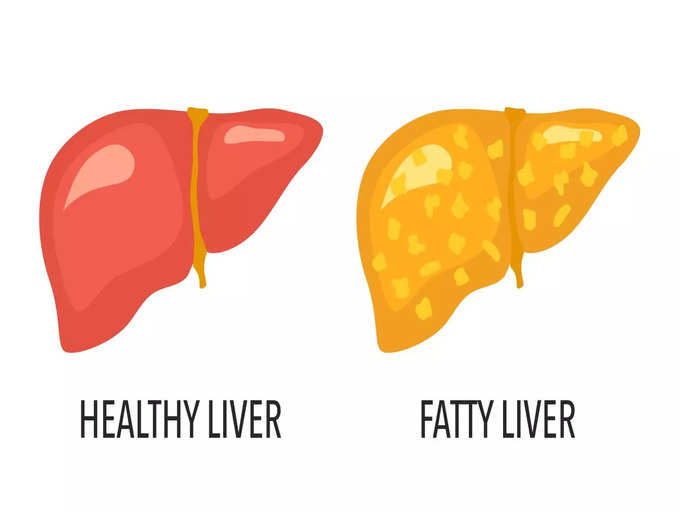
An adequate intake of choline is essential for preventing liver damage and NAFLD, the most common liver disease affecting the majority of overweight individuals and patients with obesity. NAFLD is particularly dangerous, as it increases one’s risk of liver cancer, liver failure, and cirrhosis quite significantly. Choline helps prevent a fatty liver and is thus essential for liver health. 
 
 Finally, there is also some recent scientific evidence suggesting choline can be beneficial for the heart, as it can decrease the levels of the bad kind of cholesterol in the blood, but there isn’t sufficient proof to back that claim just yet.


Which foods contain choline?
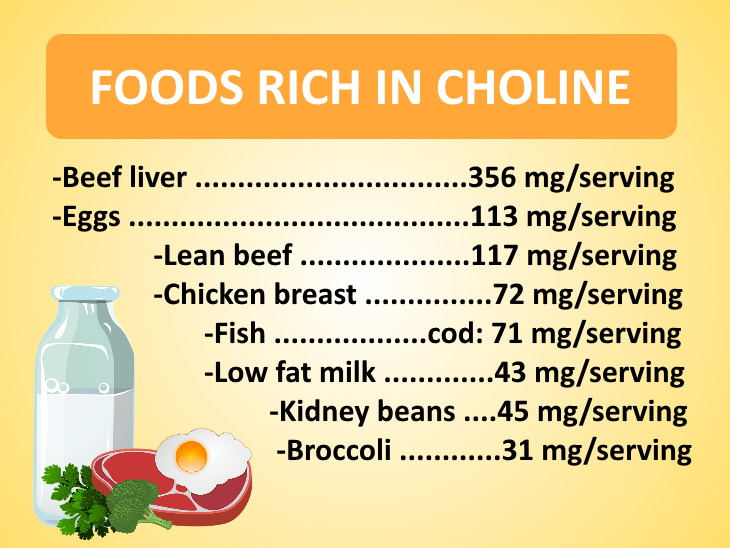
choline deficiency list of foods rich in choline

With the exception of some cruciferous vegetables and beans, choline-rich foods are limited to those that are animal-derived, which is why persons who have a vegetarian or vegan diet, as well as a low-cholesterol diet are more prone to be deficient in choline.
 
The table above features several food types particularly rich in choline, with liver, eggs, and red meat being some of the most choline-dense food choices out there. If you’re following a low-cholesterol diet as per the recommendations of your doctor, we advise you to discuss the option of a choline supplement with your health provider. 
 
Supplementation is also an option to consider for vegans and vegetarians, as choline is difficult to get from veggies only. For example, these is roughly as much choline in 1 boiled egg (113 mg) as in 2 cups of broccoli (123 mg), which is less than a quarter of the recommended intake per day for men. 
 
In the end, what this story of mass choline deficiency can really teach us all is that we shouldn't submit to dieting trends in a thoughtless manner and have a balanced nutrient intake no matter what, even if means supplementing.


This is only for your information, kindly take the advice of your doctor for medicines, exercises and so on.   

https://gscrochetdesigns.blogspot.com. one can see my crochet creations  
https://gseasyrecipes.blogspot.com. feel free to view for easy, simple and healthy recipes    
https://kneereplacement-stickclub.blogspot.com. for info on knee replacement
https://cancersupportindia.blogspot.com  for infor on cancer and health related topics
https://GSiyers home remedies.blogspot.com   is the latest addition to my blogs. I'm going to add posts there, do give me your valuable feed back on my blogs. Thanks a lot, take care, be healthy and be happy.


Labels: , , , , , , , , ,

Wednesday, July 13, 2022

Non-alcoholic fatty liver disease: Experiencing THIS sign in the morning should not be taken lightly

Sign of non-alcoholic fatty liver disease

Non-alcoholic fatty liver disease (NAFLD) refers to a range of conditions caused by a build-up of fat in the liver. The affected people drink little to no alcohol, and so, the condition is not a result of alcohol over-consumption.

NAFLD is the most common liver disease worldwide. Still many people are unaware that they have developed the condition. This is because sometimes the disease shows no symptoms at the initial stages. However, there is one sign on waking up in the morning that could be hinting at the disease.

Fatigue in the morning

Fatigue includes feelings of lethargy, malaise and exhaustion despite getting rest. It can be caused by several health conditions. However, if you feel fatigue first thing in the morning, it could be a sign of liver disease. This symptom can severely impact your everyday life, decrease productivity at work or academic performance. It can also lead to mood swings and irritability. If fatigue persists, you should consult your doctor. Early diagnosis of NAFLD will prevent liver scarring.

Other symptoms

Apart from fatigue, pain or discomfort in the upper right abdomen can also be a sign of liver disease. Some people with NAFLD can develop nonalcoholic steatohepatitis (NASH), which is an aggressive form of fatty liver disease that leads to liver inflammation, advanced scarring (cirrhosis) and liver failure. Possible signs and symptoms of having NASH include abdominal swelling, enlarged blood vessels just beneath the skin's surface, enlarged spleen and yellowing of the skin and eyes.

​Causes of NAFLD

Experts do not know the exact cause for why some people accumulate fat in the liver while others do not. However, they have found that non-alcoholic fatty liver disease is linked with obesity, insulin resistance, high blood sugar indicating prediabetes or type 2 diabetes, and high levels of fats in the blood. These combined health problems appear to promote the deposit of fat in the liver which leads to non-alcoholic fatty liver disease.

​Risk factors

A wide range of diseases and conditions can increase the risk of getting NAFLD. If you have high cholesterol or high levels of triglycerides in the blood, then you may be at a higher risk of developing NAFLD.

Metabolic syndrome – which includes high blood pressure, high blood sugar, excess body fat around the waist and abnormal cholesterol levels – also increases a person’s chance of developing non-alcoholic fatty liver disease. Obesity, particularly with fat concentration in the abdomen; type 2 diabetes; polycystic ovary syndrome (PCOS); and sleep disorder such as sleep apnea can also influence NAFLD risks.

How to avoid liver disease

The most effective treatment for liver disease is weight loss, as it helps to prevent the build-up of fatty cells inside the liver. Some studies show that following the Mediterranean diet can help to decrease the amount of fat stored inside the liver. The diet includes fruits, vegetables, whole grains, legumes, and replaces butter with olive or canola oil.

Aerobic exercises can also decrease the amount of fat in the liver, so complement your healthy diet with regular physical activity. Medications, herbs and supplements that are toxic to the liver should not be taken for too long, particularly by those who drink alcohol regularly.

readmore

This is only for your information, kindly take the advice of your doctor for medicines, exercises and so on.   

https://gscrochetdesigns.blogspot.com. one can see my crochet creations  
https://gseasyrecipes.blogspot.com. feel free to view for easy, simple and healthy recipes    
https://kneereplacement-stickclub.blogspot.com. for info on knee replacement

Labels: , , , , , , , ,

Sunday, October 27, 2019

Obesity causes diabetes in women, kidney disease in men

Obesity poses a higher risk of type 2 diabetes in women, and Chronic Obstructive Pulmonary Disease (COPD) and chronic kidney disease in men, said a new study from the University of Oxford.

"The study shows just how harmful carrying excess weight can be to human health, and that women and men may experience different diseases as a result," said the study's first author.

To identify additional causes of death made worse by obesity, researchers performed an analysis that explores cause-and-effect relationships using genetic data and three measures of obesity from 228,466 women and 195,041 men in the UK Biobank.

Their analysis showed that obesity contributes to a laundry list of health problems including coronary artery disease, type 1 and 2 diabetes, stroke, chronic obstructive pulmonary disease, lung cancer, non-alcoholic fatty liver disease, chronic liver disease and kidney failure.

While obesity causes type 2 diabetes in both women and men, women experienced a higher risk of type 2 diabetes as compared to men, while men faced a greater risk of chronic obstructive pulmonary disease and chronic kidney disease.

"Given the compelling evidence of harm that arises as a consequence of obesity across a broad range of diseases that result in death, our findings highlight the critical need for public health measures to stem the tide of obesity," said a researcher.

Overall, the study found that obesity causes or contributes to the majority of the leading causes of death worldwide that are not linked to the infectious diseases.

The impact of obesity, however, manifests differently in men and women.
 
this is only for your information, kindly take the advice of your doctor for medicines, exercises and so on.     
https://gscrochetdesigns.blogspot.com. one can see my crochet creations  
https://gseasyrecipes.blogspot.com. feel free to view for easy, simple and healthy recipes    
https://kneereplacement-stickclub.blogspot.com. for info on knee replacement


Labels: , , , , , , , ,

Tuesday, April 09, 2019

Fatty liver disease can sometimes lead to liver cancer

In a new study, researchers have discovered important differences in the biological pathways that lead to cancer for alcoholic fatty liver disease compared to non-alcoholic fatty liver disease. The findings of the study, could benefit more than 3 million people diagnosed with the fatty liver disease each year. The build-up of fat in the liver known as fatty liver disease sometimes leads to hard-to-treat liver cancer.

Scientists have not been able to understand why the cancer risk is higher for fatty liver disease caused by excessive alcohol consumption than for non-alcoholic fatty liver disease, which is associated with obesity and type 2 diabetes.

"We want to find out the key factors and pathways that lead to liver cancer in fatty liver patients so we can slow or even prevent the liver cancer. It is estimated that this type of liver cancer is responsible for 250,000 to 1 million deaths each year," said the author who conducted the study.

In the study, the researchers examined expression levels of proteins in liver biopsies from a group of patients with alcoholic fatty liver disease and a group with non-alcoholic fatty liver disease.

The proteins studied are involved in epigenetic regulation, which controls gene expression, and inflammation, which plays an important role in the disease.

The researchers observed that the two groups of patients showed significant differences in the expression of proteins involved in epigenetic regulators and inflammation.

Importantly, these differences matched the ratio of liver cancer development seen for the two groups."If through additional studies, we can prove that the molecules and pathways we identified modulate liver cancer development in the alcoholic fatty liver disease or non-alcoholic fatty liver disease patients, it may help identify new targets for preventing or reducing the risk of liver cancer that arises from other liver diseases," he said.

The researchers plan to perform additional experiments in animal models of fatty liver disease to learn more about how epigenetic regulation and inflammation pathways lead to liver cancer. 

THIS IS ONLY FOR INFORMATION, ALWAYS CONSULT YOU PHYSICIAN BEFORE HAVING ANY PARTICULAR FOOD/ MEDICATION/EXERCISE/OTHER REMEDIES.                                    PS- THOSE INTERESTED IN RECIPES ARE FREE TO  VIEW MY BLOG-                                                                                           https://gseasyrecipes.blogspot.com/                                                                                                                                                         FOR INFO ABOUT KNEE REPLACEMENT, YOU CAN VIEW MY BLOG-                                                  https:// kneereplacement-stickclub.blogspot.com/           


                   FOR CROCHET DESIGNS                                                                                                                                                                                                  https://gscrochetdesigns.blogspot.com

Labels: , , , , , , , , , ,