Wednesday, August 19, 2026

Why You’re Nauseous After Eating: 9 Causes You Should Know

Feeling a bit queasy after a large and heavy meal is normal, but regularly experiencing nausea after eating can point to an underlying medical condition. The symptom usually occurs half an hour or so after a meal, and it may pass quickly or continue for up to three hours depending on the underlying health issue. 

A wide range of mild to severe medical conditions could manifest themselves through nausea after eating. Most but not all of these conditions are related to the digestive system. Read on to learn of the medical causes and ways to manage and prevent nausea after a meal.

1. Acid reflux

Even though the hallmark of gastroesophageal disease (GERD) is heartburn, the condition could also cause nausea after a meal. Also known as acid reflux, GERD occurs because the muscle that prevents stomach acids from going up into the esophagus is malfunctioning. When the acids leak out into the esophagus, they damage and irritate the lining of the esophagus, which usually causes a burning sensation in the chest known as heartburn. This irritation may also trigger nausea in some people.

If you experience heartburn and nausea after a meal, this could be due to GERD. Even though GERD isn’t considered a life-threatening condition, it could lead to complications and should be addressed by your doctor. Late snacks and meals, alcohol as well as excessively acidic, fatty, or spicy foods are known to aggravate GERD and should be avoided.

2. Stomach flu and food poisoning

Sometimes, the food you eat is directly causing your symptoms. Foods that are not fresh or have not been stored or prepared properly can become contaminated by bacteria or viruses that wreak havoc in your digestive system. These bacteria and viruses are highly contagious and cause inflammation in the stomach and GI tract.

Patients suffering from food poisoning or the stomach flu rarely experience nausea alone. In most cases, one also has diarrhea, vomiting, stomach cramps, and a fever. These symptoms usually appear hours after you’ve eaten contaminated food, and may persist for days.

Rest, eating bland foods, and drinking lots of fluids usually help speed up the recovery, but if symptoms persist for more than 3 days or worsen, you must seek medical help.

3.  Migraines

Migraines are known to cause nausea after eating as well. The feeling of nausea can be quite intense and accompanied by dizziness, vomiting, and stomachaches. Certain foods, such as aged cheeses, alcohol, and dairy are known to trigger migraines, so getting a migraine after a meal is common.

The connection between migraines and nausea is poorly understood, but scientists believe it can be linked to low serotonin levels that are characteristic of migraines. Low serotonin is known to make people queasy. Another theory is that an increase in blood pressure caused by the migraine could trigger nausea and vomiting. In rare cases, mostly in children, nausea and vomiting can be the only symptom of a migraine.

4. Food allergies and intolerance

Food intolerances and food allergies are a common cause of nausea too, but the two shouldn’t be conflated or confused.

Food intolerances do not involve the immune system but can cause nausea hours after the food is eaten. When doctors talk about food intolerances, they refer to the inability of your digestive system to process certain foods, such as lactose or gluten. Food intolerances can manifest themselves through nausea hours after the food has been eaten and are often accompanied by stomach pains, bloating, and diarrhea.

Food allergies, on the other hand, are an extreme immune reaction to certain foods. Nausea triggered by a food allergy can start seconds or minutes after ingesting the food and co-occurs with difficulty swallowing, breathing, and swelling in the face or lips. Shellfish, eggs, nuts, or eggs are all common food allergens. Food allergies require urgent medication and are considered a medical emergency.

5. Motion sickness

Motion sickness occurs when your body perceives conflicting signals on whether or not you are moving, and the brain has difficulty processing those mixed messages. When you’re in a car, for example, the eyes and the vestibular system in the inner ear are both telling the brain that you’re moving, but the feet and the muscles sense no motion.

These conflicting messages make people sensitive to motion sickness develop nausea and vomiting. Eating food before and after moving or riding somewhere is known to intensify the feeling of nausea.

6. Irritable bowel syndrome (IBS)

Nausea after a meal is one of the most widespread complaints in people suffering from IBS. Other symptoms include bloating, stomach cramps, constipation, and diarrhea. IBS is a complex and poorly understood medical condition that affects the gut.

"There is no exact cause of an IBS flare-up. However, most symptoms, such as vomiting, tend to worsen after consuming food that is difficult to digest," stated Dr. Niket Sonpal, a gastroenterologist, to the Insider. Since IBS is a chronic condition, people who suffer from this condition learn the specific foods that trigger their symptoms and learn to avoid them. Stress is another known contributor to IBS.

7. Gall bladder issues
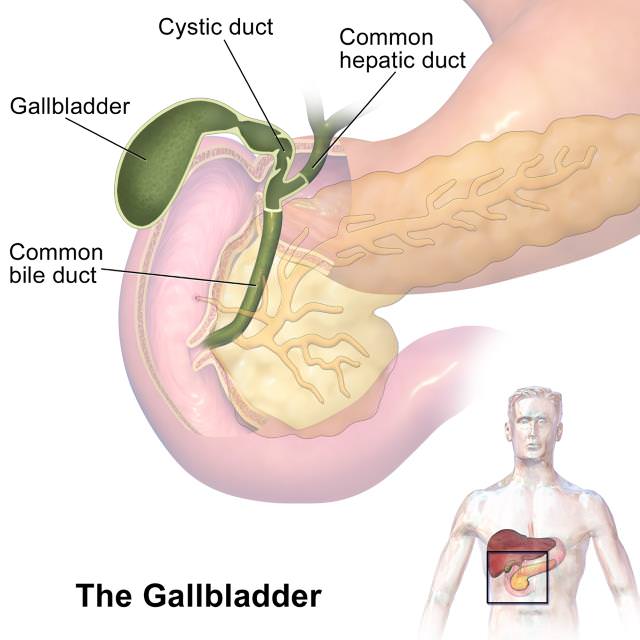
Nauseous After Eating Gallbladder

If you’re experiencing nausea after eating fatty foods specifically, this could point to a gallbladder issue. The gallbladder is a small organ beneath the liver that secretes bile into the small intestine. Bile is essential for the digestion of fats. When the gallbladder cannot excrete bile due to a gallstone or another issue, it fills up with bile and stretches out. This can result in nausea and pain in the right side of the belly.

Gallbladder issues are treatable, fairly common, and rarely life-threatening, but they can be quite uncomfortable and painful. Other signs that something is wrong with your gallbladder are dark urine, fever, chills, and your skin and the whites of the eyes turning yellow.

8. Anxiety
If you’ve ever felt like your stomach turned into a bit knot right before a serious conversation or public speech, you’re well aware of the ways stress and anxiety can contribute to an upset stomach. When you’re anxious, the brain produces stress hormones that can make the GI tract contract either faster or slower.

Food & Drink This can lead to the proverbial knot in the stomach, loss of appetite, nausea, and even vomiting that tend to be worse on a full stomach. Not only acutely stressful situations like the stage fright example we mentioned earlier can cause digestive issues. Chronic stress can cause similar symptoms, but they can be less pronounced. Getting the stress and anxiety under control will resolve your stomach issues too.

9. Preganancy
Feeling sick on a full stomach isn’t necessarily a symptom of a disease. One of the earliest signs of pregnancy is a queasy feeling in the stomach we often refer to as “morning sickness.” Pregnancy triggers the secretion of the human chorionic gonadotropin (HCG) hormone in the body. 

Unfortunately, HCG often triggers nausea. You may be feeling nauseous in the morning, before or after a meal. Sometimes, hormonal changes can slow down digestion or alter the balance of gut bacteria, both of which could be why you’re feeling nauseous too.

How to Manage Nausea After a Meal 

In most cases, nausea will go away on its own once you find and address the cause of this symptom. Needless to say, the outlook and the time frame for recovery depends on the cause as well. If you’re experiencing nausea at the moment or you’re looking for preventative measures, consider these tips:

- Opt for smaller meals more often to take off some pressure from your digestive system.

 - Avoid driving, running, or doing any other demanding activities after eating.

 - Don’t brush your teeth right after eating. 

- Suck on ice cubes to reduce nausea and calm down your stomach. 

- Rest and engage in relaxing activities after a meal. 

- Take your time when you’re eating or drinking. 

- Sip on some ginger tea or mint tea to reduce nausea.


This is only for your information, kindly take the advice of your doctor for food, medicines, exercises and so on.   


Labels: , , , , , , , , , ,

Thursday, September 11, 2025

One Kind of Music Could Be an Unexpected Cure For Motion Sickness

The next time you find yourself in a car, driving along a winding road, why not turn on an uplifting tune? It might help you recover from motion sickness.

A team of researchers led by neuroscientist Yilun Li at China's Henan Institute of Science and Technology has found music may be a surprisingly effective intervention for reducing nausea and dizziness induced by travel. Depending on the song.

In experiments, 30 participants were subject to a driving simulator, in which they were made to feel carsick while wearing an electroencephalograph (EEG) cap. This allowed researchers to 'read' the brain activity of volunteers in real time, as it transitioned from a stable state to a state of motion sickness, and gradually back again.

Participants were divided into six groups. Four groups listened to a minute of music after the nauseating drive; one listened to no music after the drive, spending 1 minute meditating instead; and one ended the drive right before participants were expected to feel nauseated.

The researchers found that joyful music alleviated symptoms of carsickness by 14 percent compared to the group that meditated.

Soft music was the next best genre. It alleviated symptoms by 13.4 percent compared to controls.

Interestingly, one type of music reduced nausea at a rate worse than simply waiting for the feelings of carsickness to pass. Sad music seemed to make recovery harder.

It's difficult to say how significant these changes are, as the current experiments were based on a small sample size with limited statistical power.

That said, the results align with other studies that have found music can be transformative – changing the way we feel, for better or worse.

Previous studies have also shown that a favorite tune can reduce symptoms of visually induced motion sickness or 'cybersickness' from virtual reality devices. It might even help with hangovers.

But while some research suggests that sad music can improve mood and make us feel good, it's possible that in some scenarios, it can have the opposite effect.

EEG data from the current trial suggests that motion sickness has a negative correlation with brain activity in the occipital region, which helps process visual information.

The more sick a participant said they felt, the less complex the activity in this part of the brain. The better they recovered, meanwhile, the more varied activity the EEG caps recorded.

"Sad music may exacerbate discomfort through emotional resonance," the authors hypothesize.

Whereas cheerful or relaxing music may help participants maintain a good physical state, "thus enhancing the comfort of the occupants."

It's worth a try.

The study was published in Frontiers in Human Neuroscience.


This is only for your information, kindly take the advice of your doctor for medicines, exercises and so on.   

https://gscrochetdesigns.blogspot.com. one can see my crochet creations  
https://gseasyrecipes.blogspot.com. feel free to view for easy, simple and healthy recipes    
https://kneereplacement-stickclub.blogspot.com. for info on knee replacement
https://GSiyers home remedies.blogspot.com   is the latest addition to my blogs
 

Labels: , , , , , , , ,

Monday, September 09, 2024

9 Pressure Points to Relieve Indigestion and Belly Aches

Our modern dietary habits cause us to rely too much on fast food or ready-made products from supermarkets, which may increase the risk of heart disease, diabetes, and obesity. Beyond that, they also cause many people to suffer from various digestive issues such as gas, constipation, diarrhea, heartburn, pain, and more. Many suffer from these issues frequently and accept them as fate, but you’ll be happy to hear there’s a way to get rid of them easily by massaging specific points on the body, depending on the problem. Meet the 9 pressure points that will solve all your digestive problems. 
 
1. Union Valley (LI-4)

Pressure points for digestive issues: pressing Union Valley

This point is located between the index finger and thumb, and massaging it helps heal various digestive problems, such as diarrhea, constipation, and abdominal pain. Additionally, massaging this point can reduce dizziness and generally help relieve all kinds of pain.


2. Pool at the bend  (L1-11)

Pressure points for digestive issues: pressing Pool at the Bend

This point is located at the upper outer part of the elbow, precisely at its tip. Massaging this point helps reduce symptoms of diarrhea, constipation, vomiting, and abdominal pain. Additionally, it helps alleviate sore throat, swelling around the eyes, and blurred vision. 
 
 
3. Outer Gate (TW-5)
Pressure points for digestive issues: sticker on the Outer Gate
This point is located three finger-widths above the wrist, on the outer side of the forearm. Massaging this point helps reduce nausea and vomiting, and it also helps eliminate tinnitus - a condition causing a persistent ringing sound, often after being in a particularly noisy environment. 
 
 
4. Inner Gate (P-6)
 Pressure points for digestive issues: pressing Inner Gate
 
Similar to the Outer Gate, this point is located three finger-widths above the wrist but on the inner side of the forearm. Massaging this point helps relieve abdominal pain, vomiting, or anxiety, which might be one of the causes of the digestive issues you’re suffering from. Additionally, it’s recommended to massage this point if you suffer from motion sickness or seasickness.


5. Pointed located below the knee, outer side of the leg
Pressure points for digestive issues: massaging Three Mile Point

This point is located three finger-widths below the knee, on the outer side of the leg. Massaging this point helps reduce ulcer symptoms, inflammation in the small intestine, nausea, gas, and bloating. Additionally, massaging this point nourishes the body with energy and is recommended if you are suffering from thoughts that disturb your peace, as it can help you eliminate them quickly. 
 
 
6. Grandfather-Grandson (SP-4)
 Pressure points for digestive issues: massaging Grandfather-Grandson
 
This point is located on the inner side of the foot, four finger-widths from the base of the big toe. Massaging this point helps relieve abdominal pain and nausea and increases the flow of energy toward the stomach. It is recommended to massage this point if you suspect you are suffering from food poisoning. 
 
 
7. Meeting Point of the Yin Meridians of the Foot (SP-6)
Pressure points for digestive issues: massaging Meeting Point of the Yin Meridians of the Foot

This point is located three finger-widths above the ankle bone, on the inner side of the leg. Massaging this point helps relieve abdominal pain and is especially effective if you are suffering from ulcerative colitis. Additionally, massaging this point may help you enjoy a restful night’s sleep


8. Great Surge (LIV-3)
Pressure points for digestive issues: massaging Great Surge

This point is located between the big toe and the second toe, towards the center of the top of the foot. Massaging this point helps improve gallbladder health and reduce nausea, vomiting, and abdominal pain. Additionally, massaging this point is effective in reducing depression and general weakness, and it is recommended for epilepsy patients to massage it regularly.


9. Central Belly (CV-12)
Pressure points for digestive issues: illustration of Central Belly

This point is located halfway between the breastbone and the navel, right in the midline of the body. Massaging this point helps reduce heartburn, nausea, diarrhea, and abdominal pain. Additionally, those trying to lose weight are recommended to massage this point regularly. 
 
 
Stretches to Perform Before Massaging the Pressure Points 
 
It is very important to perform stretches throughout the body before you begin massaging the pressure points, in order to release all blocked meridians and improve the flow of chi throughout the body, which will help increase the effectiveness of the treatment. 
 
Stand straight, raise your arms above your head, take a breath, and stretch your body backward as far as you can without harming yourself. 
 
Hold for 3 seconds, return to the starting position, and exhale. 
 
Take a breath and exhale as you bend forward, letting your arms hang loosely over the floor.
 
Count to 3, return to the starting position, and take a breath. 
 
Raise your arms above your head and lean your body to the right as you exhale. 
 
Return to the starting position and take a breath. 
 
Raise your arms above your head and lean your body to the left as you exhale. 
 
Return to the starting position and take a breath. 
 
Repeat this stretching sequence 3 times before you begin massaging the pressure points.

This is only for your information, kindly take the advice of your doctor for medicines, exercises and so on.   

https://gscrochetdesigns.blogspot.com. one can see my crochet creations  
https://gseasyrecipes.blogspot.com. feel free to view for easy, simple and healthy recipes    
https://kneereplacement-stickclub.blogspot.com. for info on knee replacement
https://cancersupportindia.blogspot.com  for infor on cancer and health related topics
https://GSiyers home remedies.blogspot.com   is the latest addition to my blogs. I'm going to add posts there, do give me your valuable feed back on my blogs. Thanks a lot, take care, be healthy and be happy.

Labels: , , , , , , , , , , , , ,

Thursday, March 16, 2023

Natural Treatments and Tips for Motion Sickness Sufferers

Motion sickness affects approximately 20% of people worldwide, causing fear and discomfort during long car rides, flights, and boat trips. This can prevent people from enjoying vacations or performing daily activities. However, natural remedies can help prevent or alleviate the symptoms of motion sickness. To combat this condition, there are six natural treatments and seven additional tips that can be effective in reducing the feelings of nausea and dizziness associated with motion sickness.
 motion sickness tips
What IS motion sickness?  
Symptoms of motion sickness can occur as soon as the vehicle begins moving and can persist for several minutes after the motion stops. If we look a bit deeper and try to explain the nature of motion sickness and the reason why it attacks us, we can say that it occurs when there is a condition in the body that contradicts itself in terms of the input of our senses. If, for example, you are riding in the back seat of the car, the parts of the inner ear responsible for balance feel movement. However, this is not necessarily what is picked up by the sense of sight, when there is a seat or a tablet screen in front of you, for example. This lack of coordination between the two senses causes motion sickness due to the strange effect experienced by the balance system. 
 
Recently, the opposite has developed among some people, where they experience the so-called "digital travel sickness." In such a case, when staring at a smartphone, tablet, television screen, or cinema screen, without being in a moving vehicle, the eyes experience a shift while the inner ear has no evidence of this. The condition can also cause nausea, vertigo or even vomiting.

6 natural remedies to treat motion sickness

1. Eat ginger 
To prevent motion sickness, ginger is a great natural remedy because it has infection-fighting benefits, can lower cholesterol, reduce the risk of stroke and heart disease, and even help prevent cancer. Ginger can also be effective for those who get nauseous on roller coasters. Consuming 250 mg ginger capsules three times a day before the trip is recommended, but candied or pickled ginger can also be eaten. 
 
2. Eat mint 
Mint is another helpful remedy for nausea, and it can alleviate symptoms regardless of the cause. Drinking mint tea or taking 2-3 mint capsules a day during travel is suggested. 
 
3. Consume vitamin B6 
Vitamin B6 consumption can also help alleviate motion sickness. Prior to embarking on a trip via flight or cruise, it is important to consume a minimum of 100 mg of vitamin B6 twice daily, along with vitamin B6-rich foods such as certain breakfast cereals, sprouted wheat grains, beet leaves, cabbage, bananas, wheat bran, salmon, and beef. If motion sickness persists, snacking on pistachios, walnuts, or sunflower seeds can help alleviate symptoms due to their high levels of vitamin B6.
motion sickness tips
4. Smell essential oils 
To distract from the sensation of movement and reduce motion sickness symptoms, the U.S. Centers for Disease Control and Prevention (CDC) suggests using essential oils such as peppermint or lavender. 
 
5. Consume licorice root 
In 2012, a study revealed that consuming licorice in chewable tablet form can effectively alleviate symptoms of motion sickness, particularly digestive issues like vomiting and nausea. It is advisable to take the tablets and not the candy form of licorice when you begin feeling unwell on your journey.

6. Drink chamomile tea 
motion sickness tips
Another helpful remedy is chamomile tea, which can quickly relieve motion sickness symptoms and reduce nausea. You can prepare the tea before your trip and even drink it cold later on, as long as you consume the beneficial properties of the plant.

7 tips to prevent the onset of motion sickness  
 
1. Look towards the horizon when driving or sailing. If you are a passenger, look out the window or go in the front and look at the horizon from there. 
 
2. Moving air helps a lot. Cold air is best, and you can use the AC in a car or bus, or a window if you don't have that option. On a ship, going outside in the open air will also help calm nausea. 
 
3. If you can't get air on you, pack a small battery-powered fan with you for just such an event. 
 
4. While on a ship, if being in the air doesn't help, sit on the floor or go as low as possible. Research has shown that you will feel less movement that way. 
 
 5. Avoid your smartphone and any other reading while you are moving. This includes reading signs, car plates, and anything else that makes you read or stick to unmoving images for too long. 
 
 6. Before boarding a ship, airplane, or car, have a light meal that doesn't leave you dizzy with hunger but isn't too fatty or acidic.
 
7. If you're experiencing 'digital motion sickness' by staring at a screen in front of you for too long, try to focus on an object that seems stationary about 10-12 feet (3-4 meters) away from you (such as a car driving next or ahead of you or just any point on a plane or ship).

This is only for your information, kindly take the advice of your doctor for medicines, exercises and so on.  

https://gscrochetdesigns.blogspot.com. one can see my crochet creations  
https://gseasyrecipes.blogspot.com. feel free to view for easy, simple and healthy recipes    
https://kneereplacement-stickclub.blogspot.com. for info on knee replacement
https://GSiyers home remedies.blogspot.com     is my latest addition to my blogs. I'm going to add posts there, do give me your valuable feed back on my blogs. Thanks a lot, take care, be healthy and be happy. 

Labels: , , , , , , ,