Why You’re Nauseous After Eating: 9 Causes You Should Know
Feeling a bit queasy after a large and heavy meal is normal, but regularly experiencing nausea after eating can point to an underlying medical condition. The symptom usually occurs half an hour or so after a meal, and it may pass quickly or continue for up to three hours depending on the underlying health issue.
A wide range of mild to severe medical conditions could manifest
themselves through nausea after eating. Most but not all of these
conditions are related to the digestive system. Read on to learn of the
medical causes and ways to manage and prevent nausea after a meal.
1. Acid reflux
Even though the hallmark of gastroesophageal disease (GERD) is
heartburn, the condition could also cause nausea after a meal. Also
known as acid reflux, GERD occurs because the muscle that prevents
stomach acids from going up into the esophagus is malfunctioning. When
the acids leak out into the esophagus, they damage and irritate the
lining of the esophagus, which usually causes a burning sensation in the
chest known as heartburn. This irritation may also trigger nausea in
some people.
If you experience heartburn and nausea after a meal, this could be due
to GERD. Even though GERD isn’t considered a life-threatening condition,
it could lead to complications and should be addressed by your doctor.
Late snacks and meals, alcohol as well as excessively acidic, fatty, or
spicy foods are known to aggravate GERD and should be avoided.
2. Stomach flu and food poisoning
Sometimes, the food you eat is directly causing your symptoms. Foods
that are not fresh or have not been stored or prepared properly can
become contaminated by bacteria or viruses that wreak havoc in your
digestive system. These bacteria and viruses are highly contagious and
cause inflammation in the stomach and GI tract.
Patients suffering from food poisoning or the stomach flu rarely
experience nausea alone. In most cases, one also has diarrhea, vomiting,
stomach cramps, and a fever. These symptoms usually appear hours after
you’ve eaten contaminated food, and may persist for days.
Rest, eating bland foods, and drinking lots of fluids usually help speed
up the recovery, but if symptoms persist for more than 3 days or
worsen, you must seek medical help.
3. Migraines
Migraines are known to cause nausea after eating as well. The feeling of
nausea can be quite intense and accompanied by dizziness, vomiting, and stomachaches. Certain foods, such as aged cheeses, alcohol, and dairy are known to trigger migraines, so getting a migraine after a meal is common.
The connection between migraines and nausea is poorly understood, but
scientists believe it can be linked to low serotonin levels that are
characteristic of migraines. Low serotonin is known to make people
queasy. Another theory is that an increase in blood pressure caused by
the migraine could trigger nausea and vomiting. In rare cases, mostly in
children, nausea and vomiting can be the only symptom of a migraine.
4. Food allergies and intolerance
Food intolerances and food allergies are a common cause of nausea too, but the two shouldn’t be conflated or confused.
Food intolerances do not involve the immune system but can cause nausea
hours after the food is eaten. When doctors talk about food
intolerances, they refer to the inability of your digestive system to
process certain foods, such as lactose or gluten. Food intolerances can
manifest themselves through nausea hours after the food has been eaten
and are often accompanied by stomach pains, bloating, and diarrhea.
Food allergies, on the other hand, are an extreme immune reaction to
certain foods. Nausea triggered by a food allergy can start seconds or
minutes after ingesting the food and co-occurs with difficulty
swallowing, breathing, and swelling in the face or lips. Shellfish,
eggs, nuts, or eggs are all common food allergens. Food allergies
require urgent medication and are considered a medical emergency.
5. Motion sickness
Motion sickness occurs when your body perceives conflicting signals on
whether or not you are moving, and the brain has difficulty processing
those mixed messages. When you’re in a car, for example, the eyes and
the vestibular system in the inner ear are both telling the brain that
you’re moving, but the feet and the muscles sense no motion.
These conflicting messages make people sensitive to motion sickness
develop nausea and vomiting. Eating food before and after moving or
riding somewhere is known to intensify the feeling of nausea.
6. Irritable bowel syndrome (IBS)
Nausea after a meal is one of the most widespread complaints in people
suffering from IBS. Other symptoms include bloating, stomach cramps,
constipation, and diarrhea. IBS is a complex and poorly understood
medical condition that affects the gut.
"There is no exact cause of an IBS flare-up. However, most symptoms,
such as vomiting, tend to worsen after consuming food that is difficult
to digest," stated Dr. Niket Sonpal, a gastroenterologist, to the
Insider. Since IBS is a chronic condition, people who suffer from this
condition learn the specific foods that trigger their symptoms and learn
to avoid them. Stress is another known contributor to IBS.
7. Gall bladder issues
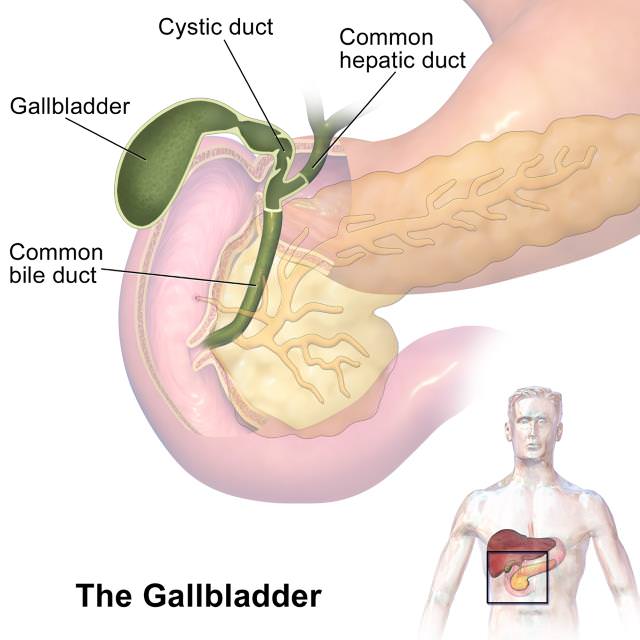
If you’re experiencing nausea after eating fatty foods specifically,
this could point to a gallbladder issue. The gallbladder is a small
organ beneath the liver that secretes bile into the small intestine.
Bile is essential for the digestion of fats. When the gallbladder cannot
excrete bile due to a gallstone or another issue, it fills up with bile
and stretches out. This can result in nausea and pain in the right side
of the belly.
Gallbladder issues are treatable, fairly common, and rarely
life-threatening, but they can be quite uncomfortable and painful. Other
signs that something is wrong with your gallbladder are dark urine,
fever, chills, and your skin and the whites of the eyes turning yellow.
8. Anxiety
If you’ve ever felt like your stomach turned into a bit knot right
before a serious conversation or public speech, you’re well aware of the
ways stress and anxiety can contribute to an upset stomach. When you’re
anxious, the brain produces stress hormones that can make the GI tract
contract either faster or slower.
Food & Drink
This can lead to the proverbial knot in the stomach, loss of appetite,
nausea, and even vomiting that tend to be worse on a full stomach. Not
only acutely stressful situations like the stage fright example we
mentioned earlier can cause digestive issues. Chronic stress can cause
similar symptoms, but they can be less pronounced. Getting the stress
and anxiety under control will resolve your stomach issues too.
9. Preganancy
Feeling sick on a full stomach isn’t necessarily a symptom of a disease.
One of the earliest signs of pregnancy is a queasy feeling in the
stomach we often refer to as “morning sickness.” Pregnancy triggers the
secretion of the human chorionic gonadotropin (HCG) hormone in the body.
Unfortunately, HCG often triggers nausea. You may be feeling nauseous in
the morning, before or after a meal. Sometimes, hormonal changes can
slow down digestion or alter the balance of gut bacteria, both of which
could be why you’re feeling nauseous too.
How to Manage Nausea After a Meal
In most cases, nausea will go away on its own once you find and address
the cause of this symptom. Needless to say, the outlook and the time
frame for recovery depends on the cause as well. If you’re experiencing
nausea at the moment or you’re looking for preventative measures,
consider these tips:
- Opt for smaller meals more often to take off some pressure from your digestive system.
- Avoid driving, running, or doing any other demanding activities after eating.
- Don’t brush your teeth right after eating.
- Suck on ice cubes to reduce nausea and calm down your stomach.
- Rest and engage in relaxing activities after a meal.
- Take your time when you’re eating or drinking.
- Sip on some ginger tea or mint tea to reduce nausea.