Wednesday, August 19, 2026

Why You’re Nauseous After Eating: 9 Causes You Should Know

Feeling a bit queasy after a large and heavy meal is normal, but regularly experiencing nausea after eating can point to an underlying medical condition. The symptom usually occurs half an hour or so after a meal, and it may pass quickly or continue for up to three hours depending on the underlying health issue. 

A wide range of mild to severe medical conditions could manifest themselves through nausea after eating. Most but not all of these conditions are related to the digestive system. Read on to learn of the medical causes and ways to manage and prevent nausea after a meal.

1. Acid reflux

Even though the hallmark of gastroesophageal disease (GERD) is heartburn, the condition could also cause nausea after a meal. Also known as acid reflux, GERD occurs because the muscle that prevents stomach acids from going up into the esophagus is malfunctioning. When the acids leak out into the esophagus, they damage and irritate the lining of the esophagus, which usually causes a burning sensation in the chest known as heartburn. This irritation may also trigger nausea in some people.

If you experience heartburn and nausea after a meal, this could be due to GERD. Even though GERD isn’t considered a life-threatening condition, it could lead to complications and should be addressed by your doctor. Late snacks and meals, alcohol as well as excessively acidic, fatty, or spicy foods are known to aggravate GERD and should be avoided.

2. Stomach flu and food poisoning

Sometimes, the food you eat is directly causing your symptoms. Foods that are not fresh or have not been stored or prepared properly can become contaminated by bacteria or viruses that wreak havoc in your digestive system. These bacteria and viruses are highly contagious and cause inflammation in the stomach and GI tract.

Patients suffering from food poisoning or the stomach flu rarely experience nausea alone. In most cases, one also has diarrhea, vomiting, stomach cramps, and a fever. These symptoms usually appear hours after you’ve eaten contaminated food, and may persist for days.

Rest, eating bland foods, and drinking lots of fluids usually help speed up the recovery, but if symptoms persist for more than 3 days or worsen, you must seek medical help.

3.  Migraines

Migraines are known to cause nausea after eating as well. The feeling of nausea can be quite intense and accompanied by dizziness, vomiting, and stomachaches. Certain foods, such as aged cheeses, alcohol, and dairy are known to trigger migraines, so getting a migraine after a meal is common.

The connection between migraines and nausea is poorly understood, but scientists believe it can be linked to low serotonin levels that are characteristic of migraines. Low serotonin is known to make people queasy. Another theory is that an increase in blood pressure caused by the migraine could trigger nausea and vomiting. In rare cases, mostly in children, nausea and vomiting can be the only symptom of a migraine.

4. Food allergies and intolerance

Food intolerances and food allergies are a common cause of nausea too, but the two shouldn’t be conflated or confused.

Food intolerances do not involve the immune system but can cause nausea hours after the food is eaten. When doctors talk about food intolerances, they refer to the inability of your digestive system to process certain foods, such as lactose or gluten. Food intolerances can manifest themselves through nausea hours after the food has been eaten and are often accompanied by stomach pains, bloating, and diarrhea.

Food allergies, on the other hand, are an extreme immune reaction to certain foods. Nausea triggered by a food allergy can start seconds or minutes after ingesting the food and co-occurs with difficulty swallowing, breathing, and swelling in the face or lips. Shellfish, eggs, nuts, or eggs are all common food allergens. Food allergies require urgent medication and are considered a medical emergency.

5. Motion sickness

Motion sickness occurs when your body perceives conflicting signals on whether or not you are moving, and the brain has difficulty processing those mixed messages. When you’re in a car, for example, the eyes and the vestibular system in the inner ear are both telling the brain that you’re moving, but the feet and the muscles sense no motion.

These conflicting messages make people sensitive to motion sickness develop nausea and vomiting. Eating food before and after moving or riding somewhere is known to intensify the feeling of nausea.

6. Irritable bowel syndrome (IBS)

Nausea after a meal is one of the most widespread complaints in people suffering from IBS. Other symptoms include bloating, stomach cramps, constipation, and diarrhea. IBS is a complex and poorly understood medical condition that affects the gut.

"There is no exact cause of an IBS flare-up. However, most symptoms, such as vomiting, tend to worsen after consuming food that is difficult to digest," stated Dr. Niket Sonpal, a gastroenterologist, to the Insider. Since IBS is a chronic condition, people who suffer from this condition learn the specific foods that trigger their symptoms and learn to avoid them. Stress is another known contributor to IBS.

7. Gall bladder issues
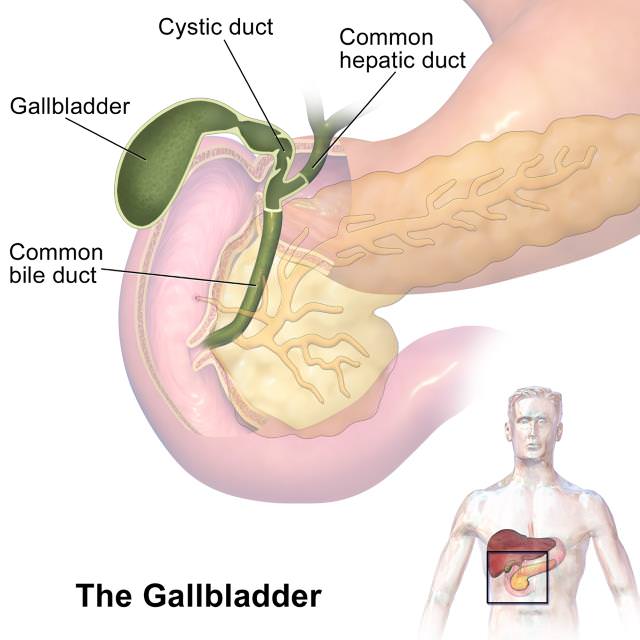
Nauseous After Eating Gallbladder

If you’re experiencing nausea after eating fatty foods specifically, this could point to a gallbladder issue. The gallbladder is a small organ beneath the liver that secretes bile into the small intestine. Bile is essential for the digestion of fats. When the gallbladder cannot excrete bile due to a gallstone or another issue, it fills up with bile and stretches out. This can result in nausea and pain in the right side of the belly.

Gallbladder issues are treatable, fairly common, and rarely life-threatening, but they can be quite uncomfortable and painful. Other signs that something is wrong with your gallbladder are dark urine, fever, chills, and your skin and the whites of the eyes turning yellow.

8. Anxiety
If you’ve ever felt like your stomach turned into a bit knot right before a serious conversation or public speech, you’re well aware of the ways stress and anxiety can contribute to an upset stomach. When you’re anxious, the brain produces stress hormones that can make the GI tract contract either faster or slower.

Food & Drink This can lead to the proverbial knot in the stomach, loss of appetite, nausea, and even vomiting that tend to be worse on a full stomach. Not only acutely stressful situations like the stage fright example we mentioned earlier can cause digestive issues. Chronic stress can cause similar symptoms, but they can be less pronounced. Getting the stress and anxiety under control will resolve your stomach issues too.

9. Preganancy
Feeling sick on a full stomach isn’t necessarily a symptom of a disease. One of the earliest signs of pregnancy is a queasy feeling in the stomach we often refer to as “morning sickness.” Pregnancy triggers the secretion of the human chorionic gonadotropin (HCG) hormone in the body. 

Unfortunately, HCG often triggers nausea. You may be feeling nauseous in the morning, before or after a meal. Sometimes, hormonal changes can slow down digestion or alter the balance of gut bacteria, both of which could be why you’re feeling nauseous too.

How to Manage Nausea After a Meal 

In most cases, nausea will go away on its own once you find and address the cause of this symptom. Needless to say, the outlook and the time frame for recovery depends on the cause as well. If you’re experiencing nausea at the moment or you’re looking for preventative measures, consider these tips:

- Opt for smaller meals more often to take off some pressure from your digestive system.

 - Avoid driving, running, or doing any other demanding activities after eating.

 - Don’t brush your teeth right after eating. 

- Suck on ice cubes to reduce nausea and calm down your stomach. 

- Rest and engage in relaxing activities after a meal. 

- Take your time when you’re eating or drinking. 

- Sip on some ginger tea or mint tea to reduce nausea.


This is only for your information, kindly take the advice of your doctor for food, medicines, exercises and so on.   


Labels: , , , , , , , , , ,

Friday, May 08, 2026

5 Surprising Signs of Heart Disease in Women, According to Experts

 Key Points

  • Subtle symptoms like fatigue, dizziness or jaw pain may signal heart disease, especially in women.
  • Gum disease and heart disease are linked through chronic inflammation and shared risk factors.
  • Swollen ankles or shortness of breath may indicate fluid buildup from reduced heart function.
  •  


    When most people think of a heart attacl, they picture the classic movie scene of someone clutching their chest, running out of breath and collapsing to the floor. But in real life, it’s often much less obvious. And heart disease? Even more subtle. “Heart disease isn’t just isolated in the heart. It influences the whole body, which is why you might experience body-wide early signs,” says a Dr., “Many of the early signs and symptoms of heart disease are related to chronic inflammation, reduced oxygen delivery or fluid buildup due to the heart’s reduced pumping ability.”

    Some of the earliest signs of heart disease can be overlooked because they show up in places you wouldn’t expect. For women especially, symptoms of heart disease may be explained away as stress, fatigue and sometimes mistaken for normal hormonal shifts, like those that happen during menopause. That’s exactly why paying attention to subtle changes and advocating for yourself when something doesn’t feel right is more important than we often realize. Here are five surprising signals your body might be sending you.

    1. You feel short of breath doing things that used to feel easy.

    “Heart disease reduces the ability of the heart to pump blood, which delivers oxygen and nutrients to the rest of the body,” says a Dr. If your heart is not pumping effectively, the lack of oxygen to different tissues can cause fatigue, muscle soreness, dizziness and difficulty breathing.

    Getting winded after a tough workout is normal. Getting winded while talking, walking or lying down is worth paying attention to. Shortness of breath can happen when blood flow isn’t moving smoothly through the heart and lungs, almost like a traffic jam in your circulatory system.1 When plaque starts to build up, it narrows the blood vessels and slows down circulation, making the heart work overtime. That extra strain can cause fluid to back up in the lungs, leading to that breathless feeling, especially when lying flat. “Don’t ignore subtle changes,” encourages a Dr., “Your body is giving you important feedback. I recommend tracking symptoms, noting when they occur and speaking with a health care provider promptly.” 

    2. Your gums bleed or your oral health has taken a turn.

    There’s a strong connection between gum disease and heart disease. Chronic inflammation in the mouth can spill over into the bloodstream, contributing to inflammation in the blood vessels. The bacteria that cause gum infections can enter the bloodstream and can lead to systemic inflammation that can damage blood vessels and increase the risk for cardiovascular events like heart attacks and strokes. “It’s also important to note that gum disease and heart issues often have some common risk factors, like unbalanced diet, diabetes and chronic stress,” shares a Dr. “Aside from good oral hygiene, foods high in vitamin C, antioxidants and omega-3 fatty acids can support healthy gums,” notes a Dr.

    3. You’re dealing with swelling in your legs, ankles or feet.

    If your socks are suddenly leaving deeper marks or your shoes feel tighter by the end of the day, it could be a sign of fluid buildup. “When the heart isn’t pumping effectively, fluid can start to pool, especially in the lower body,” says  a Dr. The elevated pressure forces fluid out of blood vessels into surrounding tissues, especially the legs, ankles and feet. This can be a symptom you may write off as just from being on your feet all day, but it could be more than that. Taub-Dix notes that many women who have swollen ankles or puffy feet might attribute this fluid retention to eating salty foods or wearing tight shoes, but this may be a sign that something more might be brewing. It’s best to call a health care provider and set up an appointment to discuss these symptoms rather than waiting until something worse might occur.

    4. You feel nauseous, lightheaded or dizzy.

    Heart-related symptoms don’t always show up in ways that feel obviously connected to your heart. Some people, especially women, experience things like nausea, dizziness or a general uneasy feeling before more obvious symptoms show up. It can be vague, which might be easy to ignore, but unusual symptoms are often worth a closer look.

    Research suggests that symptoms like dizziness and fatigue don’t often happen in isolation. In people with cardiovascular disease, higher stress levels have been linked to poorer sleep, with fatigue and dizziness acting as key middle players, essentially creating a loop where feeling off can both stem from and contribute to overall strain on the body. “My general recommendation is always to see their provider, get an EKG and basic blood work. Make sure that risk assessment calculations are being done and be forthcoming about family history so that your provider can assess risk properly,” says a Dr. Harris-Pincus also recommends that it’s important to stay hydrated, manage blood sugar, monitor BP and eat potassium rich foods.

    5. You feel pain that isn’t in your chest.

    Heart-related pain can show up in your jaw, neck, back, shoulders and even arms. This type of pain doesn’t always feel like a sharp pain; it can be more of a dull ache, pressure or discomfort. In some cases, this type of discomfort happens because the nerves that carry pain signals from the heart overlap with other areas of the body, essentially redirecting the sensation elsewhere. “Because women generally have a smaller heart and blood vessels than men, which are more prone to damage and blockage, women are more likely to have microvascular disease in the heart and peripheral arteries. This shows up as more subtle symptoms than the typical angina [chest pain] associated with blockages in the larger coronary arteries,” says a Dr.

    A Dr., urges, “Any persistent or unusual symptoms should be evaluated by a qualified health care professional, especially if they represent a change from baseline. Women are more likely to present with atypical symptoms (such as fatigue, nausea, back or jaw pain) rather than chest pain, so subtle changes should not be dismissed.” If this type of pain is new, unexplained or happening alongside other symptoms like shortness of breath, nausea or fatigue, it’s worth getting checked out sooner rather than later. It’s always better to rule something out than to ignore a signal your body is trying to send.

    Other Tips for Supporting Heart Health

    • Be mindful of electrolytes: The American Heart Association recommends that the average American should limit sodium intake to no more than 2,300 milligrams per day. “Trendy electrolyte brands contain upwards of 500 to 1,000 mg of sodium. Unless you are very active and need to replenish sodium lost through sweat, you do not need a daily electrolyte supplement. Consider flavoring your water with citrus instead of an electrolyte packet to support your hydration instead,” says a Dr.
    • Prioritize regular checkups: “Have your blood lipid levels checked one to two times per year. If there is a family history of heart disease, I would request having lipoprotein(a) measured in addition to a standard blood lipid panel,” says a Dr. Katz also notes, “Newer recommendations emphasize earlier identification of lipid abnormalities, use of advanced markers like lipoprotein(a) and apolipoprotein B in select patients and consideration of coronary artery calcium (CAC) scoring to detect subclinical atherosclerosis and refine risk assessment.” 10 This reflects a broader shift toward detecting risk earlier before symptoms develop and intervening proactively.
    • Practice healthy sleep hygiene: “Aside from ensuring that you see a provider and advocate for evaluation, I always recommend that you prioritize your sleep. So many of us don’t get the recommended seven hours of sleep, and not sleeping well can have a downstream inflammatory effect on your body,” notes Jayman-Aristide.
    • Eat a balanced diet: Dietary patterns like DASH (Dietary Approaches to Stop Hypertension) and the Mediterranean diet are evidence-based, sustainable and nutritionally balanced ways to support heart health for the long term. “Focus on fiber-rich plant foods like fruit, veggies, pulses (such as lentils, chickpeas, beans and peas), nuts, seeds and whole grains. Include lean proteins from seafood, poultry, soy, lean cuts of meat and low- or nonfat dairy,” recommends Harris-Pincus.
    • Focus on small ways to increase your daily movement: Current guidelines from the AHA recommend at least 150 minutes per week of moderate-intensity activity or 75 minutes of vigorous activity, plus muscle-strengthening exercise at least two days per week.11 Start with what feels approachable to you by prioritizing things you can easily incorporate into your daily routine. “Try parking farther from the store to get in more steps, or take the stairs,” adds a Dr. Smolen notes that these small changes can add up over time to big heart-health benefits.
    • Reduce the time you spend sitting down: “Prolonged sitting is now recognized as an independent cardiovascular risk factor, even in otherwise-active individuals,” notes Katz.12 To help you stay consistent, try setting an alert on your phone or in your calendar to get up each hour for five to 10 minutes to stretch and move around.

    Our Expert Take

    Heart disease doesn’t always announce itself loudly; sometimes it whispers. While any of these symptoms on their own don’t automatically mean something serious is going on, patterns over time matter. If something feels off or different from your norm, it’s always worth checking in with a health care provider. When it comes to your heart health, catching things early can make all the difference.


    This is only for your information, kindly take the advice of your doctor for medicines, exercises and so on.   


    Labels: , , , , , , , , ,