Thursday, December 31, 2020

10 Ways to Drastically Reduce Excessive Sweating

Sweating and bad body odor are probably two of the most common problems people suffer from during the summer. Sweating is a protective action our body performs to keep our core temperature lower than the hot environment, but it can have some undesirable side effects. To help you avoid sweat stains, bad body odor, sweaty hands and similar problems, here is a list of 10 things you can do to reduce your sweating.

Avoid spicy, sugary and chemically-processed foods: Spicy foods may be tasty and healthy but they make your body sweat more frequently. The same goes for artificially sweetened food that contains high amounts of fructose syrup. These type of products, and other manufactured pre-made, packaged and frozen foods, are high on chemical toxins that will aggravate sweating.

Boost your deodorant and antiperspirant: 
Applying talcum powder or baking soda to your underarms will help soak up moisture and prevent odor. They both have a very mild and pleasant smell that will not collide with anything else you are using. You can also put some powder in your shoes or gloves if you are doing any work that requires them. 
 
Shave hairy areas: 
Accumulation of sweat tends to occur around the hairs, in places like your underarms, groin and bearded neck. As a result, bacteria will soon start feeding on them, which will result in an unpleasant odor coming from the toxins discharged by the bacteria. The hairy areas are also less exposed to fresh air and so the sweat and moisture take much longer to dry. This means the body cools slower, and sweats more trying to cool itself. Shaving those areas is one of the most effective natural methods to overcoming excessive sweating. 
 
Wear natural fibers and not nylons or polyesters: 
Cotton, silk, hemp and wool are fabrics that enable the skin to “breathe”. They provide ample space around the armpit area which allow for evaporation of moisture and free flow of air. In contrast, synthetic fabrics are made with much tighter weaves that trap heat and make your body sweat more. Another plus of the natural fibers is that they absorb moisture well, which prevents bacteria from feeding on your sweat and causing a stink. While it may result in sweat stains if you are in a very hot environment, the next two tips will help you deal with that.

Choose loose fitting clothes: 
If your clothes are too tight then they are depriving your skin from enough air to circulate around it, and absorb all the moisture meant to cool your body. This increases sweating and triggers the sweat glands in your body to produce more since they think the skin is dry. If you know you are going to be hot and sweaty it’s a good idea to open up an extra button on your collar, and wear simple, light clothes. 
 
Wear undershirts: 
If you are still suffering from heavy sweating and your shirt is sticking to your armpits and chest, you might want to put on another layer of clothes. It might sound counterintuitive, but wearing more cloths can keep you cooler and less sweaty. You can take any plain wool or cotten shirt, cut the collar to make it less tight, and wear it under your normal outfit.

Use the power of fruits:   lemon
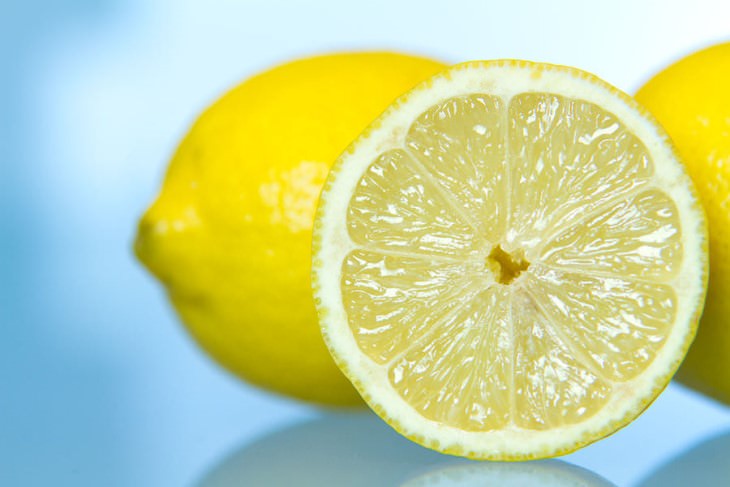
Eating healthy improves all aspects of your life and sweating is no different. You can even use the power and benefits of such fruits as lemons to directly reduce sweating. Cut a lemon in half and gently rub it under your arms until the skin is coated in a thin layer of juice. Let it dry and the citrus will work as a natural deodorant with its acidic juice that can help stop sweat from being produced.

Relax and stay calm: 
Sweat is sometimes more related to your state of mind then the temperature of your body. Being in a state of stress and anxiety will instantly trigger your sweat glands. Try your best to stay calm and not to drink or eat anything with caffeine or similar materials, they will convince your nervous system you are stressed and this will of course cause more sweating. 
 
Clean your skin and relax your body with alternative options:  
Acupuncture treatments have been known to provide relief for some people with problems of excessive sweating. Other treatments with essential oils can also clean your skin, relax your body and leave a pleasant smell to hide body odor. The most common kinds are rose, lavender and orange oil. Even a simple massage can help free your body from toxins, and help you lose all that unwanted stress. 
 
See a doctor:  
Excessive sweating or sweating at unusual times might indicate a deeper, bigger problem. Sweating can be a symptom of various health problems including heart disease, leukemia, menopause, non-Hodgkin's lymphoma, tuberculosis and several stress and anxiety related disorders. It's also important to note that certain medications like beta blockers can also cause excessive sweating as side effects and there might be a replacement for them.

This is only for your information, kindly take the advice of your doctor for medicines, exercises and so on.     

https://gscrochetdesigns.blogspot.com. one can see my crochet creations  
https://gseasyrecipes.blogspot.com. feel free to view for easy, simple and healthy recipes    
https://kneereplacement-stickclub.blogspot.com. for info on knee replacement

Labels: , , , , , , , ,

Thursday, March 12, 2020

Home remedies for varicose veins

Varicose veins occur when a person’s veins become swollen and enlarged. In some people, they can cause pain and discomfort. A range of home treatments may help to reduce the appearance and pain of varicose veins.
Around 20%  of adults will experience varicose veins at some point. There are several medical treatments for this condition, though a person may also wish to try natural home remedies to relieve their symptoms.
In this article, we look at 10 natural ways to treat varicose veins at home.
Varicose veins have a dark blue or purple appearance and may bulge out from underneath the skin.
Varicose veins can develop when small valves in the veins become weak. These valves usually stop blood flowing backward through the veins, and when they are damaged blood can pool in the veins. This causes twisted and swollen veins that also become very visible.
Varicose veins can be noticeable because of their dark blue or purple appearance, they also often bulge out from underneath the skin.
Other symptoms of varicose veins include:
  • burning or throbbing sensation in the legs
  • uncomfortable legs that feel heavy or achy
  • muscle cramps that can be more noticeable at night
  • swelling of the feet and ankles
  • dry or itchy skin that appears thinner over the varicose vein

If a person has varicose veins, they can try the following home remedies to help manage the condition and improve symptoms:

1. Exercise
Regular exercise encourages better blood circulation in the legs, which helps to push along the blood that has collected in the veins. Exercise also helps to lower a person’s blood pressure, which is another contributing factor to varicose veins.

Low-impact exercises help to get the calf muscles working without excessive strain. Effective, low-impact exercises include:
  • swimming
  • walking
  • cycling
  • yoga
2. Compression stockings
Compression stockings are available from most pharmacies and can help by applying pressure to the legs. This aids the muscles and veins to move blood toward the heart.

A study from 2018 found that people who used knee-high compression stockings with a pressure of 18 to 21 mmHg for one week, reported a reduction in the pain and aching associated with varicose veins.

3. Plant extracts
A review study from 2006 suggests that horse chestnut extract, Aesculus hippocastanum L., may help to reduce leg pain, heaviness, and itching in people with chronic venous insufficiency, which is a major cause of varicose veins.

A review study from 2010 reports that sea pine extract, Pinus maritima, and Butcher’s broom extract, Ruscus aculeatus, may both reduce leg swelling, or edema, that is often associated with varicose veins.
Plant extracts and essential oils should be diluted in carrier oils before being applied topically or used in a diffuser for aromatherapy.

4. Dietary changes
Potassium-high foods, such as almonds and pistachio nuts, can help varicose veins by reducing water retention in the body.
Salty or sodium-rich foods can cause the body to retain water, so cutting down on salty food can minimize water retention. Foods high in potassium can help to reduce water retention.
Foods that are high in potassium include:
  • almonds and pistachio nuts
  • lentils and white beans
  • potatoes
  • leafy vegetables
  • some fish, such as salmon and tuna
Foods with fiber help to keep the bowels moving and prevent constipation. This may be important, as straining can aggravate damaged valves or make them worse.
Foods that are high in fiber include:
  • nuts, seeds, and legumes
  • oats, wheat, and flaxseed
  • whole-grain foods
People who are overweight are more likely to experience varicose veins, therefore, shedding any excess pounds can reduce the pressure on the veins and alleviate swelling and discomfort.

5. Eat more flavonoids
Adding foods that contain flavonoids may also help a person to shrink their varicose veins.
Flavonoids improve blood circulation, which will keep the blood flowing, and make it less likely to pool in the veins. They also help to reduce blood pressure in the arteries and can relax blood vessels, all of which can reduce varicose veins.
Foods that contain flavonoids include:
  • vegetables, including onion, bell peppers, spinach, and broccoli
  • citrus fruits and grapes, cherries, apples, and blueberries
  • cocoa
  • garlic
6. Herbal remedies
According to the National Institute of Health, taking grape seed extract, Vitis vinifera, orally may help to reduce swelling in the lower legs and other symptoms of chronic venous insufficiency, though there is currently limited evidence for its effectiveness.
A person prescribed with blood-thinning medication should avoid taking grape seed extract, as a dietary supplement, as it can interact with the medication and increase the risk of bleeding.

7. Choose non-restrictive clothing
Wearing tight-fitting clothes can restrict blood flow. A person may find that their circulation is improved by wearing loose-fitting clothes that do not restrict the blood supply to the lower body.
Wearing flat shoes instead of high heels may also help with varicose veins in the legs.
8. Keep the legs elevated
Keeping the legs elevated, ideally at the same height as the heart or above it will help to improve circulation. This reduces the pressure in the leg veins and gravity will help the blood to flow smoothly back to the heart.
A person should aim to keep their legs elevated if they are going to be sitting down for long periods of time, such as during work or rest.
9. Massage
Gently massaging the affected areas can help to keep the blood moving through the veins. A person can use gentle massage oils or moisturizer for optimal effects.
It is crucial to avoid pressing directly onto the veins, however, as this may damage fragile tissues.
10. Keep moving
Avoid sitting for long periods of time. If a person has to sit for long periods of time for work, they should aim to get up and move around or change position frequently to keep the blood flowing smoothly.
Avoid sitting with crossed legs, as this can further restrict blood flow to the legs and feet, which may add to circulation problems.
There are a number of medical options available if home treatments have not improved a person’s condition.
If varicose veins home treatments are not working or causing a person severe discomfort, medical treatment is also available to help tackle varicose veins. A doctor may prescribe the following:
  • Endothermal ablation. This is a procedure where heat is used to seal the affected veins.
  • Ambulatory phlebectomy. This is where a doctor will puncture the skin and remove the varicose veins through small slits. Scarring is usually minimal afterward.
  • Sclerotherapy. This procedure uses a particular foam to close the veins and shrink them.
  • Ligation and stripping. In this procedure, the varicose veins are surgically removed.
  • Laser surgeries. Here, intense bursts of light are directed onto the vein, making it gradually fade and disappear.
  • Endoscopic vein surgery. During this surgery, a tiny video camera is inserted into the leg to help the surgeon see better. Removal of the veins then takes place via a series of small incisions.

Varicose veins can cause discomfort and make a person feel self-conscious. Treating varicose veins at home is possible, and diet and lifestyle changes may improve the symptoms.
People with severe varicose veins may wish to seek medical treatments to help reduce their appearance and improve symptoms.
Talking through the options with a doctor will help an individual make the best and most informed decision about the right treatment for them.

This is only for your information, kindly take the advice of your doctor for medicines, exercises and so on.     

https://gscrochetdesigns.blogspot.com. one can see my crochet creations  
https://gseasyrecipes.blogspot.com. feel free to view for easy, simple and healthy recipes    
https://kneereplacement-stickclub.blogspot.com. for info on knee replacement
 

Labels: , , , , , , , , , , , , ,

Sunday, September 01, 2019

10 Ways to Drastically Reduce Excessive Sweating

Sweating and bad body odor are probably two of the most common problems people suffer from during the summer. Sweating is a protective action our body performs to keep our core temperature lower than the hot environment, but it can have some undesirable side effects. To help you avoid sweat stains, bad body odor, sweaty hands and similar problems, here is a list of 10 things you can do to reduce your sweating.

10 ways to stop sweating: man sweating
Like

Avoid spicy, sugary and chemically-processed foods:
Spicy foods may be tasty and healthy but they make your body sweat more frequently. The same goes for artificially sweetened food that contains high amounts of fructose syrup. These type of products, and other manufactured pre-made, packaged and frozen foods, are high on chemical toxins that will aggravate sweating.


Boost your deodorant and antiperspirant:
Applying talcum powder or baking soda to your underarms will help soak up moisture and prevent odor. They both have a very mild and pleasant smell that will not collide with anything else you are using. You can also put some powder in your shoes or gloves if you are doing any work that requires them.


Shave hairy areas:
Accumulation of sweat tends to occur around the hairs, in places like your underarms, groin and bearded neck. As a result, bacteria will soon start feeding on them, which will result in an unpleasant odor coming from the toxins discharged by the bacteria. The hairy areas are also less exposed to fresh air and so the sweat and moisture take much longer to dry. This means the body cools slower, and sweats more trying to cool itself. Shaving those areas is one of the most effective natural methods to overcoming excessive sweating.


Wear natural fibers and not nylons or polyesters:
Cotton, silk, hemp and wool are fabrics that enable the skin to “breathe”. They provide ample space around the armpit area which allow for evaporation of moisture and free flow of air. In contrast, synthetic fabrics are made with much tighter weaves that trap heat and make your body sweat more. Another plus of the natural fibers is that they absorb moisture well, which prevents bacteria from feeding on your sweat and causing a stink. While it may result in sweat stains if you are in a very hot environment, the next two tips will help you deal with that.


Choose loose fitting clothes:
If your clothes are too tight then they are depriving your skin from enough air to circulate around it, and absorb all the moisture meant to cool your body. This increases sweating and triggers the sweat glands in your body to produce more since they think the skin is dry. If you know you are going to be hot and sweaty it’s a good idea to open up an extra button on your collar, and wear simple, light clothes.


Wear undershirts:
If you are still suffering from heavy sweating and your shirt is sticking to your armpits and chest, you might want to put on another layer of clothes. It might sound counter-intuitive, but wearing more cloths can keep you cooler and less sweaty. You can take any plain wool or cotton shirt, cut the collar to make it less tight, and wear it under your normal outfit.


Use the power of fruits:
Eating healthy improves all aspects of your life and sweating is no different. You can even use the power and benefits of such fruits as lemons to directly reduce sweating. Cut a lemon in half and gently rub it under your arms until the skin is coated in a thin layer of juice. Let it dry and the citrus will work as a natural deodorant with its acidic juice that can help stop sweat from being produced.


Relax and stay calm:

Sweat is sometimes more related to your state of mind then the temperature of your body. Being in a state of stress and anxiety will instantly trigger your sweat glands. Try your best to stay calm and not to drink or eat anything with caffeine or similar materials, they will convince your nervous system you are stressed and this will of course cause more sweating.

Clean your skin and relax your body with alternative options:
Acupuncture treatments have been known to provide relief for some people with problems of excessive sweating. Other treatments with essential oils can also clean your skin, relax your body and leave a pleasant smell to hide body odor. The most common kinds are rose, lavender and orange oil. Even a simple massage can help free your body from toxins, and help you lose all that unwanted stress.


See a doctor:
Excessive sweating or sweating at unusual times might indicate a deeper, bigger problem. Sweating can be a symptom of various health problems including heart disease, leukemia, menopause, non-Hodgkin's lymphoma, tuberculosis and several stress and anxiety related disorders. It's also important to note that certain medications like beta blockers can also cause excessive sweating as side effects and there might be a replacement for them.

THIS IS ONLY FOR INFORMATION, ALWAYS CONSULT YOU PHYSICIAN BEFORE HAVING ANY PARTICULAR FOOD/ MEDICATION/EXERCISE/OTHER REMEDIES.                                    PS- THOSE INTERESTED IN RECIPES ARE FREE TO  VIEW MY BLOG-                                                                                           https://gseasyrecipes.blogspot.com/                                                                                                                                                FOR INFO ABOUT KNEE REPLACEMENT, YOU CAN VIEW MY BLOG-                                                                       https:// kneereplacement-stickclub.blogspot.com/                                                                                                                     FOR CROCHET DESIGNS                                                                                                   
                                https://gscrochetdesigns.blogspot.com

Labels: , , , , , , , , ,

Monday, February 25, 2019

Visit Your Doctor if You Notice These Signs

Your digestive system consists of your esophagus, stomach, colon, pancreas, and liver. Consequently, it's no wonder that symptoms of GI problems occur. But when they do show up in ways that you don't expect, you might not realize that a visit to the gastroenterologist is in order. If you experience any one of these symptoms, be sure to book that appointment:
 
1. You've got a lump in your throat
If you are having trouble swallowing food, get it checked - especially if the feeling gets more intense over time. In some cases, even water can become hard to swallow. And when pain with drinking water occurs it can be a sign of a serious GI problem. Your doctor will likely also want to know if your swallowing problems come with a side of coughing, hoarseness, hiccups, or feeling full after just a few bites of food. These could indicate esophageal cancer.
2. Your gas clears the room
While flatulence is normal - the average person passes almost 2 liters of gas each day - if it's paired with unpleasant side effects, this is a cause of concern. Be on the lookout for abdominal discomfort, change in bowel habits or unexplained weight loss. Unusually foul-smelling gas could be a signal that a parasite called giardia is infecting your intestines. 
3. Your pants are suddenly too tight
If you're having a harder time zipping your jeans than you did a few days ago, it may be due to bloating - a common problem that can be a result of overeating or swallowing too much air. But if sudden bloating occurs for no obvious reason and is accompanied by symptoms like pain or blood in the stool, it is best to speak to a GI doctor. It could be due to a dairy digestion problem, or it could indicate gastroesophageal reflux disease, irritable bowel syndrome, gallstones, constipation or celiac disease. 

4. Your pants are suddenly too loose
Unexplained weight loss can be a symptom of many health problems. Seeing to your digestive system is a great place to start. The first things to exclude are cancers of the colon, pancreas, and stomach. Other reasons you might be dropping pounds could include conditions like celiac disease or Crohn's disease, which interfere with your body's ability to absorb nutrients. 
5. Bleeding is never normal
With regards to the rectum, bleeding is never normal. Bright red bleeding you see on toilet paper may be from hemorrhoids - swollen blood vessels on your bottom that can itch or hurt. While hemorrhoids can be managed, if bleeding is ongoing or not linked to this, it is essential that you see a GI doctor. 
6. You've stopped pumping iron in your blood
Iron helps red blood cells deliver oxygen to the body's tissues. When you're running low on your iron, your whole body will feel it. You may feel very tired, experience headaches, have yellowish skin, brittle nails, hair loss, and general overall weakness. Your iron levels can be checked with a simple blood test. Though if you turn out to be anemic, you may need to see your GI specialist. Iron deficiency caused by anemia can be due to chronic, unseen blood loss in the GI tract from things like colon cancer, stomach cancer, ulcers, inflammatory bowel disease or superficial blood vessels called angiodysplasia. 
THIS IS ONLY FOR INFORMATION, ALWAYS CONSULT YOU PHYSICIAN BEFORE HAVING ANY PARTICULAR FOOD/ MEDICATION/EXERCISE/OTHER REMEDIES.                                    PS- THOSE INTERESTED IN RECIPES ARE FREE TO  VIEW MY BLOG-                                                                                           https://gseasyrecipes.blogspot.com/                                                                                                                                                         FOR INFO ABOUT KNEE REPLACEMENT, YOU CAN VIEW MY BLOG-                                                  https:// kneereplacement-stickclub.blogspot.com/           

                                                                           FOR CROCHET DESIGNS                                                                                                                                                                                                  https://gscrochetdesigns.blogspot.com


Labels: , , , , , , , , , , , , ,