Monday, November 15, 2021

6 Natural Ways to Fight Swollen Limbs

Swollen feet, ankles, and legs are incredibly uncomfortable ailments to be afflicted with. Yet, they are not so easy to deal with, as they seem to make us do the very thing that often causes them: remaining stationary and sedentary. These days many of us find ourselves rooted to our desk chairs and car seats, making swollen limbs very common. Though, perhaps because the ailment is so common, there is now a wealth of useful information out there to help you deal with it.
swollen limbs, natural remedies
Here are 6 natural solutions you can easily apply to assuage and relieve your swollen limbs. 
 
Note: Swollen limbs could be a symptom of a bigger health problem. So, to be on the safe side, consult your doctor if your feet, ankles or legs are experiencing swelling of any kind.

1. Prop up your legs
swollen limbs, natural remedies
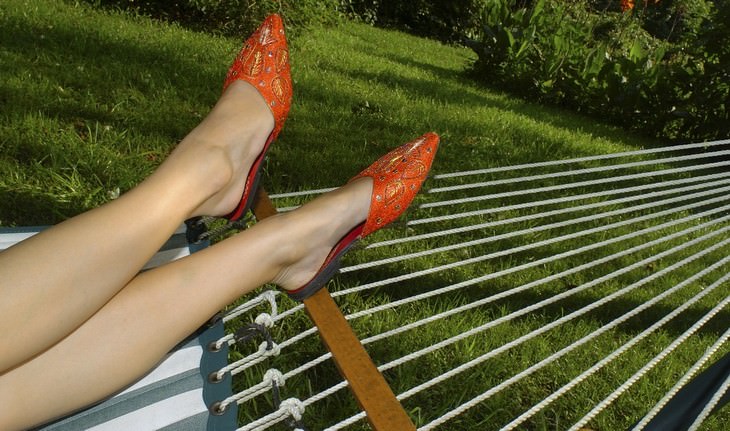
You don’t have to be injured to reap the benefits of putting your feet up. Make a habit of elevating your legs for half an hour per day. This will help drain your body of excess fluids, which may be causing swelling. 
 
2. Drink plenty of water
Water, and plenty of it, is one of the most important ingredients of almost any medical remedy, and this certainly holds for swollen feet and legs. Staying well hydrated prevents swelling toxins from building up and maintains tissue health. It’s currently estimated that men should drink around 13 cups (3 liters) of fluid and women 9 cups (2.2 liters) per day. How much of this should be water is open to conjecture. 
 
3. Soak yourself with Epsom salts
Epsom salts will make your legs and feet actually feel a whole lot better. To give your swollen legs this boost, simply add some Epsom salt to your bath or foot spa.  
 
4. Get more magnesium in your diet
swollen limbs, natural remedies
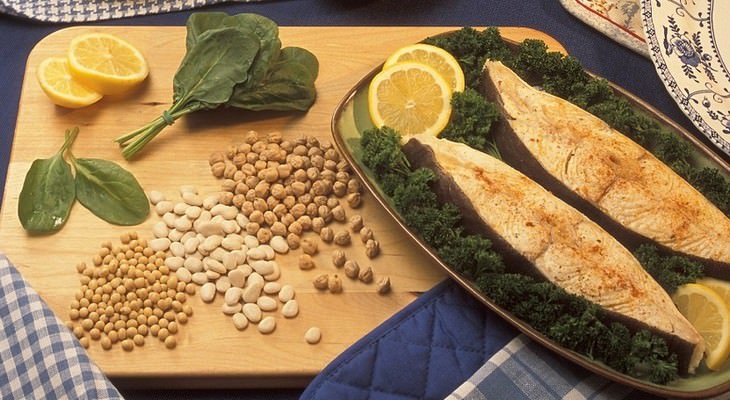
Magnesium often gets forgotten about when it comes to healthy vitamins and minerals, but it could hardly be more important when it comes to preventing inflammation and keeping your heart and immune system healthy. You don’t need to go straight for the supplements either. You will find lots of magnesium in the following foods: lean meat and poultry, dark, leafy, green vegetables, milk, yogurt, eggs, nuts, beans, and whole grains.

5. Apply some apple cider vinegar
swollen limbs, natural remedies
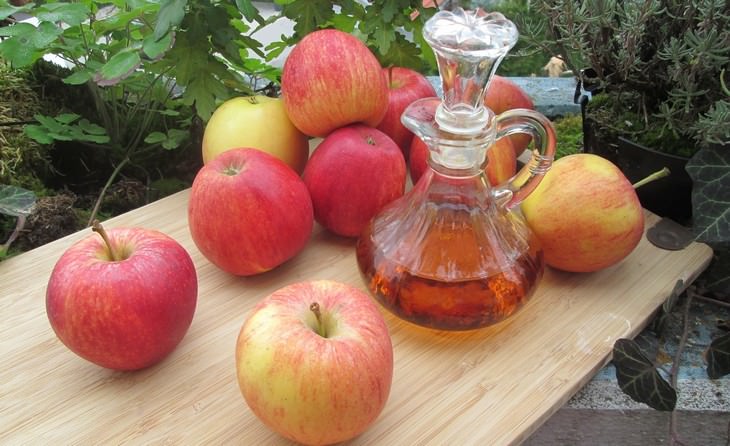
Apple cider makes a truly wonderful vinegar, and perfect for fixing swollen limbs. Not only will it help relieve swelling pains, when rubbed into your skin, but it’ll also absorb the excess fluid from your limbs.  
 
6. Get plenty of exercise
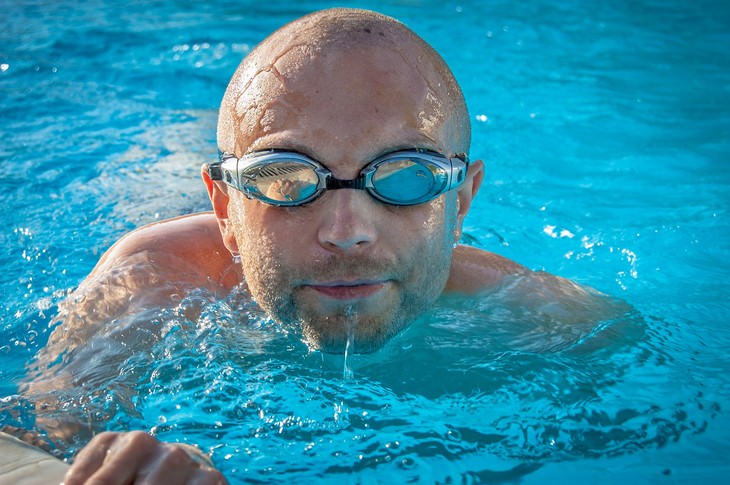
swollen limbs, natural remedies
The last option is the easiest of all: exercise. Nothing is better at stopping fluid build-ups in your body than keeping yourself active with your favorite activities. Anything that can get your heart pumping and blood moving is a great choice, but swimming may be the most therapeutic. A special mention should also go to walking, jogging, and – if you are curious about trying it out – yoga.

This is only for your information, kindly take the advice of your doctor for medicines, exercises and so on.   

https://gscrochetdesigns.blogspot.com. one can see my crochet creations  
https://gseasyrecipes.blogspot.com. feel free to view for easy, simple and healthy recipes    
https://kneereplacement-stickclub.blogspot.com. for info on knee replacement


Labels: , , , , , , , , , , ,

Thursday, March 19, 2020

Home remedies for varicose veins

Varicose veins occur when a person’s veins become swollen and enlarged. In some people, they can cause pain and discomfort. A range of home treatments may help to reduce the appearance and pain of varicose veins.
Around 20 percent of adults will experience varicose veins at some point. There are several medical treatments for this condition, though a person may also wish to try natural home remedies to relieve their symptoms.
In this article, we look at 10 natural ways to treat varicose veins at home.
Varicose veins have a dark blue or purple appearance and may bulge out from underneath the skin.
Varicose veins can develop when small valves in the veins become weak. These valves usually stop blood flowing backward through the veins, and when they are damaged blood can pool in the veins. This causes twisted and swollen veins that also become very visible.
Varicose veins can be noticeable because of their dark blue or purple appearance, they also often bulge out from underneath the skin.
Other symptoms of varicose veins include:
  • burning or throbbing sensation in the legs
  • uncomfortable legs that feel heavy or achy
  • muscle cramps that can be more noticeable at night
  • swelling of the feet and ankles
  • dry or itchy skin that appears thinner over the varicose vein

If a person has varicose veins, they can try the following home remedies to help manage the condition and improve symptoms:
1. Exercise
Regular exercise encourages better blood circulation in the legs, which helps to push along the blood that has collected in the veins. Exercise also helps to lower a person’s blood pressure, which is another contributing factor to varicose veins.
Low-impact exercises help to get the calf muscles working without excessive strain. Effective, low-impact exercises include:
  • swimming
  • walking
  • cycling
  • yoga
2. Compression stockings
Compression stockings are available from most pharmacies and can help by applying pressure to the legs. This aids the muscles and veins to move blood toward the heart.
A study from 2018 found that people who used knee-high compression stockings with a pressure of 18 to 21 mmHg for one week, reported a reduction in the pain and aching associated with varicose veins.
Compression stockings can be found in pharmacies or online stores.
3. Plant extracts
A review study from 2006 suggests that horse chestnut extract, Aesculus hippocastanum L., may help to reduce leg pain, heaviness, and itching in people with chronic venous insufficiency, which is a major cause of varicose veins. Aesculus hippocastanum L. is available to purchase in health stores and online.
A review study from 2010 reports that sea pine extract, Pinus maritima, and Butcher’s broom extract, Ruscus aculeatus, may both reduce leg swelling, or edema, that is often associated with varicose veins. Ruscus aculeatus is available to purchase in health stores and online.
Plant extracts and essential oils should be diluted in carrier oils before being applied topically or used in a diffuser for aromatherapy.
4. Dietary changes
Potassium-high foods, such as almonds and pistachio nuts, can help varicose veins by reducing water retention in the body.
Salty or sodium-rich foods can cause the body to retain water, so cutting down on salty food can minimize water retention. Foods high in potassium can help to reduce water retention.
Foods that are high in potassium include:
  • almonds and pistachio nuts
  • lentils and white beans
  • potatoes
  • leafy vegetables
  • some fish, such as salmon and tuna
Foods with fiber help to keep the bowels moving and prevent constipation. This may be important, as straining can aggravate damaged valves or make them worse.
Foods that are high in fiber include:
  • nuts, seeds, and legumes
  • oats, wheat, and flaxseed
  • whole-grain foods
People who are overweight are more likely to experience varicose veins, therefore, shedding any excess pounds can reduce the pressure on the veins and alleviate swelling and discomfort.
5. Eat more flavonoids
Adding foods that contain flavonoids may also help a person to shrink their varicose veins.
Flavonoids improve blood circulation, which will keep the blood flowing, and make it less likely to pool in the veins. They also help to reduce blood pressure in the arteries and can relax blood vessels, all of which can reduce varicose veins.
Foods that contain flavonoids include:
  • vegetables, including onions, bell peppers, spinach, and broccoli
  • citrus fruits and grapes, cherries, apples, and blueberries
  • cocoa
  • garlic
6. Herbal remedies
According to the National Institute of Health, taking grape seed extract, Vitis vinifera, orally may help to reduce swelling in the lower legs and other symptoms of chronic venous insufficiency, though there is currently limited evidence for its effectiveness.
A person prescribed with blood-thinning medication should avoid taking grape seed extract, as a dietary supplement, as it can interact with the medication and increase the risk of bleeding.
7. Choose non-restrictive clothing
Wearing tight-fitting clothes can restrict blood flow. A person may find that their circulation is improved by wearing loose-fitting clothes that do not restrict the blood supply to the lower body.
Wearing flat shoes instead of high heels may also help with varicose veins in the legs.
8. Keep the legs elevated
Keeping the legs elevated, ideally at the same height as the heart or above it will help to improve circulation. This reduces the pressure in the leg veins and gravity will help the blood to flow smoothly back to the heart.
A person should aim to keep their legs elevated if they are going to be sitting down for long periods of time, such as during work or rest.
9. Massage
Gently massaging the affected areas can help to keep the blood moving through the veins. A person can use gentle massage oils or moisturizer for optimal effects.
It is crucial to avoid pressing directly onto the veins, however, as this may damage fragile tissues.
10. Keep moving
Avoid sitting for long periods of time. If a person has to sit for long periods of time for work, they should aim to get up and move around or change position frequently to keep the blood flowing smoothly.
Avoid sitting with crossed legs, as this can further restrict blood flow to the legs and feet, which may add to circulation problems.
There are a number of medical options available if home treatments have not improved a person’s condition.
If varicose veins home treatments are not working or causing a person severe discomfort, medical treatment is also available to help tackle varicose veins. A doctor may prescribe the following:
  • Endothermal ablation. This is a procedure where heat is used to seal the affected veins.
  • Ambulatory phlebectomy. This is where a doctor will puncture the skin and remove the varicose veins through small slits. Scarring is usually minimal afterward.
  • Sclerotherapy. This procedure uses a particular foam to close the veins and shrink them.
  • Ligation and stripping. In this procedure, the varicose veins are surgically removed.
  • Laser surgeries. Here, intense bursts of light are directed onto the vein, making it gradually fade and disappear.
  • Endoscopic vein surgery. During this surgery, a tiny video camera is inserted into the leg to help the surgeon see better. Removal of the veins then takes place via a series of small incisions.

Varicose veins can cause discomfort and make a person feel self-conscious. Treating varicose veins at home is possible, and diet and lifestyle changes may improve the symptoms.
People with severe varicose veins may wish to seek medical treatments to help reduce their appearance and improve symptoms.
Talking through the options with a doctor will help an individual make the best and most informed decision about the right treatment for them.

This is only for your information, kindly take the advice of your doctor for medicines, exercises and so on.     

https://gscrochetdesigns.blogspot.com. one can see my crochet creations  
https://gseasyrecipes.blogspot.com. feel free to view for easy, simple and healthy recipes    
https://kneereplacement-stickclub.blogspot.com. for info on knee replacement

Labels: , , , , , , , , , , ,

Thursday, March 12, 2020

Home remedies for varicose veins

Varicose veins occur when a person’s veins become swollen and enlarged. In some people, they can cause pain and discomfort. A range of home treatments may help to reduce the appearance and pain of varicose veins.
Around 20%  of adults will experience varicose veins at some point. There are several medical treatments for this condition, though a person may also wish to try natural home remedies to relieve their symptoms.
In this article, we look at 10 natural ways to treat varicose veins at home.
Varicose veins have a dark blue or purple appearance and may bulge out from underneath the skin.
Varicose veins can develop when small valves in the veins become weak. These valves usually stop blood flowing backward through the veins, and when they are damaged blood can pool in the veins. This causes twisted and swollen veins that also become very visible.
Varicose veins can be noticeable because of their dark blue or purple appearance, they also often bulge out from underneath the skin.
Other symptoms of varicose veins include:
  • burning or throbbing sensation in the legs
  • uncomfortable legs that feel heavy or achy
  • muscle cramps that can be more noticeable at night
  • swelling of the feet and ankles
  • dry or itchy skin that appears thinner over the varicose vein

If a person has varicose veins, they can try the following home remedies to help manage the condition and improve symptoms:

1. Exercise
Regular exercise encourages better blood circulation in the legs, which helps to push along the blood that has collected in the veins. Exercise also helps to lower a person’s blood pressure, which is another contributing factor to varicose veins.

Low-impact exercises help to get the calf muscles working without excessive strain. Effective, low-impact exercises include:
  • swimming
  • walking
  • cycling
  • yoga
2. Compression stockings
Compression stockings are available from most pharmacies and can help by applying pressure to the legs. This aids the muscles and veins to move blood toward the heart.

A study from 2018 found that people who used knee-high compression stockings with a pressure of 18 to 21 mmHg for one week, reported a reduction in the pain and aching associated with varicose veins.

3. Plant extracts
A review study from 2006 suggests that horse chestnut extract, Aesculus hippocastanum L., may help to reduce leg pain, heaviness, and itching in people with chronic venous insufficiency, which is a major cause of varicose veins.

A review study from 2010 reports that sea pine extract, Pinus maritima, and Butcher’s broom extract, Ruscus aculeatus, may both reduce leg swelling, or edema, that is often associated with varicose veins.
Plant extracts and essential oils should be diluted in carrier oils before being applied topically or used in a diffuser for aromatherapy.

4. Dietary changes
Potassium-high foods, such as almonds and pistachio nuts, can help varicose veins by reducing water retention in the body.
Salty or sodium-rich foods can cause the body to retain water, so cutting down on salty food can minimize water retention. Foods high in potassium can help to reduce water retention.
Foods that are high in potassium include:
  • almonds and pistachio nuts
  • lentils and white beans
  • potatoes
  • leafy vegetables
  • some fish, such as salmon and tuna
Foods with fiber help to keep the bowels moving and prevent constipation. This may be important, as straining can aggravate damaged valves or make them worse.
Foods that are high in fiber include:
  • nuts, seeds, and legumes
  • oats, wheat, and flaxseed
  • whole-grain foods
People who are overweight are more likely to experience varicose veins, therefore, shedding any excess pounds can reduce the pressure on the veins and alleviate swelling and discomfort.

5. Eat more flavonoids
Adding foods that contain flavonoids may also help a person to shrink their varicose veins.
Flavonoids improve blood circulation, which will keep the blood flowing, and make it less likely to pool in the veins. They also help to reduce blood pressure in the arteries and can relax blood vessels, all of which can reduce varicose veins.
Foods that contain flavonoids include:
  • vegetables, including onion, bell peppers, spinach, and broccoli
  • citrus fruits and grapes, cherries, apples, and blueberries
  • cocoa
  • garlic
6. Herbal remedies
According to the National Institute of Health, taking grape seed extract, Vitis vinifera, orally may help to reduce swelling in the lower legs and other symptoms of chronic venous insufficiency, though there is currently limited evidence for its effectiveness.
A person prescribed with blood-thinning medication should avoid taking grape seed extract, as a dietary supplement, as it can interact with the medication and increase the risk of bleeding.

7. Choose non-restrictive clothing
Wearing tight-fitting clothes can restrict blood flow. A person may find that their circulation is improved by wearing loose-fitting clothes that do not restrict the blood supply to the lower body.
Wearing flat shoes instead of high heels may also help with varicose veins in the legs.
8. Keep the legs elevated
Keeping the legs elevated, ideally at the same height as the heart or above it will help to improve circulation. This reduces the pressure in the leg veins and gravity will help the blood to flow smoothly back to the heart.
A person should aim to keep their legs elevated if they are going to be sitting down for long periods of time, such as during work or rest.
9. Massage
Gently massaging the affected areas can help to keep the blood moving through the veins. A person can use gentle massage oils or moisturizer for optimal effects.
It is crucial to avoid pressing directly onto the veins, however, as this may damage fragile tissues.
10. Keep moving
Avoid sitting for long periods of time. If a person has to sit for long periods of time for work, they should aim to get up and move around or change position frequently to keep the blood flowing smoothly.
Avoid sitting with crossed legs, as this can further restrict blood flow to the legs and feet, which may add to circulation problems.
There are a number of medical options available if home treatments have not improved a person’s condition.
If varicose veins home treatments are not working or causing a person severe discomfort, medical treatment is also available to help tackle varicose veins. A doctor may prescribe the following:
  • Endothermal ablation. This is a procedure where heat is used to seal the affected veins.
  • Ambulatory phlebectomy. This is where a doctor will puncture the skin and remove the varicose veins through small slits. Scarring is usually minimal afterward.
  • Sclerotherapy. This procedure uses a particular foam to close the veins and shrink them.
  • Ligation and stripping. In this procedure, the varicose veins are surgically removed.
  • Laser surgeries. Here, intense bursts of light are directed onto the vein, making it gradually fade and disappear.
  • Endoscopic vein surgery. During this surgery, a tiny video camera is inserted into the leg to help the surgeon see better. Removal of the veins then takes place via a series of small incisions.

Varicose veins can cause discomfort and make a person feel self-conscious. Treating varicose veins at home is possible, and diet and lifestyle changes may improve the symptoms.
People with severe varicose veins may wish to seek medical treatments to help reduce their appearance and improve symptoms.
Talking through the options with a doctor will help an individual make the best and most informed decision about the right treatment for them.

This is only for your information, kindly take the advice of your doctor for medicines, exercises and so on.     

https://gscrochetdesigns.blogspot.com. one can see my crochet creations  
https://gseasyrecipes.blogspot.com. feel free to view for easy, simple and healthy recipes    
https://kneereplacement-stickclub.blogspot.com. for info on knee replacement
 

Labels: , , , , , , , , , , , , ,