Monday, May 20, 2019

Smart, traceable drug delivery can make cancer therapy more effective

In today’s era, an easy way to track any location is to navigate through GPS. Similarly, smart and trackable drug delivery systems can improve efficiency of cancer treatment. Imaging techniques can help visualize the drug carrier and monitor its delivery to the target tissues. However, a single visualization technique is usually not enough to track the drug with precision. Indian scientists have now designed multifunctional, smart and trackable drug delivery systems.

Researchers have developed multifunctional gold nano-structure that can be used in cancer imaging and therapy.

Nano-systems can simultaneously transfer drug and allow imaging of tumor. However, it is very critical to differentiate the drug carrier system from surrounding tissues and the targeted area.

Although imaging-guided local drug administration has been used widely to treat cancer but it is still very difficult to achieve accurate drug delivery if single imaging technique is used. Designing nano-structures with multi-imaging functionality wherein one imaging system can complement another allows better visualization, assistance and delivery of drug.

“We have designed a Nano-IRIS consisting of gold nano-rattles surrounded by layer of solid silica and mesoporous silica. The nanostructure looks similar to that of an iris of the human eye,” explained the leader of the research team.

Gold nano-rattles are similar to a toy rattle, consisting of a solid gold core encapsulated within thin gold shell. ‘Raman reporters’ were loaded into these porous gold nano-rattles, which allow tissue imaging through Surface- enhanced Raman Spectroscopy (SERS).

In order to load doxorubicin - a fluorescent anti-cancer drug - the gold nano-rattle was coated with mesoporous silica layer. “Since gold reduces the fluorescence of the drug when placed in its proximity, the gold nano-rattle was first coated with solid silica followed by mesoporous silica, onto which the drug is loaded. This increases the distance between gold and the drug and thereby, retains the fluorescence of the drug,” said the researcher.

Raman and fluorescence imaging confirmed the uptake and landing of the drug in breast cancer cells. The uptake and chemotherapeutic potential of the Nano-IRIS was corroborated by the cell death in breast cancer cells. “The challenging part of the study was synthesis of such a complicated system,” he said. The group is now planning further studies and exploring chemotherapy combined with photo-thermal therapy for enhancing the therapeutic efficacy.

THIS IS ONLY FOR INFORMATION, ALWAYS CONSULT YOU PHYSICIAN BEFORE HAVING ANY PARTICULAR FOOD/ MEDICATION/EXERCISE/OTHER REMEDIES.                                    PS- THOSE INTERESTED IN RECIPES ARE FREE TO  VIEW MY BLOG-                                                                                           https://gseasyrecipes.blogspot.com/    

                                                                                                                                                     FOR INFO ABOUT KNEE REPLACEMENT, YOU CAN VIEW MY BLOG-                                                  https:// kneereplacement-stickclub.blogspot.com/  

                            FOR CROCHET DESIGNS                                                                                                                                                                                                  https://gscrochetdesigns.blogspot.com


Labels: , , , , , , , , , , , , ,

Wednesday, November 16, 2016

Simple smell test can help identify those at Alzheimer’s risk

Researchers at Massachusetts General Hospital (MGH) in the US have developed a method to identify those at risk for Alzheimer’s disease on the basis of their ability to recognise and recall odours.

The non-invasive protocol testing the ability to recognise, remember and distinguish between odours was able to identify older individuals who -- according to genetic, imaging and more detailed memory tests -- were at increased risk of Alzheimer’s disease, the study said.

“There is increasing evidence that the neurodegeneration behind Alzheimer’s disease starts at least 10 years before the onset of memory symptoms,” said principal investigator Mark Albers of the MGH Department of Neurology. 

“The development of a digitally-enabled, affordable, accessible and non-invasive means to identify healthy individuals who are at risk is a critical step to developing therapies that slow down or halt Alzheimer’s disease progression,” Albers noted.

It is well known that brain circuits that process olfactory information can be affected by Alzheimer’s disease, and several studies have documented a diminished ability to identify odours in affected individuals. 

The study recruited 183 participants, most of whom were enrolled in ongoing studies at the MGH-based Massachusetts Alzheimer’s Disease Research Center. 

At the time of the olfactory testing, 70 were cognitively normal, 74 tested normal on cognitive tests but were personally concerned about their cognitive abilities, 29 had mild cognitive impairment and 10 had been diagnosed with possible or probable Alzheimer’s disease. 

Results of the test significantly differentiated among the four groups of participants, and those results correlated with the thinning of two brain regions -- the hippocampus and the entorhinal cortex -- previously associated with Alzheimer’s risk. 

The researchers also found that participants’ ability to remember a previously presented aroma also showed significant differences between the two cognitively normal groups and participants with Alzheimer’s disease, whose results were no better than chance.
Poor performers in the memory test were more likely to have the variant of the APOE gene associated with increased Alzheimer’s risk, said the study published online in the journal Annals of Neurology.

this is only for your information, kindly take the advice of your doctor for medicines, exercises and so on.
https://gscrochetdesigns.blogspot.com. one can see my crochet creations
https://gseasyrecipes.blogspot.com. feel free to view for easy, simple and healthy recipes

https://kneereplacement-stickclub.blogspot.com. for info on knee replacement

Labels: , , , , , , , , , , , , ,

Monday, November 07, 2016

BLADDER CANCER- SYMPTOMS, DIAGNOSIS AND TREATMENT

Cancer is the growth of abnormal cells in the body. Bladder cancer typically begins in the inner lining of the bladder, the organ that stores urine after it passes from the kidneys. Most bladder cancers are caught early, when treatments are highly successful and the disease has not spread beyond the bladder. But bladder cancer tends to come back, so regular check-ups are important.

Symptoms-1) Blood in Urine
Blood in the urine can be a sign of bladder cancer, either visible to the eye or picked up by routine testing. The urine may look darker than usual, brownish, or (rarely) bright red. Most commonly, blood in the urine is not caused by cancer, but by other causes. These include exercise, trauma, infections, blood or kidney disorders, or drugs, such as blood thinners.  


2)Bladder Changes
Bladder symptoms are more likely to come from conditions other than cancer. But bladder cancer can sometimes cause changes to bladder habits, including:
    Needing to go, with little or no results
    Having to go more often than usual
    Painful urination
    Difficulty urinating
Urinary tract infections or bladder stones can cause similar symptoms, but require different treatments.


Risk factors- 1) Smoking
Smokers are about four times more likely to get bladder cancer than people who have never smoked. Chemicals in tobacco smoke are carried from the lungs to the bloodstream, then filtered by the kidneys into urine. This concentrates harmful chemicals in the bladder, where they damage cells that can give rise to cancer.
2) Chemical Exposure
Research suggests that certain jobs may increase your risk for bladder cancer. Metal workers, mechanics, and hairdressers are among those who may be exposed to cancer-causing chemicals. If you work with dyes, or in the making of rubber, textiles, leather, or paints, be sure to follow safety procedures to reduce contact with dangerous chemicals. Smoking further increases risk from chemical exposure.
3) Other factors-
    Gender: Men are three times more likely to get bladder cancer.
    Age: Nine out of 10 cases occur over age 55.
    Race: Whites have twice the risk of African-Americans.
Other factors at play include a family history of bladder cancer, previous cancer treatment, certain birth defects of the bladder, and chronic bladder irritation.


Diagnosis: 1) Testing
There's no routine test for bladder cancer. But if you're at high risk or have symptoms, your doctor may first order a urine test. If needed, a procedure called cystoscopy lets your doctor see inside the bladder with a slender lighted tube with a camera on the end. The cystoscope can be used to remove small tissue samples (a biopsy) to be examined under a microscope. A biopsy is the best way to diagnose cancer.
2)  Imaging
If cancer is found, imaging tests can show whether it has spread beyond the bladder. An intravenous pyelogram uses dye to outline the kidneys, bladder, and ureters, the tubes that carry urine to the bladder. CT and MRI scans give more detailed images of these, and can show the lymph nodes nearby. An ultrasound uses sound waves, instead of radiation, to produce images. Additional imaging tests look for cancer in the lungs and bone.


Types of Bladder Cancer
The main types of bladder cancer are named for the type of cells that become cancerous. The most common is transitional cell carcinoma, which begins in the cells that line the inside of the bladder. Squamous cell carcinoma and adenocarcinoma are much less common.  


Stages of Bladder Cancer
Stage 0: Cancer stays in the inner lining.
Stage I: Cancer has spread to the bladder wall.
Stage II: Cancer has reached the muscle of the bladder wall.
Stage III: Cancer has spread to fatty tissue around the bladder.
Stage IV: Cancer has spread to the pelvic or abdominal wall, lymph nodes, or distant sites such as bone, liver, or lungs.


Treatment: 1) Surgery
Transurethral surgery is most often done for early-stage cancers. If cancer has invaded more of the bladder, the surgeon will most likely perform either a partial cystectomy, removing a portion of the bladder, or a radical cystectomy, to remove the entire bladder. For men, the prostate and urethra may also be removed. For women, the uterus, fallopian tubes, ovaries, and part of the vagina may also be removed.
2) After Surgery
If your entire bladder must be removed, your surgeon will construct another means of storing and passing urine. A piece of your intestine may be used to create a tube that allows urine to flow into an external urostomy bag. In some cases, an internal reservoir -- drained via a catheter -- can be constructed. Newer surgeries offer the possibility of normal urination through the creation of an artificial bladder.
3) Chemotherapy
Chemotherapy involves drugs designed to kill cancer cells. These drugs may be given before surgery to shrink tumors, making them easier to remove. Chemotherapy is also used to destroy any cancer cells left after surgery and to lower the chances that the cancer will return. Hair loss, nausea, loss of appetite, and fatigue are common side effects. The drugs can be given by vein or directly into the bladder.
4)  Immunotherapy
This type of treatment is delivered directly to your bladder, so it doesn’t treat cancer that has spread beyond it. One treatment, Bacillus Calmette-Guerin therapy, sends in helpful bacteria through a catheter. It triggers your immune system to attack the cancer. Flu-like symptoms are a common side effect of the once-a-week treatment. Immunotherapy may be used after surgery to reduce the risk of recurrence.
5)Radiation
Radiation uses invisible, high-energy beams, like X-rays, to kill cancer cells and shrink tumors. It's most often given from outside the body by machine. Radiation is often used in tandem with other treatments, such as chemotherapy and surgery. For people who can't undergo surgery, it may be the main treatment. Side effects can include nausea, fatigue, skin irritation, diarrhea, and pain when urinating.


 Survival Rates
Survival rates depends on the stage at diagnosis. About half of  bladder cancers are caught when the disease is confined to the inner lining of the bladder. Nearly 96% of these people will live at least five years, compared to people without bladder cancer. The more advanced the cancer, the lower this figure becomes. But keep in mind that these rates are based on people diagnosed from 2006 to 2012. The treatments and outlook may be better for cancers diagnosed today. And each person’s case is different.


Life After Bladder Cancer
What one can do is stop smoking if you do. Eat plenty of fruits, veggies, whole grain cereals, eat less meat, limit alcohol, be regular with your follow-up with your doctor, do daily exercise, do meditation.


 this is only for your information, kindly take the advice of your doctor for medicines, exercises and so on.
https://gscrochetdesigns.blogspot.com. one can see my crochet creations


https://gseasyrecipes.blogspot.com. feel free to view for easy, simple and healthy recipes

https://kneereplacement-stickclub.blogspot.com. for info on knee replacement

Labels: , , , , , , , , , , ,

Tuesday, August 13, 2013

Eyes may predict stroke risk

Photographing the retina may help detect which high blood pressure patients are more likely to have a stroke, scientists have found.
 
Retinal imaging may be an inexpensive and non-invasive way to assess risk for stroke, according to a study.
 
"The retina provides information on the status of blood vessels in the brain," said the lead author of the study.
 
"Retinal imaging is a non-invasive and cheap way of examining the blood vessels of the retina," he said. 
 
Worldwide, high blood pressure is the single most important risk factor for stroke. However, it's still not possible to predict which high blood pressure patients are most likely to develop a stroke.
 
Researchers tracked stroke occurrence for an average 13 years in 2,907 patients with high blood pressure who had not previously experienced a stroke.
 
At baseline, each had photographs taken of the retina, the light-sensitive layer of cells at the back of the eyeball.
 
Damage to the retinal blood vessels attributed to hypertension - called hypertensive retinopathy - evident on the photographs was scored as none, mild or moderate/severe.
 
During the follow-up, 146 participants experienced a stroke caused by a blood clot and 15 by bleeding in the brain.
 
They found the risk of stroke was 35 per cent higher in those with mild hypertensive retinopathy and 137 per cent higher in those with moderate or severe hypertensive retinopathy.
 
Even in patients on medication and achieving good blood pressure control, the risk of a blood clot was 96 per cent higher in those with mild hypertensive retinopathy and 198 per cent higher in those with moderate or severe hypertensive retinopathy.
 
"It is too early to recommend changes in clinical practice," he said.
 
"Other studies need to confirm our findings and examine whether retinal imaging can be useful in providing additional information about stroke risk in people with high blood pressure," he said.

ps- this is only for information, always consult you physician before having any particular food/ medication/exercise/other remedies.

ps- those interested in recipes are free to view my blog-

http://gseasyrecipes.blogspot.com/

for info about knee replacement, you can view my blog-

http://Knee replacement-stick club.blogspot.com/
for crochet designs

http://My Crochet Creations.blogspot.com/

I've not given details about designs, but those interested are free to mail me for the same.

Labels: , , , , , ,

Sunday, June 16, 2013

New brain imaging technique can help improve diagnoses of Parkinson's disease

A new study suggests that a promising brain-imaging technique has the potential to improve diagnosis for the millions of people suffering from Parkinson’s disease.
Utilizing the diffusion tensor imaging technique, as it is known, could allow clinicians to assess people earlier, leading to improved treatment interventions and therapies for patients.
The three-year study by the University of Florida looked at 72 patients, each with a clinically defined movement disorder diagnosis. Using a technique called diffusion tensor imaging, the researchers successfully separated the patients into disorder groups with a high degree of accuracy.
"The purpose of this study is to identify markers in the brain that differentiate movement disorders which have clinical symptoms that overlap, making [the disorders] difficult to distinguish,” David Vaillancourt, associate professor in the department of applied physiology and kinesiology and the study’s principal investigator, said.
"No other imaging, cerebrospinal fluid or blood marker has been this successful at differentiating these disorders. The results are very promising,” he said.


ps- this is only for information, always consult you physician before having any particular food/ medication/exercise/other remedies.


ps- those interested in recipes are free to view my blog-

http://gseasyrecipes.blogspot.com/


for info about knee replacement, you can view my blog-


http://Knee replacement-stick club.blogspot.com/


for crochet designs


http://My Crochet Creations.blogspot.com/


I've not given details about designs, but those interested are free to mail me for the same.


Labels: , , , , , , , , , , ,

Wednesday, September 26, 2012

EVERYTHING YOU WANT TO KNOW ABOUT PROSTATE CANCER

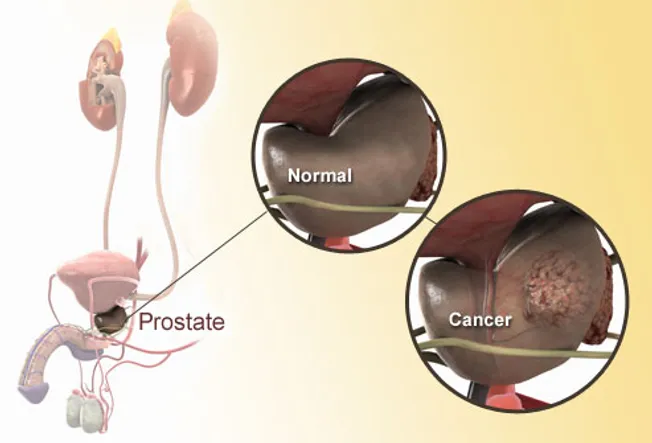
Illustration Of Prostate
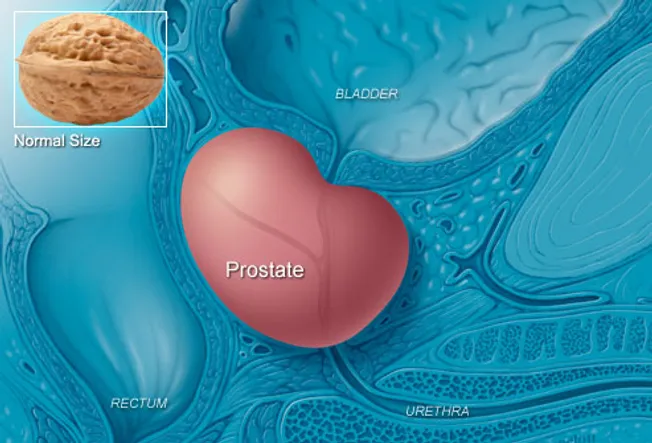
Illustration Of Enlarged Prostate

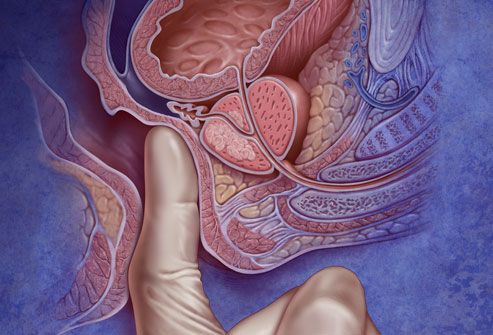
Illustration Of DRE Exam
DRE- digital rectum exam

Prostate cancer Imaging

CT Scan Showing Prostate
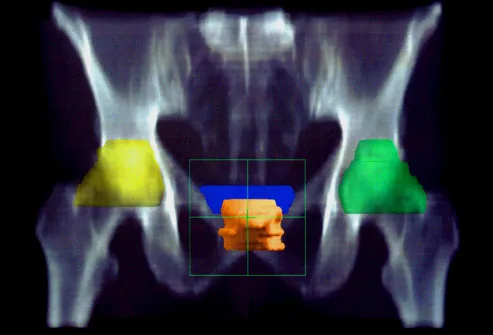
Radiation Therapy Treatment

Cryotherapy Treatment


What Is Prostate Cancer?
Prostate cancer develops in a man's prostate, the walnut-sized gland just below the bladder that produces some of the fluid in semen. It's the most common cancer in men after skin cancer.  Prostate cancer often grows very slowly and may not cause significant harm.  But some types are more aggressive and can spread quickly without treatment.

Symptoms of Prostate Cancer

In the early stages, men may have no symptoms.  Later, symptoms can include:
Frequent urination, especially at night
Difficulty starting or stopping urination
Weak or interrupted urinary stream
Painful or burning sensation during urination or ejaculation
Blood in urine or semen
Advanced cancer can cause deep pain in the lower back, hips, or upper thighs.


Enlarged Prostate or Prostate Cancer?

The prostate can grow larger as men age, sometimes pressing on the bladder or urethra and causing symptoms similar to prostate cancer. This is called benign prostatic hyperplasia (BPH). It's not cancer and can be treated if symptoms become bothersome. A third problem that can cause urinary symptoms is prostatitis. This inflammation or infection may also cause a fever and in many cases is treated with medicine.

Some Factors Beyond Your Control
Growing older is the greatest risk factor for prostate cancer, particularly after age 50. After 70, studies suggest that most men have some form of prostate cancer, though there may be no outward symptoms. Family history increases a man's risk: having a father or brother with prostate cancer doubles the risk. African-Americans are at high risk and have the highest rate of prostate cancer in the world.


Factors Which You Can Control
Diet seems to play a role in the development of prostate cancer, which is much more common in countries where meat and high-fat dairy are mainstays. The reason for this link is unclear. Dietary fat, particularly animal fat from red meat, may boost male hormone levels. And this may fuel the growth of cancerous prostate cells. A diet too low in fruits and vegetables may also play a role.


Myths About Prostate Cancer
Here are some things that will not cause prostate cancer: Too much sex, a vasectomy, and masturbation.  If you have an enlarged prostate (BPH), that does not mean you are at greater risk of developing prostate cancer. Researchers are still studying whether alcohol use, STDs, or prostatitis play a role in the development of prostate cancer.


Can Early Diagnosis Possible?
Screening tests are available to find prostate cancer early, but government guidelines don't call for routine testing in men at any age. The tests may find cancers that are so slow-growing that medical treatments would offer no benefit.  And the treatments themselves can have serious side effects. 


Screening: DRE and PSA
Your doctor may initially do a digital rectal exam (DRE) to feel for bumps or hard spots on the prostate.  After a discussion with your doctor, a blood test can be used to measure prostate-specific antigen (PSA), a protein produced by prostate cells. An elevated level may indicate a higher chance that you have cancer, but you can have a high level and still be cancer-free. It is also possible to have a normal PSA and have prostate cancer.


PSA Test Results
A normal PSA level is considered to be under 4 nanograms per milliliter (ng/mL) of blood, while a PSA above 10 suggests a high risk of cancer. But there are many exceptions:
Men can have prostate cancer with a PSA less than 4.
A prostate that is inflamed (prostatitis) or enlarged (BPH) can boost PSA levels, yet further testing may show no evidence of cancer.
Some BPH drugs can lower PSA levels, despite the presence of prostate cancer, called a false negative.
If either your PSA or DRE are abnormal, your doctor will order other tests.


Prostate Cancer Biopsy
If a physical exam or PSA test suggests a problem, your doctor may recommend a biopsy. A needle is inserted either through the rectum wall or the skin between the rectum and scrotum. Multiple small tissue samples are removed and examined under a microscope. A biopsy is the best way to detect cancer and predict whether it is slow-growing or aggressive.


Biopsy and Gleason Score
A pathologist looks for cell abnormalities and "grades" the tissue sample from 1 to 5. The sum of 2 Gleason grades is the Gleason score. These scores help determine the chances of the cancer spreading. They range from  2, less aggressive, to 10, a very aggressive cancer. Gleason scores helps guide the type of treatment your doctor will recommend.


Prostate Cancer Imaging
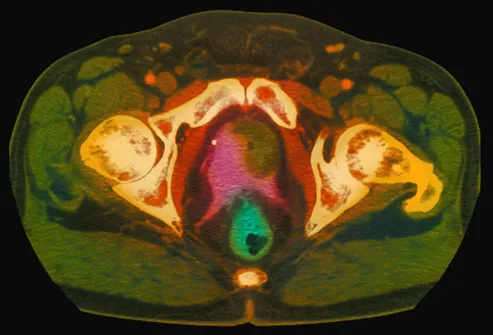
MRI Showing Prostate Cancer
Some men may need additional tests to see if the cancer has spread beyond the prostate. These can include ultrasound, a CT scan, or an MRI scan . A radionuclide bone scan traces an injection of low-level radioactive material to help detect cancer that has spread to the bone.
In the MRI scan shown here, the tumor is the green, kidney-shaped mass in the center, next to the prostate gland (in pink).

Prostate Cancer Staging
Staging is used to describe how far prostate cancer has spread (metastasized) and to help determine the best treatment.
Stage I: Cancer is small and still within the prostate.
Stage II: Cancer is more advanced, but still confined to the prostate.
Stage III: Cancer has spread to the outer part of the prostate and nearby seminal vesicles.
Stage IV: Cancer has spread to lymph nodes, nearby organs or tissues such as bladder or rectum, or distant organs such as bones or lungs.


Prostate Cancer Survival Rates
The good news about prostate cancer is that it usually grows slowly. And 9 out of 10 cases are found in the early stages. Overall, the 5-year relative survival rate is 100% for men with disease confined to the prostate or nearby tissues, and many men live much longer. When the disease has spread to distant areas, that figure drops to 31%. But these numbers are based on men diagnosed at least 5 years ago. The outlook may be better for men diagnosed and treated today.


Treatment: Watchful Waiting
With low-risk cancer, one option is to watch and wait. This is determined by your biopsy, PSA test, and Gleason scores. Your doctor will order periodic testing. Other treatments -- with the risk of sexual or urinary problems -- may not be necessary. Some men who are older or have serious health conditions may not need treatment. However, more aggressive treatment is usually recommended for younger men or those with more aggressive disease.

 Types Of Treatment:
1) Radiation Therapy
External beam radiation to kill cancer cells can be used as a first treatment or after prostate cancer surgery. It can also help relieve bone pain from the spread of cancer. In brachytherapy, tiny radioactive pellets about the size of a grain of rice are inserted into the prostate. Both methods can impair erectile function. Fatigue, urinary problems, and diarrhea are other possible side effects.

2) Surgery
Removing the prostate, or radical prostatectomy, is used to eliminate the cancer when it is confined to the prostate. New techniques use smaller incisions and seek to avoid damaging nearby nerves. If lymph nodes are also cancerous, prostatectomy may not be the best option. Surgery may impair urinary and sexual function, but both can improve over time.

3) Hormone Therapy
Hormone therapy may shrink or slow the growth of your cancer, but unless it is combined with another therapy it will not eliminate the cancer. Drugs or hormones block or stop the production of testosterone and other male hormones, called androgens. Side effects can include hot flashes, growth of breast tissue, weight gain, and impotence.


4) Chemotherapy
Chemotherapy kills cancer cells throughout the body, including those outside the prostate, so it is used to treat more advanced cancer and cancer that does not respond to hormone therapy.  Treatment is usually intravenous and is given in cycles lasting 3-6 months. Because the chemotherapy kills other fast-growing cells in the body, you may have hair loss and mouth sores. Other side effects include nausea, vomiting,  and fatigue.


5) Cryotherapy
SEM Image Of Prostate Cancer Cells
Cryotherapy freezes and kills cancerous cells within the prostate. It is not as widely used because little is known about its long-term effectiveness. It's less invasive than surgery, with a shorter recovery time. Because the freezing damages nerves, as many as 80% of men become impotent after cryosurgery. There can be temporary pain and burning sensations in the bladder and bowel.


6) Prostate Cancer Vaccine
This vaccine is designed to treat, not prevent, prostate cancer by spurring your body's immune system to attack prostate cancer cells. Immune cells are removed from your blood, activated to fight cancer, and infused back into your blood. Three cycles occur in one month. It's used for advanced prostate cancer that no longer responds to hormone therapy. Mild side-effects can occur such as fatigue, nausea, and fever.


Hope for Advanced Cancer
Your doctor will continue to monitor your PSA levels and may perform other tests after treatment for prostate cancer. If it recurs or spreads to other parts of the body, additional treatment may be recommended. Lifestyle choices matter too. It was found that prostate cancer survivors who exercised regularly had a lower risk of dying.


Managing With Erectile Dysfunction
Erectile dysfunction is a common side effect of prostate cancer treatments. Generally, erectile function improves within two years after surgery. Improvement may be better for younger men than for those over 70. You also may benefit from ED medications. Other treatments, such as injection therapy and vacuum devices, may help.


Food for Health

Five or more fruits and veggies a day
Whole grains instead of white flour or white rice
Limit high-fat meat
Limit or eliminate processed meat 
Limit alcohol to 1-2 drinks per day 
Foods high in folate may have some action against prostate cancer (spinach, orange juice, lentils). Studies found mixed results on lycopene, an antioxidant found in tomatoes.


Beware Of Supplements
Be wary of supplements that are marketed to prevent prostate cancer. Some herbal substances can interfere with PSA levels. A 10-year study showed an increase in the risk of cancer for men who took folic acid supplements. A 5-year study of selenium and vitamin E did not show a decreased risk of prostate cancer. Be sure to tell your doctor if you are taking vitamins or supplements.

Labels: , , , , , , , , , , , ,