Friday, August 08, 2025

Why is everyone buzzing about cryotherapy? Experts break down the trend and how to try it at home

Never heard of cryotherapy? Think of it as a wellness practice that leans into the cold — literally. With ice baths and chilly rollers, cryotherapy involves using low temperatures to help soothe, recover and restore. While some head to pro-level cryo chambers, you don’t have to. Applying ice or cold tools to specific body parts counts, too.

To learn how cryotherapy works and how to try it yourself, we spoke with two experts. Below, they share everything you need to know — plus, we rounded up the best at-home cryotherapy tools to get you started.

Why cold therapy is trending (and actually works)

“Cryotherapy is a treatment that exposes the body — either all at once or in specific areas — to extreme cold for a short period of time,” says Samantha Susca, lead esthetician.

This cold exposure causes vasoconstriction, says Dr. Smita Ramanadham, a board-certified plastic surgeon. “It reduces inflammation, which in turn helps decrease pain and muscle soreness.”

While pro athletes may use cryotherapy post-workout, you don’t need a gym membership or NFL contract to benefit. It’s also helpful for everyday aches, swelling from the heat, or general soreness. That said, some people should steer clear.

How to try cryotherapy at home

According to both experts, at-home cryotherapy can offer effective, low-cost relief — just don’t expect it to replicate the full-body chamber experience.

Here’s how to do it right:

  • Talk to your doctor first. It’s always smart to get a professional greenlight, especially if you have any underlying conditions.
  • Use a barrier. Never apply ice or cold packs directly to your skin — wrap them in a towel or cloth to avoid irritation or frostbite.
  • Start slow. Ease into cold exposure. Begin with a few seconds, then build up. You’re aiming for relief, not punishment.

Popular options include:

  • Icing sore muscles or joints
  • Cold plunges in the tub
  • Cryotherapy devices 

The best cryotherapy devices of 2025

Ready to embrace the cold? There are a number of tools that can help. We’ve gathered a handful of cold therapy devices that make trying it much easier. In compiling this list, we focused on products that have at least a 4-star average rating from hundreds of reviews and looked for options in a variety of price points to meet all budgets. We also included options for your entire body, as well as for more targeted relief.
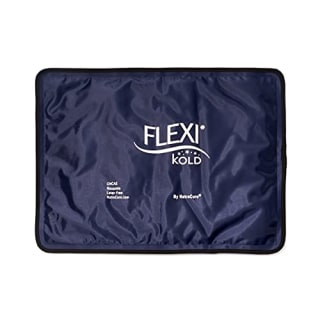
 

This reusable ice pack has a gel interior that remains pliable even when frozen. The gel is encased in a thick nylon exterior that has double-sealed seams to prevent leaking. This ice pack measures 10.5 inches by 14.5 inches, making it a good size to cover your back or wrap around a leg or arm.

Bubplay XL Ice Bath Tub
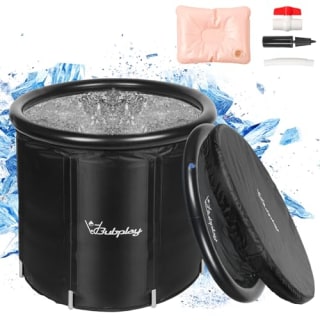

Want the full-body plunge? This 105-gallon tub is sturdy and collapsible. Just fill it with cold water and ice, then take the (very brave) leap.
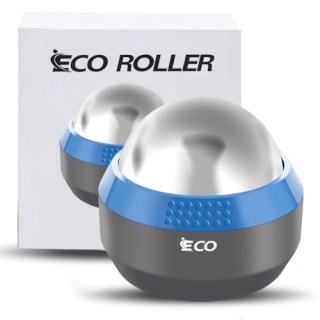


Freeze it, then roll it over sore spots like shoulders or calves. Bonus: You can also use it warm for muscle stiffness.

Polar Active Ice 3.0 Cold Therapy Ice Machine
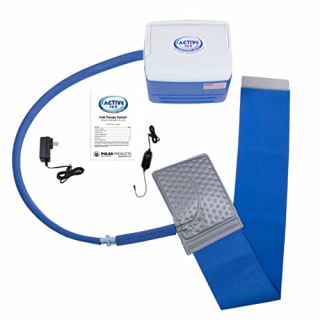

This system circulates cold water through a wraparound belt — ideal for anyone dealing with post-op recovery or chronic pain. It’s a go-to in physical therapy clinics for a reason.
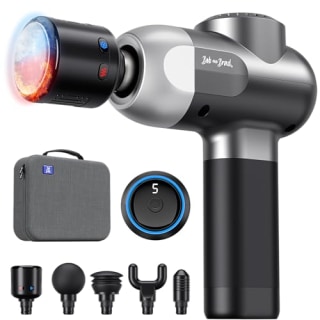


Experts have previously told us that massage guns can be a great tool for helping to relieve muscle pain. This one has a massage tip that allows you to switch between cold therapy to soothe and heat therapy to alleviate stiffness. The tool also has an intuitive LED display, five speed settings and a rechargeable battery. 

Meet our experts

At NBC Select, we work with experts with specialized knowledge and authority based on relevant training and/or experience. We also ensure all expert advice and recommendations are made independently and without undisclosed financial conflicts of interest.


This is only for your information, kindly take the advice of your doctor for medicines, exercises and so on.   


Labels: , , ,

Wednesday, July 21, 2021

7 Effective Ways to Get Rid of Age Spots, According to Dermatologists

There’s nothing quite like looking in the mirror—or down at your hands—to discover spots and freckles you could swear weren’t there yesterday. Even though most of us have experienced our share of hyperpigmentation, we’re also fortunate enough to have tons of options at our disposal to, well, remove those annoying age spots before they get any worse.

So what are age spots, anyway? “Also known as sun spots or solar lentigines, age spots are benign pigmented spots typically caused by ultraviolet radiation from the sun,” says Noelani González, MD, board-certified dermatologist and director of cosmetic dermatology at Mount Sinai West in New York. UV rays cause our pigment-producing skin cells to increase melanin production, resulting in those pesky brown spots.

If you have a family history of age spots, you’re more prone to developing them when you’re exposed to the sun (or tanning beds). They usually appear as flat brown spots on the areas of skin that are exposed to the sun most—face, neck, chest, hands, arms, and back—but can also appear as seborrheic keratosis, which are raised, wart-like skin growths.

When It Comes to Age Spots, Prevention is Everything

Even though age spots are usually no biggie, it’s crucial to prevent sun damage not only for aesthetic purposes, but to stay protected against skin cancer, says New York City-based board-certified dermatologist Ariel Ostad, MD, who recommends amping up your sun safety habits—like frequently applying broad spectrum sunscreen, staying out of the sun during its most powerful hours (12 p.m. to 5 p.m.), and covering your body with clothing and hats, as able.

As for the age spots that have already turned up on your skin? Here are the most effective over-the-counter and in-office treatments that dermatologists recommend.

How to Get Rid of Age Spots

Sunscreen

“The best OTC option to minimize current (and prevent future) age spots is sunscreen,” says Dr. González. Not only will sunscreen prevent the age spots you already have from getting darker, it will also keep future ones from forming. Experts recommend choosing sunscreen that offers broad-spectrum protection of SPF 30 or higher, such as Neutrogena Sheer Dry-Touch, EltaMD UV Clear, Cotz Flawless Complexion, and CeraVe Hydrating.

Non-prescription lightening creams and serums

OTC lightening creams help to reduce age spots by suppressing the production of melanin, says Anthony Youn, MD, board-certified plastic surgeon and author of The Age Fix. (Just note that they are most effective on age spots that have been caught early and are still on the lighter side.)

If you’d like to give this option a whirl, the active ingredients to look for are hydroquinone, glycolic acid, kojic acid, licorice root extract, and niacinamide. Hydroquinone is considered the gold standard of lightening, but is known for being harsher on skin and may trigger side effects, such as skin irritation and rebound pigmentation if it’s applied for too long, says Dr. Youn.

Dr. González’s top OTC picks include Skin Medica’s Lytera 2.0 Pigment Correcting Serum and SkinCeuticals Discoloration Defense: “Both contain tranexamic acid, an ingredient also known for its lightening capabilities that tends to be less irritating than hydroquinone for some,” she says. She also recommends Murad Age Spot and Pigment Lightening Gel—it contains hydroquinone and glycolic acid, which helps to exfoliate the top layer of your skin.

If you struggle with spots on your face, you could also try incorporating a vitamin C serum into your daily routine. Since vitamin C is an antioxidant, it helps to protect the skin against sun damage, prevents dark spots, and gives an overall brightening effect.

Prescription fade creams

Prescription topical drugs can work slowly to lighten age spots (think: several weeks to months), the two most commonly prescribed being hydroquinone and tretinoin. Hydroquinone works by slowing the production of melanin, says Dr. Ostad, while tretinoin is a retinol cream that can improve skin texture and reduce pigmentation. Side effects are typically minimal, but can include itching, redness, or dryness.

Cryotherapy

During this in-office procedure, liquid nitrogen (a freezing agent) is applied to the age spots. “This freezes and destroys the pigment-making cells, causing the spots to flake off,” says Dr. González. As the skin heals, it appears lighter. This treatment is best for single age spots or small clusters of them, and can be done a few times a month if necessary.

Chemical peels

Depending on the depth of the peel, this treatment can be helpful in reducing the appearance of age spots, says New Jersey-based board-certified dermatologist Shari Sperling, DO. It involves your dermatologist applying an acid to the area, which burns the outer layer of your skin to where the age spots are camping out. As this layer of skin sloughs off, a new layer replaces it. The number of treatments needed vary based on the severity of the age spots and type of peel—side effects can range from none to a few days of peeling/dryness, says Dr. Sperling.

Intense pulsed light (IPL)

“Hands down, the easiest and most effective option for age spots is IPL,” says Dr. Youn, which uses light to target the color brown. “This destroys the pigment, causing the age spot to turn darker and slough off after about a week,” he explains. Most people require upwards of four treatments for optimal effect. Bonus: There’s no downtime and the treatment is virtually pain-free.

Laser treatments

Depending on your skin color, skin tone, and the location of your age spots, there are several types of laser treatments that can help. This is the preferred method of nixing age spots for dermatologists, thanks to the quicker recovery time and longer-lasting results. “The PicoWay is an especially effective laser to treat age spots, as the advanced laser uses ultra-short picosecond pulses to break up particles of skin pigmentation,” says Dr. Ostad.

Fraxel laser treatments are also a great option for age spots, he says. The technique uses a fractional laser (a focused beam of light that’s broken into a multitude of pinpoints) to deliver heat into the skin. This vaporizes the pigmented skin cells, while encouraging collagen remodeling in deep skin layers—and in addition to a reduction in age spots, results in tighter, smoother skin.

This is only for your information, kindly take the advice of your doctor for medicines, exercises and so on.   

https://gscrochetdesigns.blogspot.com. one can see my crochet creations  
https://gseasyrecipes.blogspot.com. feel free to view for easy, simple and healthy recipes    
https://kneereplacement-stickclub.blogspot.com. for info on knee replacement


Labels: , , , , , , , ,

Saturday, August 24, 2019

Human papillomavirus infection: Know its line of treatment

One of the most common sexually transmitted infections, human papillomavirus is a viral infection. It is spread through simple skin to skin contact. If you have this infection, you will experience or see the symptoms years later. When the signs do occur, they are genital warts, small bumps, plantar warts etc. Notably, most of the HPV infections are benign and not malignant. If you have higher number of sexual partners or you are involving in sex with someone who have had various intimate partners, your chances of getting HPV infection is higher than those who are not involved in such acts. Also, if your immune system is weak, have damages skin in certain areas, or have contact with warts, you can develop warts too. To diagnose this condition, doctors perform tests like vinegar solution test, pap test, or/and DNA test. Luckily, there are medical treatments available for this problem. Read on to know about them.

Medication: Medications (prescription creams) take time treat warts and are applied directly on the lesion.

Cryotherapy: This method includes usage of liquid nitrogen to freeze the lesions.


Electrocautery: It is used to burn the abnormal warts.

Laser therapy: In laser therapy, a light beam is used to remove unwanted tissue.

Surgical removal: During surgery, doctors manually remove the warts.

THIS IS ONLY FOR INFORMATION, ALWAYS CONSULT YOU PHYSICIAN BEFORE HAVING ANY PARTICULAR FOOD/ MEDICATION/EXERCISE/OTHER REMEDIES.                                    PS- THOSE INTERESTED IN RECIPES ARE FREE TO  VIEW MY BLOG-                                                                                           https://gseasyrecipes.blogspot.com/                                                                                                                                                FOR INFO ABOUT KNEE REPLACEMENT, YOU CAN VIEW MY BLOG-                                                                       https:// kneereplacement-stickclub.blogspot.com/                                                                                                                     FOR CROCHET DESIGNS                                                                                                   

                                https://gscrochetdesigns.blogspot.com
 

Labels: , , , , , , , , , , , , , ,