There’s nothing quite like looking in the mirror—or down at your hands—to discover spots and freckles you could swear
weren’t there yesterday. Even though most of us have experienced our
share of hyperpigmentation, we’re also fortunate enough to have tons of
options at our disposal to, well, remove those annoying age spots before
they get any worse.
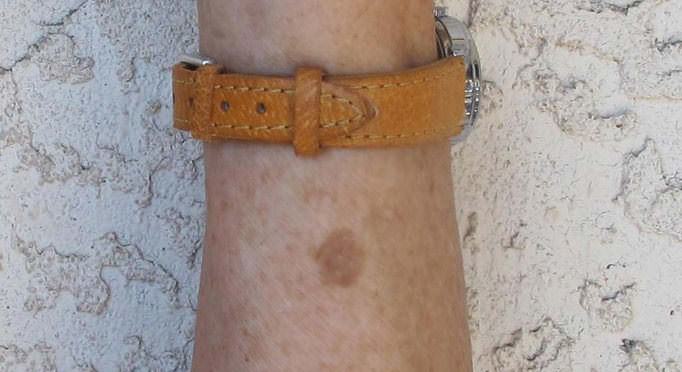
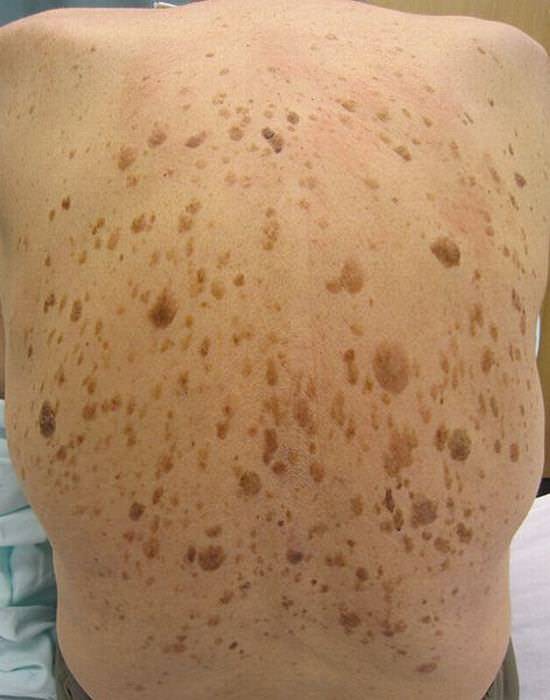
So what are age spots, anyway? “Also known as sun spots or solar
lentigines, age spots are benign pigmented spots typically caused by
ultraviolet radiation from the sun,” says Noelani González, MD,
board-certified dermatologist and director of cosmetic dermatology at
Mount Sinai West in New York. UV rays cause our pigment-producing skin
cells to increase melanin production, resulting in those pesky brown
spots.
If you have a family history of age spots, you’re more prone to
developing them when you’re exposed to the sun (or tanning beds). They
usually appear as flat brown spots on the areas of skin that are exposed
to the sun most—face, neck, chest, hands, arms, and back—but can also
appear as seborrheic keratosis, which are raised, wart-like skin growths.
When It Comes to Age Spots, Prevention is Everything
Even though age spots are usually no biggie, it’s crucial to
prevent sun damage not only for aesthetic purposes, but to stay
protected against skin cancer, says New York City-based board-certified dermatologist Ariel Ostad, MD, who recommends amping up your sun safety habits—like frequently applying broad spectrum sunscreen,
staying out of the sun during its most powerful hours (12 p.m. to 5
p.m.), and covering your body with clothing and hats, as able.
As for the age spots that have already turned up on your skin?
Here are the most effective over-the-counter and in-office treatments
that dermatologists recommend.
How to Get Rid of Age Spots
Sunscreen
“The best OTC option to minimize current (and prevent future) age spots is sunscreen,”
says Dr. González. Not only will sunscreen prevent the age spots you
already have from getting darker, it will also keep future ones from
forming. Experts recommend choosing sunscreen that offers broad-spectrum
protection of SPF 30 or higher, such as Neutrogena Sheer Dry-Touch, EltaMD UV Clear, Cotz Flawless Complexion, and CeraVe Hydrating.
Non-prescription lightening creams and serums
OTC lightening creams help to reduce age spots by suppressing the production of melanin, says Anthony Youn, MD, board-certified plastic surgeon and author of The Age Fix. (Just note that they are most effective on age spots that have been caught early and are still on the lighter side.)
If you’d like to give this option a whirl, the active
ingredients to look for are hydroquinone, glycolic acid, kojic acid,
licorice root extract, and niacinamide. Hydroquinone is considered the
gold standard of lightening, but is known for being harsher on skin and
may trigger side effects, such as skin irritation and rebound
pigmentation if it’s applied for too long, says Dr. Youn.
Dr. González’s top OTC picks include Skin Medica’s Lytera 2.0 Pigment Correcting Serum and SkinCeuticals Discoloration Defense:
“Both contain tranexamic acid, an ingredient also known for its
lightening capabilities that tends to be less irritating than
hydroquinone for some,” she says. She also recommends Murad Age Spot and Pigment Lightening Gel—it contains hydroquinone and glycolic acid, which helps to exfoliate the top layer of your skin.
If you struggle with spots on your face, you could also try incorporating a vitamin C serum into your daily routine. Since vitamin C is an antioxidant, it helps to protect the skin against sun damage, prevents dark spots, and gives an overall brightening effect.
Prescription fade creams
Prescription topical drugs can work slowly to lighten age spots
(think: several weeks to months), the two most commonly prescribed being
hydroquinone and tretinoin. Hydroquinone works by slowing the
production of melanin, says Dr. Ostad, while tretinoin is a retinol cream that can improve skin texture and reduce pigmentation. Side effects are typically minimal, but can include itching, redness, or dryness.
Cryotherapy
During this in-office procedure, liquid nitrogen (a freezing
agent) is applied to the age spots. “This freezes and destroys the
pigment-making cells, causing the spots to flake off,” says Dr.
González. As the skin heals, it appears lighter. This treatment is best
for single age spots or small clusters of them, and can be done a few times a month if necessary.
Chemical peels
Depending on the depth of the peel, this treatment can be
helpful in reducing the appearance of age spots, says New Jersey-based
board-certified dermatologist Shari Sperling, DO.
It involves your dermatologist applying an acid to the area, which
burns the outer layer of your skin to where the age spots are camping
out. As this layer of skin sloughs off, a new layer replaces it. The
number of treatments needed vary based on the severity of the age spots
and type of peel—side effects can range from none to a few days of
peeling/dryness, says Dr. Sperling.
Intense pulsed light (IPL)
“Hands down, the easiest and most effective option for age spots
is IPL,” says Dr. Youn, which uses light to target the color brown.
“This destroys the pigment, causing the age spot to turn darker and
slough off after about a week,” he explains. Most people require upwards
of four treatments for optimal effect. Bonus: There’s no downtime and
the treatment is virtually pain-free.
Laser treatments
Depending on your skin color, skin tone, and the location of
your age spots, there are several types of laser treatments that can
help. This is the preferred method of nixing age spots for
dermatologists, thanks to the quicker recovery time and longer-lasting
results. “The PicoWay
is an especially effective laser to treat age spots, as the advanced
laser uses ultra-short picosecond pulses to break up particles of skin
pigmentation,” says Dr. Ostad.
Fraxel
laser treatments are also a great option for age spots, he says. The
technique uses a fractional laser (a focused beam of light that’s broken
into a multitude of pinpoints) to deliver heat into the skin. This
vaporizes the pigmented skin cells, while encouraging collagen
remodeling in deep skin layers—and in addition to a reduction in age
spots, results in tighter, smoother skin.