Wednesday, September 26, 2012

EVERYTHING YOU WANT TO KNOW ABOUT PROSTATE CANCER
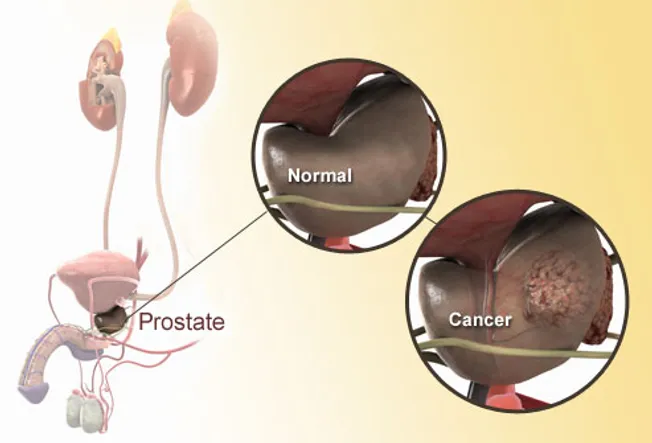
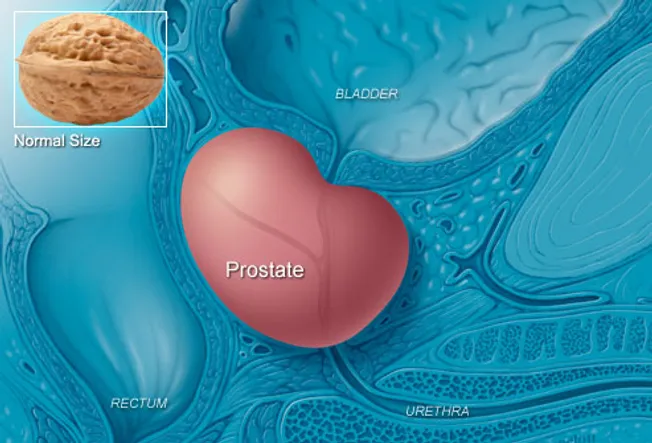
Illustration Of Prostate
Illustration Of Enlarged Prostate

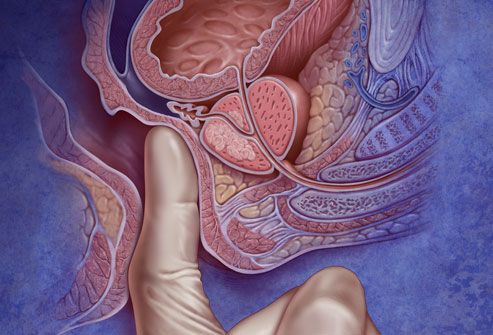
Illustration Of DRE Exam
DRE- digital rectum exam

Prostate cancer Imaging
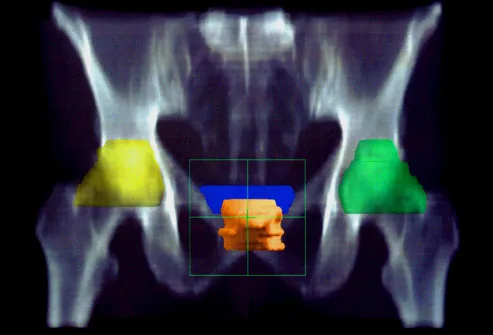
CT Scan Showing Prostate
Radiation Therapy Treatment

Cryotherapy Treatment


What Is Prostate Cancer?
Prostate cancer develops in a man's prostate, the walnut-sized gland just below the bladder that produces some of the fluid in semen. It's the most common cancer in men after skin cancer.  Prostate cancer often grows very slowly and may not cause significant harm.  But some types are more aggressive and can spread quickly without treatment.

Symptoms of Prostate Cancer

In the early stages, men may have no symptoms.  Later, symptoms can include:
Frequent urination, especially at night
Difficulty starting or stopping urination
Weak or interrupted urinary stream
Painful or burning sensation during urination or ejaculation
Blood in urine or semen
Advanced cancer can cause deep pain in the lower back, hips, or upper thighs.


Enlarged Prostate or Prostate Cancer?

The prostate can grow larger as men age, sometimes pressing on the bladder or urethra and causing symptoms similar to prostate cancer. This is called benign prostatic hyperplasia (BPH). It's not cancer and can be treated if symptoms become bothersome. A third problem that can cause urinary symptoms is prostatitis. This inflammation or infection may also cause a fever and in many cases is treated with medicine.

Some Factors Beyond Your Control
Growing older is the greatest risk factor for prostate cancer, particularly after age 50. After 70, studies suggest that most men have some form of prostate cancer, though there may be no outward symptoms. Family history increases a man's risk: having a father or brother with prostate cancer doubles the risk. African-Americans are at high risk and have the highest rate of prostate cancer in the world.


Factors Which You Can Control
Diet seems to play a role in the development of prostate cancer, which is much more common in countries where meat and high-fat dairy are mainstays. The reason for this link is unclear. Dietary fat, particularly animal fat from red meat, may boost male hormone levels. And this may fuel the growth of cancerous prostate cells. A diet too low in fruits and vegetables may also play a role.


Myths About Prostate Cancer
Here are some things that will not cause prostate cancer: Too much sex, a vasectomy, and masturbation.  If you have an enlarged prostate (BPH), that does not mean you are at greater risk of developing prostate cancer. Researchers are still studying whether alcohol use, STDs, or prostatitis play a role in the development of prostate cancer.


Can Early Diagnosis Possible?
Screening tests are available to find prostate cancer early, but government guidelines don't call for routine testing in men at any age. The tests may find cancers that are so slow-growing that medical treatments would offer no benefit.  And the treatments themselves can have serious side effects. 


Screening: DRE and PSA
Your doctor may initially do a digital rectal exam (DRE) to feel for bumps or hard spots on the prostate.  After a discussion with your doctor, a blood test can be used to measure prostate-specific antigen (PSA), a protein produced by prostate cells. An elevated level may indicate a higher chance that you have cancer, but you can have a high level and still be cancer-free. It is also possible to have a normal PSA and have prostate cancer.


PSA Test Results
A normal PSA level is considered to be under 4 nanograms per milliliter (ng/mL) of blood, while a PSA above 10 suggests a high risk of cancer. But there are many exceptions:
Men can have prostate cancer with a PSA less than 4.
A prostate that is inflamed (prostatitis) or enlarged (BPH) can boost PSA levels, yet further testing may show no evidence of cancer.
Some BPH drugs can lower PSA levels, despite the presence of prostate cancer, called a false negative.
If either your PSA or DRE are abnormal, your doctor will order other tests.


Prostate Cancer Biopsy
If a physical exam or PSA test suggests a problem, your doctor may recommend a biopsy. A needle is inserted either through the rectum wall or the skin between the rectum and scrotum. Multiple small tissue samples are removed and examined under a microscope. A biopsy is the best way to detect cancer and predict whether it is slow-growing or aggressive.


Biopsy and Gleason Score
A pathologist looks for cell abnormalities and "grades" the tissue sample from 1 to 5. The sum of 2 Gleason grades is the Gleason score. These scores help determine the chances of the cancer spreading. They range from  2, less aggressive, to 10, a very aggressive cancer. Gleason scores helps guide the type of treatment your doctor will recommend.


Prostate Cancer Imaging
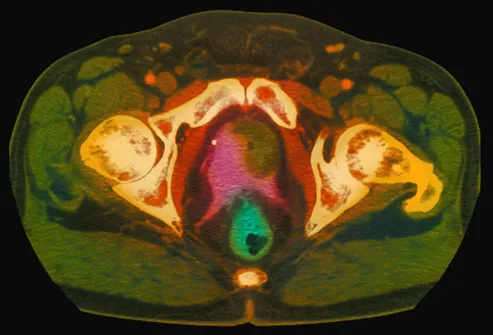
MRI Showing Prostate Cancer
Some men may need additional tests to see if the cancer has spread beyond the prostate. These can include ultrasound, a CT scan, or an MRI scan . A radionuclide bone scan traces an injection of low-level radioactive material to help detect cancer that has spread to the bone.
In the MRI scan shown here, the tumor is the green, kidney-shaped mass in the center, next to the prostate gland (in pink).

Prostate Cancer Staging
Staging is used to describe how far prostate cancer has spread (metastasized) and to help determine the best treatment.
Stage I: Cancer is small and still within the prostate.
Stage II: Cancer is more advanced, but still confined to the prostate.
Stage III: Cancer has spread to the outer part of the prostate and nearby seminal vesicles.
Stage IV: Cancer has spread to lymph nodes, nearby organs or tissues such as bladder or rectum, or distant organs such as bones or lungs.


Prostate Cancer Survival Rates
The good news about prostate cancer is that it usually grows slowly. And 9 out of 10 cases are found in the early stages. Overall, the 5-year relative survival rate is 100% for men with disease confined to the prostate or nearby tissues, and many men live much longer. When the disease has spread to distant areas, that figure drops to 31%. But these numbers are based on men diagnosed at least 5 years ago. The outlook may be better for men diagnosed and treated today.


Treatment: Watchful Waiting
With low-risk cancer, one option is to watch and wait. This is determined by your biopsy, PSA test, and Gleason scores. Your doctor will order periodic testing. Other treatments -- with the risk of sexual or urinary problems -- may not be necessary. Some men who are older or have serious health conditions may not need treatment. However, more aggressive treatment is usually recommended for younger men or those with more aggressive disease.

 Types Of Treatment:
1) Radiation Therapy
External beam radiation to kill cancer cells can be used as a first treatment or after prostate cancer surgery. It can also help relieve bone pain from the spread of cancer. In brachytherapy, tiny radioactive pellets about the size of a grain of rice are inserted into the prostate. Both methods can impair erectile function. Fatigue, urinary problems, and diarrhea are other possible side effects.

2) Surgery
Removing the prostate, or radical prostatectomy, is used to eliminate the cancer when it is confined to the prostate. New techniques use smaller incisions and seek to avoid damaging nearby nerves. If lymph nodes are also cancerous, prostatectomy may not be the best option. Surgery may impair urinary and sexual function, but both can improve over time.

3) Hormone Therapy
Hormone therapy may shrink or slow the growth of your cancer, but unless it is combined with another therapy it will not eliminate the cancer. Drugs or hormones block or stop the production of testosterone and other male hormones, called androgens. Side effects can include hot flashes, growth of breast tissue, weight gain, and impotence.


4) Chemotherapy
Chemotherapy kills cancer cells throughout the body, including those outside the prostate, so it is used to treat more advanced cancer and cancer that does not respond to hormone therapy.  Treatment is usually intravenous and is given in cycles lasting 3-6 months. Because the chemotherapy kills other fast-growing cells in the body, you may have hair loss and mouth sores. Other side effects include nausea, vomiting,  and fatigue.


5) Cryotherapy
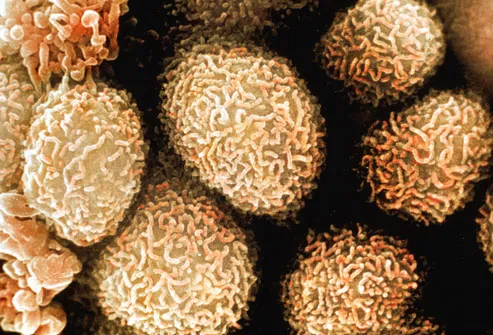
SEM Image Of Prostate Cancer Cells
Cryotherapy freezes and kills cancerous cells within the prostate. It is not as widely used because little is known about its long-term effectiveness. It's less invasive than surgery, with a shorter recovery time. Because the freezing damages nerves, as many as 80% of men become impotent after cryosurgery. There can be temporary pain and burning sensations in the bladder and bowel.


6) Prostate Cancer Vaccine
This vaccine is designed to treat, not prevent, prostate cancer by spurring your body's immune system to attack prostate cancer cells. Immune cells are removed from your blood, activated to fight cancer, and infused back into your blood. Three cycles occur in one month. It's used for advanced prostate cancer that no longer responds to hormone therapy. Mild side-effects can occur such as fatigue, nausea, and fever.


Hope for Advanced Cancer
Your doctor will continue to monitor your PSA levels and may perform other tests after treatment for prostate cancer. If it recurs or spreads to other parts of the body, additional treatment may be recommended. Lifestyle choices matter too. It was found that prostate cancer survivors who exercised regularly had a lower risk of dying.


Managing With Erectile Dysfunction
Erectile dysfunction is a common side effect of prostate cancer treatments. Generally, erectile function improves within two years after surgery. Improvement may be better for younger men than for those over 70. You also may benefit from ED medications. Other treatments, such as injection therapy and vacuum devices, may help.


Food for Health

Five or more fruits and veggies a day
Whole grains instead of white flour or white rice
Limit high-fat meat
Limit or eliminate processed meat 
Limit alcohol to 1-2 drinks per day 
Foods high in folate may have some action against prostate cancer (spinach, orange juice, lentils). Studies found mixed results on lycopene, an antioxidant found in tomatoes.


Beware Of Supplements
Be wary of supplements that are marketed to prevent prostate cancer. Some herbal substances can interfere with PSA levels. A 10-year study showed an increase in the risk of cancer for men who took folic acid supplements. A 5-year study of selenium and vitamin E did not show a decreased risk of prostate cancer. Be sure to tell your doctor if you are taking vitamins or supplements.


Labels: , , , , , , , , , , , ,

Monday, November 21, 2011

Colorectal Cancer:

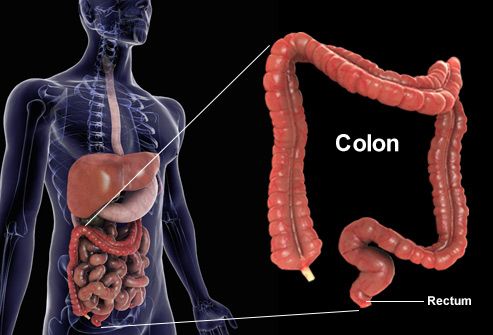
Exploded view of the human colon


 What Is It?
Not including skin cancer, colorectal cancer is the third most frequently diagnosed cancer in men and women and the second highest cause of cancer deaths in the U.S. Yet, when found early, it is highly curable. This type of cancer occurs when abnormal cells grow in the lining of the large intestine (colon) or rectum. Learn more about who gets colorectal cancer, how it is detected, and what the latest treatments can accomplish.


.How It Starts
Colorectal cancers often begin as polyps -- benign growths on the interior surface of the colon. The two most common types of intestinal polyps are adenomas and hyperplastic polyps. They develop when there are errors in the way cells grow and repair the lining of the colon. Most polyps remain benign, but some have the potential to turn cancerous. Removing them early prevents colorectal cancer.

Risk Factors You Can't Control
Your risk of colorectal cancer depends on genetics and lifestyle. Factors you can't control include:
Age -- most patients are older than 50
Polyps or inflammatory bowel disease
Family history of colorectal cancer
History of ovarian or breast cancer

Risk Factors You Can Control
Some factors that raise the risk of colorectal cancer are within your control:
Diet high in red or processed meats, or meats cooked at high temperatures
Being overweight (excess fat around the waist)
Exercising too little
Smoking or drinking alcohol


Colorectal Cancer Warning Signs
There are usually no early warning signs for colorectal cancer. For this reason it's important to get screened. Detecting cancer early means it's more curable. As the disease progresses, patients may notice blood in the stool, abdominal pain, a change in bowel habits (such as constipation or diarrhea), unexplained weight loss, or fatigue. By the time these symptoms appear, tumors tend to be larger and more difficult to treat.


Colorectal Cancer Screening
Because colorectal cancer is stealthy, screenings are the key to early detection. Beginning at age 50, most people should have a colonoscopy every 10 years. This procedure uses a tiny camera to examine the entire colon and rectum. These tests not only find tumors early, but can actually prevent colorectal cancer by removing polyps 

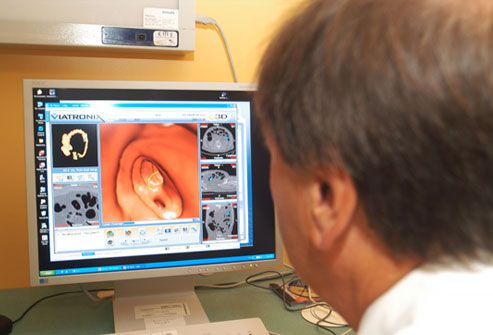
Radiologist reviewing CTscan of the colon

Virtual Colonoscopy
There is now an alternative to colonoscopy that uses CT scan images to construct a 3-D model of your colon. Called virtual colonoscopy, the procedure can reveal polyps or other abnormalities without actually inserting a camera inside your body. The main disadvantage is that if polyps are found, a real colonoscopy will still be needed to remove and evaluate them.

X-Rays of the Colon (Lower GI)
X-Rays of the colon -- using a chalky liquid known as barium as a contrast agent -- allow your doctor a glimpse at the interior of the colon and rectum, offering another way to detect polyps, tumors, and changes in the intestinal tissue. Shown here is an "apple core" tumor constricting the colon. Like the virtual colonoscopy, any abnormalities that appear on the X-rays will need to be followed up with a conventional colonoscopy.
SEM micrograph of colon cancer cells

Diagnosing Colorectal Cancer
If testing reveals a possible tumor, the next step is a biopsy. During a colonoscopy, your doctor will remove polyps and take tissue samples from any parts of the colon that look unusual. This tissue is examined under a microscope to determine whether or not it is cancerous. Shown here is a color-enhanced, magnified view of colon cancer cells.

Staging Colorectal Cancer
If cancer is detected, it will be "staged," a process of finding out how far the cancer has spread. Tumor size may not correlate with the stage of cancer. Staging also enables your doctor to determine what type of treatment you will receive.
Stage 0 -- Cancer is only in the innermost lining of the colon or rectum.
Stage I -- Cancer has not spread beyond the inner wall of the colon or rectum.
Stage II -- Cancer has spread into the muscle layer of the colon or rectum.
Stage III -- Cancer has spread to one or more lymph nodes in the area.
Stage IV -- Cancer has spread to other parts of the body, such as the liver, lung, or bones. This stage does NOT depend on how deep the tumor has penetrated or if the disease has spread to the lymph nodes near the tumor.


Colorectal Cancer Survival Rates
The outlook for your recovery depends on the stage of your cancer, with higher stages meaning more serious cancer. The five-year survival rate refers to the percentage of patients who live at least five years after being diagnosed. Stage I has a 74% five-year survival rate while stage IV has a five-year survival rate of only 6%.


Colorectal Cancer Surgery
In all but the last stage of colorectal cancer, the usual treatment is surgery to remove the tumor and surrounding tissue. In the case of larger tumors, it may be necessary to take out an entire section of the colon and/or rectum. The good news is that surgery has a very high cure rate in the early stages. If the cancer has spread to the liver, lungs, or other organs, surgery is not likely to offer a cure -- but removing the additional tumors, when possible, may reduce symptoms.


Treating Advanced Colorectal Cancer
When colorectal cancer has spread to one or more lymph nodes (stage III), it can still sometimes be cured. Treatment typically involves a combination of surgery, radiation (being administered here), and chemotherapy. If the cancer comes back after initial treatment or spreads to other organs, it becomes much more difficult to cure. But radiation and chemotherapy may still relieve symptoms and help patients live longer.


Coping With Chemotherapy
Chemotherapy has come a long way from the days of turning people's stomachs. Newer drugs are less likely to cause this problem, and there are also medications to control nausea if it does occur. Clinical trials continue to search for chemotherapy drugs that are more effective and tolerable.


Radiofrequency Ablation
Radiofrequency ablation (RFA) uses intense heat to burn away tumors. Guided by a CT scan, a doctor inserts a needle-like device that delivers heat directly to a tumor and the surrounding area. This offers an alternative for destroying tumors that cannot be surgically removed. In patients with a limited number of liver metastases that cannot be removed by surgery, chemotherapy is sometimes combined with RFA for tumor destruction.


Preventing Colorectal Cancer: Diet
There are steps you can take to dramatically reduce your odds of developing colorectal cancer. Researchers estimate that eating a nutritious diet, getting enough exercise, and controlling body fat could prevent 45% of colorectal cancers. The National Cancer Institute recommends a low-fat diet that includes plenty of fiber and at least five servings of fruits and vegetables per day.


Preventing Cancer With Exercise
Physical activity appears to be a powerful weapon in the defense against colorectal cancer. In one study, the most active participants were 24% less likely to have the cancer than the least active people. It didn't matter whether the activity was linked to work or play. The American Cancer Society recommends exercising five or more days a week for at least 30 minutes a day.


ext


Labels: , , , , , , , , , , , , ,

Wednesday, August 03, 2011

Stomach cancer- risk factors, symptoms, diagnosis, staging, treatment, surgery,

The Stomach
The stomach is a hollow organ in the upper abdomen, under the ribs.
It's part of the digestive system. Food moves from the mouth through the esophagus to the stomach. In the stomach, the food becomes liquid. Muscles in the stomach wall push the liquid into the small intestine.
The wall of the stomach has five layers:
  • Inner layer or lining (mucosa): Juices made by glands in the inner layer help digest food. Most stomach cancers begin in this layer.
  • Submucosa: This is the support tissue for the inner layer.
  • Muscle layer: Muscles in this layer contract to mix and mash the food.
  • Subserosa: This is the support tissue for the outer layer.
  • Outer layer (serosa): The outer layer covers the stomach. It holds the stomach in place.
This picture shows the stomach and nearby organs.
Cancer begins in cells, the building blocks that make up tissues. Tissues make up the stomach and other organs of the body.
Normal cells grow and divide to form new cells as the body needs them. When normal cells grow old or get damaged, they die, and new cells take their place.
Sometimes, this process goes wrong. New cells form when the body doesn't need them, and old or damaged cells don't die as they should. The buildup of extra cells often forms a mass of tissue called a growth, polyp, or tumor.
Tumors in the stomach can be benign (not cancer) or malignant (cancer). Benign tumors are not as harmful as malignant tumors:
  • Benign tumors:
    • are rarely a threat to life
    • can be removed and usually don't grow back
    • don't invade the tissues around them
    • don't spread to other parts of the body
  • Malignant tumors:
    • may be a threat to life
    • often can be removed but sometimes grow back
    • can invade and damage nearby organs and tissues
    • can spread to other parts of the body
Stomach cancer usually begins in cells in the inner layer of the stomach. Over time, the cancer may invade more deeply into the stomach wall. A stomach tumor can grow through the stomach's outer layer into nearby organs, such as the liver, pancreas, esophagus, or intestine.
Stomach cancer cells can spread by breaking away from the original tumor. They enter blood vessels or lymph vessels, which branch into all the tissues of the body. The cancer cells may be found in lymph nodes near the stomach. The cancer cells may attach to other tissues and grow to form new tumors that may damage those tissues.
The spread of cancer is called metastasis. See the Staging section for information about stomach cancer that has spread.

Risk Factors
When you're told that you have stomach cancer, it's natural to wonder what may have caused the disease. But no one knows the exact causes of stomach cancer. Doctors seldom know why one person develops stomach cancer and another doesn't.
Doctors do know that people with certain risk factors are more likely than others to develop stomach cancer. A risk factor is something that may increase the chance of getting a disease.
Studies have found the following risk factors for stomach cancer:
  • Helicobacter pylori infectionH. pylori is a bacterium that commonly infects the inner lining (the mucosa) of the stomach. Infection with H. pylori can cause stomach inflammation and peptic ulcers. It also increases the risk of stomach cancer, but only a small number of infected people develop stomach cancer. You may want to read the NCI fact sheet H. pylori and Cancer.
  • Long-term inflammation of the stomach: People who have conditions associated with long-term stomach inflammation (such as the blood disease pernicious anemia) are at increased risk of stomach cancer. Also, people who have had part of their stomach removed may have long-term stomach inflammation and increased risk of stomach cancer many years after their surgery.
  • Smoking: Smokers are more likely than nonsmokers to develop stomach cancer. Heavy smokers are most at risk.
  • Family history: Close relatives (parents, brothers, sisters, or children) of a person with a history of stomach cancer are somewhat more likely to develop the disease themselves. If many close relatives have a history of stomach cancer, the risk is even greater.
  • Poor diet, lack of physical activity, or obesity:
    • Studies suggest that people who eat a diet high in foods that are smoked, salted, or pickled have an increased risk for stomach cancer. On the other hand, people who eat a diet high in fresh fruits and vegetables may have a lower risk of this disease.
    • A lack of physical activity may increase the risk of stomach cancer.
    • Also, people who are obese may have an increased risk of cancer developing in the upper part of the stomach.
Most people who have known risk factors do not develop stomach cancer. For example, many people have an H. pylori infection but never develop cancer.

On the other hand, people who do develop the disease sometimes have no known risk factors.


Symptoms
Early stomach cancer often does not cause symptoms. As the cancer grows, the most common symptoms are:
  • Discomfort or pain in the stomach area
  • Difficulty swallowing
  • Nausea and vomiting
  • Weight loss
  • Feeling full or bloated after a small meal
  • Vomiting blood or having blood in the stool
Most often, these symptoms are not due to cancer. Other health problems, such as an ulcer or infection, can cause the same symptoms. Anyone who has these symptoms should tell their doctor so that problems can be diagnosed and treated as early as possible.

Diagnosis
If you have symptoms that suggest stomach cancer, your doctor will check to see whether they are due to cancer or to some other cause. Your doctor may refer you to a gastroenterologist, a doctor whose specialty is diagnosing and treating digestive problems.
Your doctor will ask about your personal and family health history. You may have blood or other lab tests. You also may have:
  • Physical exam: Your doctor feels your abdomen for fluid, swelling, or other changes. Your doctor also will check for swollen lymph nodes.
  • Endoscopy: Your doctor uses a thin, lighted tube (endoscope) to look into your stomach. Your doctor first numbs your throat with an anesthetic spray. You also may receive medicine to help you relax. The tube is passed through your mouth and esophagus to the stomach.
  • Biopsy: An endoscope has a tool for removing tissue. Your doctor uses the endoscope to remove tissue from the stomach. A pathologist checks the tissue under a microscope for cancer cells. A biopsy is the only sure way to know if cancer cells are present.
You may want to ask your doctor these questions before having a biopsy:
  • How will the biopsy be done?
  • Will it hurt?
  • Are there any risks? What are the chances of infection or bleeding after the biopsy?
  • When can I resume my normal diet?
  • How soon will I know the results?
  • If I do have cancer, who will talk with me about the next steps? When?

Staging
If the biopsy shows that you have stomach cancer, your doctor needs to learn the stage (extent) of the disease to help you choose the best treatment.
Staging is a careful attempt to find out the following:
  • How deeply the tumor invades the wall of the stomach
  • Whether the stomach tumor has invaded nearby tissues
  • Whether the cancer has spread and, if so, to what parts of the body.
When stomach cancer spreads, cancer cells may be found in nearby lymph nodes, the liver, the pancreas, esophagus, intestine, or other organs. Your doctor may order blood tests and other tests to check these areas:
  • Chest x-ray: An x-ray of your chest can show whether cancer has spread to the lungs.
  • CT scan: An x-ray machine linked to a computer takes a series of detailed pictures of your organs. You may receive an injection of dye. The dye makes abnormal areas easier to see. Tumors in your liver, pancreas, or elsewhere in the body can show up on a CT scan.
  • Endoscopic ultrasound: Your doctor passes a thin, lighted tube (endoscope) down your throat. A probe at the end of the tube sends out sound waves that you cannot hear. The waves bounce off tissues in your stomach and other organs. A computer creates a picture from the echoes. The picture can show how deeply the cancer has invaded the wall of the stomach. Your doctor may use a needle to take tissue samples of lymph nodes.
  • Laparoscopy: A surgeon makes small incisions (cuts) in your abdomen. The surgeon inserts a thin, lighted tube (laparoscope) into the abdomen. The surgeon may remove lymph nodes or take tissue samples for biopsy.
Sometimes staging is not complete until after surgery to remove the tumor and nearby lymph nodes.
When stomach cancer spreads from its original place to another part of the body, the new tumor has the same kind of abnormal cells and the same name as the primary (original) tumor. For example, if stomach cancer spreads to the liver, the cancer cells in the liver are actually stomach cancer cells. The disease is metastatic stomach cancer, not liver cancer. For that reason, it is treated as stomach cancer, not liver cancer. Doctors call the new tumor "distant" or metastatic disease.
These are the stages of stomach cancer:
  • Stage 0: The tumor is found only in the inner layer of the stomach. Stage 0 is also calledcarcinoma in situ.
  • Stage I is one of the following:
    • The tumor has invaded only the submucosa. (The picture shows the layers of the stomach.) Cancer cells may be found in up to 6 lymph nodes.
    • Or, the tumor has invaded the muscle layer or subserosa. Cancer cells have not spread to lymph nodes or other organs.
  • Stage II is one of the following:
    • The tumor has invaded only the submucosa. Cancer cells have spread to 7 to 15 lymph nodes.
    • Or, the tumor has invaded the muscle layer or subserosa. Cancer cells have spread to 1 to 6 lymph nodes.
    • Or, the tumor has penetrated the outer layer of the stomach. Cancer cells have not spread to lymph nodes or other organs.
    • Stage III is one of the following:
      • The tumor has invaded the muscle layer or subserosa. Cancer cells have spread to 7 to 15 lymph nodes.
      • Or, the tumor has penetrated the outer layer. Cancer cells have spread to 1 to 15 lymph nodes.
      • Or, the tumor has invaded nearby organs, such as the liver, colon, or spleen. Cancer cells have not spread to lymph nodes or to distant organs.
    • Stage IV is one of the following:
      • Cancer cells have spread to more than 15 lymph nodes.
      • Or, the tumor has invaded nearby organs and at least 1 lymph node.
      • Or, cancer cells have spread to distant organs.

Treatment
The choice of treatment depends mainly on the size and location of the tumor, the stage of disease, and your general health.
Treatment for stomach cancer may involve surgerychemotherapy, or radiation therapy. You'll probably receive more than one type of treatment. For example, chemotherapy may be given before or after surgery. It's often given at the same time as radiation therapy.
You may want to talk with your doctor about taking part in a clinical trial, a research study of new treatment methods. Clinical trials are an important option for people at any stage of stomach cancer. See Taking Part in Cancer Research.
You may have a team of specialists to help plan your treatment. Your doctor may refer you to a specialist, or you may ask for a referral. Specialists who treat stomach cancer include gastroenterologists,surgeonsmedical oncologists, and radiation oncologists. Your health care team may also include anoncology nurse and a registered dietitian.
Your health care team can describe your treatment choices, the expected results, and the possible side effects. Because cancer therapy often damages healthy cells and tissues, side effects are common. Before treatment starts, ask your health care team about possible side effects, how to prevent or reduce these effects, and how treatment may change your normal activities. You and your health care team can work together to make a treatment plan that meets your needs.

You may want to ask your doctor these questions before you begin treatment:
  • What is the stage of the disease? Has the cancer spread? Do any lymph nodes show signs of cancer?
  • What is the goal of treatment? What are my treatment choices? Which do you suggest for me? Why?
  • What are the expected benefits of each kind of treatment?
  • What can I do to prepare for treatment?
  • Will I need to stay in the hospital? If so, for how long?
  • What are the risks and possible side effects of each treatment? How can side effects be managed?
  • What is the treatment likely to cost? Will my insurance cover it?
  • How will treatment affect my normal activities? Am I likely to have eating or other problems?
  • Would a research study (clinical trial) be a good choice for me?
  • Can you recommend other doctors who could give me a second opinion about my treatment options?
  • How often should I have checkups?

Surgery

The type of surgery for stomach cancer depends mainly on where the cancer is located. The surgeon may remove the whole stomach or only the part that has the cancer.
You and your surgeon can talk about the types of surgery and which may be right for you:
  • Partial (subtotal) gastrectomy for tumors at the lower part of the stomach: The surgeon removes the lower part of the stomach with the cancer. The surgeon attaches the remaining part of the stomach to the intestine. Nearby lymph nodes and other tissues may also be removed.
  • Total gastrectomy for tumors at the upper part of the stomach: The surgeon removes the entire stomach, nearby lymph nodes, parts of the esophagus and small intestine, and other tissues near the tumor. Rarely, the spleen also may be removed. The surgeon then connects the esophagus directly to the small intestine.
The time it takes to heal after surgery is different for each person, and you may be in the hospital for a week or longer. You may have pain for the first few days. Medicine can help control your pain. Before surgery, you should discuss the plan for pain relief with your doctor or nurse. After surgery, your doctor can adjust the plan if you need more pain relief.
Many people who have stomach surgery feel tired or weak for a while. Your health care team will watch for signs of bleeding, infection, or other problems that may require treatment.

The surgery can also cause constipation or diarrhea. These symptoms usually can be controlled with diet changes and medicine. 

You may want to ask your doctor these questions before having surgery:
  • What kind of surgery do you recommend for me? Why?
  • Will you remove lymph nodes? Will you remove other tissue? Why?
  • How will I feel after surgery?
  • Will I need a special diet?
  • If I have pain, how will you control it?
  • How long will I be in the hospital?
  • Am I likely to have eating problems?
  • Will I have any long-term side effects?

Chemotherapy

Most people with stomach cancer get chemotherapy. Chemotherapy uses drugs to kill cancer cells.
It may be given before or after surgery. After surgery, radiation therapy may be given along with chemotherapy.
The drugs that treat stomach cancer are usually given through a vein (intravenous). You'll probably receive a combination of drugs.
You may receive chemotherapy in an outpatient part of the hospital, at the doctor's office, or at home. Some people need to stay in the hospital during treatment.
The side effects depend mainly on which drugs are given and how much. Chemotherapy kills fast-growing cancer cells, but the drugs can also harm normal cells that divide rapidly:
  • Blood cells: When drugs lower the levels of healthy blood cells, you're more likely to get infections, bruise or bleed easily, and feel very weak and tired. Your health care team will check for low levels of blood cells. If your levels are low, your health care team may stop the chemotherapy for a while or reduce the dose of the drug. There are also medicines that can help your body make new blood cells.
  • Cells in hair roots: Chemotherapy may cause hair loss. If you lose your hair, it will grow back after treatment, but the color and texture may be changed.
  • Cells that line the digestive tract: Chemotherapy can cause a poor appetite, nausea and vomiting, diarrhea, or mouth and lip sores. Your health care team can give you medicines and suggest other ways to help with these problems. They usually go away when treatment ends.
Some drugs used for stomach cancer also may cause a skin rash, hearing loss, and tingling or numbness in your hands and feet. Your health care team can suggest ways to control many of these side effects.

Radiation Therapy

Radiation therapy (also called radiotherapy) uses high-energy rays to kill cancer cells. It affects cells only in the part of the body that is treated. Radiation therapy is usually given with chemotherapy to treat stomach cancer.
The radiation comes from a large machine outside the body. You'll go to a hospital or clinic for treatment. Treatments are usually 5 days a week for several weeks.
Side effects depend mainly on the dose and type of radiation. External radiation therapy to the chest and abdomen may cause a sore throat, pain similar to heartburn, or pain in the stomach or the intestine. You may have nausea and diarrhea. Your health care team can give you medicines to prevent or control these problems.
It's common for the skin in the treated area to become red, dry, tender, and itchy.
You're likely to become very tired during radiation therapy, especially in the later weeks of treatment. Resting is important, but doctors usually advise patients to try to stay active, unless it leads to pain or other problems.
Although the side effects of radiation therapy can be distressing, your doctor can usually treat or control them. Also, side effects usually go away after treatment ends.

Nutrition after Stomach Surgery

After stomach surgery, you may need to take daily supplements of vitamins and minerals, such as vitamin Dcalcium, and iron. You may also need vitamin B12 shots.


Some people have problems eating and drinking after stomach surgery. Liquids may pass into the small intestine too fast, which causes dumping syndrome. The symptoms are cramps, nausea, bloating, diarrhea, and dizziness. To prevent these symptoms, it may help to make the following changes:
  • Plan to have smaller, more frequent meals (some doctors suggest 6 meals per day)
  • Drink liquids before or after meals
  • Cut down on very sweet foods and drinks (such as cookies, candy, soda, and juices)
  • Ask your health care team if they can suggest medicine to control the symptoms

Cancer That Blocks the Digestive Tract

People with advanced stomach cancer may develop a tumor that blocks the passage of food through the digestive tract. Your health care team may suggest one or more of the following options:
  • Stent: The doctor uses an endoscope to place a stent (a tube made of metal mesh or plastic) in your intestine. Food and liquid can pass through the center of the tube.
  • Radiation therapy: Radiation therapy may help shrink the tumor that is blocking the intestine.
  • Laser therapy: A laser is a concentrated beam of intense light that kills tissue with heat. The doctor uses an endoscope to place the laser in your digestive tract. The laser destroys the cancer cells blocking the digestive tract.

Labels: , , , , , , , , , ,