Wednesday, April 25, 2018

Here's how new radiotherapy may help treat liver cancer

A novel technique that delivers high doses of radiation to tumours while sparing the surrounding normal tissue may help treat patients with early-stage liver cancer, according to a study published today. Curative treatment options for early-stage hepatocellular carcinoma (HCC), the most common type of liver cancer, include surgery, liver transplantation and radiofrequency ablation, said researchers.

However, many patients are not candidates for these therapies due to the presence of other conditions.
Radiation segmentectomy (RS) is a minimally invasive option that uses the radioisotope yttrium-90 (Y90) to destroy tumours.

The isotope is embedded into tiny beads that are delivered through a catheter into a blood vessel in the liver.

They then travel to the site of a tumour, where they come to rest and deliver their radioactive effect while sparing much of the surrounding healthy tissue.

The procedure's name derives from the fact that surgeons divide the liver into a number of segments.
Using an imaging approach called cone beam CT, interventional radiologists gain a detailed view of the complex liver vasculature and can focus delivery of the Y90 to the relevant segment.

"Cone beam CT has revolutionised our ability to perform segmental injections isolated to very small tumours, sparing the majority of normal tissue," said a Dr.

"Before cone beam CT, we had the ability to focus radiation, but not with this level of accuracy," said Salem, senior author of the study.

The team studied long-term outcomes in 70 early-stage HCC patients who had undergone RS between 2003 and 2016.

They analysed the patients' responses to treatment based on two commonly used sets of criteria.

Based on one criteria, 90 per cent of patients showed positive response to the therapy, of which 59 per cent showed complete response.

Based on a second criteria, 71 per cent achieved positive response, of which 16 per cent achieved complete response.

RS controlled the target tumour, slowed the time to disease progression and improved survival outcomes at rates comparable to radiofrequency ablation, surgery and transplantation for early-stage HCC patients.

Almost three-quarters of patients had no progression of cancer in the target tumour five years after treatment, researchers said.

THIS IS ONLY FOR INFORMATION, ALWAYS CONSULT YOU PHYSICIAN BEFORE HAVING ANY PARTICULAR FOOD/ MEDICATION/EXERCISE/OTHER REMEDIES.                                                                                                                                                                                                        PS- THOSE INTERESTED IN RECIPES ARE FREE TO  VIEW MY BLOG-                                                                                           https://gseasyrecipes.blogspot.com/  

FOR INFO ABOUT KNEE REPLACEMENT, YOU CAN VIEW MY BLOG-                                                                                                                              https:// kneereplacement-stickclub.blogspot.com/                              
FOR CROCHET DESIGNS                                                                                                                                                                                                                                 https://my crochet creations.blogspot.com
  

Labels: , , , , , , , , ,

Monday, August 13, 2012

Colorectal Cancer

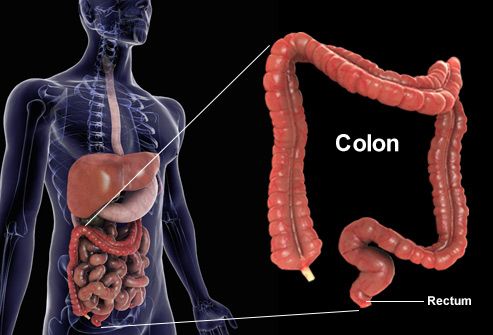
Exploded view of the human colon


What Is Colorectal Cancer ?
 when found early, it is highly curable. This type of cancer occurs when abnormal cells grow in the lining of the large intestine (colon) or rectum.
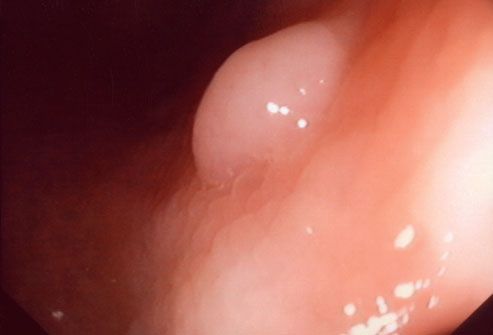
Colonoscopy image of a polyp on the colon lining
Symptoms
Colorectal cancers often begin as polyps -- benign growths on the interior surface of the colon. The two most common types of intestinal polyps are adenomas and hyperplastic polyps. They develop when there are errors in the way cells grow and repair the lining of the colon. Most polyps remain benign, but some have the potential to turn cancerous. Removing them early prevents colorectal cancer.


Factors  Beyond Your Control
Your risk of colorectal cancer depends on genetics and lifestyle. Factors you can't control include:
Age -- most patients are older than 50
Polyps or inflammatory bowel disease
Family history of colorectal cancer
History of ovarian or breast cancer


Factors You Can Control
 By Avoiding-
Diet high in red or processed meats, or meats cooked at high temperatures
Being overweight (excess fat around the waist)
Exercising too little
Smoking or drinking alcohol


Warning Signs
There are usually no early warning signs . For this reason it's important to get screened. Detecting cancer early means it's more curable. As the disease progresses, patients may notice blood in the stool, abdominal pain, a change in bowel habits (such as constipation or diarrhea), unexplained weight loss, or fatigue. By the time these symptoms appear, tumors tend to be larger and more difficult to treat.

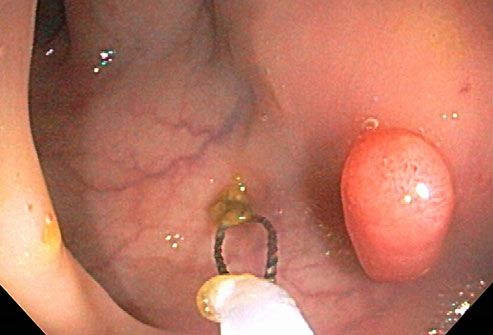
Close-up of colon polyp removal procedure


Screening
Because colorectal cancer is stealthy, screenings are the key to early detection. Beginning at age 50, most people should have a colonoscopy every 10 years. This procedure uses a tiny camera to examine the entire colon and rectum. These tests not only find tumors early, but can actually prevent colorectal cancer by removing polyps (shown here).


 Virtual Colonoscopy
There is now an alternative to colonoscopy that uses CT scan images to construct a 3-D model of your colon. Called virtual colonoscopy, the procedure can reveal polyps or other abnormalities without actually inserting a camera inside your body. The main disadvantage is that if polyps are found, a real colonoscopy will still be needed to remove and evaluate them.


X-Rays of the Colon (Lower GI)
Barium X-Rays of the colon  allows your doctor a glimpse at the interior of the colon and rectum, offering another way to detect polyps, tumors, and changes in the intestinal tissue. Like the virtual colonoscopy, any abnormalities that appear on the X-rays will need to be followed up with a conventional colonoscopy.

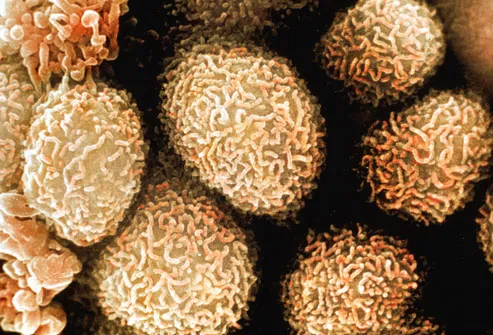
SEM micrograph of colon cancer cells

Diagnosing Colorectal Cancer
If testing reveals a possible tumor, the next step is a biopsy. During a colonoscopy, your doctor will remove polyps and take tissue samples from any parts of the colon that look unusual. This tissue is examined under a microscope to determine whether or not it is cancerous. Shown here is a color-enhanced, magnified view of colon cancer cells.


 Staging Colorectal Cancer
If cancer is detected, it will be "staged," a process of finding out how far the cancer has spread. Tumor size may not correlate with the stage of cancer. Staging also enables your doctor to determine what type of treatment you will receive.
Stage 0 -- Cancer is only in the innermost lining of the colon or rectum.
Stage I -- Cancer has not spread beyond the inner wall of the colon or rectum.
Stage II -- Cancer has spread into the muscle layer of the colon or rectum.
Stage III -- Cancer has spread to one or more lymph nodes in the area.
Stage IV -- Cancer has spread to other parts of the body, such as the liver, lung, or bones. This stage does NOT depend on how deep the tumor has penetrated or if the disease has spread to the lymph nodes near the tumor.


Surgery
In all but the last stage of colorectal cancer, the usual treatment is surgery to remove the tumor and surrounding tissue. In the case of larger tumors, it may be necessary to take out an entire section of the colon and/or rectum. The good news is that surgery has a very high cure rate in the early stages. If the cancer has spread to the liver, lungs, or other organs, surgery is not likely to offer a cure -- but removing the additional tumors, when possible, may reduce symptoms.


Treating Advanced Colorectal Cancer
When colorectal cancer has spread to one or more lymph nodes , it can still sometimes be cured. Treatment typically involves a combination of surgery, radiation  and chemotherapy. If the cancer comes back after initial treatment or spreads to other organs, it becomes much more difficult to cure. But radiation and chemotherapy may still relieve symptoms and help patients live longer.


Coping With Chemotherapy
Chemotherapy has come a long way from the days of turning people's stomachs. Newer drugs are less likely to cause this problem, and there are also medications to control nausea if it does occur.


Radiofrequency Ablation
Radiofrequency ablation (RFA) uses intense heat to burn away tumors. Guided by a CT scan, a doctor inserts a needle-like device that delivers heat directly to a tumor and the surrounding area. This offers an alternative for destroying tumors that cannot be surgically removed. In patients with a limited number of liver metastases that cannot be removed by surgery, chemotherapy is sometimes combined with RFA for tumor destruction.


How To Prevent Colorectal Cancer:
1) Diet
There are steps you can take to dramatically reduce your odds of developing colorectal cancer. Researchers estimate that eating a nutritious diet, getting enough exercise, and controlling body fat could prevent 45% of colorectal cancers. It is recommended to have a low-fat diet that includes plenty of fiber and at least five servings of fruits and vegetables per day.


2) Exercise
Physical activity appears to be a powerful weapon in the defense against colorectal cancer. In one study, the most active participants were 24% less likely to have the cancer than the least active people. It didn't matter whether the activity was linked to work or play. It is recommended exercising five or more days a week for at least 30 minutes a day.


Labels: , , , , , , , , , , , , , ,

Monday, November 21, 2011

Colorectal Cancer:

Exploded view of the human colon


 What Is It?
Not including skin cancer, colorectal cancer is the third most frequently diagnosed cancer in men and women and the second highest cause of cancer deaths in the U.S. Yet, when found early, it is highly curable. This type of cancer occurs when abnormal cells grow in the lining of the large intestine (colon) or rectum. Learn more about who gets colorectal cancer, how it is detected, and what the latest treatments can accomplish.


.How It Starts
Colorectal cancers often begin as polyps -- benign growths on the interior surface of the colon. The two most common types of intestinal polyps are adenomas and hyperplastic polyps. They develop when there are errors in the way cells grow and repair the lining of the colon. Most polyps remain benign, but some have the potential to turn cancerous. Removing them early prevents colorectal cancer.

Risk Factors You Can't Control
Your risk of colorectal cancer depends on genetics and lifestyle. Factors you can't control include:
Age -- most patients are older than 50
Polyps or inflammatory bowel disease
Family history of colorectal cancer
History of ovarian or breast cancer

Risk Factors You Can Control
Some factors that raise the risk of colorectal cancer are within your control:
Diet high in red or processed meats, or meats cooked at high temperatures
Being overweight (excess fat around the waist)
Exercising too little
Smoking or drinking alcohol


Colorectal Cancer Warning Signs
There are usually no early warning signs for colorectal cancer. For this reason it's important to get screened. Detecting cancer early means it's more curable. As the disease progresses, patients may notice blood in the stool, abdominal pain, a change in bowel habits (such as constipation or diarrhea), unexplained weight loss, or fatigue. By the time these symptoms appear, tumors tend to be larger and more difficult to treat.


Colorectal Cancer Screening
Because colorectal cancer is stealthy, screenings are the key to early detection. Beginning at age 50, most people should have a colonoscopy every 10 years. This procedure uses a tiny camera to examine the entire colon and rectum. These tests not only find tumors early, but can actually prevent colorectal cancer by removing polyps 

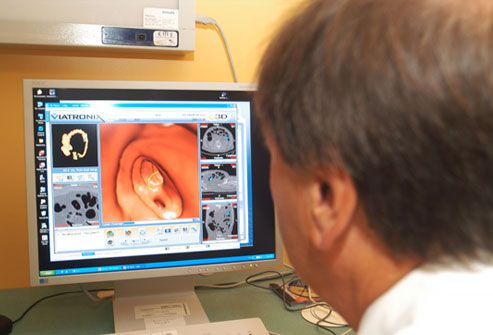
Radiologist reviewing CTscan of the colon

Virtual Colonoscopy
There is now an alternative to colonoscopy that uses CT scan images to construct a 3-D model of your colon. Called virtual colonoscopy, the procedure can reveal polyps or other abnormalities without actually inserting a camera inside your body. The main disadvantage is that if polyps are found, a real colonoscopy will still be needed to remove and evaluate them.

X-Rays of the Colon (Lower GI)
X-Rays of the colon -- using a chalky liquid known as barium as a contrast agent -- allow your doctor a glimpse at the interior of the colon and rectum, offering another way to detect polyps, tumors, and changes in the intestinal tissue. Shown here is an "apple core" tumor constricting the colon. Like the virtual colonoscopy, any abnormalities that appear on the X-rays will need to be followed up with a conventional colonoscopy.
SEM micrograph of colon cancer cells

Diagnosing Colorectal Cancer
If testing reveals a possible tumor, the next step is a biopsy. During a colonoscopy, your doctor will remove polyps and take tissue samples from any parts of the colon that look unusual. This tissue is examined under a microscope to determine whether or not it is cancerous. Shown here is a color-enhanced, magnified view of colon cancer cells.

Staging Colorectal Cancer
If cancer is detected, it will be "staged," a process of finding out how far the cancer has spread. Tumor size may not correlate with the stage of cancer. Staging also enables your doctor to determine what type of treatment you will receive.
Stage 0 -- Cancer is only in the innermost lining of the colon or rectum.
Stage I -- Cancer has not spread beyond the inner wall of the colon or rectum.
Stage II -- Cancer has spread into the muscle layer of the colon or rectum.
Stage III -- Cancer has spread to one or more lymph nodes in the area.
Stage IV -- Cancer has spread to other parts of the body, such as the liver, lung, or bones. This stage does NOT depend on how deep the tumor has penetrated or if the disease has spread to the lymph nodes near the tumor.


Colorectal Cancer Survival Rates
The outlook for your recovery depends on the stage of your cancer, with higher stages meaning more serious cancer. The five-year survival rate refers to the percentage of patients who live at least five years after being diagnosed. Stage I has a 74% five-year survival rate while stage IV has a five-year survival rate of only 6%.


Colorectal Cancer Surgery
In all but the last stage of colorectal cancer, the usual treatment is surgery to remove the tumor and surrounding tissue. In the case of larger tumors, it may be necessary to take out an entire section of the colon and/or rectum. The good news is that surgery has a very high cure rate in the early stages. If the cancer has spread to the liver, lungs, or other organs, surgery is not likely to offer a cure -- but removing the additional tumors, when possible, may reduce symptoms.


Treating Advanced Colorectal Cancer
When colorectal cancer has spread to one or more lymph nodes (stage III), it can still sometimes be cured. Treatment typically involves a combination of surgery, radiation (being administered here), and chemotherapy. If the cancer comes back after initial treatment or spreads to other organs, it becomes much more difficult to cure. But radiation and chemotherapy may still relieve symptoms and help patients live longer.


Coping With Chemotherapy
Chemotherapy has come a long way from the days of turning people's stomachs. Newer drugs are less likely to cause this problem, and there are also medications to control nausea if it does occur. Clinical trials continue to search for chemotherapy drugs that are more effective and tolerable.


Radiofrequency Ablation
Radiofrequency ablation (RFA) uses intense heat to burn away tumors. Guided by a CT scan, a doctor inserts a needle-like device that delivers heat directly to a tumor and the surrounding area. This offers an alternative for destroying tumors that cannot be surgically removed. In patients with a limited number of liver metastases that cannot be removed by surgery, chemotherapy is sometimes combined with RFA for tumor destruction.


Preventing Colorectal Cancer: Diet
There are steps you can take to dramatically reduce your odds of developing colorectal cancer. Researchers estimate that eating a nutritious diet, getting enough exercise, and controlling body fat could prevent 45% of colorectal cancers. The National Cancer Institute recommends a low-fat diet that includes plenty of fiber and at least five servings of fruits and vegetables per day.


Preventing Cancer With Exercise
Physical activity appears to be a powerful weapon in the defense against colorectal cancer. In one study, the most active participants were 24% less likely to have the cancer than the least active people. It didn't matter whether the activity was linked to work or play. The American Cancer Society recommends exercising five or more days a week for at least 30 minutes a day.


ext


Labels: , , , , , , , , , , , , ,