Wednesday, October 30, 2019

Diwali detox: Five food items you should definitely include in your diet

Now that Diwali is over (and you have packed away those boxes of mithai, sweets and fried snacks), it is time to make those much-needed alterations in your diet. 

Here's why
Since festival time means that you eat a lot of junk and calorie-laden goodies one after the other, it takes a toll on your blood sugar levels, which is not good for your health. What it also does is ruin the body's inflammation, which, then makes you more stressed and prone to chronic infections as well. Hence, you need to recharge the body with the right kind of nutrients so that it restores the ability to fight back and avoid infections in time. 


Most of us think about going on a crash diet post the festivals, thinking that it can reverse the damage of binge eating. According to a nutritionis, detoxing post festivals should not have to be this difficult.
Without depending on detox drinks and juices, you should instead be relying on a fuss-free detox diet this November which is very healthy. The best part, all of these are easily in the kitchen.

Your body will thank you later! Here are some detox food options you should definitely be stocking up on to clean the system:

1. Black pepper

If you thought black pepper was just something you can season your food with, think again. The humble pepper is loaded with super antioxidants that fight back inflammation and excess problems. The spice is loaded with a chemical compound known as 'piperine', which is effective in kick-starting the acute inflammatory process in the body and get rid of toxins. Some other spices you should be having more of include turmeric and cinnamon, which again are loaded with potent benefits.  

Add them to your teas, your salads or with your regular curries and veges but make sure to have all of these spices regularly.
2. Barley
Foods like oats, barley and quinoa are excellent whole grains that are loaded with high fiber, working actively to fight inflammation from the source. It is also a hypoglycemic grain that keeps insulin levels in check and maintains blood sugar levels on track, helping you prevent sugar problems. Replacing your regular flour (atta) with barley or having barley water can also prove to be an excellent hack to fight the festive weight gain! 


3. Mushrooms and Bitter-gourd/ karela

With the winter season almost in toe, it is also a good time for you to eat what is best available in season. Seasonal food, as we know can help fight so many problems and provide you with a dose of nutrients. According to the nutritionist, most of us don't eat mushrooms regularly and hence, miss out on the nutritional components. It contains a lot of vanadium, which is a trace mineral that effectively works in getting blood sugar levels back on track. Karela, again, is a wonderful source that has been long used traditionally to fight sugar problems. It is known as 'plant insulin' since it is that effective in lowering down spiked up blood glucose levels. Karela ki sabzi had 2-3 times a week is super healthy for you. If you are a non-vegetarian, fatty fish is also a good option to include in your diet.

Eating amla, or Indian gooseberries is another food you should not miss out on since the winter season is starting. Apart from plenty of vitamin C, it also pushes good enzymes in the body, helping clear out toxins. 


4. Methi seeds (Fenugreek seeds)

One last food option you should be making part of your daily diet is methi seeds (fenugreek seeds). They contain powerful functional compounds that have anti-inflammatory and antioxidant benefits. Having a glass of methi water first thing in the morning can recharge the body's immunity and boost its functioning. It is one of the easiest ways you can detox naturally!

this is only for your information, kindly take the advice of your doctor for medicines, exercises and so on.     
https://gscrochetdesigns.blogspot.com. one can see my crochet creations  
https://gseasyrecipes.blogspot.com. feel free to view for easy, simple and healthy recipes    
https://kneereplacement-stickclub.blogspot.com. for info on knee replacement


Labels: , , , , , , , , , , ,

Sunday, February 24, 2019

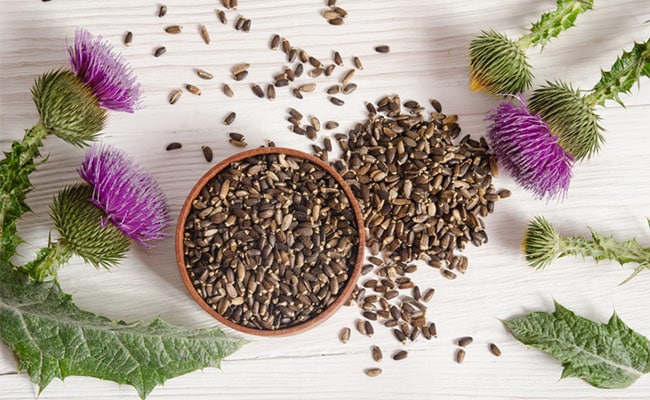
Milk Thistle Can Help Regulate Blood Sugar Levels In Type 2 diabetes

Type-2 diabetes is a chronic condition that affects the body's ability to process blood sugar or blood glucose. There are close to 10 million reported cases of type-2 diabetes in India every year. Common symptoms of type-2 diabetes include feeling thirsty frequently and feeling the need to pee very often, as well as hunger, blurred vision and tiredness. The condition is largely manageable through medication, as well as diet and exercise therapy. Diet is a crucial part of managing diabetes or erratic blood sugar levels. Diabetes patients must be very careful about what they include in their daily meals. They need to have a set meal plan with foods that can regulate the levels of glucose in the blood and a number of herbs and spices are well-known for this very role. Milk thistle is one herb that type 2 diabetics may include in their diet to effectively control blood sugar levels.

Milk thistle is a plant that has distinctive purple flowers and milk-white veins. The extract from the milk thistle plant is commercially available for consumption. The herbal extract is said to provide a number of health benefits, including protection of brain function, liver and bones, and even preventing skin infections like acne. Some research has also credited the bio-active compounds in milk thistle with potentially reducing side-effects of cancer treatments in patients. Milk thistle may also be used to lower blood sugar levels in people with type-2 diabetes. Here's how the herb can help.

Milk Thistle Extracts For Regulating Blood Sugar

Milk thistle has long been used as a herbal remedy for a number of disorders. It is usually consumed in the form of Silymarin, which is a dry mixture of all the natural compounds found in the plant called flavonolignans. Silymarin is anti-inflammatory and antioxidant in nature, and hence, is also known for its role in reducing blood cholesterol. It has come to be popular because of being hypoglyciemic, which means it may help lower blood sugar levels by improving insulin sensitivity in patients of type-2 diabetes.

Some studies on diabetic animals have shown that silymarin can trigger the pancreas to produce more insulin, in order to regulate blood glucose levels. A review and analysis of some studies found that silymarin people who regularly consumed milk thistle extracts experienced a reduction in their fasting blood sugar levels as well as their levels of glycated haemoglobin. Furthermore, the antioxidant properties in milk thistle may also help in preventing further complications like heart and kidney complications in type-2 diabetes patients.

Milk thistle may be consumed in the form of pills or packaged tea. Consult a doctor or diabetes specialist before you include this in your diabetes diet.

 in Tamil -Milk thistle is called Vishnu kranti


Milk Thistle For Type-2 Diabetes: How This Herb Can Help Regulate Blood Sugar Levels In Patients 

THIS IS ONLY FOR INFORMATION, ALWAYS CONSULT YOU PHYSICIAN BEFORE HAVING ANY PARTICULAR FOOD/ MEDICATION/EXERCISE/OTHER REMEDIES.                                    PS- THOSE INTERESTED IN RECIPES ARE FREE TO  VIEW MY BLOG-                                                                                           https://gseasyrecipes.blogspot.com/                                                                                                                                                         FOR INFO ABOUT KNEE REPLACEMENT, YOU CAN VIEW MY BLOG-                                                  https:// kneereplacement-stickclub.blogspot.com/           

                                                                           FOR CROCHET DESIGNS                                                                                                                                                                                                  https://gscrochetdesigns.blogspot.com

Labels: , , , , , , , , , , , ,

Monday, May 07, 2018

How a Low-Carb Diet Might Aid People With Type 1 Diabetes

Like many children, a young boy of 13, likes pizza, sandwiches and dessert.

But he has Type 1 diabetes, and six years ago, in order to control his blood sugar levels, his parents put him on a low-carbohydrate, high-protein diet. His mother makes him recipes with diabetic-friendly ingredients that won’t spike his blood sugar, like pizza with a low-carb, almond-flour crust; homemade bread with walnut flour instead of white flour; and yogurt topped with blueberries, raspberries and nuts.

His diet requires careful planning — he often takes his own meals with him to school. But he and his parents say it makes it easier to manage his condition and, since starting the diet, his blood sugar control has markedly improved and he has not had any diabetes complications requiring trips to the hospital.

“I do this so that I can be healthy,” he said of his diet. “When I eventually move out and go to college, I’m going to keep up what I’m doing because I’m on the right path.”

Most diabetes experts do not recommend low-carb diets for people with Type 1 diabetes, especially children. Some worry that restricting carbs can lead to dangerously low blood sugar levels, a condition known as hypoglycemia, and potentially stunt a child’s growth. But a new study published on Monday suggests otherwise.

It found that children and adults with Type 1 diabetes who followed a very low-carb, high-protein diet for an average of just over two years — combined with the diabetes drug insulin at smaller doses than typically required on a normal diet — had “exceptional” blood sugar control. They had low rates of major complications, and children who followed it for years did not show any signs of impaired growth.

The study found that the participants’ average hemoglobin A1C a long-term barometer of blood sugar levels, fell to just 5.67 percent. An A1C under 5.7 is considered normal, and it is well below the threshold for diabetes, which is 6.5 percent.

“Their blood sugar control seemed almost too good to be true,” said  the lead author of the study and an instructor in the division of pediatric endocrinology at a Children’s Hospital. “It’s nothing we typically see in the clinic for Type 1 diabetes.”

The new study comes with an important caveat. It was an observational study, not a randomized trial with a control group. The researchers recruited 316 people, 130 of them children whose parents gave consent, from a Facebook group dedicated to low-carb diets for diabetes, called TypeOneGrit, then reviewed their medical records and contacted their medical providers.

While it was not a clinical trial, the study is striking because it highlights a community of patients who have been “extraordinarily successful” at controlling their diabetes with a very low-carb diet, said the co-director of the Diabetes Center, who was not involved in the study. “Perhaps the surprise is that for this large number of patients it is much safer than many experts would have suggested.”

“I’m excited to see this paper,” the Dr. added. “It should reopen the discussion about whether this is something we should be offering our patients as a therapeutic approach.”

The authors of the paper cautioned that the findings should not lead patients to alter their diabetes management without consulting their doctors, and that large clinical trials will be necessary to determine whether this approach should be used more widely.

“We think the findings point the way to a potentially exciting new treatment option,” said a co-author of the study and a pediatric endocrinologist who has written popular books about low-carb diets. “However, because our study was observational, the results should not, by themselves, justify a change in diabetes management.”

About 1.25 million Americans have Type 1 diabetes, which occurs when the pancreas does not produce enough insulin to regulate blood sugar levels. Managing the condition requires administering insulin throughout the day, especially when consuming meals high in carbs, which raise blood sugar more than other nutrients. Over time, chronically elevated blood sugar can lead to nerve and kidney damage and cardiovascular disease. 

The standard approach for people with Type 1 diabetes is to match carb intake with insulin. But the argument for restricting carbs is that it keeps blood sugar more stable and requires less insulin, resulting in fewer highs and lows. The approach has not been widely studied or embraced for Type 1 diabetes, but some patients swear by it.

TypeOneGrit has about 3,000 members on a social network site who ascribe to a program devised by  an 84-year-old physician with Type 1 diabetes. His book, recommends limiting daily carb intake to about 30 grams, the amount in a sweet potato, large apple or two slices of whole wheat bread.

Dr.  argues that the fewer carbs consumed, the easier it is to stabilize blood sugar with insulin. He recommends foods like nonstarchy vegetables, seafood, nuts, meat, yogurt, tofu and recipes made with soybean flour, sugar substitutes and other low-glycemic ingredients. His plan emphasizes protein intake, which he says is especially important for growing children.

An orthopedic surgeon with Type 1 diabetes who follows a low-carb vegan diet, credits that approach with helping her keep her blood sugar under control. “It allows me to perform complex spine surgeries without worrying about my diabetes because my blood sugar stays relatively stable,” said the Dr., who helped inspire the new study when researchers learned about her participation in the TypeOneGrit community.

The most striking finding of the new report was that A1C levels, on average, fell from 7.15 percent, in the diabetic range, to 5.67 percent, which is normal. The rate of diabetes-related hospitalizations also fell, from 8 percent before the diet to 2 percent after, including fewer hospitalizations for hypoglycemic seizures.

Those following the diet had increased LDL cholesterol, likely from consuming more saturated fat, which some experts said was potentially concerning and deserved further study. But other heart disease risk factors appeared favorable: They had high HDL cholesterol, the protective kind, and low triglycerides, a type of fat in the blood linked to heart disease.

A diabetes expert who was not involved in the study, said the findings were impressive and merited further follow-up, and that patients who wanted to explore a low-carb approach might do so while being monitored by their health care team. But she also noted that the patients in the new study were a “highly motivated” group, and that it would be difficult for many people to adopt the restrictive regimen they followed.

“The reality is that it’s really hard to do low-carb, given our cultural norms,” said a professor of pediatrics.

In an interview, the a co-author on the paper, said it demonstrates what he sees in his practice: That there are diabetics on his regimen “who are walking around with normal blood sugars and they are happy about it, healthy, and growing if they are kids.”

A human resources manager in Alabama, agrees. Both he and his son, have Type 1 diabetes. He said he struggled for years to control his blood sugar. But six years ago, he gave up juice, bread, potatoes and other simple carbs, and made protein and non-starchy vegetables the focus of his meals.

Since going low-carb, he said, he has lost weight, cut in half the amount of insulin he uses daily, and watched his A1C fall from the diabetic range to normal levels.

“I have normalized, steady blood sugars now,” he said. “I am no longer on the roller coaster.”

THIS IS ONLY FOR INFORMATION, ALWAYS CONSULT YOU PHYSICIAN BEFORE HAVING ANY PARTICULAR FOOD/ MEDICATION/EXERCISE/OTHER REMEDIES.                                                                                                                                                                                                        PS- THOSE INTERESTED IN RECIPES ARE FREE TO  VIEW MY BLOG-                                                                                           https://gseasyrecipes.blogspot.com/  

FOR INFO ABOUT KNEE REPLACEMENT, YOU CAN VIEW MY BLOG-                                                                                        https:// kneereplacement-stickclub.blogspot.com/                              
FOR CROCHET DESIGNS                                                                                                                                                                                                                                 https://my crochet creations.blogspot.com


Labels: , , , , , ,

Sunday, October 23, 2016

HEALTH BENEFITS OF GUAVA

1. Weight loss and gain
Guava is a winning fruit for its many great benefits. If you’re trying to lose weight, guavas are not a fruit you need to give up. In fact, this snack-sized fruit can satisfy your appetite while adding few calories, low amounts of carbohydrates and no cholesterol to your diet. Also, compared to other fruit, it adds a low dose of sugar.

Guavas also offer a great source of vitamins, proteins, roughage, fibers and minerals. For lean people trying to gain weight, this fruit is also beneficial as it promotes the healthy absorption of nutrients and its substantial nutrients regulate one’s metabolism.

2. Blood pressure and Diabetes
Guavas are hypoglycemic and rich in fiber, which help reduce blood pressure. Dietary fibers maintain the blood’s fluidity and prevent it from thickening, which can worsen blood pressure. Foods lacking in fiber (for example refined flour) increase blood pressure because they convert to sugar more quickly. Guavas can help fight or even prevent diabetes. The fiber regulates the sugar being absorbed by the body and the risk of high spikes and drops in the body’s insulin and glucose levels is reduced.

3. Diarrhea, dysentery, and gastroenteritis
The abundant astringent (substances that contract body tissue) makeup of raw guava and guava leaves helps loosen the bowels and reduce the symptoms of diarrhea and gastroenteritis. Being highly alkaline, the guavas act as a disinfectant, removing excess mucus from the intestines and inhibiting microbial growth. For these reasons, guavas can also be used to treat dysentery. The guavas’ plentiful supply of vitamin C, carotenoids and potassium can also boost your digestive system.

 4. Thyroid health
A good substance for regulating the thyroid’s metabolism is copper, which guavas have plenty of. The thyroid glands regulate important hormones and organ system functions, which helps maintain a healthy balance in your body.

5. Healthy brains
Also present in guavas are high amounts of vitamins B3 and B6. These both have benefits for the health of your brain. B3, which is also called niacin, is known to help increase blood flow and stimulate cognitive function, while B6 helps preserve normal nerve function.

6. Scurvy
Guava is your best source for vitamin C. In fact, it has four times the amount of vitamin C found in oranges, which are regarded as the go-to food for this vitamin. The concentration of vitamin C can prevent scurvy, a disease caused by a deficiency of this vitamin.

7. Constipation
The seeds of guavas, either ingested whole or chewed, are excellent laxatives. In addition to the fruits' substantial amount of dietary fiber, guavas are advantageous for treating constipation. These two sources cleanse your intestines and excretory system and help your body retain water, helping you achieve healthy bowel movements. Frequently snacking on guavas, then, can be beneficial for proper digestion.

8. Colds and coughs
Drinking the juice of guavas and fresh guava fruit helps in fighting colds and coughs. The astringent quality can lessen mucus, disinfect the respiratory tract, throat, and lungs and reduce microbial activity. The substantial amounts of iron and vitamin C in guavas also help treat viral infections. It’s advised to avoid eating overly ripe guavas when you have a cold or cough, as they can actually aggravate them.

9. Eyesight
The considerable quantities of vitamin A in guavas are extremely beneficial for the health of your vision. This helps slow down macular degeneration, the growth of cataracts, and can even improve one’s eyesight deterioration once it has begun.

10. Cancer prevention
Guava is also valuable in your diet as a preventative measure against cancerous growths and metastasis. The high levels of an antioxidant called lycopene has been shown to reduce the risk of prostate cancer and inhibit the growth of breast cancer cells. Guava leaf oil is another anti-proliferative extract from the guava plant that has proven effective in reducing cancer growth.
11. Skincare
Guavas are also fantastic at improving skin texture and keeping your skin looking fresh. Guavas are full of astringents, particularly in fresh fruit and the leaves of the plant. If you rinse your skin with a guava decoction, the fruit can tone and tighten areas of loose skin.

Eating the fruit also provides a rich source of vitamins A, B, C, as well as potassium, which are excellent antioxidants and detoxifiers. They can keep your skin glowing, prevent premature aging and wrinkles, and can speed up the healing process of wounds.
  

this is only for your information, kindly take the advice of your doctor for medicines, exercises and so on.


https://gscrochetdesigns.blogspot.com. one can see my crochet creations
https://gseasyrecipes.blogspot.com. feel free to view for easy, simple and healthy recipes

https://kneereplacement-stickclub.blogspot.com. for info on knee replacement

Labels: , , , , , , , , , , , , , , , , , ,

Monday, June 15, 2015

The Health Benefits of Guavas

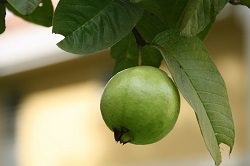
Guavas are found in the tropics, and invoke images of vacations, summer parties and island life, but this tasty fruit is more than a celebratory food. This fruit is bursting with healthy vitamins and minerals and can be used to treat many serious ailments. You can recognize guavas by their yellow, green or maroon skins and creamy white or pink pulp.
 
Weight loss and gain
Guava is a winning fruit for its many great benefits. If you’re trying to lose weight, guavas are not a fruit you need to give up. In fact, this snack-sized fruit can satisfy your appetite while adding few calories, low amounts of carbohydrates and no cholesterol to your diet. And, compared to other fruit, adds a low dose of sugar. Guavas also offer a great source of vitamins, proteins, roughage, fibers and minerals. For lean people trying to gain weight, this fruit is also beneficial as it promotes the healthy absorption of nutrients and its substantial nutrients regulate one’s metabolism.

Blood pressure and Diabetes
Guavas are hypoglycemic and rich in fiber, which helps reduce blood pressure. Dietary fibers maintain the blood’s fluidity and prevent it from thickening, which can worsen blood pressure. Foods lacking in fiber (for example refined flour) increase blood pressure because they convert to sugar more quickly. This can help fight or even prevent diabetes. The fiber regulates the sugar being absorbed by the body and the risk of both high spikes and drops in the body’s insulin and glucose levels is reduced.

Diarrhea, dysentery, and gastroenteritis
The abundant astringent (substances that contract body tissue) makeup of raw guava and guava leaves helps loosen the bowels and can reduce the symptoms of diarrhea and gastroenteritis. Being highly alkaline, the guavas act as a disinfectant, removing excess mucus from the intestines and inhibiting microbial growth. For these reasons, guavas can also be used to treat dysentery. The guavas’ plentiful supply of vitamin C, carotenoids and potassium can also boost your digestive system.

Thyroid health
A good substance for regulating the thyroid’s metabolism is copper, which guavas have plenty of. The thyroid glands regulate important hormones and organ system functions, which helps maintain a healthy balance in your body.

Healthy brains
Also present in guavas are high amounts of vitamins B3 and B6. These both have benefits for the health of your brain. B3, which is also called niacin, is known to help increase blood flow and stimulate cognitive function, while B6 helps preserve normal nerve function.

Scurvy
Guava is your best source for vitamin C. In fact it has four times the amount of Vitamin C found in oranges, which are regarded as the go-to food for this vitamin. The concentration of vitamin C can prevent scurvy, a disease caused by a deficiency of this vitamin.

Constipation
The seeds of guavas, either ingested whole or chewed, are excellent laxatives. In addition to the fruits' substantial amount of dietary fiber, guavas are advantageous for treating constipation. These two sources cleanse your intestines and excretory system and help your body retain water, helping you achieve healthy bowel movements. Frequently snacking on guavas, then, can be beneficial for proper digestion.

Colds and coughs
Drinking the juice of guavas and fresh guava fruit helps in fighting colds and coughs. The astringent quality can lessen mucus, disinfect the respiratory tract, throat, and lungs and reduce microbial activity. The substantial amounts of iron and vitamin C in guavas also help treat viral infections. It’s advised to avoid eating overly ripe guavas when you have a cold or cough as they can actually aggravate them.

Eyesight
The considerable quantities of vitamin A in guavas are extremely beneficial for the health of your vision. This helps slow down macular degeneration, the growth of cataracts and even improve one’s eyesight degradation once it has begun.
Cancer prevention
Guava is also valuable in your diet as a preventative measure against cancerous growths and metastasis. The high levels of an antioxidant called lycopene has been shown to reduce the risk of prostate cancer and inhibit the growth of breast cancer cells. Guava leaf oil is another anti-proliferative extract from the guava plant that has proven effective in reducing cancer growth.

Skincare
Guavas are also fantastic at improving skin texture and keeping your skin looking fresh. Guavas are full of astringents, particularly in fresh fruit and the leaves of the plant. If you rinse your skin with a guava decoction, the fruit can tone and tighten areas of loose skin. Eating the fruit also provides a rich source of vitamins A, B, C, as well as potassium, which are excellent antioxidants and detoxifiers. They can keep your skin glowing, prevent premature aging and wrinkles, and can speed up the healing process of wounds.

 THIS IS ONLY FOR INFORMATION, ALWAYS CONSULT YOU PHYSICIAN BEFORE HAVING ANY PARTICULAR FOOD/ MEDICATION/EXERCISE/OTHER REMEDIES.


PS- THOSE INTERESTED IN RECIPES ARE FREE TO VIEW MY BLOG-
HTTP:GSEASYRECIPES.BLOGSPOT.COM


FOR INFO ABOUT KNEE REPLACEMENT, YOU CAN VIEW MY BLOG
HTTP://KNEE REPLACEMENT-STICK CLUB.BLOGSPOT.COM/

FOR CROCHET DESIGNS


Labels: , , , , , , , , , , , , ,