Saturday, July 18, 2026

Looking to Lose Weight? Here's How to Eat Fewer Carbs!

There was a time when low-fat, high-carbohydrate diets were all the rage and it was believed that eating fat caused weight gain. However, research has shown that eating carbs can pack on the pounds more than eating fats. So, if you’re looking to lose weight, here are ten ways you can reduce your carbohydrate intake: 

1. Eliminate Sugar-Sweetened Drinks

As we all know, sugar-sweetened beverages are very unhealthy. They’re high in added sugar, which has been linked to an increased risk of type 2 diabetes, insulin resistance, and obesity when consumed in excess. 

A 12-ounce can of soda contains 38 grams of carbs and a 12-ounce iced tea has 36 grams of carbs. Therefore, if you want to eat fewer carbs, avoiding sugar-sweetened drinks should be one of the first things you do.

If you want to drink something that is refreshing and has a taste, try adding some lime or lemon to some club soda.

2. Cut Back on Bread 

Bread is a staple food all over the world. However, it’s also quite high in carbs and generally low in fiber. This is particularly true for white bread made from refined grains, which may negatively impact weight and health. 

Even nutritious breads such as rye contain around 15 grams of carbs per slice, with only a couple of these grams being fiber, the only component of carbs that isn’t digested and absorbed. 

Although whole grain bread contains minerals and vitamins, there are many other foods that provide the same nutrients with much fewer carbs. These healthy foods include nuts, seeds, and vegetables. 

3. Stop Drinking Fruit Juice 
 
Carbs
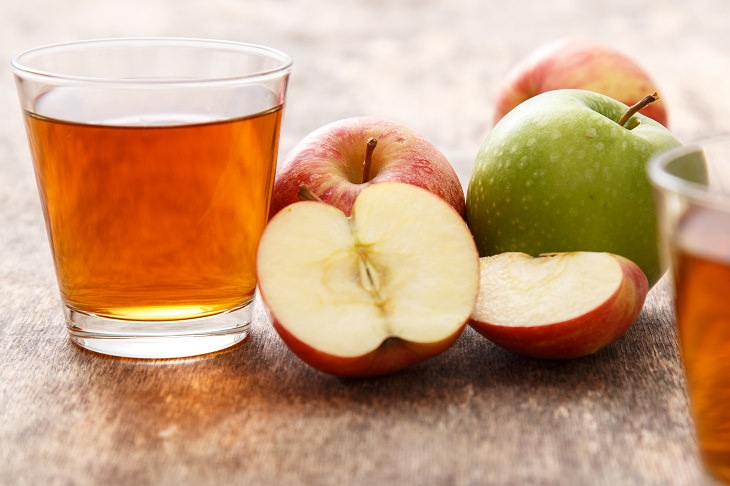
Unlike whole fruit, fruit juice contains little to no fiber and is full of sugar. 

Although they provide some minerals and vitamins, they’re no better than sugar-sweetened beverages in terms of sugars and carbs. This is true even for 100% fruit juice. 

For instance, 12-ounces of 100% apple juice contains 48 grams of carbs, most of which is sugar. Therefore, it’s best to avoid juice completely. Instead, why don’t you try flavoring your water by adding a slice of lemon or orange?

4. Eat Eggs or Other Low-Carb Breakfast Foods 

Even small amounts of some breakfast foods are high in carbs. For example, one half-cup of granola cereal contains around 30 grams of digestible carbs, and that’s before you add the milk. 

On the other hand, eggs are an ideal breakfast when you’re trying to cut back on the carbs. For starters, an egg contains less than 1 gram of carbs. They’re also a fantastic source of protein, which can help you feel full for hours, meaning you eat fewer calories throughout the day. 

What’s more, eggs are extremely versatile and can be prepared in many ways, including hard-boiling for an on-the-go breakfast.

5. Ask for Veggies Instead of Potatoes or Bread at Restaurants
Eating out can be challenging during the initial stages of a low-carb diet. Even if you order meat or fish with no breading or gravy, you’ll normally receive some sort of starch on the side in the form of pasta, potatoes, or rolls. 

 However, these starches can add 30 grams of carbs to your meal, depending on the portion size, which is usually quite large. 

Therefore, you should ask the server to substitute low-carb vegetables in place of the high-carb foods.

6. Replace Milk with Almond or Coconut Milk 

Milk is nutritious, but it’s also quite high in carbs since it contains a type of sugar known as lactose. 

An 8-ounce glass of full-fat or low-fat milk still contains 12-13 grams of carbs. Adding a splash of milk to your tea or coffee is fine, but if you drink milk by the glassful or in lattes and shakes, it might end up contributing a lot of carbs. 

There are a number of milk substitutes available. The most popular ones are almond and coconut milk, but there are also types made from other nuts and hemp. Vitamin D, calcium, and other vitamins and minerals are often added to improve nutritional value. 

7. Choose Dairy that is Low in Carbs

Dairy products are delicious and can be healthy since they contain calcium, magnesium, and other important minerals. It also contains conjugated linoleic acid (CLA), a type of fatty acid which has been shown to promote fat loss. 

However, some dairy foods are bad choices if you’re on a low-carb diet. For example, fruit-flavored yogurt, frozen yogurt, and pudding are often full of sugar and very high in carbs. On the other hand, Greek yogurt and cheese are much lower in carbs and have been shown to reduce appetite, promote fullness, improve body composition, and reduce heart disease risk. 

8. Eat Healthy High-Protein Foods 

Eating a good source of protein at every meal can make it a lot easier to cut back on carbs, and it’s especially important if you’re trying to lose weight. 

Protein triggers the release of the “fullness hormone” PYY, decreases hunger, helps to fight food cravings and protects muscle mass during weight loss. It also has a much higher thermic value compared to carbs or fats, meaning your body’s metabolic weight increases more when digesting and metabolizing it.

Foods that are high in protein include meat, poultry, fish, eggs, nuts, cheese, cottage cheese, Greek yogurt, and whey protein powder. 

9. Start Reading Food Labels
Reading food labels can provide you with valuable information about the carb content of packaged foods. The key is knowing where to look and whether any calculations need to be done. 

If you live outside the US, the fiber in the carbs section will have already been deducted. If you happen to live in the US, you can deduct the grams of fiber from the carbs to get the digestible carb content. 

It’s also important to look at how many servings are included in the package, as it’s often more than just one. For example, if a trail mix contains 7 grams of carbs per serving and a total of 4 servings, you’ll end up taking in 28 grams of carbs if you eat the whole bag. 

10. Count Carbs with a Nutrition Tracker

A nutrition tracker is a wonderful tool for keeping track of your daily food intake. Most are available as apps for tablets and smartphones, as well as online. 

When you enter your food intake for each meal and snack, carbs and other nutrients are automatically calculated. Some of the most popular nutrition programs are FitDay, Cron-o-Meter, SparkPeople, and MyFitnessPal. 

These programs calculate your nutrient needs based on your age, weight and other factors, but you can customize your daily carb goal and change it when you like.


This is only for your information, kindly take the advice of your doctor for food, medicines, exercises and so on.   


Labels: , , , , , , , , ,

Thursday, January 23, 2020

20 Mainstream Nutrition Myths (Debunked by Science)

Here are 20 mainstream nutrition myths that have been debunked by scientific research.
Myth 1: The Healthiest Diet Is a Low-Fat, High-Carb Diet With Lots of Grains
Several decades ago, the entire population was advised to eat a low-fat, high-carb diet .

At the time, not a single study had demonstrated that this diet could actually prevent disease.

Since then, many high quality studies have been done, including the Women's Health Initiative, which is the largest nutrition study in history.

The results were clear... this diet does not cause weight loss, prevent cancer OR reduce the risk of heart disease
Bottom Line:
Numerous studies have been done on the low-fat, high-carb diet. It has virtually no effect on body weight or disease risk over the long term.


Myth 2: Salt Should Be Restricted in Order to Lower Blood Pressure and Reduce Heart Attacks and Strokes

The salt myth is still alive and kicking, even though there has never been any good scientific support for it.

Although lowering salt can reduce blood pressure by 1-5 mm/Hg on average, it doesn't have any effect on heart attacks, strokes or death .

Of course, if you have a medical condition like salt-sensitive hypertension then you may be an exception .

But the public health advice that everyone should lower their salt intake (and have to eat boring, tasteless food) is not based on evidence.

    Bottom Line:

    Despite modestly lowering blood pressure, reducing salt/sodium does not reduce the risk of heart attacks, strokes or death.

Myth 3: It Is Best to Eat Many, Small Meals Throughout the Day to "Stoke the Metabolic Flame"

It is often claimed that people should eat many, small meals throughout the day to keep the metabolism high.

But the studies clearly disagree with this. Eating 2-3 meals per day has the exact same effect on total calories burned as eating 5-6 (or more) smaller meals .

Eating frequently may have benefits for some people (like preventing excessive hunger), but it is incorrect that this affects the amount of calories we burn.

There are even studies showing that eating too often can be harmful... a new study came out recently showing that more frequent meals dramatically increased liver and abdominal fat on a high calorie diet .

    Bottom Line:
    It is not true that eating many, smaller meals leads to an increase in the amount of calories burned throughout the day. Frequent meals may even increase the accumulation of unhealthy belly and liver fat.

Myth 4: Egg Yolks Should Be Avoided Because They Are High in Cholesterol, Which Drives Heart Disease
We've been advised to cut back on whole eggs because the yolks are high in cholesterol.

However, cholesterol in the diet has remarkably little effect on cholesterol in the blood, at least for the majority of people .

Studies have shown that eggs raise the "good" choleserol and don't raise risk of heart disease .
One review of 17 studies with a total of 263,938 participants showed that eating eggs had no effect on the risk of heart disease or stroke in non-diabetic individuals .

However... keep in mind that some studies have found an increased heart attack risk in diabetics who eat eggs .

Whole eggs really are among the most nutritious foods on the planet and almost all the nutrients are found in the yolks.

Telling people to throw the yolks away may just be the most ridiculous advice in the history of nutrition.

    Bottom Line:
    Despite eggs being high in cholesterol, they do not raise blood cholesterol or increase heart disease risk for the majority of people.

Myth 5: Whole Wheat Is a Health Food and an Essential Part of a "Balanced" Diet"

Wheat has been a part of the diet for a very long time, but it changed due to genetic tampering in the 1960s.

The "new" wheat is significantly less nutritious than the older varieties .

Preliminary studies have shown that, compared to older wheat, modern wheat may increase cholesterol levels and inflammatory markers .

It also causes symptoms like pain, bloating, tiredness and reduced quality of life in patients with irritable bowel syndrome .

Whereas some of the older varieties like Einkorn and Kamut may be relatively healthy, modern wheat is not.

Also, let's not forget that the "whole grain" label is a joke... these grains have usually been pulverized into very fine flour, so they have similar metabolic effects as refined grains.

    Bottom Line:
    The wheat most people are eating today is unhealthy. It is less nutritious and may increase cholesterol levels and inflammatory markers.

Myth 6: Saturated Fat Raises LDL Cholesterol in the Blood, Increasing Risk of Heart Attacks

For decades, we've been told that saturated fat raises cholesterol and causes heart disease.

In fact, this belief is the cornerstone of modern dietary guidelines.

However... several massive review studies have recently shown that saturated fat is NOT linked to an increased risk of death from heart disease or stroke .

The truth is that saturated fats raise HDL (the "good") cholesterol and change the LDL particles from small to Large LDL, which is linked to reduced risk .

For most people, eating reasonable amounts of saturated fat is perfectly safe and downright healthy.

    Bottom Line:
    Several recent studies have shown that saturated fat consumption does not increase the risk of death from heart disease or stroke.

Myth 7: Coffee Is Unhealthy and Should Be Avoided

Coffee has long been considered unhealthy, mainly because of the caffeine. However, most of the studies actually show that coffee has powerful health benefits.

This may be due to the fact that coffee is the biggest source of antioxidants in the Western diet, outranking both fruits and vegetables... combined.

Coffee drinkers have a much lower risk of depression, type 2 diabetes, Alzheimer's, Parkinson's... and some studies even show that they live longer than people who don't drink coffee .

    Bottom Line:
    Despite being perceived as unhealthy, coffee is actually loaded with antioxidants. Numerous studies show that coffee drinkers live longer and have a lower risk of many serious diseases.

Myth 8: Eating Fat Makes You Fat... So If You Want to Lose Weight, You Need to Eat Less Fat

Fat is the stuff that is under our skin, making us look soft and puffy.

Therefore it seems logical that eating fat would give us even more of it.

However, this depends entirely on the context. Diets that are high in fat AND carbs can make you fat, but it's not because of the fat.

In fact, diets that are high in fat (but low in carbs) consistently lead to more weight loss than low-fat diets... even when the low-fat groups restrict calories .

    Bottom Line:
    The fattening effects of dietary fat depend entirely on the context. A diet that is high in fat but low in carbs leads to more weight loss than a low-fat diet.

Myth 9: A High-Protein Diet Increases Strain on the Kidneys and Raises Your Risk of Kidney Disease

It is often said that dietary protein increases strain on the kidneys and raises the risk of kidney failure.
Although it is true that people with established kidney disease should cut back on protein, this is absolutely not true of otherwise healthy people.
Numerous studies, even in athletes that eat large amounts of protein, show that a high protein intake is perfectly safe .


In fact, a higher protein intake lowers blood pressure and helps fight type 2 diabetes... which are two of the main risk factors for kidney failure .

Also let's not forget that protein reduces appetite and supports weight loss, but obesity is another strong risk factor for kidney failure.

    Bottom Line:
    Eating a lot of protein has no adverse effects on kidney function in otherwise healthy people and improves numerous risk factors.

Myth 10: Full-Fat Dairy Products Are High in Saturated Fat and Calories... Raising the Risk of Heart Disease and Obesity

High-fat dairy products are among the richest sources of saturated fat in the diet and very high in calories.

For this reason, we've been told to eat low-fat dairy products instead.

However, the studies do not support this. Eating full-fat dairy product is not linked to increased heart disease and is even associated with a lower risk of obesity .

In countries where cows are grass-fed, eating full-fat dairy is actually associated with up to a 69% lower risk of heart disease.

If anything, the main benefits of dairy are due to the fatty components. Therefore, choosing low-fat dairy products is a terrible idea.

Of course... this does not mean that you should go overboard and pour massive amounts of butter in your coffee, but it does imply that reasonable amounts of full-fat dairy from grass-fed cows are both safe and healthy.

    Bottom Line:

    Despite being high in saturated fat and calories, studies show that full-fat dairy is linked to a reduced risk of obesity. In countries where cows are grass-fed, full-fat dairy is linked to reduced heart disease.

Myth 11: All Calories Are Created Equal, It Doesn't Matter Which Types of Foods They Are Coming From

It is simply false that "all calories are created equal." Different foods go through different metabolic pathways and have direct effects on fat burning and the hormones and brain centers that regulate appetite .


A high protein diet, for example, can increase the metabolic rate by 80 to 100 calories per day and significantly reduce appetite .

In one study, such a diet made people automatically eat 441 fewer calories per day. They also lost 11 pounds in 12 weeks, just by adding protein to their diet .

There are many more examples of different foods having vastly different effects on hunger, hormones and health. Because a calorie is not a calorie.


Bottom Line:
Not all calories are created equal, because different foods and macronutrients go through different metabolic pathways. They have varying effects on hunger, hormones and health.


Myth 12: Low-Fat Foods Are Healthy Because They Are Lower in Calories and Saturated Fat

When the low-fat guidelines first came out, the food manufacturers responded with all sorts of low-fat "health foods." The problem is... these foods taste horrible when the fat is removed, so the food manufacturers added a whole bunch of sugar instead.


The truth is, excess sugar is incredibly harmful, while the fat naturally present in food is not .
Bottom Line:
 Processed low-fat foods tend to be very high in sugar, which is very unhealthy compared to the fat that is naturally present in foods.


Myth 13: Red Meat Consumption Raises the Risk of All Sorts of Diseases... Including Heart Disease, Type 2 Diabetes and Cancer


We are constantly warned about the "dangers" of eating red meat.


It is true that some studies have shown negative effects, but they were usually lumping processed and unprocessed meat together.

The largest studies (one with over 1 million people, the other with over 400 thousand) show that unprocessed red meat is not linked to increased heart disease or type 2 diabetes .

Two review studies have also shown that the link to cancer is not as strong as some people would have you believe. The association is weak in men and nonexistent in women .


So... don't be afraid of eating meat. Just make sure to eat unprocessed meat and don't overcook it, because eating too much burnt meat may be harmful.

Bottom Line:
It is a myth that eating unprocessed red meat raises the risk of heart disease and diabetes. The cancer link is also exaggerated, the largest studies find only a weak effect in men and no effect in women.


Myth 14: The Only People Who Should Go Gluten-Free Are Patients With Celiac Disease, About 1% of the Population
It is often claimed that no one benefits from a gluten-free diet except patients with celiac disease. This is the most severe form of gluten intolerance, affecting under 1% of people .

But another condition called gluten sensitivity is much more common and may affect about 6-8% of people, although there are no good statistics available yet.


Studies have also shown that gluten-free diets can reduce symptoms of irritable bowel syndrome, schizophrenia, autism and epilepsy .


However... people should eat foods that are naturally gluten free (like plants and animals), not gluten-free "products." Gluten-free junk food is still junk food.


But keep in mind that the gluten situation is actually quite complicated and there are no clear answers yet. Some new studies suggest that it may be other compounds in wheat that cause some of the digestive problems, not the gluten itself.


 Bottom Line:
 Studies have shown that many people can benefit from a gluten-free diet, not just patients with celiac disease.


Myth 15: Losing Weight Is All About Willpower and Eating Less, Exercising More
Weight loss (and gain) is often assumed to be all about willpower and "calories in vs calories out." But this is completely inaccurate.


The human body is a highly complex biological system with many hormones and brain centers that regulate when, what and how much we eat.


It is well known that genetics, hormones and various external factors have a huge impact on body weight .


Junk food can also be downright addictive, making people quite literally lose control over their consumption .


Although it is still the individual's responsiblity to do something about their weight problem, blaming obesity on some sort of moral failure is unhelpful and inaccurate.


Bottom Line:
It is a myth that weight gain is caused by some sort of moral failure. Genetics, hormones and all sorts of external factors have a huge effect.


Myth 16: Saturated Fats and Trans Fats Are Similar... They're the "Bad" Fats That We Need to Avoid
The mainstream health organizations often lump saturated and artificial trans fats in the same category... calling them the "bad" fats.


It is true that trans fats are harmful. They are linked to insulin resistance and metabolic problems, drastically raising the risk of heart disease .
 

However, saturated fat is harmless, so it makes absolutely no sense to group the two together.

Interestingly, these same organizations also advise us to eat vegetable oils like soybean and canola oils.


But these oils are actually loaded with unhealthy fats... one study found that 0.56-4.2% of the fatty acids in them are toxic trans fats !


  Bottom Line:
  Many mainstream health organizations lump trans fats and saturated fats together, which makes no sense. Trans fats are harmful, saturated fats are not.


Myth 17: Protein Leaches Calcium From the Bones and Raises the Risk of Osteoporosis


It is commonly believed that eating protein raises the acidity of the blood and leaches calcium from the bones, leading to osteoporosis.


Although it is true that a high protein intake increases calcium excretion in the short-term, this effect does not persist in the long-term.


The truth is that a high protein intake is linked to a massively reduced risk of osteoporosis and fractures in old age .


This is one example of where blindly following the conventional nutritional wisdom will have the exact opposite effect of what was intended!


 Bottom Line:

 Numerous studies have shown that eating more (not less) protein is linked to a reduced risk of osteoporosis and fractures.


Myth 18: Low-Carb Diets Are Dangerous and Increase Your Risk of Heart Disease

 
Low-carb diets have been popular for many decades now.


Mainstream nutrition professionals have constantly warned us that these diets will end up clogging our arteries.


However, since the year 2002, over 20 studies have been conducted on the low-carb diet.


Low-carb diets actually cause more weight loss and improve most risk factors for heart disease more than the low-fat diet .


Although the tide is slowly turning, many "experts" still claim that such diets are dangerous, then continue to promote the failed low-fat dogma that science has shown to be utterly useless.


Of course, low-carb diets are not for everyone, but it is very clear that they can have major benefits for people with obesity, type 2 diabetes and metabolic syndrome... some of the biggest health problems in the world .


 Bottom Line:
    Despite having been demonized in the past, many new studies have shown that low-carb diets are much healthier than the low-fat diet still recommended by the mainstream.


Myth 19: Sugar Is Mainly Harmful Because It Supplies "Empty" Calories"


Pretty much everyone agrees that sugar is unhealthy when consumed in excess.


But many people still believe that it is only bad because it supplies empty calories.


Well... nothing could be farther from the truth.


When consumed in excess, sugar can cause severe metabolic problems .


Many experts now believe that sugar may be driving of some of the world's biggest killers... including obesity, heart disease, diabetes and even cancer .


Although sugar is fine in small amounts (especially for those who are physically active and metabolically healthy), it can be a complete disaster when consumed in excess.


Myth 20: Refined Seed and Vegetable Oils Like Soybean and Corn Oils Lower Cholesterol and Are Super Healthy


Vegetable oils like soybean and corn oils are high in Omega-6 polyunsaturated fats, which have been shown to lower cholesterol levels.


But it's important to remember that cholesterol is a risk factor for heart disease, not a disease in itself.
Just because something improves a risk factor, it doesn't mean that it will affect hard end points like heart attacks or death... which is what really counts.


The truth is that several studies have shown that these oils increase the risk of death, from both heart disease and cancer.


Even though these oils have been shown to cause heart disease and kill people, the mainstream health organizations are still telling us to eat them.


They just don't get it... when we replace real foods with processed fake foods, we become fat and sick.


How many decades of "research" does it take to figure that out?


This is only for your information, kindly take the advice of your doctor for medicines, exercises and so on.     
https://gscrochetdesigns.blogspot.com. one can see my crochet creations  
https://gseasyrecipes.blogspot.com. feel free to view for easy, simple and healthy recipes    
https://kneereplacement-stickclub.blogspot.com. for info on knee replacement
 

Labels: , , , , , , , , , , , , , , ,

Monday, January 06, 2020

'How some diets influence mental health while some don't decoded'

A poor diet may worsen mood disorders like anxiety and depression, according to a study which is the most up to date overview confirming that certain foods can influence mental health condition.
According to the researchers, including those from the University of Gothenburg in Sweden, there are some areas where this link between diet and mental health is firmly established.

Citing examples, they said, the ability of a high fat and low carbohydrate diet to help children with epilepsy, and the effect of vitamin B12 deficiency on fatigue, poor memory, and depression, are well established in previous research.

The current study, published in the journal European Neuropsychopharmacology, also found found that a Mediterranean diet, rich in vegetables and olive oil, shows mental health benefits by offering protection against depression and anxiety.

However, for many foods such as vitamin D supplements, it noted that the evidence is inconclusive.
Foods believed to be associated with autism also do not have any evidence of being associated with improving mental health conditions, the researchers noted.

"With individual conditions, we often found very mixed evidence," said Suzanne Dickson, study co-author from the University of Gothenburg.

"With ADHD for example, we can see an increase in the quantity of refined sugar in the diet seems to increase ADHD and hyperactivity, whereas eating more fresh fruit and vegetables seems to protect against these conditions. But there are comparatively few studies, and many of them don't last long enough to show long-term effects," Dickson said.

While certain foods are linked to specific mental health conditions, the researchers said little is known about why a diet involving them causes this effect.

"There is a general belief that dietary advice for mental health is based on solid scientific evidence. In reality, it is very difficult to prove that specific diets or specific dietary components contribute to mental health," Dickson said.

Citing an example of how some food may specifically improve mental health, the researchers said nutrition in the womb and in early life can have significant effects on brain function in later life.
However, they said proving the effect of diet on mental health in the general population was more difficult.

Dickson added that the dietary effects on mental health in adults are fairly small, making it difficult to detect these effects.

The scientists speculated that dietary supplementation may only work if there are deficiencies due to a poor diet, with genetics also playing a part.

Subtle differences in metabolism between people may mean that some respond better to diet changes that others, they added.

Practical difficulties also exist which need to be overcome while testing diets, which set them apart from the routine clinical trial process.

The researchers explained with an example that participants in a clinical trial can be given dummy pills to see if there is an improvement due to the placebo effect, but they can't be easily given dummy food.

"Nutritional psychiatry is a new field. The message of this paper is that the effects of diet on mental health are real, but that we need to be careful about jumping to conclusions on the base of provisional evidence. We need more studies on the long-term effects of everyday diets," Dickson said.

this is only for your information, kindly take the advice of your doctor for medicines, exercises and so on.     
https://gscrochetdesigns.blogspot.com. one can see my crochet creations  
https://gseasyrecipes.blogspot.com. feel free to view for easy, simple and healthy recipes    
https://kneereplacement-stickclub.blogspot.com. for info on knee replacement
 

Labels: , , , , , , , , , , ,