Thursday, April 10, 2025

9 Signs of ADHD That Are Different In Girls than In Boys

In the past, ADHD was perceived as naughty and wild behavior in boys, but it is now known that the behavior characteristic of such disorders has a biological basis and is not the result of just childhood whims. Moreover, contrary to what was previously thought, according to a study published in 2014, girls have the same chances of developing ADHD as boys, but its symptoms are expressed differently.

As a result, it is difficult to diagnose women with ADHD, and many girls who live with these disorders feel confused and insecure about what to do with themselves. In order for you to know if there is any reason to suspect ADHD in your daughters, it is important that you recognize the 9 symptoms that are expressed differently in them then in boys.

1. Distracted behavior  
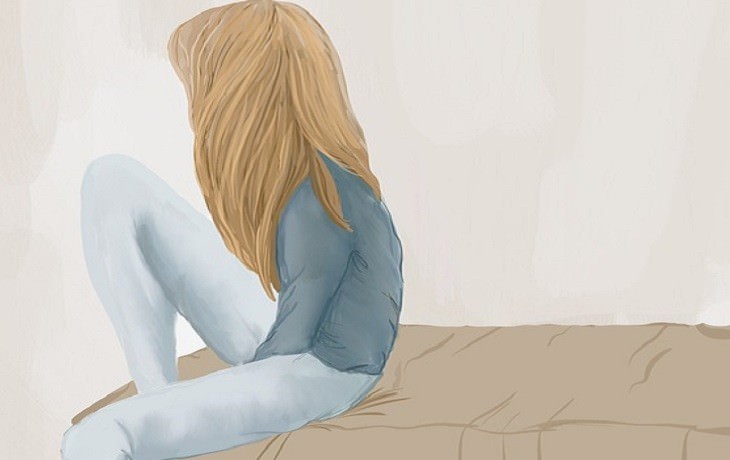
ADHD
One of the revealing signs of attention deficit disorder is the inability to focus on tasks, speech, and other daily activities. This sign is common for both boys and girls, but girls find it harder to focus on what is in front of them and concentrate on what they need to do. This increased distraction makes them daydream, become introverted, and have difficulty maintaining concentration during school.


2. Impulsivity is reduced 
"ADHD children tend to behave impulsively, meaning they act without thinking about the results," says Dr. Mark Griffin, an ADHD specialist. "In contrast, girls with ADHD often do not exhibit such behavior and do not behave in an uncalculated way, which often makes it difficult to know that they are indeed dealing with this problem.


3. Minor disturbances in school 
Boys, especially in elementary and middle school, who cope with ADHD tend to stand out in class in terms of their presence and character. On the other hand, girls with disorders of this kind behave in the opposite way and are shy, closed and do not express themselves in any way. This behavior, which is not usually associated with Attention Deficit Hyperactivity Disorder, is characteristic of ADHD- girls and their lack of participation in the classroom is a sign of such a disorder. 
 
 
4. Decreased hyperactivity 
One of the symptoms of ADHD is hyperactive behavior, i.e., difficulty sitting in one place for a while and wanting to move at all times. This is true for ADHD among boys, but girls are less likely to have this type of behavior. Therefore, other suspicious signs should alert your attention to the existence of ADHD in girls, as hyperactivity is not one of the telltale signs.


5. Feelings of shame and lack of self-confidence 
Every parent wants his child to have self-confidence that will enable them to succeed in life and to conquer various life struggles, but some children find it difficult to do so. This is especially true with girls who cope with attention deficit disorders that make it difficult for them to concentrate and causes them to experience difficulties in school and in their personal life. As a result, girls with ADHD tend to blame themselves for the difficulties they experience, which causes them to lose their self-confidence and to be ashamed of themselves. 
 
 
6. Feelings of isolation 
Children with ADHD struggle to make friends, but girls have more social problems than boys. In today's society, although it is more modern and progressive than it used to be, girls are expected to absorb social clues and read situations as they are because of their supposed innate sensitivity, but girls who suffer from ADHD find this difficult. When they fail repeatedly to decode social cues and codes, these girls develop social problems and often become isolated or have very few friends.


7. Hypersensitivity  
Many children with ADHD struggle with regulating and controlling their emotions, and so, intense feelings and disorders of this kind go hand in hand. From this common point between boys and girls with ADHD, girls experience hypersensitivity as a result of ADHD, which causes them to have increased feelings in a myriad of areas. The difficulty of emotional regulation causes them to be overwhelmed by feelings that can erupt in unexpected moments and interfere in different situations. 
 
 
8. Constant talking  
According to Dr. Griffin, girls with ADHD tend to be chatty because they can’t recognize the social cues that tell them to stop talking and give others a chance to weigh in. In addition to talking incessantly, girls with attention deficit disorder also tend to interject while others speak, and are therefore perceived as deviant or even insolent when the existence of their disorder is unknown.


9. Sense of depression and anxiety 
 Girls with ADHD are at an increased risk of depression and anxiety, especially in adolescence, so it is important to be alert to this condition. In addition, young girls and adolescents with ADHD tend to be perfectionists and are generally high achievers usually adopting a habit of over-concentration, which ultimately creates so much stress that makes it difficult for them to get through their day peacefully. 
 
 
Conclusion: Diagnosing ADHD in girls can be more challenging than boys because this problem is expressed in different ways. If you notice that your daughters are showing some or all of the signs above, you may want to seek expert advice to see if they have ADHD and if so, help them cope with the challenges they face more easily.


This is only for your information, kindly take the advice of your doctor for medicines, exercises and so on.   


Labels: , , , , ,

Saturday, March 27, 2021

Here's why cold induces tooth pain, hypersensitivity; some remedies for it

A team of researchers from Boston University have uncovered a new function for odontoblasts, the cells that form dentin, the shell beneath the tooth's enamel that encases the soft dental pulp containing nerves and blood vessels.

The results of the study were published in the journal of Science Advances.

"We found that odontoblasts, which support the shape of the tooth, are also responsible for sensing cold," says pathologist Jochen Lennerz, MD, PhD, one of the paper's senior authors and medical director of the Center for Integrated Diagnostics at Massachusetts General Hospital (MGH). "This research contributes a new function to this cell, which is exciting from a basic-science standpoint. But we now also know how to interfere with this cold-sensing function to inhibit dental pain."

Teeth that hurt from exposure to cold can occur for many reasons. Many people have experienced intense pain from cold when they have a hole in a tooth from an untreated cavity, for example. But teeth can also become very sensitive to cold from gum erosion due to aging. Some cancer patients treated with platinum-based chemotherapies have extreme cold sensitivity all over their bodies. "A breeze on the face registers as extreme pain in the teeth, which may even cause some patients to stop therapy," says Lennerz.

Tooth pain has been notoriously difficult to study. A tooth's hardness makes it a challenging tissue to study and inducing tooth pain in humans requires opening the tooth. The team of researchers, therefore, conducted experiments on mice whose molars were drilled under anaesthesia. Mice with dental injuries manifest pain with their behaviour; they drink up to 300 per cent more sugar water than their littermates without dental injuries, for example. In previous research, the team of investigators had discovered TRCP5, a protein encoded by the TRCP5 gene that is expressed in nerves in many parts of the body. Their earlier discovery allowed the researchers to zero in on TRCP5 as a mediator of pain from cold.

By studying genetically altered mice that did not have the TRCP5 gene, the researchers found that the mice with injured teeth did not manifest the increased drinking behaviour and behaved like mice without dental injuries.

"We now have definitive proof that the temperature sensor TRCP5 transmits cold via the odontoblast and triggers nerves to fire, creating pain and cold hypersensitivity," says Lennerz. "This cold sensitivity may be the body's way to protect a damaged tooth from additional injury."

Specifically, in response to cold, the TRCP5 protein opens channels in the membrane of odontoblasts, enabling other molecules, such as calcium, to enter and interact with the cell. If the tooth's pulp is inflamed from a deep cavity, for example, TRCP5 is overabundant, causing increased electrical signaling via the nerves emerging from the root of the tooth and running to the brain, where pain is perceived. When gums recede from ageing, teeth can become hypersensitive because the odontoblasts are sensing cold in a newly exposed region of the tooth. "Most cells and tissues slow their metabolism in the presence of cold, which is why donor organs are put on ice," says Lennerz. "But TRPC5 makes cells more active in cold, and the odontoblasts' ability to sense cold via TRPC5 makes this discovery so exciting."

Lennerz confirmed the presence of the TRPCS protein in extracted human teeth, which was a technical tour de force. "Our teeth aren't meant to be cut into ultra-thin layers so they can be studied under the microscope," says Lennerz, who first had to decalcify the teeth and put them in epoxy resin before slicing them and identifying the TRPC5 channels in the odontoblasts.

The research team also identified a pharmacological target for minimizing tooth sensitivity to cold. For centuries, oil of cloves has been used as a remedy for tooth pain. The active agent in the oil of cloves is eugenol, which happens to block TRCP5. Toothpaste containing eugenol are already on the market, but the findings of this study may lead to more potent applications to treat teeth that are hypersensitive to cold. And there may be novel applications for eugenol, such as treating patients systemically for extreme cold sensitivity from chemotherapy. "I'm excited to see how other researchers will apply our findings," says Lennerz. 


This is only for your information, kindly take the advice of your doctor for medicines, exercises and so on.     

https://gscrochetdesigns.blogspot.com. one can see my crochet creations  
https://gseasyrecipes.blogspot.com. feel free to view for easy, simple and healthy recipes    
https://kneereplacement-stickclub.blogspot.com. for info on knee replacement


Labels: , , , , , , , , , , , , , , ,

Thursday, January 16, 2020

New drug 'ubrogepant' may work for migraine

A new study published in the November 19, 2019 issue of JAMA shows that a newly developed small molecule drug called ubrogepant may successfully fight migraine at doses of 25 and 50 mg, with pain relief at 2 hours with both doses, while the most troublesome symptom of migraine was held off at 2 hours post-dose with the 50 mg dose. This may help millions of migraine patients to achieve pain relief and function better.

Migraine is a neurological condition characterized by headache which can last for up to 72 hours, nausea, and hypersensitivity to light and sounds. It is both common and distressing, and can hamper normal life in multiple ways, including work absenteeism, loss of productivity, difficulty with relationships, career failures, financial losses and depression. The treatment and prevention of this condition has attracted much medical interest, but the rate of success is low.

Gepants
One new line of treatment is with the small molecule medications called gepants. These are antagonists at the calcitonin gene-related peptide (CGRP) receptor, which mediates the effects of CGRP in the pathogenesis of migraine. One of these is ubrogepant, an oral drug which can be used at doses of 25 and 50 mg.

An earlier phase 2b study showed that in doses of 25 mg, 50 mg and 100 mg, ubrogepant could relieve pain with the effect lasting at 2 hours after the dose.

The study

The current phase 3 ACHIEVE II trial is meant to show if doses of 25 mg and 50 mg are effective and safe in the treatment of acute migraine. There were almost 1,700 participants, 500 on placebo, about 560 on 25 mg ubrogepant, and about the same number on 50 mg. 86% completed the trial. The mean age was about 42 years. 90% were women, and about 60% had severe pain while 40% had moderate pain. 57% were most troubled by photophobia.

All patients were between 18 and 75 years, had a history of migraine for at least 1 year but were below 50 years at onset, had 2-8 attacks in each of 3 months preceding the study, reported migraine duration of 4-72 hours without treatment or with inadequate treatment, and had at least 48 hours in between acute attacks.

The study was carried out at multiple centers, with a double-blinded randomized placebo-controlled design. The participants were grouped by their previous response to commonly used migraine drugs called triptans, and the current use of other preventive drugs. All these drugs were prohibited while taking the trial drug – including opioids, triptans, ergot derivative, nonsteroidal anti-inflammatory drugs (NSAIDs), pain relievers, antiemetics, and proton pump inhibitors. Within these groups, they were randomly assigned to receive either placebo, 25 mg of ubrogepant, or 50 mg of the drug.

The participants took one tablet of assigned medication as early as possible when migraine struck, but at all costs within 4 hours of onset. If required, the patient could take a second dose or a rescue drug within 2-48 hours, if the headache continued or started again at moderate to severe levels.

However, within the group of patients who chose to take a second dose, in the ubrogepant 25 mg/ 50 mg arms, the participants were again randomized to placebo vs the previous dose of ubrogepant. In the placebo arms, all patients repeated the dose of placebo. A rescue medication could be taken if required 2 hours after the second dose, in any of the trial arms.

Patients who did not want to take the repeat dose could take another drug from 2-48 hours after the first dose.

They then reported medication efficacy – severity of headache pain, presence of nausea, vomiting, sound or light sensitivity from the time of dosing to 48 hours afterwards, at specified intervals. The primary outcome was pain absence at 2 hours from the first dose, and absence of the most troublesome symptom (as reported at the beginning) at 2 hours.

The findings

The study found that 21% of patients on 50 mg ubrogepant, and almost the same percentage on 25 mg ubrogepant, achieved pain relief at 2 hours, compared to 14% with placebo. The drug appeared to be most effective at 3-8 hours after intake.

The most troublesome symptom was relieved in about 39% of patients on 50 mg ubrogepant, but there was no significant difference (34% vs 27%) between the 25 mg ubrogepant and placebo arms.
Among those who took a second dose, the chances of being pain-free 2 hours after the second dose were 2.2 times higher in those who took 2 doses at 50 mg each, compared to those who took two 25 mg doses, or those who took 50 mg followed by placebo. Other secondary outcomes such as the rate of pain relief over 2-14 hours, or absence of pain over the same period, were also greater in the 50 mg group. This was also seen with respect to the absence of photophobia and phonophobia (sensitivity to light and sound, respectively). Functional improvement was also obvious at 2 and 8 hours in the 50 mg group compared to placebo.

Implications

All available evidence points to the 50 mg dose as being the most effective in the acute treatment of migraine, achieving pain relief as well as absence of the most troublesome symptom at 2 hours.
The rate of adverse effects was similar in all three groups, indicating the safety and tolerability of ubrogepant. It has no cardiovascular precautions or contraindications like the triptans or ergot derivatives. It is also free of the serious cardiovascular and gastrointestinal effects of NSAIDs. Above the age of 22, cardiovascular contraindications exist in about a fifth of all patients with episodic migraine. Thus, ubrogepant may be a good option for those who fail to achieve acute relief of migraine with current medications.

It is important to capture the full benefit of the drug using alternative outcomes such as pain relief and functional improvement at 2 hours, because it appears to be maximally effective at 3-8 hours. Moreover, participants took the drug only with moderate or severe pain, while the American Headache Society recommends that treatment begin at the first sign of headache. This was not done, so we still don’t know just how much migraine pain could be averted if ubrogepant was given early rather than relatively late, as in this study. More study over a longer term is needed to find out how ubrogepant alters nerve function during migraine, any chronic side effects, and how consistently it acts to relieve pain.

This is only for your information, kindly take the advice of your doctor for medicines, exercises and so on.     
https://gscrochetdesigns.blogspot.com. one can see my crochet creations  
https://gseasyrecipes.blogspot.com. feel free to view for easy, simple and healthy recipes    
https://kneereplacement-stickclub.blogspot.com. for info on knee replacement
 

Labels: , , , , , , , , , ,

Saturday, November 23, 2019

16 Signs There’s A Toxic, Congested Lymph In The Body And How To Help Drain It

Since we are constantly surrounded by numerous toxins from various sources, and lead fast-paced lifestyles, toxins start to accumulate and clog the lymphatic system, residing the body in stress and weakening the immunity. 

According to Medical News Today:
“The lymphatic system is part of the immune system. It also maintains fluid balance and plays a role in absorbing fats and fat-soluble nutrients.

The lymphatic or lymph system involves an extensive network of vessels that passes through almost all our tissues to allow for the movement of a fluid called lymph. Lymph circulates through the body in a similar way to blood. There are about 600 lymph nodes in the body. These nodes swell in response to infection, due to a build-up of lymph fluid, bacteria, or other organisms and immune system cells.

The lymphatic system plays a key role in the immune system, fluid balance, and absorption of fats and fat-soluble nutrients. ”

The lymphatic system supports every body system, so it is very important to flush it out from time to time and prevent numerous conditions, from cellulite to cancer.

The first symptom of lymph congestion is dehydration. To check this issue, sip hot water every 10-15 minutes throughout the day, and at the end of the day, if your mouth is dry and thirsty, you are dehydrated and your lymph is congested. To rehydrate the body, repeat this therapy for 2 weeks.

Additionally, drink 1/2 your ideal body weight in ounces of water daily during these two weeks.
Here are the most common symptoms of lymphatic congestion:
  • Dry skin
  • Mild rash or acne
  • Swollen fingers
  • Brain fog
  • Weak immune system
  • Mild headaches
  • High histamine levels and irritations due to common environmental allergens
  • Occasional constipation, diarrhea and/or mucus in the stool
  • Swollen glands
  • Itchy skin
  • Tiredness
  • Soreness and/or stiffness in the morning
  • Bloating/water retention
  • Weight gain and extra belly fat
  • Breast swelling or soreness with each cycle
  • Hypersensitivity
All red-staining foods are powerful natural lymph-moving agents that detoxify the body, including beets, berries,  Echinacea, Red Root, cherries, pomegranate, and cranberries. 

Beets are among the most successful ones, as they thin the bile and scrub the villi of the gut, which is where the digestive lymph originates. 

Therefore, combine the warm water rehydration therapy with the consumption of red foods, and you will optimize the function of the lymphatic system and improve overall health.

this is only for your information, kindly take the advice of your doctor for medicines, exercises and so on.     
https://gscrochetdesigns.blogspot.com. one can see my crochet creations  
https://gseasyrecipes.blogspot.com. feel free to view for easy, simple and healthy recipes    
https://kneereplacement-stickclub.blogspot.com. for info on knee replacement


Source: fitlife.tv


Labels: , , , , , , , , , , , , , , , ,

Thursday, January 24, 2019

Rare Skin Conditions

The biggest organ of the body, skin can also be plagued with diseases and problems unheard of apart from common skin conditions.
Here are some of the rare skin conditions that you must know:
1. Argyria - This skin condition is characterized by blue or gray skin and develops due to ingestion or exposure to a large quantity of silver for a long period of time. This is a permanent skin problem without any known cure as of now. Causes for it can range from working in a sliver mine, developing photographs to consumption of silver supplements for curing a range of health problems such as diabetes, arthritis and so on. Apart from the toxicity caused by the exposure or ingestion of the element, a very common side effect of silver is a change in the color of your skin.
2. Dermatographia - A rare skin condition, a person suffering from this tends to have skin that is exceedingly sensitive to light scratches and minor injuries. This happens due to the hypersensitivity of the body's immune system, which reveals itself in the skin. As a consequence it brings about the release of huge quantity of histamine, leading to the dilation of capillaries and formation of swellings when the surface of the skin gets scratched. 
3. Harlequin Ichthyosis - Affecting newborns the most, the skin condition sees babies being born with hard and thick plates of skin all over their body. The condition renders newborns with the inability to control fluid and water loss, causing instances of severe dehydration. Newborns with this condition also experience trouble breathing, moving, controlling their body temperature as well as warding off infections. Many experts consider it to be a genetic disorder brought on by the mutation of the abca12 gene, leading to the improper development of the epidermis (outer layers of skin cells).
4. Xeroderma Pigmentosum - Over here, the individual is said to be sensitive to UV light, which makes him or her avoid sunlight whether direct or indirect and even florescent illumination. In addition to blisters on the skin and sunburn symptoms of the condition also include dark and light skin patches. It can also cause your skin to become thin, resulting in the appearance of blood vessels and spots. Development of skin cancer is the final outcome of this skin condition.
5. Stevens-Johnson Syndrome - This skin condition brings about the shedding and falling off of not only your skin but even the lining of your internal organs. The skin problem is closely associated with another form of skin disease called toxic epidermal necrolysis (ten). It is usually identified through blisters and painful rashes that develop on the skin surface. 

THIS IS ONLY FOR INFORMATION, ALWAYS CONSULT YOU PHYSICIAN BEFORE HAVING ANY PARTICULAR FOOD/ MEDICATION/EXERCISE/OTHER REMEDIES.                                    PS- THOSE INTERESTED IN RECIPES ARE FREE TO  VIEW MY BLOG-                                                                                           https://gseasyrecipes.blogspot.com/       
                                                                                                                                                                      FOR INFO ABOUT KNEE REPLACEMENT, YOU CAN VIEW MY BLOG-                                                  https:// kneereplacement-stickclub.blogspot.com/           
                                                                           FOR CROCHET DESIGNS                                                                                                                                                                                                  https://gscrochetdesigns.blogspot.com    

Labels: , , , , , , , , , , , , ,