Friday, September 06, 2019

Vegetarians and vegans may have a higher risk of stroke than meat eaters, but carnivores have a higher risk of heart disease

As meatless diets are becoming increasingly popular, researchers are studying whether they may have unexpected health risks. Case in point: Vegetarians and vegans, while they have lower rates of heart disease, may face a greater risk of stroke, according to a new study.

For the study, researchers  looked at the dietary habits and health of 48,188 adult men and women in the UK over the course of 18 years. 

They found that participants with a plant-based diet, including both vegetarians and vegans, had lower rates of heart disease but higher rates of stroke than meat eaters. 

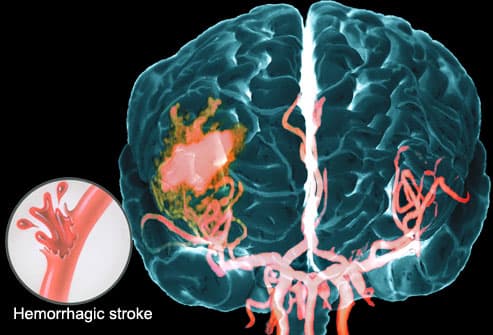
Non-meat-eaters were at a significantly higher risk for a particular kind of stroke — a hemorrhagic stroke, which occurs when a blood vessel ruptures and begins bleeding into the brain. 

People who avoided meat but ate fish, however, had a lower risk of heart disease without increasing their risk for stroke. More research is needed to understand just what kind of diet is best for protecting your health.

Low cholesterol from eating less meat may mean better overall heart health

The results of this study are consistent with previous research that found a significantly lower risk of heart disease among vegetarians — as much as 24% lower death rates from heart disease, according to one study. 

Researchers suspect this is partly caused by lower levels of cholesterol in the blood, which typically come from a meat-free diet. However, that doesn't entirely explain the difference, and data suggests eating more fruits, vegetables, legumes, and fiber also provide health benefits. 

Researchers also found that vegetarians and vegans were less likely to smoke and more likely to exercise regularly. They also reported lower rates of high blood pressure, cholesterol problems, diabetes, and long-term illnesses. 

But even after adjusting for lifestyle factors like smoking, exercise, and body mass index, vegetarians and vegans still had lower rates of heart disease.

Cholesterol and other nutrients in animal protein may protect against brain hemorrhage

This new research supports earlier findings that low cholesterol levels, though typically thought of as a healthy thing, may somehow cause a higher risk of hemorrhagic stroke. 

In addition to low cholesterol levels, vegetarians and vegans also had lower levels of vitamin B12, vitamin D, and amino acids than meat eaters, which may be related to their higher stroke risk. 

Researchers concluded that more studies are needed to test how those nutrients might play a role in preventing strokes.

People who ate fish, but not meat, seemed to fare best

Pescatarians — who avoid animal meat but may eat fish, dairy, and eggs — had the best of both worlds, according to the data. They showed a lower risk of heart disease than meat eaters, but without the higher stroke risk associated with plant-based diets. 

If you're looking to improve your health overall, consider swapping out your steak for salmon, or just incorporating more vegetables overall into your menu. 

this is only for your information, kindly take the advice of your doctor for medicines, exercises and so on.   
https://gscrochetdesigns.blogspot.com. one can see my crochet creations 
https://gseasyrecipes.blogspot.com. feel free to view for easy, simple and healthy recipes    
https://kneereplacement-stickclub.blogspot.com. for info on knee replacement
     

Labels: , , , , , , , , , , ,

Wednesday, October 28, 2015

Is that stress or stroke?

THIS IS ONLY FOR INFORMATION, ALWAYS CONSULT YOU PHYSICIAN BEFORE HAVING ANY PARTICULAR FOOD/ MEDICATION/EXERCISE/OTHER REMEDIES.

FOR INFO ABOUT KNEE REPLACEMENT, YOU CAN VIEW MY BLOG
HTTP://KNEE REPLACEMENT-STICK CLUB.BLOGSPOT.COM/

FOR CROCHET DESIGNS- http://My Crochet Creations.blogspot.com/


 Every stroke patient might have different symptoms; however, the symptoms of a stroke are very sudden.

What is a stroke?
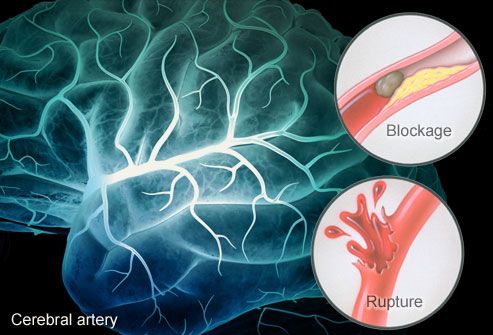
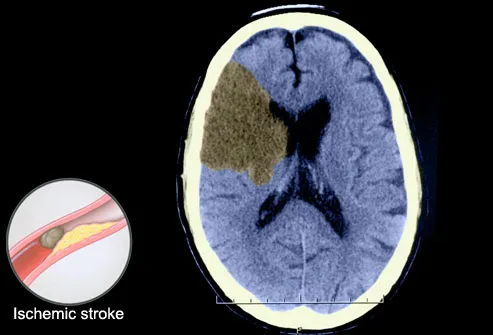
Strokes occur due to problems with the blood supply to the brain; either the blood supply is blocked or a blood vessel within the brain ruptures. A stroke is a medical emergency, and treatment must be sought as quickly as possible.
There are three main kinds of stroke; ischemic strokes, hemorrhagic strokes and transient ischemic attacks (TIAs), also referred to as mini-strokes.

The Warning Signs of a Stroke:

· A terrible headache
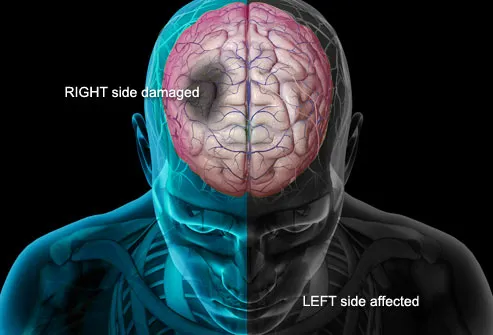
· Weakness on one side of your body
· Trouble walking, talking, or understanding things
· Vision loss in one or both eyes

At times, other health issues can mimic stroke symptoms. A high blood pressure can cause headaches, feelings of weakness, and vision problems. Hypertension is the major cause of stroke.
Chronic stress in life, increases the risk of older people having a stroke or transient ischemic attack.
Understand your body & learn to differentiate between symptoms for stress/anxiety attacks, stroke or migraines.

Better understanding of important & potentially modifiable stroke risk factors, including stress and hypertension, is required given the aging population and increasing burden of stroke.

How is a stroke different from a heart attack/cardiac arrest?

A heart attack occurs when blood flow to a part of the heart is blocked, usually by a blood clot. Without oxygenated blood, the heart muscle begins to die. A stroke is a brain attack, cutting off vital blood flow and oxygen to the brain.

Heart attacks are almost always the result of progressive coronary artery disease (CAD). In CAD, the arteries that supply blood to the heart become choked with fatty deposits called plaque, which narrows and blocks arteries. The condition is called atherosclerosis. When pieces of plaque break free, blood clots can form, blocking the flow of blood to the heart. When that happens, the heart muscle does not get the oxygen and nutrients that it needs, and parts of the heart may become damaged or die. This is a heart attack.

When the blood supply to the brain is interrupted, causing a part of the brain to die, it is called a stroke, or "brain attack." A stroke requires immediate medical attention. Stroke is similar to a heart attack, but it affects the blood vessels in the brain instead of the heart.

Preventive Tips for Stroke:

If you've had a stroke, preventing a second stroke is a top priority. The risk of a stroke is tenfold higher in someone who has had a stroke in the past.

Keep your blood pressure low since high blood pressure exerts continuous pressure on the walls of the arteries. If it is left untreated, it damages and weakens your arteries, making them more likely to clog or burst and cause a stroke.

Don't smoke or expose yourself to second-hand smoke. Limit your calories and make exercise a daily habit. Know your risks - your age & your genes can put you at risk of stroke.


Inputs by Dr. PN Renjen, Senior Consultant - Neurology, Indraprastha Apollo Hospitals

Labels: , , , , , , , , ,

Friday, July 24, 2015

7 Signs of Stroke You Might Be Ignoring

Never ignore these signs of a stroke

In each minute of a stroke, your brain loses an estimated 1.9 million cells. Each hour a stroke goes untreated ages your brain the equivalent of three and a half years. The longer a stroke lasts or a patient doesn’t receive treatment, the greater chance of lingering speech difficulties, memory loss, or behavioral changes. The earlier a stroke is caught, the better the treatment options, which can minimize damage and improve the odds of a fuller recovery. “Stroke is scary. Denial is the biggest factor in delaying treatment. When I ask stroke patients in the ER why they waited to call 911, the most common response is that they wanted to see if it would go away,” says Carolyn Brockington, MD, director of the Mount Sinai Stroke Center in New York City.

There are two kinds of stroke. An ischemic stroke means blocked blood vessels cause a reduction in blood flow in the brain. A hemorrhagic stroke means a ruptured blood vessel is leaking blood in the brain. Symptoms for both kinds of stroke can be the same. It’s important to call 911 as soon as you notice any potential signs of trouble.
signs of a stroke seeing double

You think exhaustion is making you see double

Vision problems like seeing double, blurriness, or loss of sight in one eye can be a sign of a stroke, but many people blame this on old age or tiredness. “Seeing two images is very unusual for just being tired or reading too much,” Dr. Brockington says. A blocked blood vessel can reduce the amount of oxygen getting to the eye, which causes vision issues that may not be accompanied by any other signs of stroke.
signs of a stroke arm numbness

You think your arm is numb because it "just fell asleep"

If you wake up from a nap and your arm or leg is numb, it’s easy to assume it's due to a compressed nerve. “Don’t feel like a hypochondriac. If your arm is suddenly numb or weak, and it doesn’t go away in a few minutes, call 911,” says Ralph Sacco, MD, professor of neurology at University of Miami North School of Medicine. Decreased blood flow through the arteries that run up your spine to the back of your head causes numbness or weakness on one side of the body.

You blame slurred speech on your medications

“Some medicines, like painkillers, can cause slurred speech and people often chalk up speech issues to their drugs as opposed to stroke,” says Dr. Sacco. But if that’s not a side effect you usually experience, you might be having a stroke and should seek help immediately, he says.

You assume alcohol is behind your wobbliness

“People think they’re having balance issues because they had a drink, but see if that makes sense,” says Dr. Brockington. “You won’t have delayed balance problems, so a drink from earlier in the day probably isn’t to blame. It could be from a decrease in blood flow to the brain.” If you suddenly start to stumble, can’t walk straight, or experience sudden dizziness, don’t wait for it to pass; call 911 right away.

You think that"it's on the tip of my tongue" feeling is due to being tired

When people have trouble thinking of the right words or lose their train of thought, they figure they're tired or foggy, says Dr. Brockington. But sudden cognitive deficits are a common sign of stroke. “You might struggle to think of a word every once in awhile, but there shouldn’t be a long period of time where you can’t think of anything to say or be unable to speak,” says Dr. Brockington.

In some cases, stroke patients won’t be aware that anything is wrong, so people around them should raise the alarm. “The part of the brain that isn’t working well impairs the stroke patient’s perception and the ability to think,” says Dr. Sacco. 

You chalk that blinding headache up to a migraine

It might just be a migraine, but if you’re not prone to them, it could be a stroke. “Migraine headaches can masquerade as a stroke because they have the same neurological symptoms,” says Sacco. “I tell people to treat it like a stroke and call for help; let us figure it out.”

Stroke is the fifth-leading cause of death nationwide. Brain damage from strokes can be minimized if they are treated promptly, but it’s common to mistake signs of a stroke for other health problems, which delays treatment.

THIS IS ONLY FOR INFORMATION, ALWAYS CONSULT YOU PHYSICIAN BEFORE HAVING ANY PARTICULAR FOOD/ MEDICATION/EXERCISE/OTHER REMEDIES.


PS- THOSE INTERESTED IN RECIPES ARE FREE TO VIEW MY BLOG-
HTTP:GSEASYRECIPES.BLOGSPOT.COM


FOR INFO ABOUT KNEE REPLACEMENT, YOU CAN VIEW MY BLOG
HTTP://KNEE REPLACEMENT-STICK CLUB.BLOGSPOT.COM/

FOR CROCHET DESIGNS- http://My Crochet Creations.blogspot.com/

Labels: , , , , , , , , , , , ,

Friday, October 24, 2014

Understanding Stroke

Illustration of Stroke Causes What a stroke means?
Stroke is a medical emergency and a leading cause of death in the world. It occurs when a blood vessel in the brain bursts or, more commonly, when a blockage develops. Without treatment, cells in the brain quickly begin to die. The result can be serious disability or death. If a loved one is having stroke symptoms, seek emergency medical attention without delay.

 Stroke Attacking Brain and Body

Symptoms

Signs of a stroke may include:
  • Sudden numbness or weakness of the body, especially on one side.
  • Sudden vision changes in one or both eyes, or difficulty swallowing.
  • Sudden, severe headache with unknown cause.
  • Sudden problems with dizziness, walking, or balance.
  •  Sudden confusion, difficulty speaking or understanding others.
  • Call help at once if you notice any of these symptoms.


Labels: , , , , , , , , , , , , , ,